Diamond blade cutting discs have revolutionized material science and construction, offering unparalleled precision and efficiency across numerous industries. Their ability to cut through incredibly hard materials like concrete, asphalt, tile, and even glass, with minimal chipping and dust, makes them indispensable tools for professionals and DIY enthusiasts alike. Understanding the nuances of diamond blade technology – from bond types to segment configurations – is crucial for maximizing performance and ensuring safety in any cutting application. This knowledge empowers users to select the optimal blade for their specific needs, leading to cleaner cuts, longer blade life, and reduced project costs.
The global demand for diamond blade cutting discs is consistently growing, driven by rapid infrastructure development in emerging economies, a boom in the construction and renovation sectors, and the increasing need for precise cutting in specialized industries like stonework and semiconductor manufacturing. According to industry reports, the market is expected to reach billions of dollars in the coming years. However, this growth also presents challenges, including the need for sustainable manufacturing practices and the development of blades that can effectively cut new, ultra-hard materials.
Ultimately, mastering the application of a diamond blade cutting disc allows for safer, faster, and more cost-effective project completion, impacting a wide range of sectors from infrastructure to artistry.
Defining Diamond Blade Cutting Discs
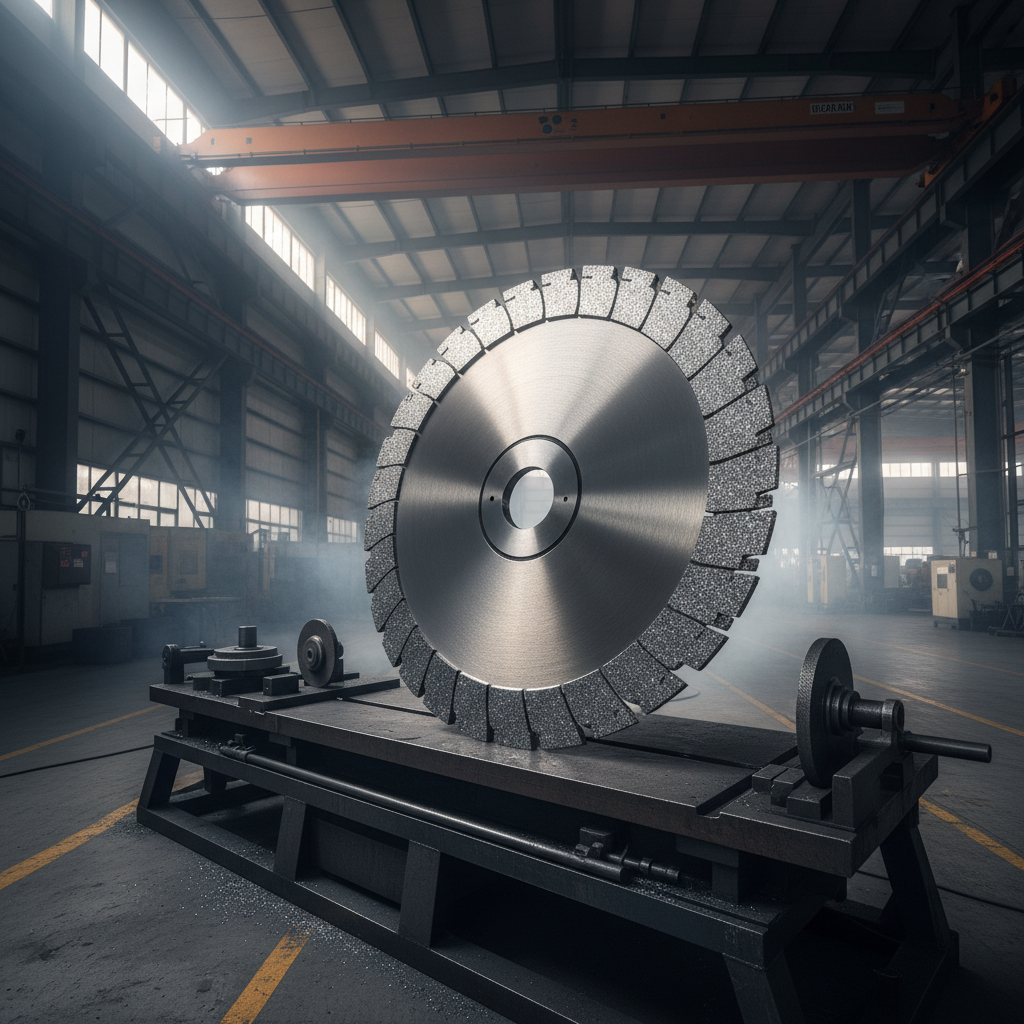
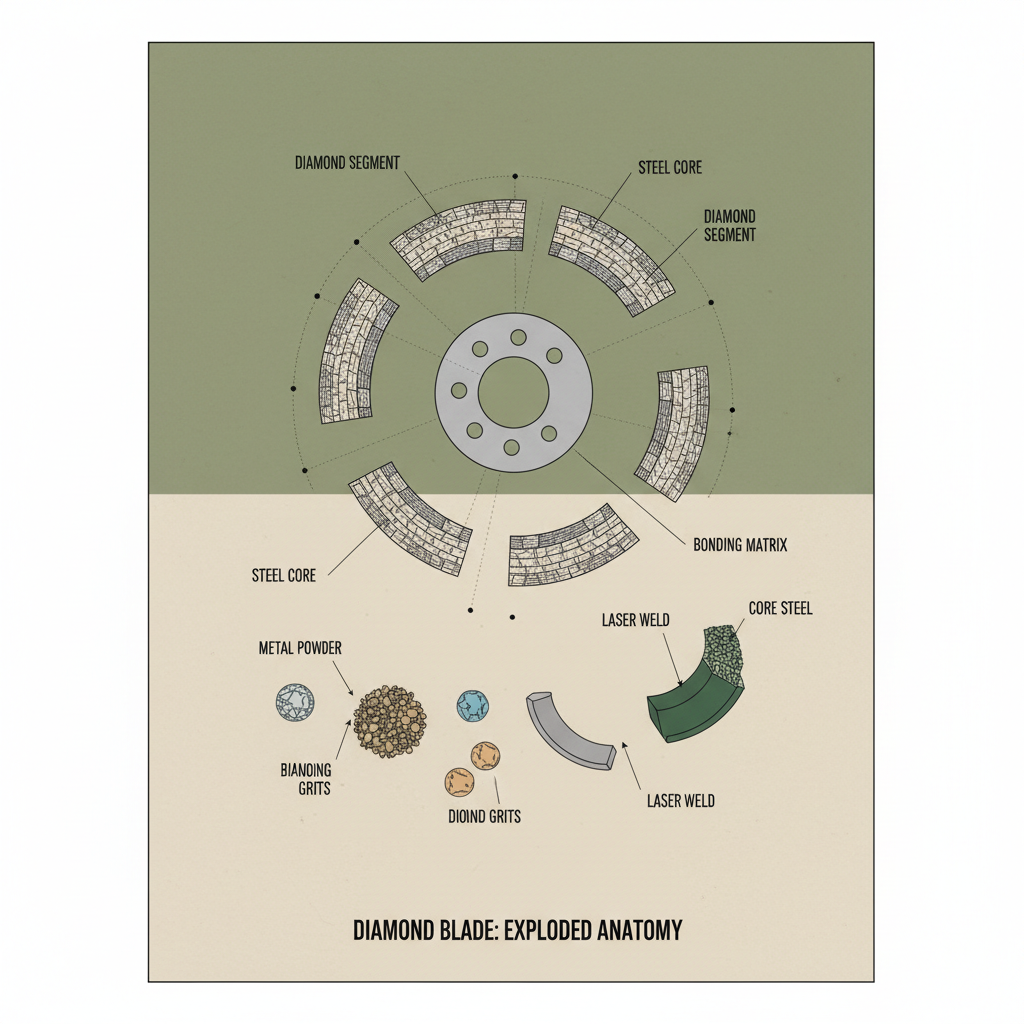
A diamond blade cutting disc is a circular saw blade embedded with industrial diamonds. These diamonds, rather than acting as the primary cutting agent themselves, work to abrade away the material being cut. The process is essentially a controlled wearing away of the material through millions of microscopic cuts. The effectiveness of a diamond blade isn't solely determined by the diamonds; the metal bond holding them is equally important, as it controls the rate at which the diamonds are exposed during use.
This technology has become vital to modern industry because it offers a solution for cutting extremely hard and abrasive materials that traditional saw blades simply cannot handle. From infrastructure projects requiring precise concrete cutting to delicate stonework demanding flawless finishes, diamond blade cutting discs deliver results unmatched by other methods, contributing significantly to efficiency and quality in diverse applications.
The Global Relevance of Diamond Blade Technology
The use of diamond blade cutting discs is intrinsically linked to global construction and infrastructure development. With urbanization rates rising worldwide, particularly in developing nations, the demand for concrete, stone, and other hard materials is skyrocketing. Diamond blades are essential for cutting these materials for building foundations, roads, bridges, and countless other essential projects. The United Nations estimates that over 68% of the world’s population will live in urban areas by 2050, directly correlating to increased demand for this technology.
Furthermore, the renovation and remodeling of existing infrastructure create a steady demand for diamond blade cutting discs. Replacing damaged concrete, installing new utilities, and updating aging structures all rely on the precision and efficiency of these tools. The World Bank projects significant investments in infrastructure globally, and diamond blade technology will be a critical component of these endeavors.
A significant challenge lies in ensuring sustainable sourcing of diamond materials and developing environmentally friendly manufacturing processes for the blades themselves. Addressing these concerns is paramount to the long-term viability of the industry.
Core Components of Diamond Blade Performance
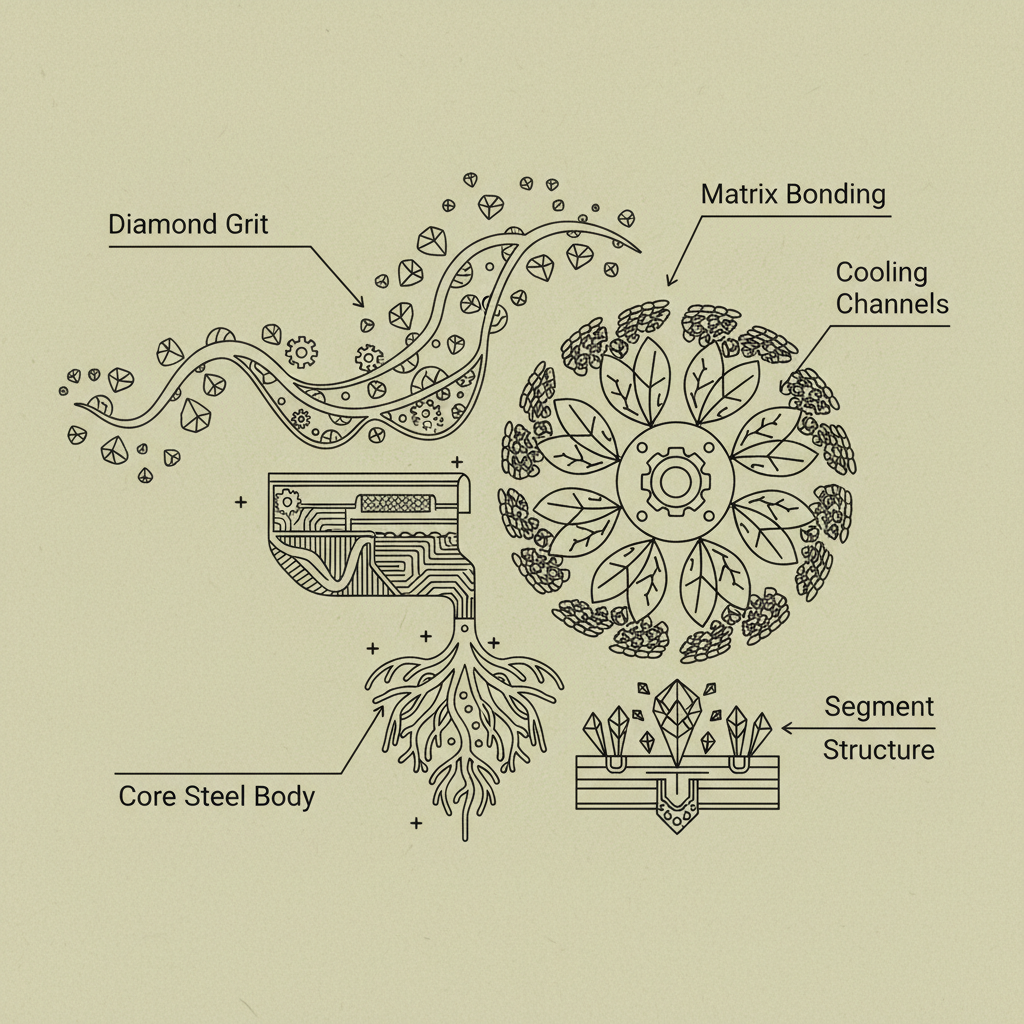
The effectiveness of a diamond blade cutting disc depends on a combination of several key factors. First, the quality and size of the diamond crystals themselves are crucial. Larger, higher-quality crystals generally provide a faster cutting rate. Second, the type of metal bond used to bind the diamonds to the blade core significantly impacts performance. Softer bonds release diamonds more quickly, ideal for abrasive materials, while harder bonds are better suited for harder, less abrasive materials.
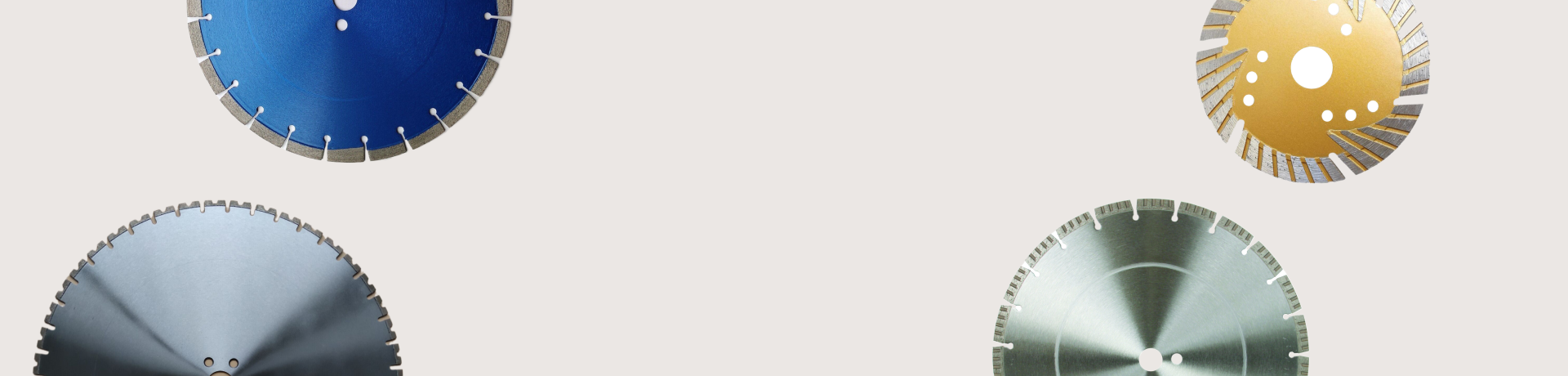
Third, the blade’s core material – typically steel – contributes to its structural integrity and overall durability. Fourth, the segment configuration—how the diamond-impregnated segments are arranged on the blade—influences the cutting path and chip removal. Finally, the blade’s thickness impacts both its cutting speed and its resistance to bending or warping. Optimizing these elements is essential for maximizing cutting efficiency and blade lifespan.
Selecting the correct diamond blade involves understanding these components and matching them to the specific material being cut. A blade optimized for concrete won't perform well on glass, and vice versa.
Key Factors Influencing Cutting Efficiency
Cutting speed is heavily influenced by the bond type of the diamond blade. Softer bonds are preferred when cutting abrasive materials like brick or concrete, as they allow for faster diamond exposure. However, this comes at the cost of reduced blade life. Harder bonds are suitable for harder, denser materials like granite or porcelain tile, providing longer life but slower cutting.
Blade thickness also plays a critical role. Thinner blades produce narrower kerfs (the width of the cut), reducing material waste and requiring less power. However, they are more prone to bending and warping, especially when cutting thick materials.
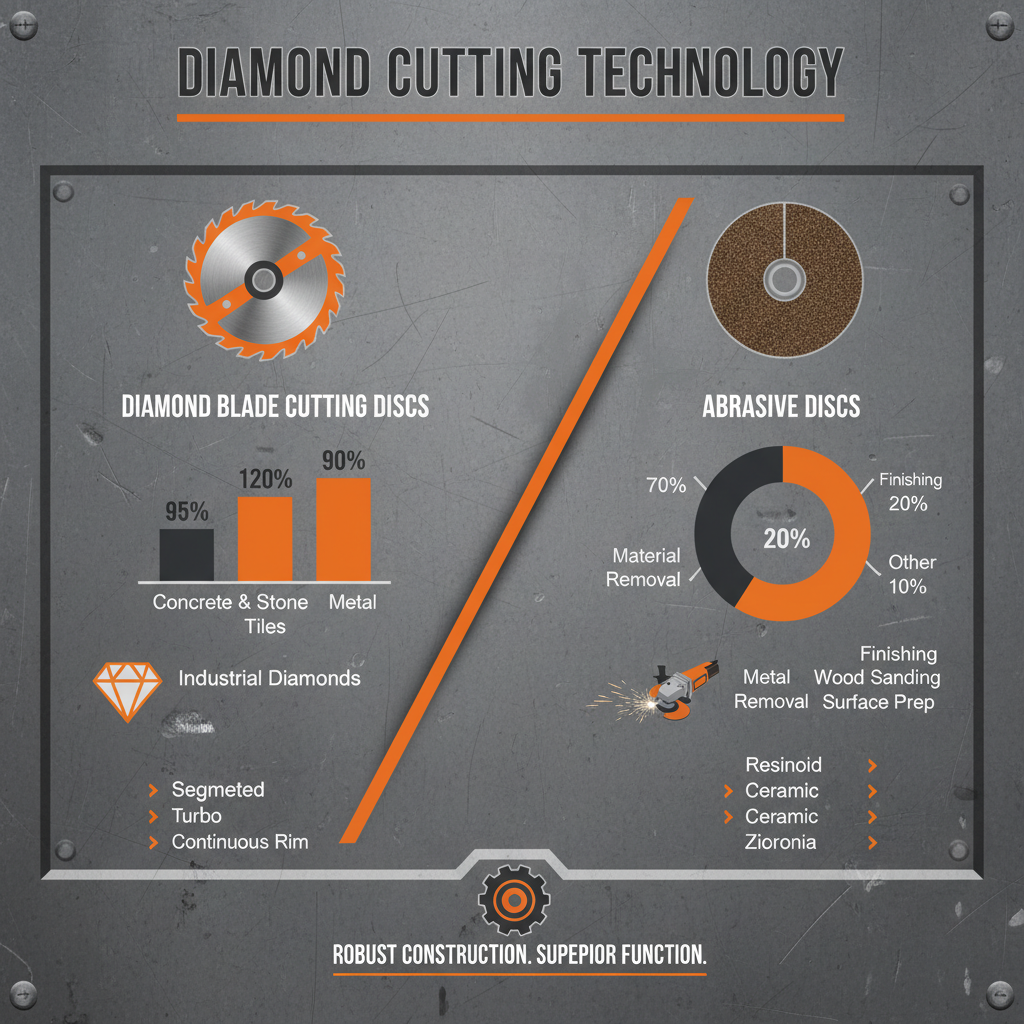
Diamond Blade Cutting Performance Comparison
Real-World Applications Across Industries
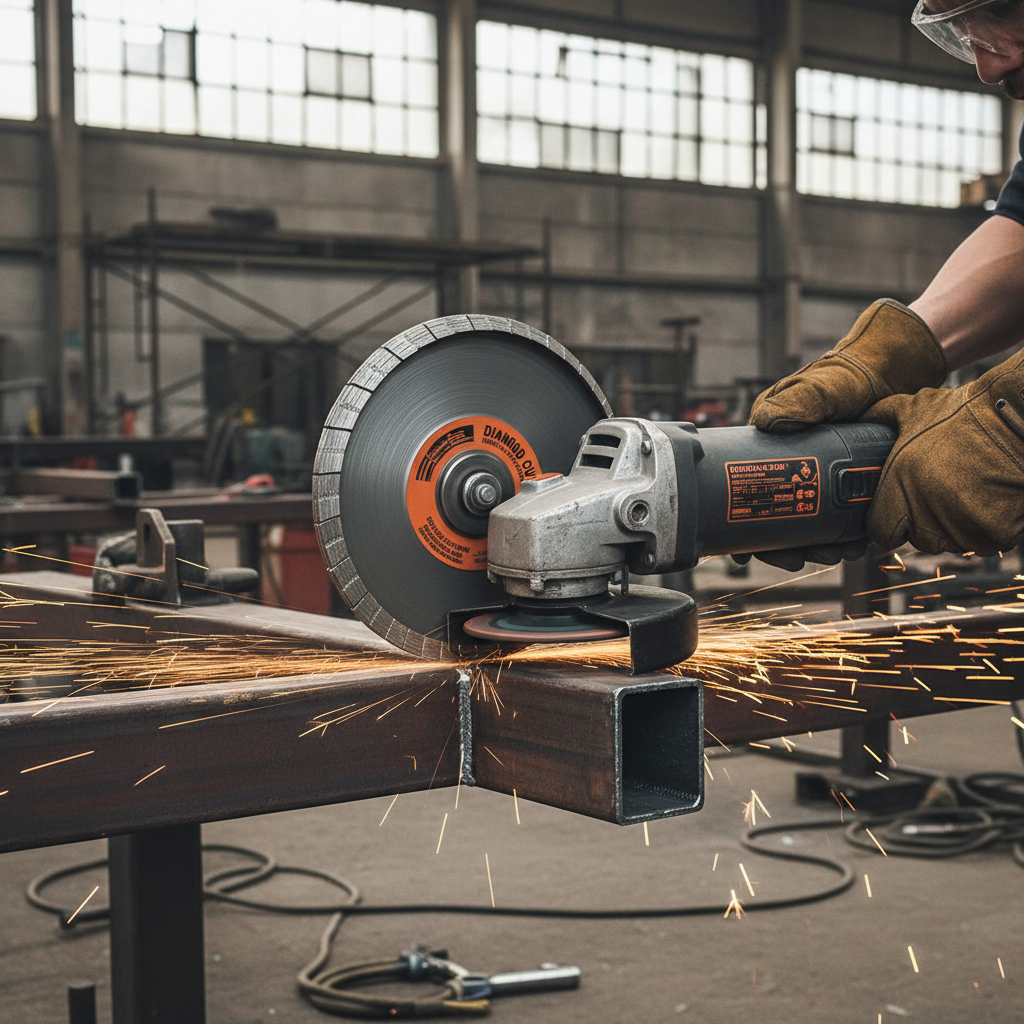
The construction industry is arguably the largest consumer of diamond blade cutting discs, using them for cutting concrete, asphalt, brick, and other materials for foundations, roads, and structures. The landscaping industry also relies heavily on diamond blades for cutting pavers, stone, and curbing.
Beyond construction, diamond blades are crucial in the stone and tile industry, enabling precise cuts for countertops, flooring, and decorative elements. In the manufacturing sector, they are used for cutting hard metals, ceramics, and glass in the production of various goods. Even in specialized fields like the semiconductor industry, diamond blades play a role in precision cutting and grinding.
Advantages and Long-Term Value Proposition
The primary advantage of using diamond blade cutting discs is their superior cutting performance and longevity compared to traditional abrasive blades. This translates directly into reduced project timelines and lower overall costs, as fewer blades need to be replaced. They also produce cleaner, more precise cuts, minimizing the need for secondary finishing work.
Beyond cost savings, diamond blades offer increased safety. The precision cutting action reduces the risk of kickback and material fracturing, protecting operators. Furthermore, the durability of these blades contributes to sustainability by reducing waste and minimizing the environmental impact associated with frequent blade replacements.
Future Trends and Innovations in Diamond Blade Technology
Ongoing research focuses on developing new diamond bonding matrices that enhance cutting speed and extend blade life. There's also a growing trend towards laser-welded blades, which offer increased durability and precision. The integration of smart sensors into blades to monitor wear and performance in real-time is another area of innovation.
Furthermore, environmentally friendly manufacturing processes are becoming increasingly important, with a focus on reducing waste and utilizing sustainable materials. The development of blades capable of cutting new, ultra-hard composite materials is also driving innovation in the industry.
Challenges and Solutions
One of the main challenges is the cost of high-quality diamond blades. While they offer long-term value, the initial investment can be significant. This can be addressed by offering more affordable blade options for less demanding applications, as well as financing programs to make premium blades more accessible.
Another challenge is the proper selection of a blade for a specific material. Providing comprehensive blade selection guides and offering expert advice can help users choose the optimal blade for their needs. Finally, ensuring responsible diamond sourcing and promoting sustainable manufacturing practices are crucial for addressing ethical and environmental concerns.
Diamond Blade Cutting Disc Performance Factors
| Blade Type |
Material Compatibility |
Cutting Speed (1-10) |
Blade Lifespan (Hours) |
| Turbo Blade |
Concrete, Asphalt |
8 |
30 |
| Continuous Rim Blade |
Tile, Porcelain |
6 |
50 |
| Segmented Blade |
Brick, Block |
9 |
20 |
| Dry Cutting Blade |
Concrete, Stone (Dry) |
7 |
25 |
| Wet Cutting Blade |
Concrete, Stone (Wet) |
10 |
40 |
| Granite Blade |
Granite, Marble |
5 |
60 |
FAQS
For cutting concrete, a segmented diamond blade with a medium-grit diamond is typically the best choice. Segmented blades allow for efficient chip removal, preventing the blade from clogging during cutting. The medium grit provides a balance between cutting speed and blade life, making it suitable for general concrete cutting applications. Consider the concrete's hardness - harder concrete benefits from blades with higher diamond concentrations.
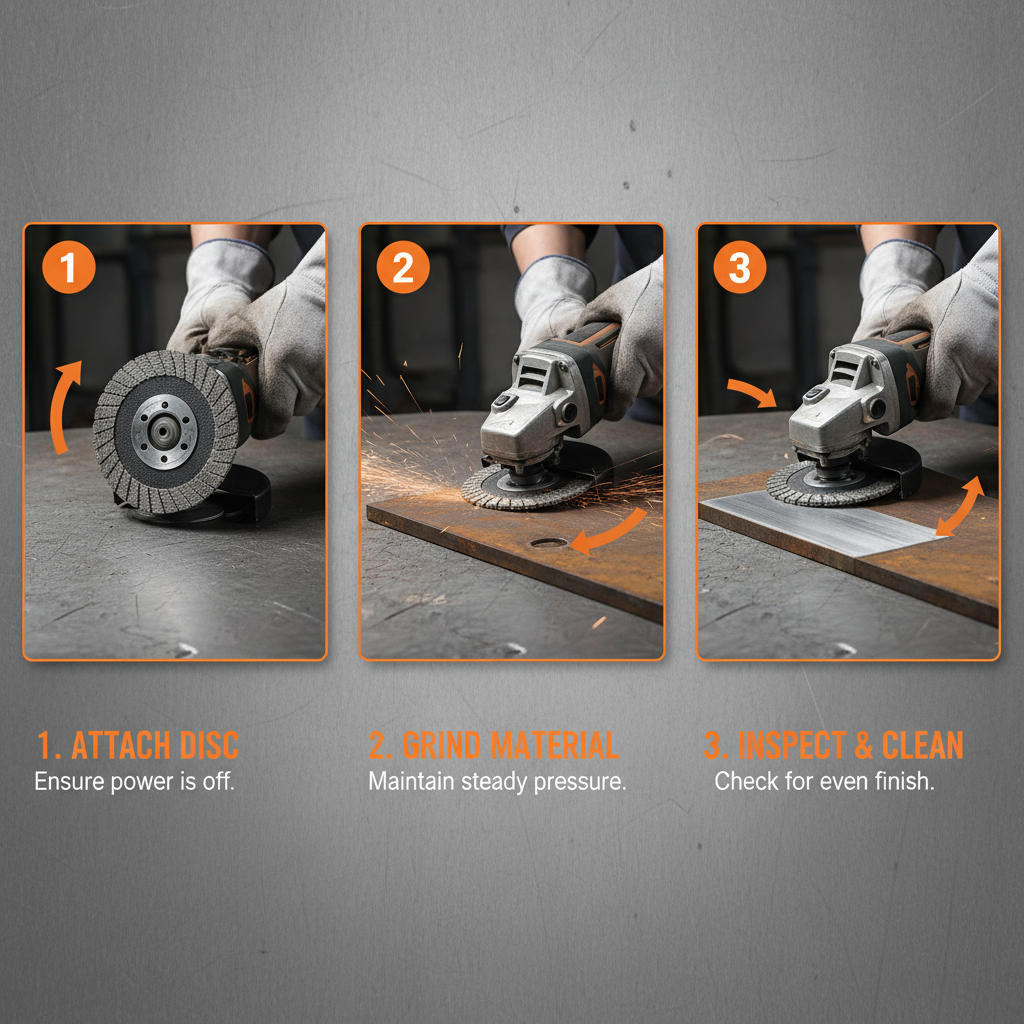
To maximize the lifespan of your diamond blade, always use the correct blade for the material you are cutting. Avoid excessive pressure and let the blade do the work. Use water cooling whenever possible, as it reduces friction and heat buildup. Store blades properly in a dry environment to prevent corrosion. Regularly inspect the blade for damage and replace it when necessary to avoid further damage to the tool or workpiece.
Wet diamond blades are designed to be used with water cooling, which reduces friction, minimizes dust, and extends blade life. Dry diamond blades are designed to operate without water, utilizing a different bonding matrix to dissipate heat. Using a wet blade dry can damage it, while using a dry blade wet isn't recommended. Always check the manufacturer’s instructions before use.
The bond refers to the metallic material holding the diamonds in place. Softer bonds release diamonds more quickly, ideal for abrasive materials like brick, while harder bonds are better for harder materials like granite. Consider the material's abrasiveness: abrasive = softer bond, hard = harder bond. If the blade is wearing down too quickly, try a harder bond.
Absolutely not. Always wear appropriate safety glasses or a face shield when operating a diamond blade. Cutting generates debris that can cause serious eye injury. Additionally, wear gloves and a dust mask to protect your skin and respiratory system. Prioritize safety always when working with power tools.
Warping is often caused by excessive heat buildup during cutting. This can occur if you’re applying too much pressure, cutting too quickly, or not using adequate cooling. Using the wrong blade type for the material, or a blade with a weak core, can also contribute. Ensure proper cooling, use the correct blade, and avoid excessive force to prevent warping.
Conclusion
In conclusion, the diamond blade cutting disc has become an indispensable tool in a wide range of industries, offering unmatched precision, efficiency, and longevity. Understanding the core components of blade performance – diamond quality, bond type, core material, and segment configuration – is crucial for maximizing its benefits. By embracing advancements in materials and manufacturing techniques, we can further enhance the capabilities of these blades and address challenges related to sustainability and cost-effectiveness.
Looking ahead, continued innovation in diamond blade technology will be essential for meeting the demands of a rapidly evolving world. We encourage you to explore our range of high-quality diamond blades at www.mydiamondblade.com and discover how we can help you achieve optimal cutting performance for your specific application.








.png )