The diamond blade cut off wheel is a cornerstone of modern material processing, impacting industries from construction and engineering to landscaping and emergency response. Its ability to precisely and efficiently cut through incredibly hard materials like concrete, asphalt, metal, and tile makes it an indispensable tool for a vast array of applications. Understanding its capabilities, proper usage, and evolving technologies is critical for maximizing productivity, ensuring safety, and achieving superior results.
Globally, the demand for diamond blade cut off wheels continues to rise, driven by rapid urbanization, infrastructure development, and a growing need for precision cutting solutions. According to industry reports, the global abrasive market, encompassing diamond blades, is projected to reach billions of dollars in the coming years. This growth underscores the wheel's essential role in facilitating progress across numerous sectors, particularly in developing economies undergoing significant construction booms.
The efficiency and precision offered by diamond blade cut off wheels directly address challenges related to project timelines, material waste, and worker safety. Traditional cutting methods often require significantly more time and labor, producing rougher edges and generating more dust and debris. By offering a cleaner, faster, and more accurate cutting experience, diamond blade cut off wheels are vital for modern construction and industrial processes.
Introduction to diamond blade cut off wheel
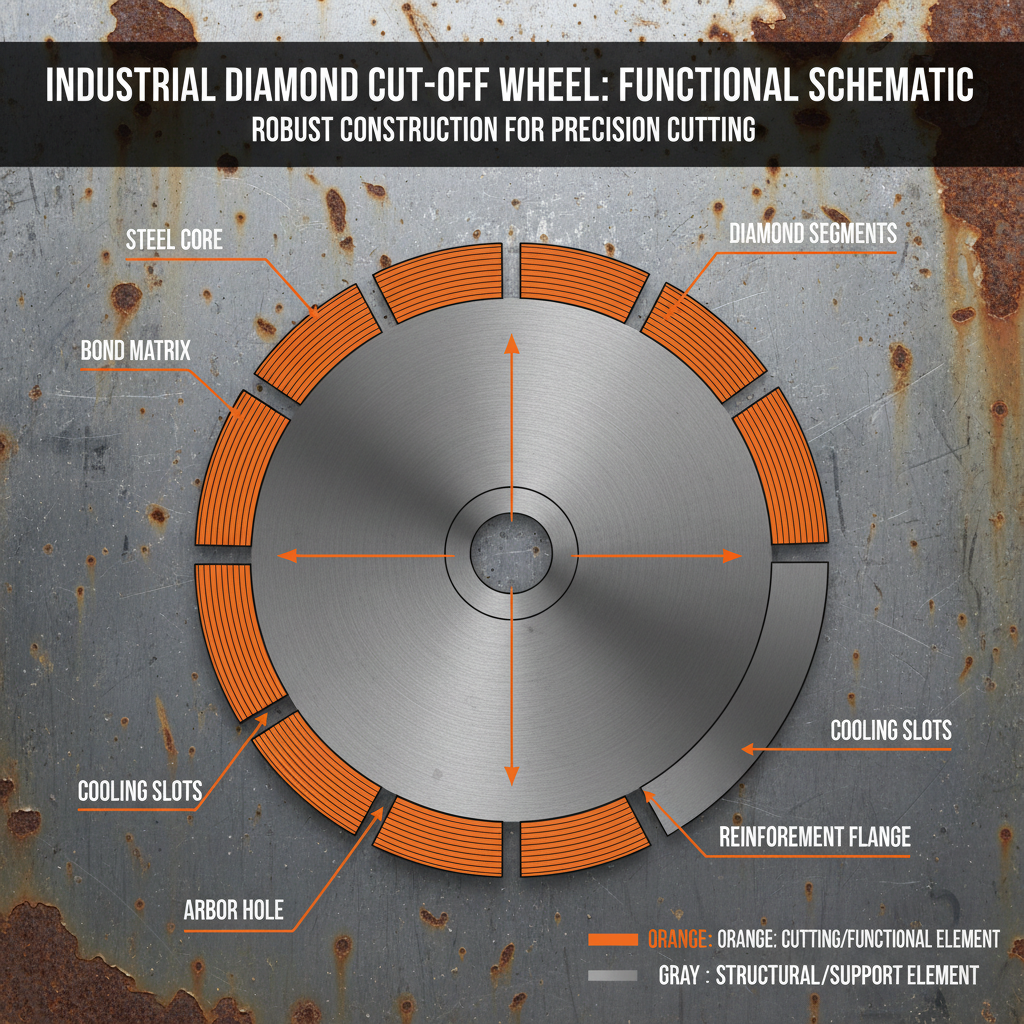
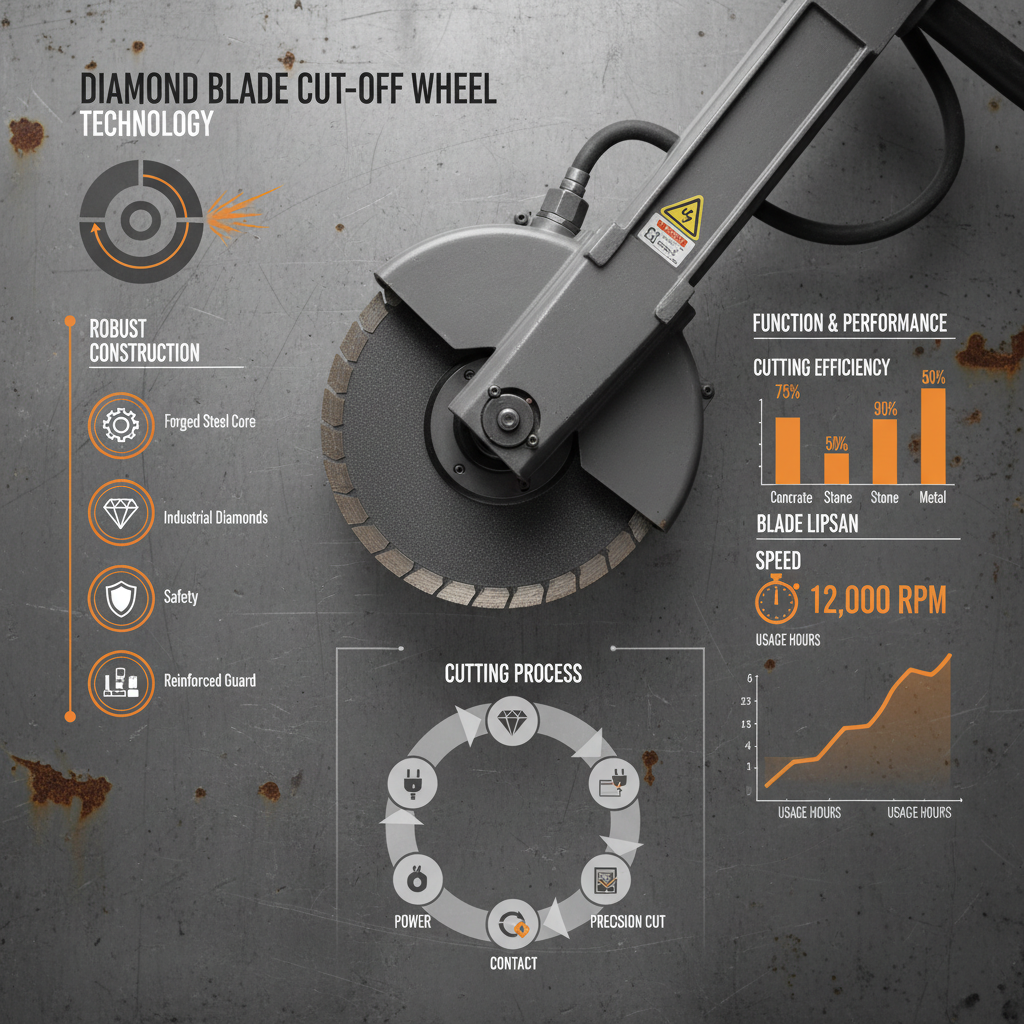
The versatility of a diamond blade cut off wheel stems from its unique construction: a steel core embedded with industrial-grade diamonds. These diamonds, the hardest known material, act as the cutting elements, effectively abrading away materials as the wheel rotates. Different diamond grit sizes and bonding materials cater to specific materials and cutting applications, ensuring optimal performance and longevity.
Understanding the interplay between blade type, material composition, and operational parameters is critical for achieving efficient and safe cutting. Selecting the right diamond blade cut off wheel for a given task significantly impacts the quality of the cut, the speed of operation, and the lifespan of the blade itself.
Defining Diamond Blade Cut Off Wheels
A diamond blade cut off wheel is a circular cutting tool used for slicing through a wide variety of hard and abrasive materials. Unlike traditional abrasive wheels, which rely on friction to wear away material, diamond blades utilize the hardness of industrial diamonds to shear and grind through the substance being cut. This results in cleaner cuts, reduced dust, and increased efficiency.
Their application spans across numerous industries, including construction, where they are used for cutting concrete and asphalt; landscaping, for cutting pavers and stone; and metalworking, for cutting steel and other metals. The inherent precision and efficiency of these tools are essential for modern building practices and fabrication processes.
These wheels are crucial for projects requiring clean, precise cuts, and the technology contributes significantly to infrastructure development and maintenance globally. The precision offered ensures structural integrity and reduces the need for rework, saving both time and resources.
Core Components and Key Factors
Several key factors determine the performance and suitability of a diamond blade cut off wheel. First, the diamond grit—the size and quality of the diamond particles—influences the cutting speed and finish. Coarser grits are suitable for aggressive cutting of softer materials, while finer grits deliver smoother cuts in harder substances. Second, the bonding material (typically metal, resin, or vitrified) secures the diamonds to the steel core and dictates the wheel's durability and heat resistance.
Core Material is another crucial aspect. The steel core provides the structural integrity of the wheel and influences its ability to withstand stress during cutting. The thickness of the core also impacts the depth of cut possible. Further, Wheel Diameter affects the maximum cutting depth and the speed at which the wheel can be safely operated. Larger diameter wheels generally offer deeper cuts but require more power.
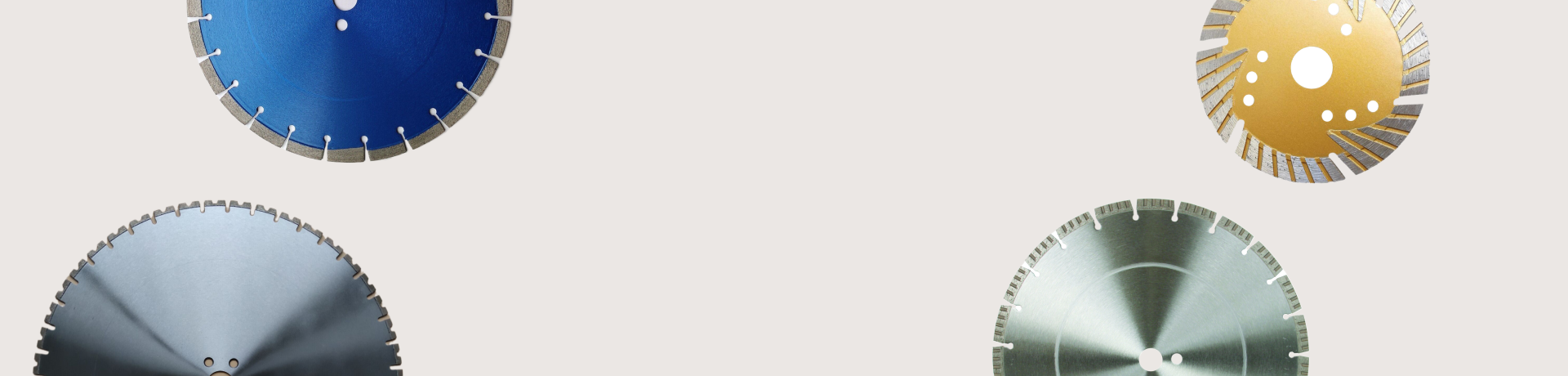
Finally, Segment Configuration plays a role. Segments are sections of the wheel containing the diamonds and bonding material. The arrangement of these segments—continuous rim, segmented, or turbo—affects the cutting efficiency and the type of material the wheel is best suited for. Careful consideration of these factors is vital for selecting the optimal diamond blade cut off wheel for a specific application.
Global Applications and Use Cases
Diamond blade cut off wheels are deployed globally in a remarkably diverse range of applications. In the construction industry, they are essential for cutting concrete slabs, rebar, and asphalt during road construction, building demolition, and infrastructure repairs. Landscapers rely on them for shaping pavers, curbing, and natural stone features.
Emergency responders utilize these wheels for cutting through concrete and metal during rescue operations, creating access points in collapsed structures. Metalworkers employ them for precision cutting of steel, stainless steel, and other alloys. In post-disaster relief operations, their ability to quickly cut through debris is invaluable.
From remote industrial zones in Australia mining operations to urban construction sites in Europe, the reliance on diamond blade cut off wheels is constant. In regions experiencing rapid urbanization like Southeast Asia, the demand is particularly high, driving innovation and efficiency in cutting technologies.
Diamond Blade Cut Off Wheel Performance Comparison
Advantages and Long-Term Value
The advantages of using a diamond blade cut off wheel extend far beyond simple cutting efficiency. The precision offered minimizes material waste, reducing project costs and environmental impact. The cleaner cuts require less finishing work, saving time and labor. Furthermore, the durability of diamond blades means fewer blade changes, enhancing productivity and reducing downtime.
Investing in high-quality diamond blade cut off wheel provides long-term value through reduced operating costs, improved safety, and enhanced project quality. The enhanced safety features protect workers from potential hazards associated with traditional cutting methods, while the consistent, reliable performance builds trust and confidence.
Future Trends and Innovations
The future of diamond blade cut off wheel technology is focused on enhancing efficiency, sustainability, and automation. Research is underway to develop new bonding materials that extend blade life and improve cutting performance. Dry-cutting technology, minimizing water usage, is gaining prominence due to environmental concerns.
Integration with robotic cutting systems and automated machinery is also a growing trend, enabling faster, more precise, and safer cutting operations. Advancements in diamond synthesis are leading to the creation of more consistent and higher-quality diamonds, further enhancing blade performance.
Challenges and Solutions
Despite their numerous advantages, diamond blade cut off wheels face certain challenges. Dust control remains a significant concern, requiring the use of dust collection systems and proper respiratory protection. Blade wear and maintenance are also critical aspects, requiring regular inspection and potential re-sharpening or replacement.
To address these challenges, manufacturers are developing blades with improved dust suppression features and exploring new technologies for blade re-sharpening. Implementing comprehensive safety training programs for operators and providing access to reliable maintenance resources are also essential. Proper blade selection, based on the material being cut and the application requirements, is paramount for maximizing performance and minimizing downtime.
Careful consideration of these factors ensures the diamond blade cut off wheel remains a safe and effective tool for professionals and DIY enthusiasts alike.
Diamond Blade Cut Off Wheel Performance Evaluation
| Blade Type |
Material Cut |
Cutting Speed (Scale 1-10) |
Blade Life (Hours) |
| Continuous Rim |
Porcelain Tile |
9 |
15 |
| Segmented |
Concrete |
8 |
20 |
| Turbo |
Asphalt |
7 |
12 |
| Dry Cutting |
Brick |
6 |
10 |
| Wet Cutting |
Granite |
10 |
25 |
| Universal |
Multi-Material |
7 |
18 |
FAQS
Selecting the right blade for concrete depends on the type of concrete and the cutting application. For general concrete cutting, a segmented blade is suitable. For harder concrete, a blade with a higher diamond concentration is recommended. Consider whether you need a wet or dry cutting blade based on the availability of water and dust control measures. Choosing the right grit size is also important; coarser grits cut faster, while finer grits produce smoother finishes.
The lifespan of a diamond blade varies depending on the material cut, cutting frequency, and blade quality. Inspect the blade regularly for worn or missing segments. If you notice a significant decrease in cutting speed or an increase in cutting resistance, it's time to replace the blade. Typically, blades will last anywhere from a few hours to several days of continuous use.
Safety is paramount. Always wear safety glasses, a dust mask, and hearing protection. Ensure the workpiece is securely clamped. Use a proper dust collection system. Never exceed the maximum RPM rating of the blade. Inspect the blade for damage before each use. Follow the manufacturer’s instructions carefully and receive proper training before operating the equipment.
Generally, no. Dry cutting blades are not designed to be used with water, as the water can cause the bonding material to deteriorate, leading to premature blade failure. Wet cutting blades, on the other hand, are designed to be used with water to cool the blade and suppress dust. Always use the blade type recommended for your application.
Segmented blades have gaps between the diamond segments, making them ideal for faster cutting of abrasive materials like concrete and asphalt. They are less precise but more efficient for rough cutting. Continuous rim blades have a solid rim of diamonds, offering cleaner, more precise cuts, suitable for harder materials like tile and stone. They are slower but provide a superior finish.
Store your diamond blade in a dry, clean environment, protected from moisture and physical damage. It’s best to store it in its original packaging or a blade protector. Avoid dropping the blade or subjecting it to harsh impacts. Proper storage helps to maintain the blade's integrity and prolong its lifespan.
Conclusion
Diamond blade cut off wheels are indispensable tools driving innovation and efficiency across countless industries. Their ability to precisely and effectively cut through hard materials, combined with their durability and versatility, makes them invaluable for construction, emergency response, landscaping, and numerous other applications. Understanding the core components, appropriate usage, and evolving technologies is crucial for maximizing their benefits.
Looking ahead, continued advancements in materials science, automation, and sustainability will further enhance the performance and value of diamond blade cut off wheels. Investing in quality blades, prioritizing safety, and staying informed about new technologies will ensure that professionals and DIY enthusiasts alike can harness the full potential of these essential tools. For all your diamond blade needs, visit our website: www.mydiamondblade.com.










.png )