
Procuring a diamond tool for granite requires balancing immediate acquisition costs against long-term operational efficiency. Many contractors focus solely on the initial granite blade price, yet the true expense is measured in the cost-per-cut and the frequency of blade replacement.
In the abrasive environment of stone fabrication, the interaction between the diamond bond and the specific mineral hardness of the granite determines how quickly a tool wears down. Selecting a blade that is too hard for the material can lead to "glazing," while a bond that is too soft will erode prematurely, drastically increasing the total cost of ownership.
This guide examines the technical variables that influence pricing, the relationship between bond hardness and material density, and how to evaluate professional-grade tools to ensure maximum ROI on every project.


Market pricing for granite tools is rarely about the raw material cost alone. Instead, it reflects the precision of the sintering process and the quality of the industrial diamonds used. A lower upfront cost often indicates a less stable bond or lower-grade diamond crystals, which leads to increased downtime and slower cutting speeds.
Professional operators prioritize stability. For instance, Mingye Tools focuses on one-by-one inspection using professional machinery to ensure that the performance remains consistent across large batches, reducing the risk of unexpected blade failure during critical project phases.
The value of a cutting tool is rooted in its segment architecture. In diamond tools, the segment consists of diamond abrasive particles held together by a metal bond. The chemistry of this bond—typically a blend of cobalt, iron, or nickel—determines how the tool wears. High-value blades use a precise mixture that allows the bond to erode at the same rate as the diamonds dull, continuously exposing new, sharp crystals.
Another critical factor is the manufacturing experience. The process of sintering diamond segments requires strict temperature and pressure control to avoid internal stresses that cause premature cracking. Experience in manufacturing for over 20 years allows for the optimization of these parameters, resulting in tools that can handle the high friction of granite without overheating.
Finally, the physical design of the segment—such as the shape of the diamond embedded edge—affects the chip removal rate. Efficient chip evacuation prevents the "loading" of the blade, which preserves the cutting speed and reduces the energy consumption of the machinery.
One of the most common errors in tool selection is choosing a "hard" blade for every hard material. In the world of diamond tools, the relationship is often inverse: harder materials like granite often require a softer metal bond to ensure the tool remains self-sharpening.
To maximize cutting efficiency in hard granite, a softer bond is recommended so that the metallic powder wears away quickly, releasing dull diamond crystals and exposing new abrasive edges.
Conversely, when working with softer, more abrasive materials like certain types of concrete or soft sandstone, a harder bond is necessary. A soft bond in a soft material would erode too quickly, consuming the diamond segments without delivering significant cutting depth, thereby inflating the operational cost.
Evaluating a tool's performance requires looking beyond the purchase price and analyzing the relationship between tool lifespan and material removal rate. A high-performance tool may cost more initially but reduces the frequency of tool changes and the likelihood of surface burns or cracks on the workpiece.
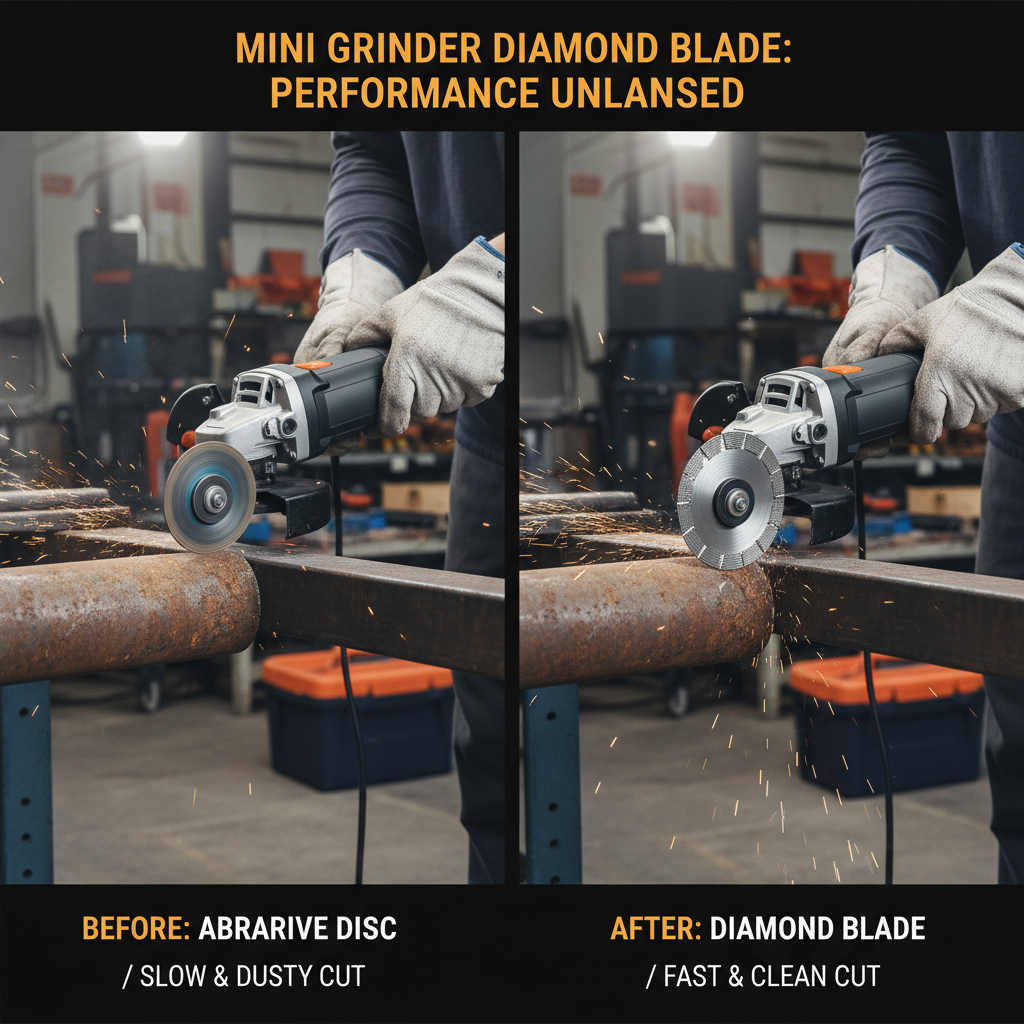
By analyzing the friction coefficient and grinding force, operators can determine the efficiency of a cup wheel or blade. Low friction not only protects the workpiece but also reduces the wear on the handheld equipment, extending the overall life of the machinery.
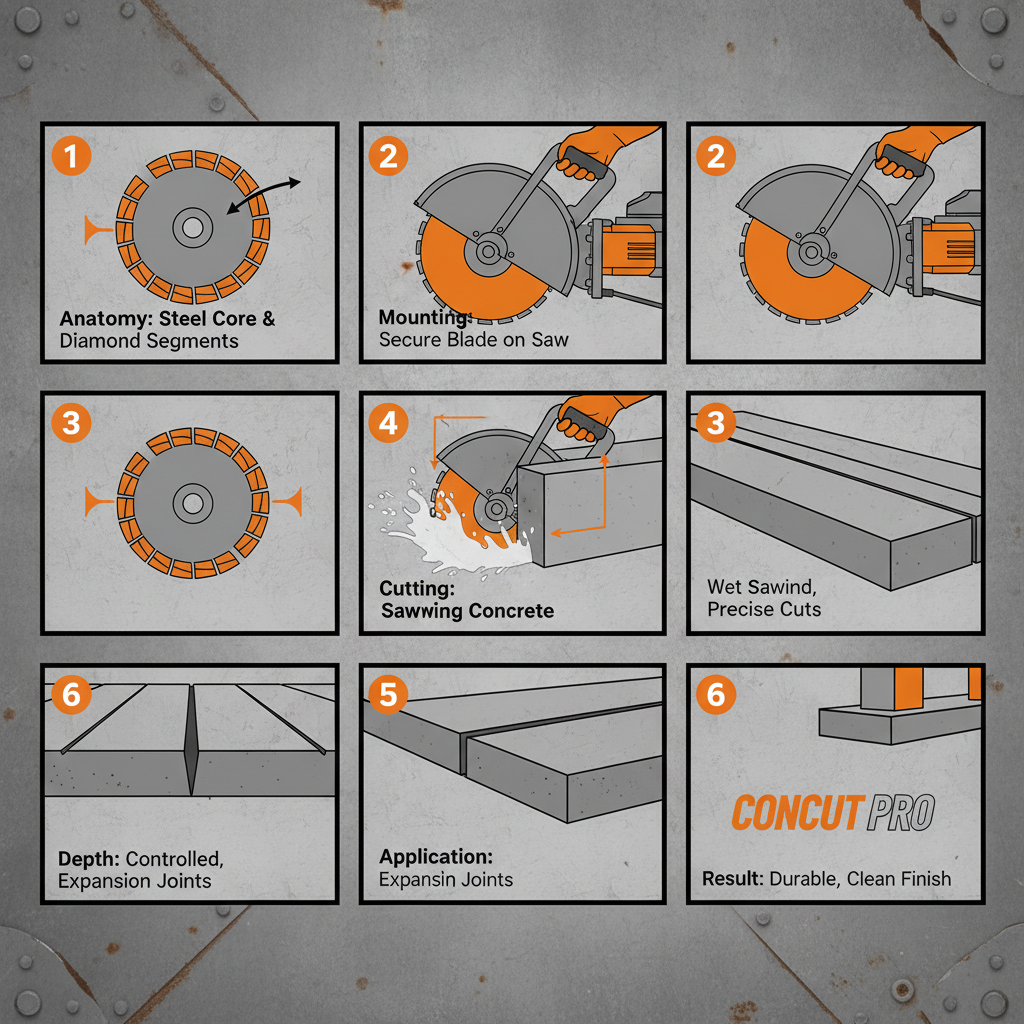
In professional floor preparation, the application of diamond single row cup wheels varies significantly between concrete repairs and granite resizing. When creating expansion joints or removing damaged sections of a road surface, the tool is subjected to extreme lateral pressure. This requires a segment shape specifically designed for active jobs to maintain precision without inducing vibration.
For infrastructure projects, such as installing drainage systems or cable trenches, the tool must handle reinforced materials. In these cases, blades with a harder bond are deployed to resist the abrasion of steel reinforcements and dense aggregates, ensuring the cut remains straight and the tool doesn't wear out mid-trench.
The industry is shifting toward a "total system" approach to cutting. Instead of looking at the blade as a standalone component, professionals now consider the synergy between the tool, the machine connector, and the cooling method. This transition is driven by the need for higher precision in high-end architectural granite work.
Environmental and labor standards are also influencing tool design. Modern tools are engineered to generate less heat during the grinding process, which not only protects the workpiece from cracks but also improves the operator's environment by reducing dust and noise pollution.
As global markets in Europe and Southeast Asia demand more specialized finishes, the development of vacuum brazing tools and PCD grinding tools is filling the gap for applications that require an even higher degree of precision than traditional sintered diamonds can provide.
Choosing the right tool requires a systematic evaluation of the material properties against the bond characteristics. A mistake in this phase leads to either a tool that "burns" (too hard) or a tool that "melts" (too soft), both of which increase the effective granite blade price per square meter of work.
Decision-makers should assess the frequency of use and the required finish quality. For rough flattening and aggregate exposure, a single-row cup wheel is ideal. For precise resizing and fine edges, a dedicated diamond cutting blade with a calibrated bond is necessary.
The following framework provides a relative assessment of how different bond types perform across various material densities, aiding in the selection of the most cost-effective tool for a given scenario.
| Material Type | Recommended Bond | Cutting Speed | Wear Rate |
|---|---|---|---|
| Hard Granite | Soft Bond | High | Moderate |
| Medium Stone | Medium Bond | Moderate | Low |
| Soft Concrete | Hard Bond | Moderate | Low |
| Reinforced Concrete | Hard Bond | Low | Moderate |
| Roof Tiles | Medium Bond | High | Moderate |
| Hard Brick | Soft Bond | High | Moderate |
The primary drivers are the grade of industrial diamonds and the precision of the metal bond sintering. Professional blades use a more consistent diamond distribution and a chemically engineered bond that ensures the tool remains self-sharpening. Economy blades often use lower-grade abrasives and unstable bonds, which may seem cheaper initially but result in slower cutting speeds and more frequent replacements, increasing the total project cost.
In hard materials, diamond crystals dull quickly. A soft metal bond is designed to wear away at a rate that matches the dulling of the diamonds. As the bond erodes, it exposes new, sharp diamond crystals. If a hard bond is used on hard granite, the bond doesn't wear away, the dull diamonds remain on the surface, and the blade "glazes," leading to a complete loss of cutting efficiency and excessive heat buildup.
Glazing is identified when the cutting speed drops significantly, the tool begins to create more heat than usual, and the surface of the diamond segment appears shiny or smooth rather than gritty. This typically happens when the bond is too hard for the material being ground. To resolve this, you can either switch to a softer bond tool or "dress" the blade by grinding it against a harder abrasive material to strip the glazed layer.
Segment shape determines how the tool handles debris (chips) and how the force is distributed. Exclusive segment designs, such as those found in professional single-row cup wheels, are optimized for active debris removal. This prevents the tool from clogging, reduces friction, and allows for a smoother "handhold feeling" for the operator, which is critical for maintaining precision during long periods of floor flattening or concrete repair.
While some "general purpose" blades exist, they are rarely optimal for either. Granite and concrete have different abrasive properties and densities. Using a concrete-optimized blade (hard bond) on granite will likely lead to glazing, while a granite-optimized blade (soft bond) will wear out far too quickly on abrasive concrete. For professional results and cost-efficiency, it is always recommended to use material-specific tools.
A low friction coefficient reduces the grinding force required to remove material. This translates to less heat generation, which protects the workpiece from thermal cracking and reduces the load on the motor of the handheld grinder or industrial machine. Over time, this decreases the wear and tear on the equipment's bearings and brushes, lowering maintenance costs and reducing energy consumption during high-volume operations.
The true cost of a diamond tool is not found in the purchase price, but in its ability to maintain a consistent cutting rate over the life of the segment. By understanding the critical relationship between bond hardness and material density, operators can avoid the common pitfalls of glazing and premature wear.
Investing in tools that undergo rigorous individual inspection and are backed by decades of manufacturing experience ensures that every cut is smoother and every project is more efficient. Whether managing a large-scale infrastructure project or high-end stone fabrication, selecting a tool based on technical suitability rather than initial price is the only way to optimize operational ROI.



Address
No.30 Gaoying Road ,Chang'an District,Shijiazhuang,Hebei Province
Business Hours
Mon to Saturday : 8.00 am - 7.00 pm
Sunday & Holidays : Closed






.png )