
Asphalt Cutting Blade: Essential Tool for Road Construction & Maintenance
Understanding the Asphalt Cutting Blade: Essential Tool for Modern Infrastructure
At first glance, an asphalt cutting blade might seem like a simple, almost mundane piece of hardware. Yet this tool plays a vital, often underappreciated role in the ongoing maintenance and expansion of global infrastructure. From highways weaving through bustling cities to the quiet roads connecting rural communities, the efficiency and durability of asphalt cutting blades underlie the very foundation of reliable transport networks worldwide.
Why does it matter on a global scale? Well, consider that the World Bank estimates nearly 60% of international freight moves by road, making the health of asphalt pavements crucial for economic growth and accessibility. Cut or improperly maintained roads can bottleneck this flow, resulting in costly delays and safety hazards. This is where the humble asphalt cutting blade becomes invaluable.
Global Context: Asphalt Cutting Blade’s Role in Modern Industry
Globally, road networks are expanding rapidly, with more than 64 million kilometers of paved roads as of recent counts. According to the International Organization for Standardization (ISO), the standards governing the quality and safety of road materials directly impact construction tools, including cutting blades. Efficient cutting blades address the challenge of rapid, clean cuts on tough asphalt surfaces, enabling faster repairs and construction cycles.
In disaster relief scenarios, for instance, cleaving through damaged asphalt quickly restores vital access routes. Without reliable cutting tools, teams could face dangerously prolonged work days, impeding humanitarian efforts. So the cutting blade hardly feels minor—it is a linchpin in road safety and emergency readiness alike.
What Is an Asphalt Cutting Blade?
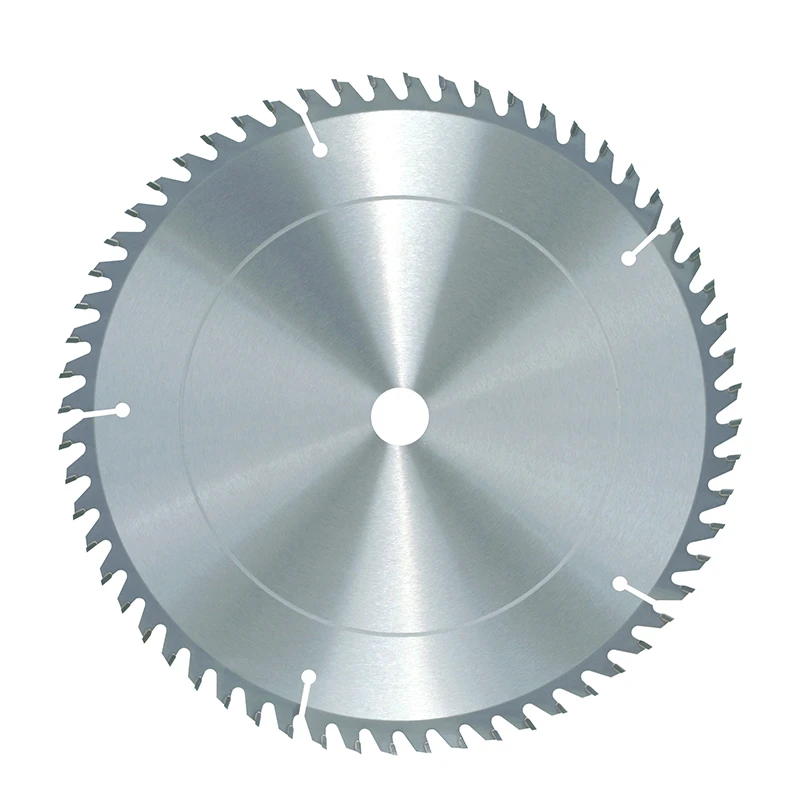
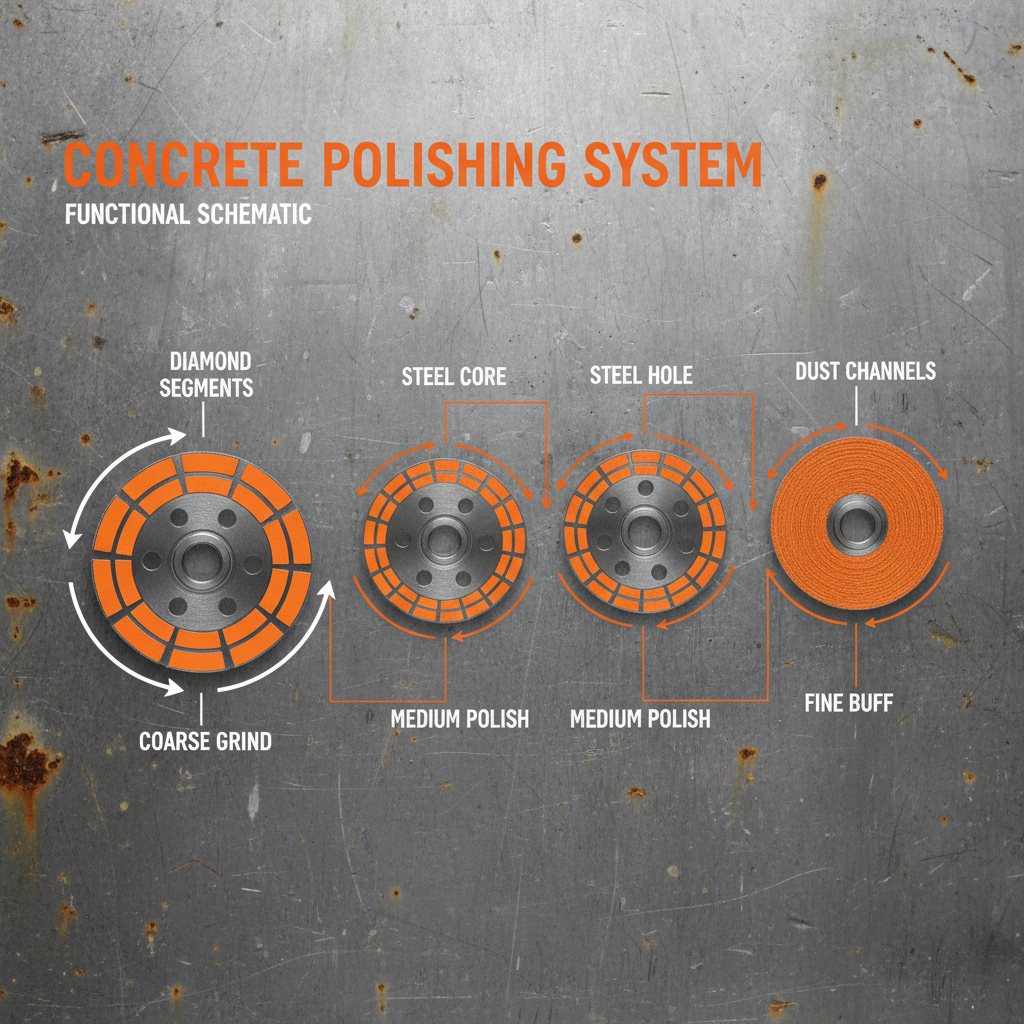
Simply put, an asphalt cutting blade is a specialized circular saw blade designed for slicing through asphalt pavements. Unlike ordinary blades, these are engineered with embedded diamond segments or other hard materials that grind through asphalt efficiently without overheating or dulling prematurely.
Connecting to modern industry, these blades support tasks such as road repair, trenching for utilities, and construction groundwork. In humanitarian aid or urban development, asphalt cutting blades facilitate quick, precise jobs that keep essential services running smoothly. It’s a classic “invisible enabler” you rely on but rarely notice.
Key Features of Asphalt Cutting Blades
Durability
Built to withstand intense friction and abrasive surfaces, durable blades maintain sharpness over prolonged use. They reduce downtime since frequent blade replacements are costly and inefficient.
Cutting Speed
Fast, clean cuts minimize labor time and allow crews to move on to other tasks quickly. Blades designed to cut smoothly reduce vibrations and stress on machinery, enhancing operator comfort and safety.
Material Compatibility
While focused on asphalt, some blades are versatile—able to handle concrete or composite materials. This adaptability extends tool usefulness on mixed-material sites.
Heat Resistance
Friction generates heat, risking blade warping or dulling. Quality blades incorporate cooling segment designs to disperse heat effectively.
Cost Efficiency
It might be tempting to buy cheap blades, but their short lifespan and performance issues increase long-term costs. Investing in well-engineered blades often saves money by reducing replacements and repairs.
Product Specification Example
| Specification | Detail |
|---|---|
| Blade Diameter | 14 inches (355 mm) |
| Segment Height | 12 mm |
| Max RPM | 5,400 rpm |
| Core Material | Steel with laser-welded diamond segments |
| Weight | 1.2 kg |
Global Applications and Use Cases
The reach of asphalt cutting blades spans continents and sectors. In North America and Europe, they're key to highway maintenance and urban road upgrades, reducing disruption and increasing lifespan of assets. In Asia and Africa, where road infrastructures are rapidly expanding, these blades help local contractors build roads connecting remote regions to vital markets.
Take post-disaster relief efforts in earthquake-prone regions: rapid clearing and repair of roadways require efficient equipment. Blades that can quickly cut through cracked or crumbled asphalt enable responders to deliver aid faster. Similarly, remote industrial zones extracting natural resources rely on these tools to build and maintain durable access routes under harsh conditions.
Mini Takeaway:
- Asphalt cutting blades power vital infrastructure efforts — from everyday road repairs to urgent disaster response.
- They enable faster project completion, reduce labor costs, and enhance safety.
Advantages and Long-Term Value
- Cost Savings: High-quality blades minimize replacements and increase overall project efficiency.
- Sustainability: Durable blades reduce waste and support sustainable construction practices.
- Safety: Clean cuts lower risk of accidents and improve worksite conditions.
- Reliability: Consistent blade performance fosters trust between contractors and clients.
- Innovation: Modern blades incorporating diamond segments represent cutting-edge materials engineering.
Beyond cold numbers, it’s worth noting the emotional impact: working with reliable tools eases the stress of tight deadlines and unpredictable conditions. When a blade performs as expected, it builds quiet confidence among crews — something many engineers and foremen affirm makes all the difference on demanding jobsites.
Future Trends and Innovations
Looking ahead, the asphalt cutting blade sector is ripe for innovation. Manufacturers are experimenting with laser-welded diamond technology to improve segment retention and heat dispersion. Some companies are integrating IoT sensors into blades for predictive maintenance — odd to think about, but promising for reducing unexpected downtime.
From an environmental perspective, there’s growing interest in using recycled materials within blade cores or segments to lower carbon footprints. Plus, automation trends in construction equipment hint at blades optimized for robotic cutters — enabling even more precision and speed.
Challenges and Solutions
Of course, no tool is perfect. Asphalt cutting blades can suffer from premature segment loss, overheating, and incompatibility with certain asphalt mixes. Variations in asphalt composition globally mean a blade great in one country might underperform elsewhere.
Experts suggest site-specific blade selection is vital. Consulting with manufacturers, testing blades under local conditions, and adopting blades designed for multi-material versatility can help. Also, better operator training reduces mistakes that otherwise shorten blade life.
Vendor Comparison Table
| Vendor | Blade Technology | Typical Applications | Price Range | Warranty |
|---|---|---|---|---|
| DiamondCut Inc. | Laser-welded diamond segments | Road repairs, heavy industrial cutting | $80–$140 | 12 months |
| RoadMaster Tools | Segmented turbo design | Urban roadworks, utilities installation | $50–$100 | 6 months |
| CutPro Gear | Recycled diamond composite | Eco-focused projects, light repairs | $70–$120 | 9 months |
Frequently Asked Questions About Asphalt Cutting Blades
1. How do I choose the right asphalt cutting blade for my project?
Consider the blade diameter, segment type, and intended material. Match blade hardness and segment design to your asphalt composition and thickness. Consult manufacturers’ specs and ideally test blades on-site.
2. Can asphalt cutting blades be reused after a project?
With proper care, yes — diamond blades often allow multiple uses until segments wear down. Regular inspection and cleaning prolong lifespan.
3. What's the difference between blades for asphalt and concrete?
While similar, asphalt blades focus on cutting softer, more flexible pavement, usually featuring segmented rims for better heat dispersion. Concrete blades tend to have continuous rims optimized for harder materials.
4. How essential is blade maintenance?
Very. Dulling or damaged segments reduce cutting efficiency and increase risk of accidents. Sharpen or replace blades as recommended based on usage.
5. Are there eco-friendly asphalt cutting blade options?
Yes. Some vendors offer blades with recycled materials or designs that minimize dust and emissions during cutting. It’s worth specifying this if sustainability is a priority.
Conclusion: The Long-Term Impact of Choosing the Right Asphalt Cutting Blade
To sum up, the humble asphalt cutting blade—often overlooked—anchors the smooth operation of countless infrastructure projects worldwide. It’s not just a tool; it’s a strategic investment in safety, efficiency, and sustainability. For businesses and contractors aiming for excellence, selecting a high-quality blade pays back in fewer delays, reduced costs, and safer worksites.
Ready to optimize your asphalt cutting needs? Visit https://www.mydiamondblade.com and explore our wide range of professional blades tailored for your toughest jobs.
It’s funny how a small round blade can hold so much weight beneath its edges — much like the roads it helps shape.
- World Bank – Road freight statistics: https://data.worldbank.org/indicator/IS.RRS.GOOD.MT.CD
- ISO Standards for road materials and tools: https://www.iso.org/standard/61427.html
- Diamond blade cutting technology review – Engineering Materials Journal, 2022
Related Products

Related Products





Address
No.30 Gaoying Road ,Chang'an District,Shijiazhuang,Hebei Province
Business Hours
Mon to Saturday : 8.00 am - 7.00 pm
Sunday & Holidays : Closed
.png )