
Comprehensive Guide to Asphalt Blade: Features, Uses and Innovations
Everything You Need to Know About Asphalt Blade
When you first hear the term asphalt blade, it might sound niche or technical—but these tools play a surprisingly crucial role in road construction and maintenance worldwide. Across continents, safe and efficient infrastructure depends on sharp, reliable blades that cut through tough, dense asphalt. Understanding what an asphalt blade is, its capabilities, and its evolving technologies can help construction pros, engineers, and even curious minds appreciate the complexity behind smooth roads and safer travel. Plus, choosing the right blade can save time, money, and frustration on any job site.
Introduction: Why Asphalt Blades Matter Globally
Look at the numbers: the World Bank estimates that over 40 million kilometers of paved roads exist worldwide, with asphalt constituting roughly 90% of all paved surfaces in countries like the United States and China. Maintaining these roads requires cutting, repairing, or removing asphalt surfaces efficiently. That’s where the asphalt blade becomes essential—industrial saw blades specifically engineered to slice through hardened asphalt layers. A well-designed blade affects how quickly patches get done, how clean the cuts are, and how much equipment wear-and-tear occurs. For rapidly urbanizing regions in Asia, Africa, and Latin America focused on expanding road networks, this tool supports critical infrastructure development on a massive scale.
But simply having any blade won’t do the trick. The challenge? Asphalt is a composite mixture of coarse aggregates and bitumen, which means blades need special segments and durability to prevent excessive heat and avoid premature wear. This is an ongoing engineering puzzle with real economic and safety implications.
What Is an Asphalt Blade?
Put simply, an asphalt blade is a circular saw blade designed specifically for cutting through asphalt pavements and road surfaces. Unlike standard diamond blades used for stone or concrete, asphalt blades have segments optimized for softer but abrasive materials. They often feature a combination of diamond grit and metallic compounds tailored to handle bitumen’s sticky nature. This makes them indispensable for anything from routine road repairs and trench work to cutting expansion joints or removing damaged highway lanes.
In modern construction, an asphalt blade is more than just a tool. It is a solution aligned with the humanitarian needs of rapid post-disaster recovery and urban expansion. For example, after storms or earthquakes, quick asphalt repair ensures reopening key transport routes—helping communities regain access to essential services.
Core Features of Asphalt Blades
1. Durability
Due to the abrasive nature of aggregate and the toughness of hardened bitumen, a quality asphalt blade must resist wear and maintain its cutting edge over extended periods. This means materials used for the blade core and cutting segments need high-grade steel alloys and advanced bonding technologies.
2. Cutting Speed
Efficiency on the job site is critical. A good asphalt blade cuts quickly through layers without overheating, which would degrade the blade or damage the asphalt edges. Speed influences overall project timelines—and budgets.
3. Heat Resistance
Cutting asphalt tends to generate substantial friction and heat. Blades are often designed with ventilation slots and segment designs that dissipate heat and reduce the risk of warping or loss of diamond grit.
4. Segment Design and Shape
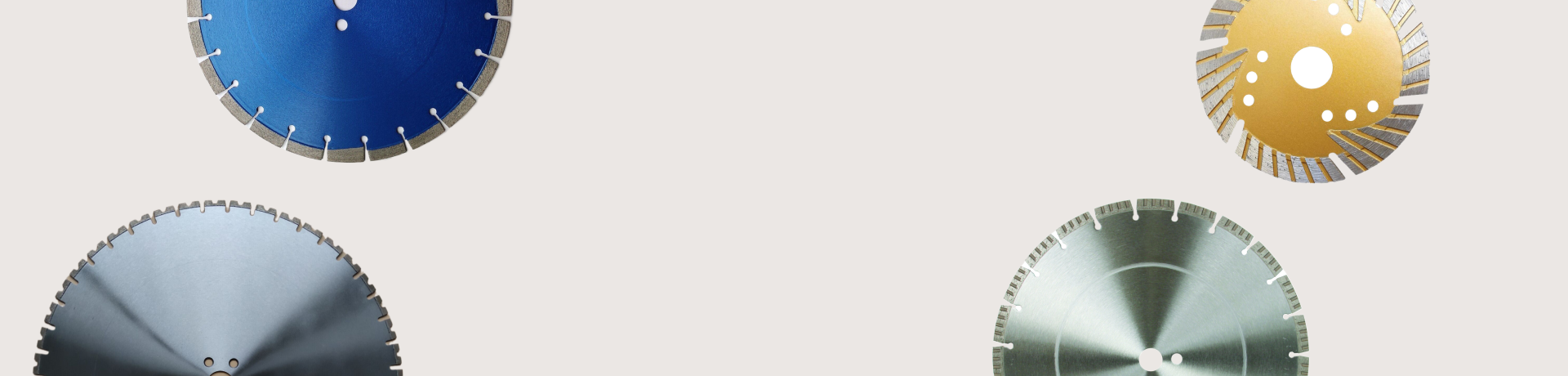
Many blades have turbo, continuous rim, or segmented rim patterns optimized for specific cut types—clean, dry cuts or fast and rough ones. Segment height and thickness also vary depending on intended use.
5. Compatibility
Not all asphalt blades fit every saw or cutter. Knowing compatibility with equipment, such as handheld cut-off saws or large walk-behind saws, can save downtime.
Asphalt Blade Specifications at a Glance
| Specification | Typical Values | Impact |
|---|---|---|
| Diameter | 12", 14", 16", 18" | Fits various power saws |
| Segment Type | Turbo, Segmented Rim | Optimizes cut speed vs. smoothness |
| Bond Material | Metallic, Semi-metallic | Controls blade lifespan & wear |
| Max RPM | 4,200 - 6,000 RPM | Ensures safe operation |
| Cut Type | Wet & Dry | Versatility in usage scenarios |
Global Applications and Use Cases
Across North America and Europe, municipal crews use asphalt blades routinely for repairing highways, cutting access trenches for utilities, or resurfacing urban roads. Meanwhile, in parts of Africa and Asia, blades serve large infrastructure projects funded by international agencies focusing on improving rural connectivity. Oddly enough, in some post-disaster scenarios, rapid cutting and removal of asphalt enable quicker clearance and restoration of vital emergency routes.
Industrial zones benefit too, where constant road maintenance minimizes downtime for heavy trucks and delivery vehicles. This requires blades that deliver fast, clean cuts to reduce secondary repair work. Organizations like the UN Office for Disaster Risk Reduction highlight infrastructure recovery as an important facet of resilience, so quality tools paired with skilled workers make a big difference.
How Asphalt Blades Stack Up: Vendor Comparison
| Feature | Vendor A | Vendor B | Vendor C |
|---|---|---|---|
| Typical Cost | $150 - $200 | $135 - $180 | $175 - $225 |
| Warranty | 1 Year Limited | 6 Months | 2 Years Limited |
| Segment Height | 10 mm | 8 mm | 12 mm |
| Recommended For | Heavy-duty highway cuts | Small utility and patch work | Mixed urban and rural projects |
| Heat Dissipation | Excellent (vented design) | Moderate | Good |
Advantages and Long-Term Value of Asphalt Blades
Choosing the right blade isn’t just about the upfront cost. Think about the patchwork of roads millions of drivers rely on daily—well-maintained surfaces mean fewer accidents and smoother rides. An asphalt blade that lasts longer and cuts reliably directly reduces labor hours, machine downtime, and material waste. It’s a smart investment in reliability and safety—plus it reflects on project managers and crews who take pride in quality work.
Moreover, there’s an environmental edge: blades that cut efficiently often reduce dust and the need for repeated cutting passes, which conserves energy and lowers emissions at work sites. In the bigger picture, better infrastructure supports local economies and sustainable development goals outlined by global organizations like the UN.
Emerging Trends in Asphalt Blade Technology
Just as highways evolve, so do the tools that maintain them. Innovations include blades incorporating recycled industrial materials in their segments, reflecting a move toward circular economy principles. Digital monitoring devices attached to saws track blade wear in real time, signaling when to replace or service the blade before a breakdown occurs.
Automation is making a tentative entrance, too. Robotic road maintenance machines coupled with advanced blades promise to increase safety by reducing heavy manual labor. And yes—you might soon see greener "eco blades" that cut cleaner with fewer emissions from saw motors and dust suppression systems integrated into the blades themselves.
Common Challenges and How to Overcome Them
One persistent problem involves managing heat buildup during cutting, which can cause blades to warp or undesirable bitumen melting, resulting in jagged edges. Operators often mitigate this by using wet cutting methods—but that isn't always practical in all climates or job sites.
Choosing the right segment design according to the asphalt type and thickness minimizes this issue. Additionally, some blades now come pre-treated with coatings that enhance heat resistance. Regular maintenance, such as checking for blade damage or mounting accuracy, reduces wear inconsistencies.
FAQ: Frequently Asked Questions About Asphalt Blades
- What is the difference between an asphalt blade and a general-purpose diamond blade?
Asphalt blades have a segment bond and diamond grit optimized for cutting bitumen-rich, abrasive materials like asphalt, which differs from the density and abrasiveness of concrete or stone that general-purpose blades tackle. - Can asphalt blades be used for concrete cutting?
They can, but it’s not ideal. Asphalt blades focus on softer surfaces and may wear too quickly on harder concrete, leading to reduced lifespan and efficiency. - How often should asphalt blades be replaced?
It depends on usage intensity, but typically after 20-50 hours of cutting, or when you notice decreased cutting speed and irregular edges. Monitoring wear and vibration can give clues. - Are wet cuts necessary when using asphalt blades?
Wet cutting helps reduce dust and heat buildup, extending blade life and improving cut quality. However, dry cutting is possible with some blade designs and in certain environments. - How do I select the right size blade for my saw?
Always refer to your saw manufacturer’s specifications. Common sizes range from 12" to 18" diameter, balancing cutting depth with saw power.
Conclusion: The Road Ahead with Asphalt Blades
In real terms, an asphalt blade is a cornerstone piece of equipment that quietly but decisively affects the quality and speed of modern infrastructure projects worldwide. Its design, durability, and efficiency ripple out to affect safety, costs, and the smooth functioning of transport networks. As technologies and global needs evolve, staying informed about the best blades for the job keeps you ahead of the curve.
Curious to explore the latest asphalt blades and find your perfect match? Visit our website: asphalt blade.
Mini takeaway: Choosing the right asphalt blade is not just a technical decision but a strategic one, impacting performance, safety, and sustainability.
References
Related Products
Related Products





Address
No.30 Gaoying Road ,Chang'an District,Shijiazhuang,Hebei Province
Business Hours
Mon to Saturday : 8.00 am - 7.00 pm
Sunday & Holidays : Closed
.png )