Can You Cut Porcelain Tile with a Diamond Blade? Complete Guide & Tips
Can You Cut Porcelain Tile With a Diamond Blade? Exploring the How and Why
If you've ever handled porcelain tile installation or renovation, you might have stumbled on a question that’s nearly universal among DIY enthusiasts and professionals alike: can you cut porcelain tile with a diamond blade? This isn’t just a quip for the curious but a practical consideration with global resonance—from a home in suburban California to commercial builds across Europe, Asia, and beyond.
Porcelain tile is renowned for its strength, beauty, and longevity, making it a global favorite for flooring, walls, and countertops. However, its hardness also poses challenges when cutting it precisely without chipping or damaging the piece. Understanding if and how diamond blades fit into this process is essential for anyone working with porcelain—or better yet, anyone looking to avoid costly mistakes.
Global Context: Why the Question Matters Worldwide
Tile is a $10+ billion industry globally, with porcelain as a preferred material due to its water resistance and durability. According to the International Ceramic and Porcelain Association, porcelain accounts for a serious chunk of global construction and remodeling projects.
But porcelain’s toughness is a double-edged sword. While it resists wear, moisture, and staining, it also resists cutting and shaping—a big challenge for installers. Diamond blades present a potential solution, but practical questions remain about their effectiveness and longevity. This tension between material and tool highlights an ongoing quest for precision and efficiency in the building sector.
What Does “Cutting Porcelain Tile With a Diamond Blade” Mean?
Simply put, using a diamond blade entails a circular saw blade embedded with industrial diamonds—a material harder than any other on Earth—to slice hard surfaces like porcelain without breaking, cracking, or crumbling them.
This method contrasts with traditional tile cutters or manual tools that often can’t handle porcelain’s density. Diamond blades, therefore, serve as a key enabler for precision work, especially in modern environments prioritizing speed and clean finishes.
Key Factors for Successfully Cutting Porcelain Tiles with Diamond Blades
1. Blade Quality and Type
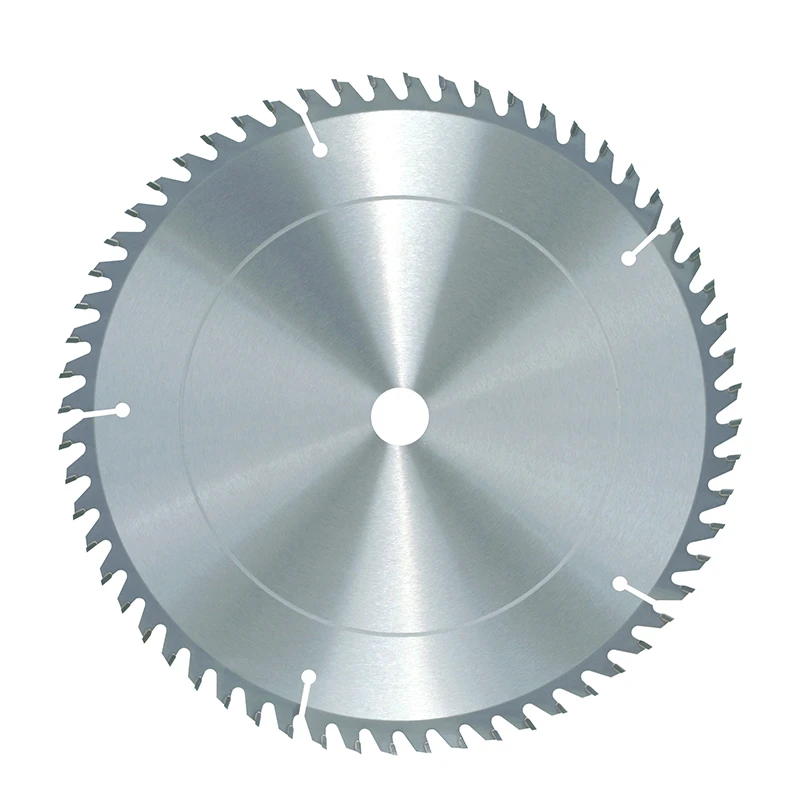
Not all diamond blades are equal. Porcelain requires blades with a continuous rim and high diamond concentration to reduce chipping. A segmented rim might be fine for ceramics or concrete but proves too rough here.
2. Cutting Technique
It’s not just about the blade but how you apply it. Slow steady cutting, plenty of water for cooling (wet cutting), and minimal pressure help maintain a crisp edge without overheating or shattering.
3. Tile Thickness and Density
Porcelain comes in varying thicknesses—commonly 8-12 mm but can be thicker for specialty tiles. Thicker tiles demand more durable blades and sometimes multiple passes.
4. Tool Compatibility
Using the right saw (wet saws usually preferred) and ensuring blade size matches blade guard and saw specifications is critical for safety and control.
Mini Takeaway
So while the short answer to “can you cut porcelain tile with a diamond blade” is a resounding yes, the quality of the blade, appropriate cutting technique, and tooling all combine to determine success.
Porcelain Tile Diamond Blade Specifications (Typical Example)
| Specification | Detail |
|---|---|
| Blade Diameter | 4” to 14” (common sizes) |
| Rim Type | Continuous Turbo Rim for smooth cuts |
| Bond Type | Soft bond for porcelain's density |
| Segment Height | 2.2mm - prioritizes longevity and cut quality |
| Application | Wet cutting of dense porcelain tile |
Vendor Comparison: Diamond Blades for Porcelain Tiles
| Brand | Blade Type | Price (USD) | Durability Rating | Recommended Use |
|---|---|---|---|---|
| Torch Tools | 4.5" Continuous Rim | 35 | 8/10 | Light to medium porcelain cuts |
| Husqvarna | 12" Turbo Rim | 120 | 9/10 | Heavy-duty porcelain & stone |
| Makita | 7" Continuous Rim | 60 | 7.5/10 | Medium porcelain projects |
| Bosch | 10" Turbo Rim | 90 | 8.5/10 | Professional porcelain & tile use |
Durability rating based on user reviews and industry testing reports
How and Where Are Diamond Blades for Porcelain Used Globally?
Oddly enough, this topic touches a surprising range of industries and geographies. In densely urbanized regions like Western Europe and parts of Asia, porcelain tiles are a staple in both residential and commercial construction.
Construction firms rely heavily on diamond blade technology to deliver quick, precise cuts that keep up with demanding schedules. In the Middle East, where large tile slabs are popular, diamond blades help reduce waste significantly.
Even in humanitarian or infrastructure rebuilding efforts—think earthquake reconstruction in Japan or flood recovery housing in Indonesia—fast, clean cuts mean faster installations and thus quicker deliverance of safe, dignified shelter for displaced populations.
Advantages & Long-Term Value of Using Diamond Blades on Porcelain
- Precision & Finish: Diamond blades enable cleaner edges with fewer chips, meaning less rework.
- Speed & Efficiency: Faster cutting means less labor time and lower costs overall.
- Reduced Waste: Accurate cuts mean tiles fit properly reducing discarded pieces, also supporting sustainability.
- Tool Longevity: Quality blades last several projects, offsetting upfront cost.
- Safety: Less breakage reduces dust and flying shards—important on job sites.
Future Trends & Innovations
The diamond blade arena isn’t static. Manufacturers are experimenting with eco-friendly resin bonds and coating technologies that extend blade life and reduce friction.
Automation and digital cutting guides are emerging to help even amateurs make perfect porcelain cuts. Another frontier is sustainability—new blade recycling and energy-efficient manufacturing methods will become mainstream soon, aligning with global green building efforts (ISO standards on environmental management).
Challenges & Smart Solutions
Porcelain’s density sometimes causes blades to wear out faster than expected—frankly, it's a costly annoyance. Coolant water systems mitigate overheating, but not every tool setup supports wet cutting.
Also, improper blade speed or excessive pressure can lead to tile cracks or safety hazards. Professional training and careful tool selection are vital. Many vendors now offer online tutorials or customer support for this reason.
FAQ: Frequently Asked Questions About Cutting Porcelain Tile With Diamond Blades
- Q: Can I use a dry diamond blade to cut porcelain tile?
A: While some dry blades claim suitability, wet cutting is generally recommended to reduce heat and prevent tile cracking. Dry cutting porcelain can increase dust and blade wear. - Q: How often should I replace diamond blades when cutting porcelain?
A: This varies with usage but expect to replace blades after roughly 3–5 average-sized tile jobs to maintain efficiency and safety. - Q: Can handheld angle grinders with diamond blades cut porcelain tiles effectively?
A: Yes, especially for small jobs or trims. Just ensure you use a continuous rim blade and follow wet cutting practices if possible. - Q: Where can I find diamond blades optimized for porcelain?
A: Many specialized suppliers, including can you cut porcelain tile with a diamond blade vendors, stock blades explicitly designed for porcelain’s hardness.
Wrapping Up: Why Knowing About Diamond Blades for Porcelain Matters
To circle back — yes, you absolutely can cut porcelain tile with a diamond blade. Doing so well means choosing the right blade, using proper technique, and respecting porcelain’s unique challenges. It’s a small investment in knowledge that can prevent costly errors, preserve tile aesthetics, and ultimately speed up any installation process.
For hands-on demos, blade options, or expert advice, visit us at https://www.mydiamondblade.com. Making the right cut today saves headaches tomorrow.
In real terms, mastering the nuances of diamond cutting porcelain feels like joining a centuries-old craft—but with modern tech. It’s satisfying, surprisingly nuanced, and admittedly essential for quality finishes.
References
Related Products
Related Products






Address
No.30 Gaoying Road ,Chang'an District,Shijiazhuang,Hebei Province
Business Hours
Mon to Saturday : 8.00 am - 7.00 pm
Sunday & Holidays : Closed
.png )