What Is the Best Blade for Cutting Porcelain? Expert Guide & Tips
What Is the Best Blade for Cutting Porcelain? Understanding the Essentials
Porcelain is everywhere — from elegant tiles and sanitaryware to industrial ceramics. Knowing what is the best blade for cutting porcelain isn’t just about making a clean cut; it’s about preserving material integrity, saving time, and avoiding costly mistakes. Globally, the demand for workable yet delicate materials like porcelain continues to grow. Understanding the right blade can improve productivity and safety in construction, manufacturing, and even restoration. But why exactly does the choice of blade matter so much, and what should you consider to get it right?
Introduction: Why Choosing the Right Porcelain Cutting Blade Matters Worldwide
Porcelain’s strength and delicate surface make it challenging to cut cleanly without chipping or cracking. According to the International Ceramic Federation, global production of porcelain tiles and components surged by nearly 15% in the last five years, driven by growing infrastructure needs and design trends.
However, improper tools lead to waste — estimates suggest up to 30% material loss in some workshops due to unsuitable blades or techniques. It’s a problem that plagues all parts of the world, from large industrial zones in China to artisan studios in Europe. In real terms, that means higher costs and environmental impact. So, the question of “what is the best blade for cutting porcelain” isn’t trivial — it’s a practical concern affecting quality, economics, and sustainability.
Defining the Best Blade for Cutting Porcelain
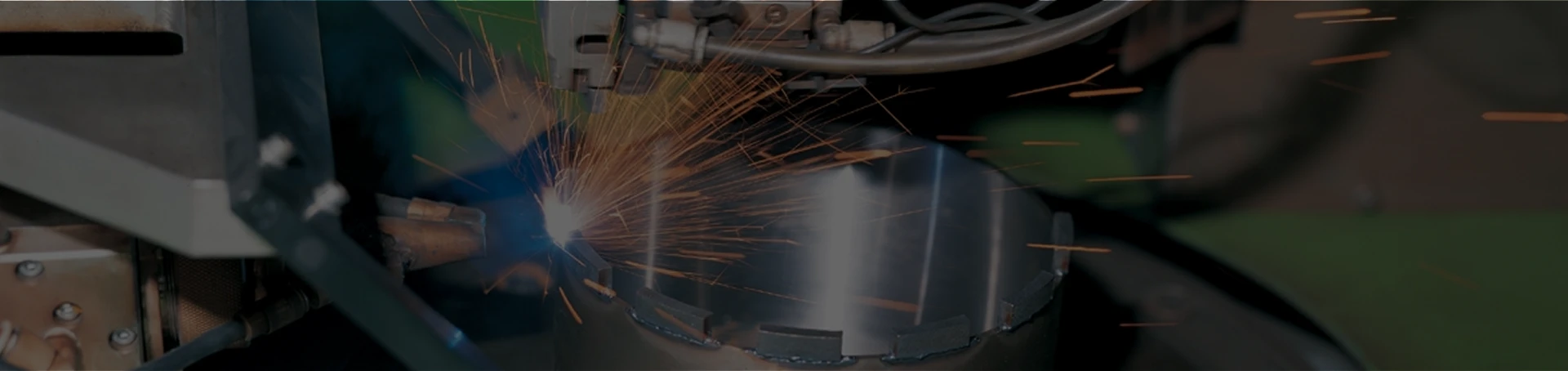
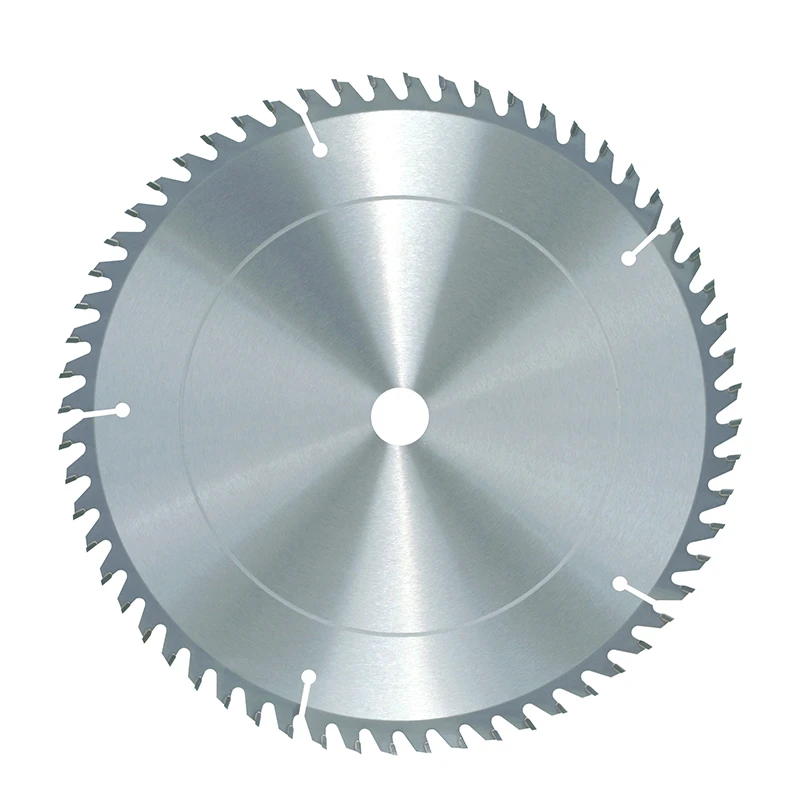
Simply put, the best blade for porcelain cutting is one designed to cleanly slice through porcelain materials without damaging their structure or finish. Usually, these are diamond blades with a thin cutting edge and a segmented or continuous rim to balance cutting precision with heat dissipation.
Diamond’s hardness allows smooth performance on tough ceramic composites; meanwhile, the blade’s design prevents cracking by minimizing vibration and controlled pressure. This finding is crucial not only for modern manufacturing but also for humanitarian projects that require quick, quality installations under strained conditions.
Key Factors to Consider When Choosing a Porcelain Cutting Blade
1. Blade Material & Diamond Quality
Since porcelain is very hard, blades embedded with high-quality synthetic diamonds are essential. Lower-quality diamonds wear down quickly or cause chipping. In practice, blades rated with a high grit size (e.g., 40-60 mesh) promote smoother cuts.
2. Segment Design: Continuous Rim vs. Segmented
Continuous rim blades provide cleaner edges, ideal for delicate porcelain tiles, whereas segmented blades allow faster cutting for thicker, tougher materials but may cause minor chipping — a trade-off depending on the job's finesse level.
3. Blade Diameter and Thickness
Typical blade sizes range from 4” to 14” in diameter depending on the equipment and scale. Thinner blades reduce material loss but might sacrifice durability, so choosing a blade thickness suited to your cutting frequency is wise.
4. Wet vs. Dry Cutting
Wet cutting suppresses dust and cools the blade, extending life and improving accuracy. Dry blades are convenient but risk overheating porcelain edges. Many industry pros prefer wet cutting for high-finish jobs.
5. Compatibility with Cutting Equipment
Ensuring the blade fits your saw type—whether angle grinder, tile saw, or circular saw—is crucial. Using an incompatible blade might cause poor performance or safety hazards.
Mini Takeaway:
Choosing the best blade involves balancing diamond quality, blade design, and application method — each factor influences cut quality, safety, and blade lifespan.
Product Specification Example: Top Porcelain Cutting Blade
| Feature | Specification |
|---|---|
| Blade Diameter | 7 inches (180 mm) |
| Segment Type | Continuous Rim |
| Diamond Grit | 50 mesh synthetic diamond |
| Max RPM | 8500 rpm |
| Wet/Dry Use | Wet preferred; dry possible |
Global Applications & Use Cases
Porcelain cutting blades find use in diverse environments:
- Construction on Urban Projects: In Asia and Europe, precision-cut porcelain tiles are staples in luxury high-rises.
- Restoration and Heritage Sites: In Italy and Spain, artisans use diamond blades to restore fragile porcelain mosaics without damage.
- Industrial Manufacturing: Factories worldwide, from the U.S. to China, rely on diamond blades for mass production of sanitaryware.
- Humanitarian and Emergency Installations: Quick installation of durable porcelain elements in shelters requires blades that ensure minimal waste and downtime.
Mini Takeaway:
From luxury design to emergency relief, the right porcelain-cutting blade enables precise, low-waste work worldwide.
Vendor Comparison: Leading Porcelain Cutting Blade Manufacturers
| Brand | Diamond Quality | Price per Blade | Recommended Use | Warranty |
|---|---|---|---|---|
| UltraCut Pro | Premium synthetic diamond (50 mesh) | $65 | Fine tile and block porcelain | 12 months |
| DiamondEdge | High-quality synthetic diamond (40 mesh) | $55 | Versatile porcelain cutting | 6 months |
| CeramBlade | Mid-grade synthetic diamond (60 mesh) | $45 | Budget commercial tiles | 3 months |
Advantages & Long-Term Value of the Best Blades
Using the right blade isn’t just a matter of precision but also economics and sustainability. High-quality blades:
- Minimize Material Waste: Cuts are cleaner, reducing tile breakage and improving yield.
- Enhance Worker Safety: Reduced chipping lowers dust generation and sudden blade failures.
- Extend Tool Life: Durable diamonds mean fewer blade changes, saving downtime and replacement costs.
- Support Environmental Goals: Less waste and longer tool lifespan reduce the overall carbon footprint.
Emotionally, there’s also the peace of mind knowing your tools won’t let you down, which frankly can make a tough day much easier.
Future Trends & Innovations
The porcelain cutting blade market is evolving rapidly. We’re seeing:
- Eco-Friendly Diamond Synthesis: Advances reduce the energy needed to grow synthetic diamonds.
- Smart Blades with Sensors: Integration of IoT to monitor blade wear and optimize replacement timing.
- Advanced Segment Bonding: New materials improve blade cooling and longevity even during dry cutting.
- Automation: CNC tile cutting machines relying on optimized blades to reduce human error.
Challenges & Practical Solutions
Porcelain blades face challenges like overheating, premature wear, and compatibility issues. Experts recommend:
- Strictly using wet cutting where possible.
- Matching blade specs closely to the porcelain type and thickness.
- Regular blade inspection and maintenance schedules.
Oddly enough, operators often overlook these basics in the rush of daily work, but doing them really pays off.
FAQ: Frequently Asked Questions About What Is the Best Blade for Cutting Porcelain
Q: Can I use a regular tile blade for porcelain?
A: Regular tile blades might cut porcelain but often cause chipping or excessive wear. It’s best to use diamonds specifically designed for porcelain’s hardness and density for clean and durable results.
Q: Is wet cutting always necessary?
A: While wet cutting prolongs blade life and reduces dust, some blades are designed for dry cutting. However, wet cutting is generally recommended for better finish and safety.
Q: How do I know when to replace my porcelain cutting blade?
A: When you notice slower cuts, increased chipping, or visible diamond wear, it’s time to replace the blade to maintain quality and safety.
Q: Are premium blades worth the extra cost?
A: Usually, yes. Higher quality blades cut faster, last longer, and reduce breakage, which saves money over time despite the initial investment.
Q: Where can I find more information about porcelain blades?
A: Trusted industry websites and manufacturers such as what is the best blade for cutting porcelain offer valuable specs, reviews, and purchasing advice.
Conclusion
Ultimately, finding the best blade for cutting porcelain means investing in quality, understanding material needs, and matching blades to your project demands. Doing so saves money, time, and even helps meet sustainability goals — all while giving you that perfect, flawless cut.
For more insights and expert recommendations, visit our website: what is the best blade for cutting porcelain.
I suppose in your next porcelain project, having the right blade will feel less like a hassle and more like the trusty partner you never knew you needed.
References
Related Products
Related Products






Address
No.30 Gaoying Road ,Chang'an District,Shijiazhuang,Hebei Province
Business Hours
Mon to Saturday : 8.00 am - 7.00 pm
Sunday & Holidays : Closed
.png )