Comprehensive Guide to Selecting the Best Polishing Pads 150mm for Superior Results
Choosing the Right Polishing Pads 150mm for Your Needs
Achieving a flawless finish on a variety of surfaces relies heavily on the quality of your polishing pads 150mm. These pads are essential tools for professionals and DIY enthusiasts alike, used in industries ranging from automotive detailing to stone fabrication. This article will guide you through understanding the different types of 150mm polishing pads available, their applications, and how to choose the best ones for your specific projects. A proper selection ensures efficient work and superior results.
Understanding the Different Types of Polishing Pads
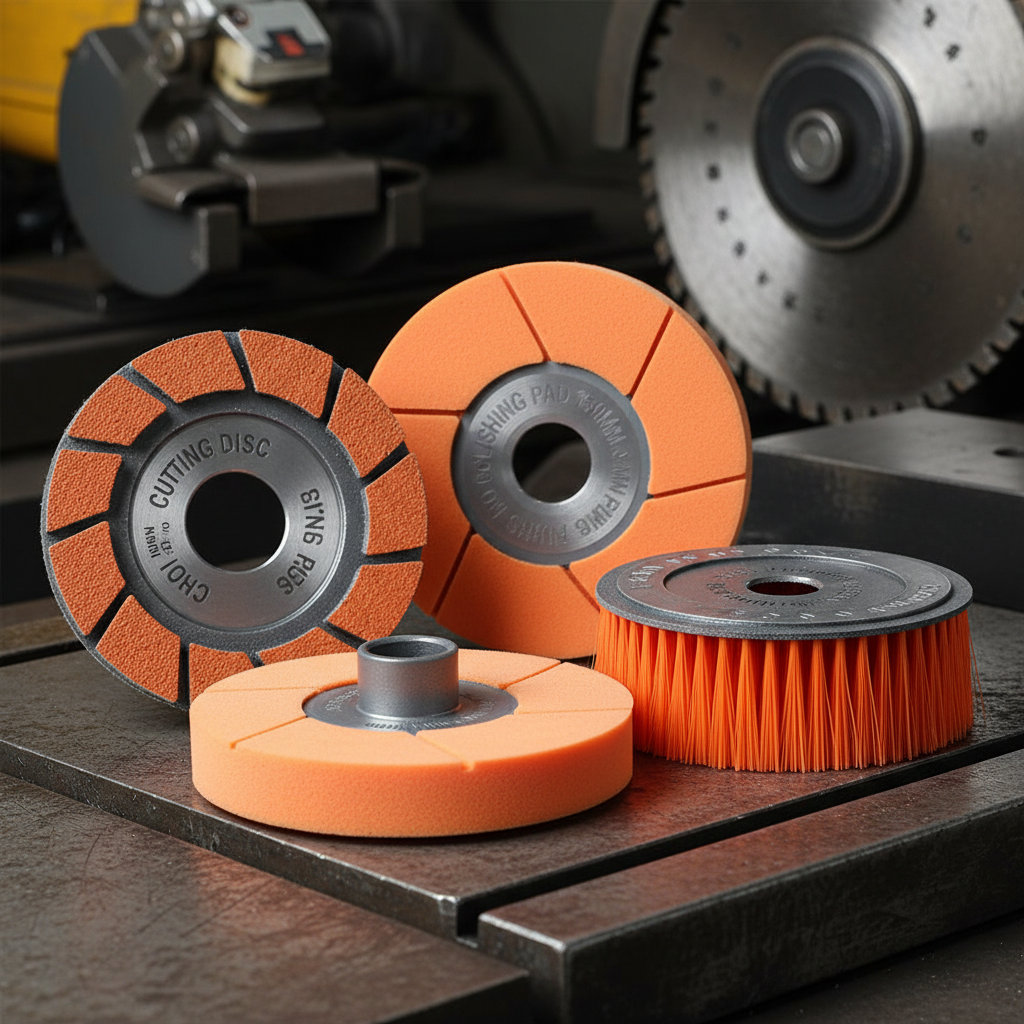
Polishing pads come in various materials, each offering unique characteristics and suitability for different tasks. The most common types include foam, wool, and microfiber pads. Foam pads are generally used for lighter polishing and finishing work, providing a delicate touch to avoid scratching sensitive surfaces. Wool pads are more aggressive, ideal for removing deeper scratches and imperfections. Microfiber pads offer a balance between cutting power and surface finish, making them versatile for a range of applications. Choosing the right pad material is crucial for achieving the desired level of correction and gloss.
Key Highlights: Different materials offer varying levels of aggressiveness, impacting the final finish. Foam for finishing, wool for correction, and microfiber for versatility.
The Importance of Grit and Cutting Power in Polishing Pads 150mm
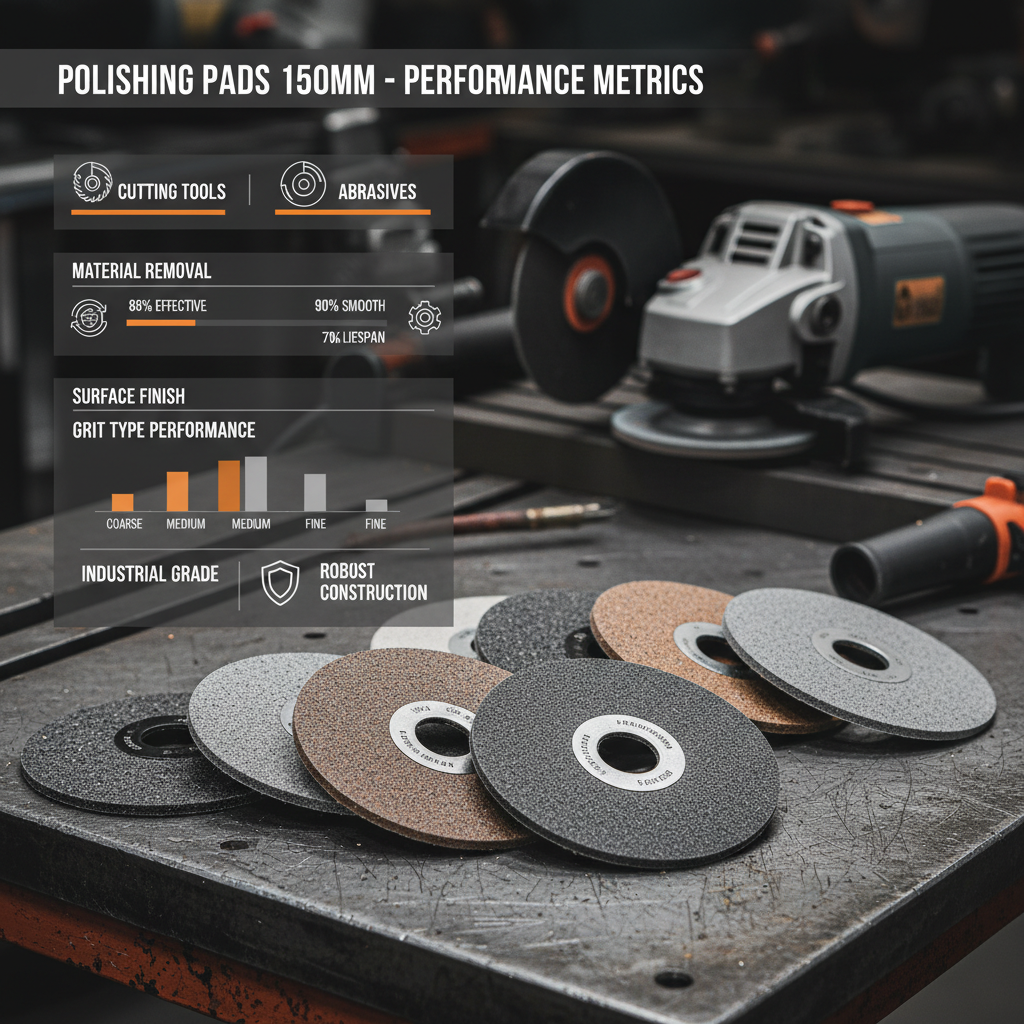
The "grit" of a polishing pad determines its cutting power – how effectively it removes imperfections. Higher grit numbers indicate finer pads used for polishing and finishing, while lower grit numbers denote more aggressive pads for compounding and defect removal. It’s essential to follow a multi-step polishing process, starting with a coarser pad to address significant flaws and gradually transitioning to finer pads for achieving a high-gloss finish. Incorrect grit selection can lead to swirl marks or uneven results, so understanding this principle is paramount for professional-quality outcomes.
Grit and Cutting Power Explained:
• Lower Grit: Aggressive cutting for defect removal
• Medium Grit: Moderate cutting for swirl mark removal
• Higher Grit: Polishing and finishing for gloss enhancement
• Always start with the least aggressive pad needed.
Polishing Pad Backing and Attachment Systems
The backing of a polishing pad is crucial for secure attachment to your polishing machine. Common backing types include hook-and-loop (Velcro) and threaded spindles. Hook-and-loop systems offer quick and easy pad changes, while threaded spindles provide a more robust and secure connection, especially for high-speed polishing. Ensure compatibility between the pad backing and your polisher’s attachment system to avoid slippage or damage during operation.
Choosing the Right Polishing Pads 150mm for Specific Applications
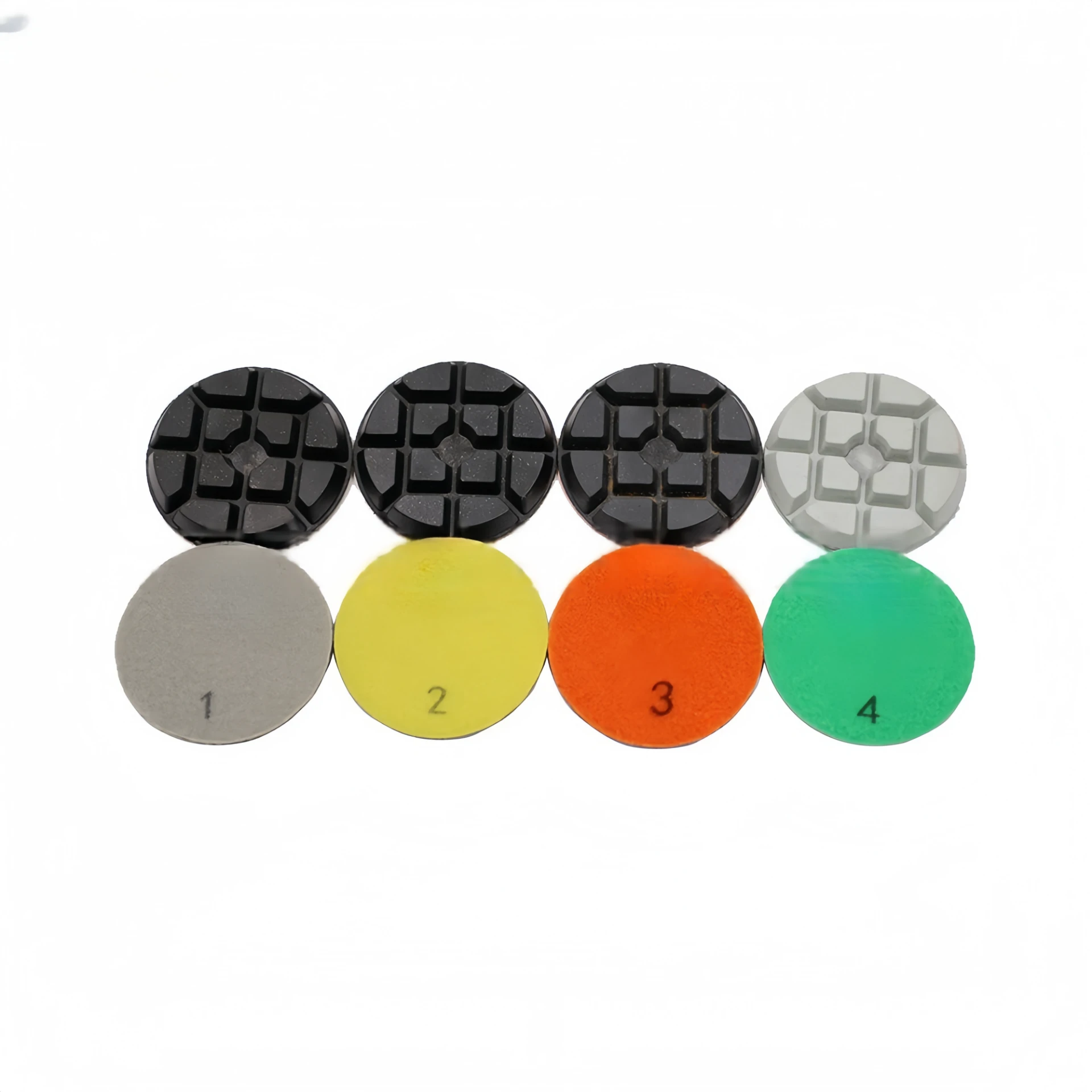
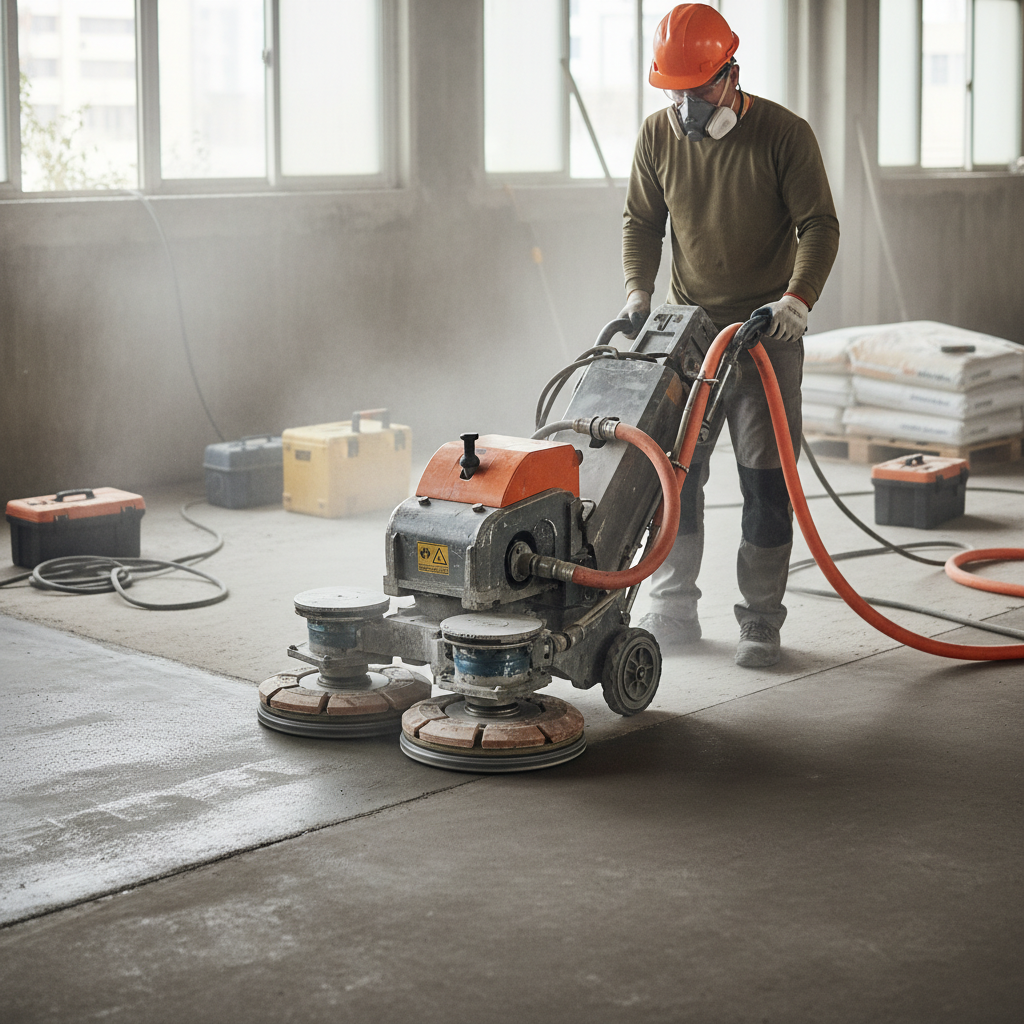
Different applications require specific pad types. For automotive paint correction, a compounding pad followed by a polishing pad is a common approach. For stone polishing, diamond-infused pads are essential for achieving a smooth, reflective surface. When working with delicate surfaces like gel coat or acrylic, ultra-fine foam pads are recommended to minimize the risk of scratching. Consider the material you're working with and the desired outcome when selecting your polishing pads 150mm.
Maintaining and Caring for Your Polishing Pads
Proper maintenance extends the life of your polishing pads. After each use, remove excess polish and debris with a pad cleaning brush. Periodically wash pads with a mild detergent and warm water, ensuring they are thoroughly dried before storing. Avoid using harsh chemicals or solvents, as they can damage the pad material. Regularly inspect pads for signs of wear and tear, and replace them when necessary. Clean pads provide optimal performance and prevent contamination of your work surface.
Conclusion: Investing in Quality Polishing Pads
Choosing the right polishing pads 150mm is an investment in the quality of your work. By understanding the different types, grits, and backing systems, you can select the best pads for your specific needs. Regular maintenance and proper care will ensure long-lasting performance and optimal results. Explore the extensive range of polishing pads available at MyDiamondBlade.com to find the perfect solutions for your polishing projects.
Frequently Asked Questions (FAQs)
What is the difference between a compounding pad and a polishing pad?
Compounding pads are designed for heavy-duty defect removal, utilizing a more aggressive abrasive structure to level imperfections like scratches and oxidation. They typically have a coarser grit. Polishing pads, on the other hand, are used to refine the surface after compounding, removing swirl marks and haze to achieve a high-gloss finish. They have a finer grit and a softer texture. Using the correct pad for each stage is essential for achieving a professional result – always start with compounding if necessary, then follow with polishing.
How often should I replace my polishing pads?
The lifespan of a polishing pad depends on usage and maintenance. Generally, foam pads should be replaced every 20-30 hours of use, while wool pads can last longer with proper care. Signs that a pad needs replacing include a glazed surface, loss of cutting power, or visible deterioration. Regularly cleaning and conditioning your pads can extend their lifespan, but eventually, they will lose their effectiveness and need to be replaced to maintain optimal polishing performance.
Can I use polishing pads on all types of surfaces?
Not all polishing pads are suitable for every surface. It’s crucial to select a pad designed for the specific material you're working with. For example, aggressive wool pads can scratch delicate surfaces like gel coat or soft paints. Always test the pad in an inconspicuous area first to ensure compatibility. Refer to the pad manufacturer's recommendations for appropriate applications.
Related Products
Related Products





Address
No.30 Gaoying Road ,Chang'an District,Shijiazhuang,Hebei Province
Business Hours
Mon to Saturday : 8.00 am - 7.00 pm
Sunday & Holidays : Closed
.png )