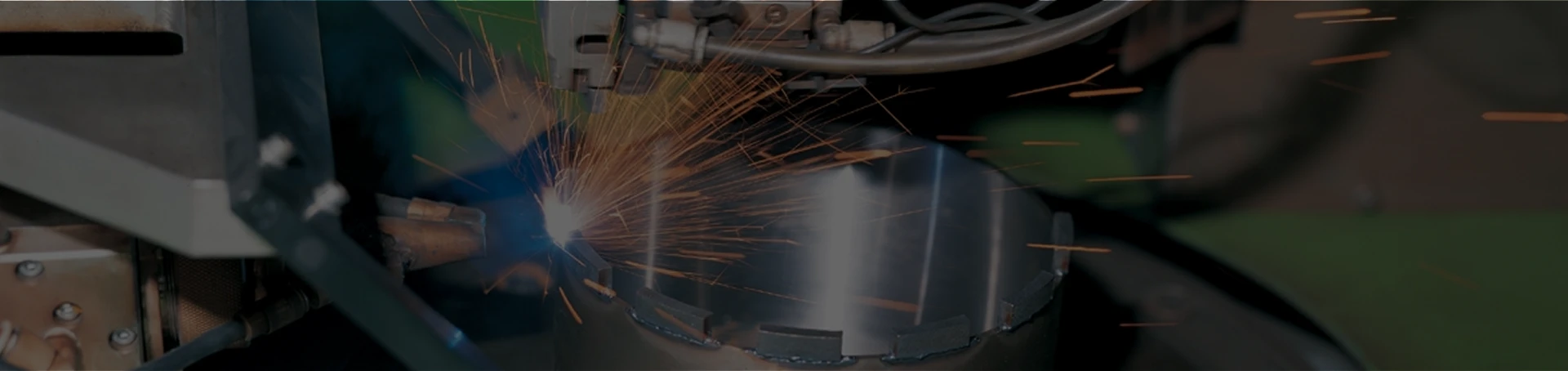
Cutting Through the Toughest Jobs: The Power of the Concrete Diamond Blade
In modern construction, there’s no room for imprecision—especially when cutting into tough materials like reinforced concrete. That’s where the concrete diamond blade delivers unbeatable results. Known for its durability, speed, and accuracy, the concrete diamond blade has become the go-to cutting tool for contractors, demolition crews, and renovation specialists. Whether you're slicing slabs with a walk-behind saw or fine-cutting edges with a handheld grinder, nothing matches the performance of a professional-grade concrete diamond blade.
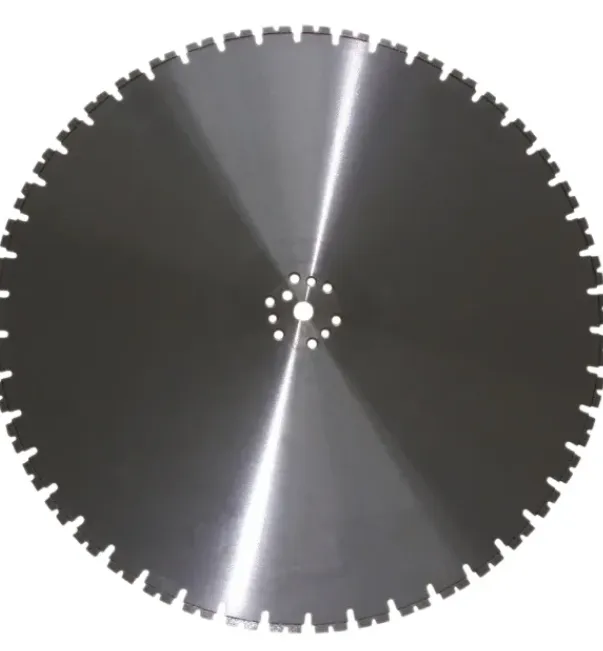
Concrete Diamond Blade Performance in High-Humidity Environments
One of the most critical concerns for outdoor and coastal job sites is whether a concrete diamond blade can maintain performance in high-humidity environments. Fortunately, thanks to advanced bonding technology and segment engineering, modern concrete diamond blade designs are specifically built to resist moisture-related wear.
High humidity doesn’t only affect the blade but also changes how concrete behaves during cutting. When moisture increases surface resistance, a high-quality concrete diamond blade adapts with better dust channeling and heat dissipation. Blades with deep gullet spacing and laser-welded segments are less prone to segment loss and overheating. Even when paired with water-fed saws or misting systems, the blade continues to deliver consistent depth and smooth finishes without clogging.
From wet basements to rainy construction zones, a professional-grade concrete diamond blade is engineered to operate with full efficiency, reducing project delays and costly downtime.
Segment Types on a Concrete Diamond Blade and Their Applications
The secret to the concrete diamond blade’s versatility lies in its segment type. Segments not only determine the blade's lifespan but also dictate how aggressively or precisely it cuts. Understanding the differences can help you match the right blade to your specific concrete application.
Segmented rim blades—those with visible breaks between each segment—are excellent for fast, aggressive cutting and are commonly used in demolition. They provide better airflow, cooling, and debris removal, which is ideal for dry cutting.
Turbo rim blades, which have a continuous serrated edge, are designed for smoother, faster cuts with less chipping. These are often chosen when precision matters, such as scoring expansion joints or shaping decorative concrete panels.
Continuous rim blades, typically found in smaller diameters like the 230mm concrete cutting disc, offer clean finishes and are preferred for detail work on decorative or polished concrete.
Choosing the correct segment for your job—whether it’s coarse cutting, fine finishing, or deep trenching—ensures maximum output and minimal material waste. This is especially true when using concrete floor grinder blades where segment shape, number, and diamond grit all contribute to surface uniformity.
Precision in Every Cut: How the Concrete Diamond Blade Maintains Accuracy
Accuracy is crucial in structural cutting—especially in floor leveling, expansion joints, or rebar-exposed sections. A concrete diamond blade achieves this through a combination of material science and design.
High-grade steel cores offer rigidity, reducing wobble and lateral movement even at high speeds. The bonding matrix around each diamond segment ensures uniform wear, keeping the cutting path true over the blade's life. This is critical for users of diamond grinding wheels for concrete, where even slight variations in angle or pressure can ruin an entire concrete slab.
Advanced blades like the 230mm concrete cutting disc are often used in hand grinders for scoring, doorway cuts, or tight-area removals. In these scenarios, cutting precision translates to reduced patchwork and improved fit for adjoining materials like tile, wood, or sealant.
The blade’s balance is also essential. A well-balanced concrete diamond blade ensures smooth handling, even on rough concrete. This stability allows operators to follow marked lines exactly, minimizing edge chipping and maximizing finish quality.
Matching Concrete Diamond Blades to Your Equipment and Budget
While many blades on the market look similar, not all offer the same durability or cost-efficiency. A true professional knows that choosing the right concrete diamond blade means weighing factors like usage frequency, concrete hardness, and the horsepower of your saw or grinder.
Larger blades with heavy-duty cores are perfect for walk-behind saws, while smaller sizes such as the 230mm concrete cutting disc are optimal for handheld grinders. When using concrete floor grinder blades, segment height and bond strength must be carefully matched to the surface condition—be it smooth or coarse, wet or dry.
If budget is a concern, always compare diamond grinding wheels for concrete not just by their upfront price but by cost per cut. A blade that delivers twice the lifespan with cleaner cuts saves time, labor, and materials.
Whether you're dealing with driveway repair, slab cutting, or surface refinishing, choosing the right blade ensures consistent, high-quality results across all project phases.
Concrete Diamond Blade FAQs
Can a concrete diamond blade work well in wet or high-humidity conditions?
Yes. Quality concrete diamond blades are designed for both wet and dry use. Their bond and segment design resist moisture interference, ensuring consistent cutting in high-humidity environments.
What’s the difference between segmented, turbo, and continuous concrete diamond blade segments?
Segmented blades offer fast, aggressive cuts and debris removal; turbo blades balance speed with smoother finishes; continuous rim blades provide precision and clean edges for detailed work.
Are diamond grinding wheels for concrete the same as cutting blades?
No. Diamond grinding wheels for concrete are used to smooth and level surfaces, while concrete diamond blades are designed for cutting. Each tool is optimized for a different phase of concrete work.
When should I use a 230mm concrete cutting disc?
Use the 230mm concrete cutting disc for precision work in tight areas or for making controlled cuts in walls, floors, or steps where larger blades aren’t practical.
How does a concrete diamond blade ensure cutting accuracy?
Through a balanced steel core, consistent segment wear, and minimal vibration. This allows users to make straight, clean cuts with reduced chipping or deviation from cutting lines.
Related Products
Related Products






Address
No.30 Gaoying Road ,Chang'an District,Shijiazhuang,Hebei Province
Business Hours
Mon to Saturday : 8.00 am - 7.00 pm
Sunday & Holidays : Closed
.png )