Diamond Cutting Blades & Tools: Guide for Precision Cutting
Diamond cutting blades are essential tools for professionals and DIY enthusiasts who need precise, efficient, and long-lasting cutting solutions. Whether you're working with concrete, tile, asphalt, or metal, diamond blade technology ensures clean, fast cuts with minimal effort. In this comprehensive guide, we'll explore the different types of diamond cutting blades, how they work, and why they outperform traditional cutting tools. We’ll also highlight the best applications for each type, including diamond blade for grinder, and diamond multi tool blade.
How Diamond Cutting Blades Work
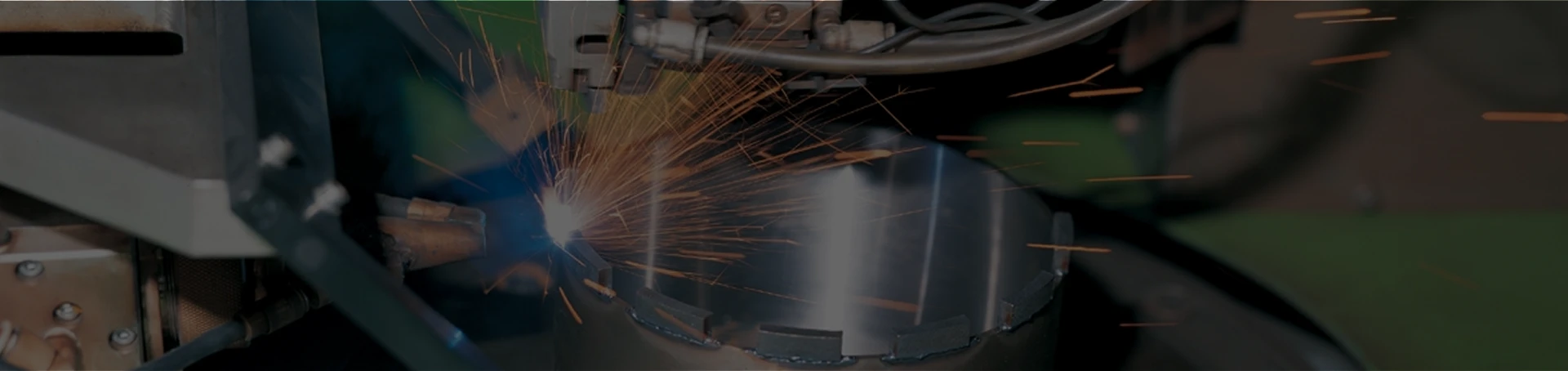
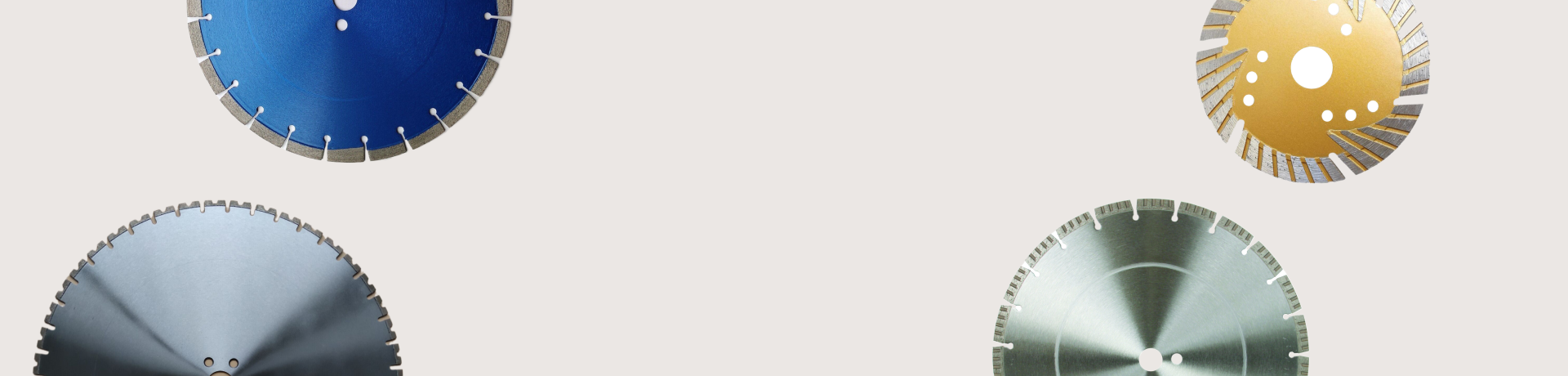
Unlike traditional saw blades that rely on sharp teeth, diamond cutting blades use industrial-grade diamond particles bonded to a metal core to grind through tough materials. The diamonds, the hardest known substance, provide unmatched abrasion resistance, making these blades ideal for heavy-duty applications.
The Science Behind Diamond Blades
The cutting mechanism involves tiny diamond particles embedded in a metal matrix. As the blade rotates, these diamonds grind away the material, while the metal bond gradually wears down to expose fresh diamond grit. This self-sharpening process ensures consistent performance over time.
Wet vs. Dry Cutting
Some diamond blades are designed for wet cutting, which reduces dust and prevents overheating. Others are built for dry cutting, offering convenience in situations where water use isn't practical. Choosing the right type ensures maximum blade lifespan and cutting efficiency.
Material Compatibility
Not all diamond cutting discs work on every material. Blades are specifically formulated for concrete, masonry, tile, or metal. Using the wrong type can lead to premature wear or poor cutting performance. Always check the manufacturer's recommendations before use.
|
Blade Type |
Best For |
Wet/Dry Cutting |
|
Segmented Blade |
Concrete, Asphalt |
Dry |
|
Continuous Rim |
Tile, Porcelain |
Wet |
|
Turbo Rim |
Fast, clean cuts |
Wet or Dry |
|
Multi-Tool Blade |
Precision cuts in tight spaces |
Dry |
Types of Diamond Cutting Blades and Their Uses
There are several types of diamond blades, each designed for specific applications. Understanding their differences helps you choose the best tool for your project.
Diamond Blade for Grinder
Angle grinders equipped with a diamond blade can cut through rebar, stone, and brick with ease. These blades come in different diameters (4.5" to 9") and are ideal for construction and renovation work.
Diamond Cutting Disc for Precision Work
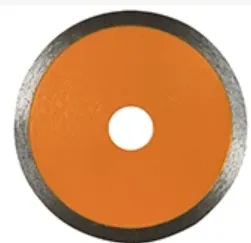
Thinner and more flexible than standard blades, diamond cutting discs are perfect for detailed work on ceramics and glass. They produce smooth, chip-free edges, making them a favorite among tile installers.
Diamond Multi Tool Blade for Versatility
When working in tight spaces, a diamond multi tool blade attached to an oscillating tool provides unmatched control. These small but powerful blades are excellent for plunge cuts, trimming, and notching.
Choosing the Right Diamond Cutting Blades for Your Project
Selecting the best diamond blade depends on several factors, including material hardness, cutting depth, and tool compatibility.
Matching the Blade to the Material
Soft materials like asphalt require a softer bond to prevent glazing, while hard materials like granite need a stronger bond for extended durability.
Blade Size and RPM Considerations
Using a blade larger than your tool’s recommended size can be dangerous. Always match the blade diameter and max RPM to your grinder or saw specifications.
Cost vs. Performance
Cheaper diamond blades may save money upfront but wear out faster. Investing in high-quality blades ensures longer life and better cutting efficiency, reducing long-term costs.
Maintenance and Safety Tips for Diamond Cutting Blades
Proper care extends the life of your diamond cutting blades and ensures safe operation.
Avoid Overheating
Excessive heat can weaken the metal bond. For dry cutting, use short bursts and allow the blade to cool periodically. Wet cutting helps dissipate heat more effectively.
Inspect for Damage
Cracks, missing segments, or warping indicate a worn-out blade. Continuing to use a damaged blade can lead to breakage and injury.
Proper Storage
Store diamond blades in a dry place to prevent rusting. Hanging them or placing them flat avoids warping.
Diamond Cutting Blades FAQs
How long does a diamond cutting blades last?
The lifespan of a diamond blade depends on material hardness, cutting technique, and blade quality. A high-quality blade can last 5-10 times longer than conventional abrasive blades.
Can I use a diamond cutting blades on metal?
Yes, specialized diamond blades are designed for cutting hardened steel, rebar, and other metals. Standard masonry blades won’t work effectively on metal.
Why is my diamond cutting blades not cutting?
Glazing (a smooth, shiny surface on the blade) occurs when the bond is too hard for the material. Use a dressing stone to expose fresh diamonds or switch to a softer-bond blade.
Is wet cutting better than dry diamond cutting blades?
Wet cutting reduces dust and heat, prolonging blade life. However, dry cutting is more convenient for quick jobs where water isn’t available.
Where can I buy high-quality diamond cutting blades in bulk?
Our company specializes in premium diamond cutting blades for wholesalers and contractors. Contact us today for competitive pricing and bulk discounts!Mingye tools Technologies Co.,Ltd manufacturing the Diamond cutting blades, Cup wheels,Grinding plates,TCT blades, Core drill bits for more than 10 years .With stable quality and high efficiency, we rapidly expaned our services to Euro,Southeast Asia ,South Asia,Russia ,America market. Our products help many customers make great achievenments excellent after-service allows we and our custermers become closer and closer.Whether you're a contractor, mason, or DIYer, investing in high-performance diamond cutting blades ensures precision, speed, and durability. From diamond blade for grinder to diamond multi tool blade, we offer the best solutions for every cutting need. Wholesalers and distributors—partner with us to supply top-tier diamond blades and grow your business! Place your order today and experience the difference quality makes.
Related Products
Related Products





Address
No.30 Gaoying Road ,Chang'an District,Shijiazhuang,Hebei Province
Business Hours
Mon to Saturday : 8.00 am - 7.00 pm
Sunday & Holidays : Closed
.png )