Unlocking Superior Finishes: A Deep Dive into Dry Polishing Pads Technology and Applications
In the demanding world of surface finishing for natural stone, concrete, and engineered materials, the evolution of abrasive technology is consistently pushing the boundaries of efficiency, precision, and environmental responsibility. Among the most pivotal innovations in recent decades are dry polishing pads. These specialized tools have revolutionized the industry by enabling high-gloss finishes without the need for water, significantly reducing cleanup time, conserving resources, and minimizing slurry disposal issues. This comprehensive guide delves into the intricate aspects of dry polishing technology, from manufacturing precision and performance characteristics to diverse application scenarios and the critical factors that influence selection and long-term value. Understanding the nuanced capabilities of these pads is crucial for professionals seeking to achieve optimal results in a range of challenging environments, ensuring both aesthetic excellence and operational efficiency. The market is continuously evolving, with advancements in resin bonding and diamond particle distribution leading to even more durable and effective solutions tailored for specific material types and project demands, solidifying their indispensable role in modern surface preparation.
The industry is witnessing a significant shift towards dry polishing methods due to increasing environmental regulations, project timelines, and labor costs. Traditional wet polishing, while effective, generates substantial amounts of wastewater laden with abrasive particles and material dust, requiring costly and time-consuming containment and disposal procedures. In contrast, dry polishing processes, particularly those utilizing advanced dry polishing pads, produce manageable dust that can be efficiently collected with industrial vacuum systems, drastically simplifying post-application cleanup. This not only contributes to a cleaner work environment but also offers substantial operational savings. Furthermore, advancements in diamond abrasive technology, coupled with sophisticated resin formulations, have enabled diamond dry polishing pads to achieve finishes comparable to, and in some cases even superior to, their wet counterparts, particularly on materials like granite, marble, and concrete. This technological leap ensures that performance is not compromised for convenience, making them an increasingly preferred choice for contractors, fabricators, and restoration specialists aiming for high-quality, sustainable outcomes.
Technical Specifications and Performance Metrics of Dry Polishing Pads
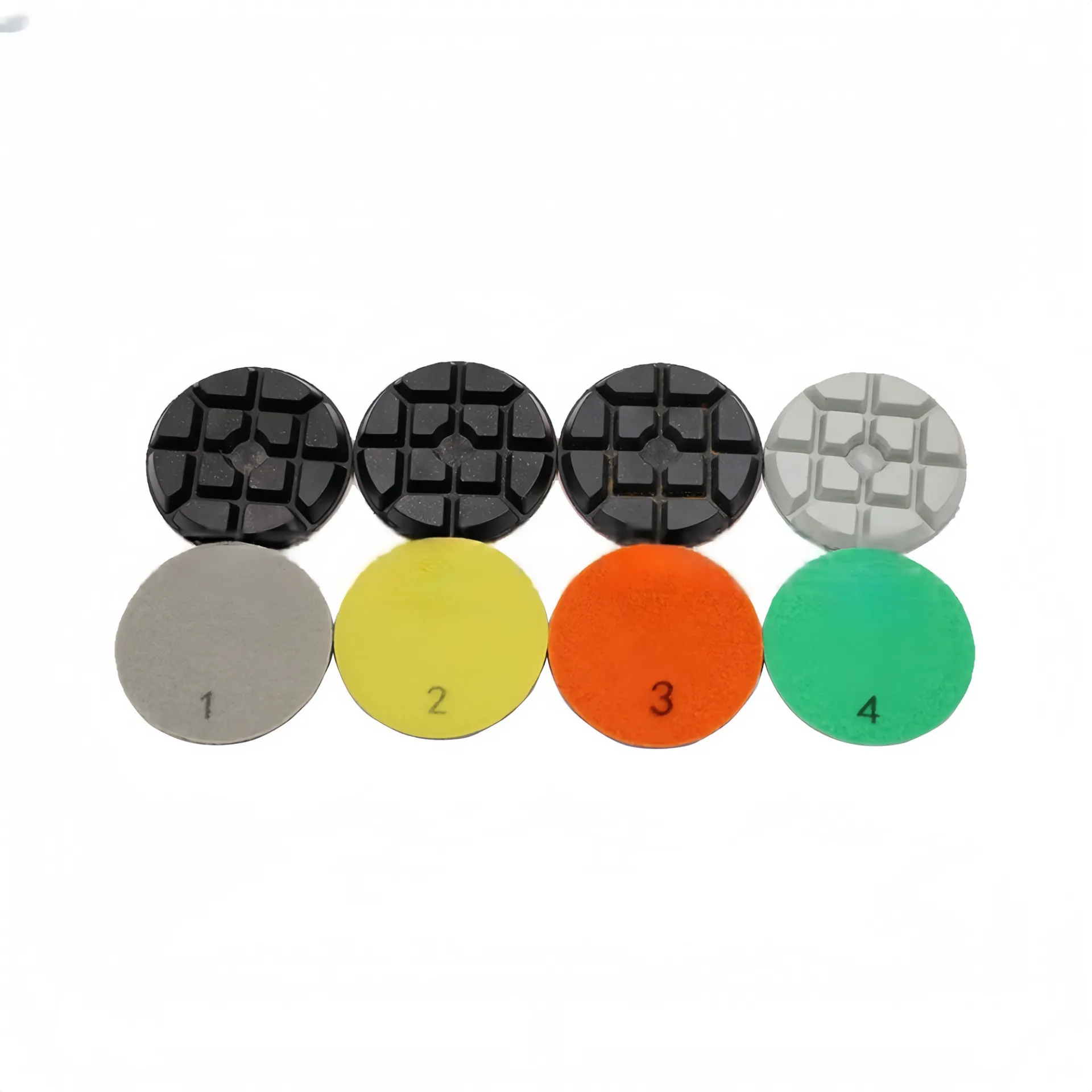
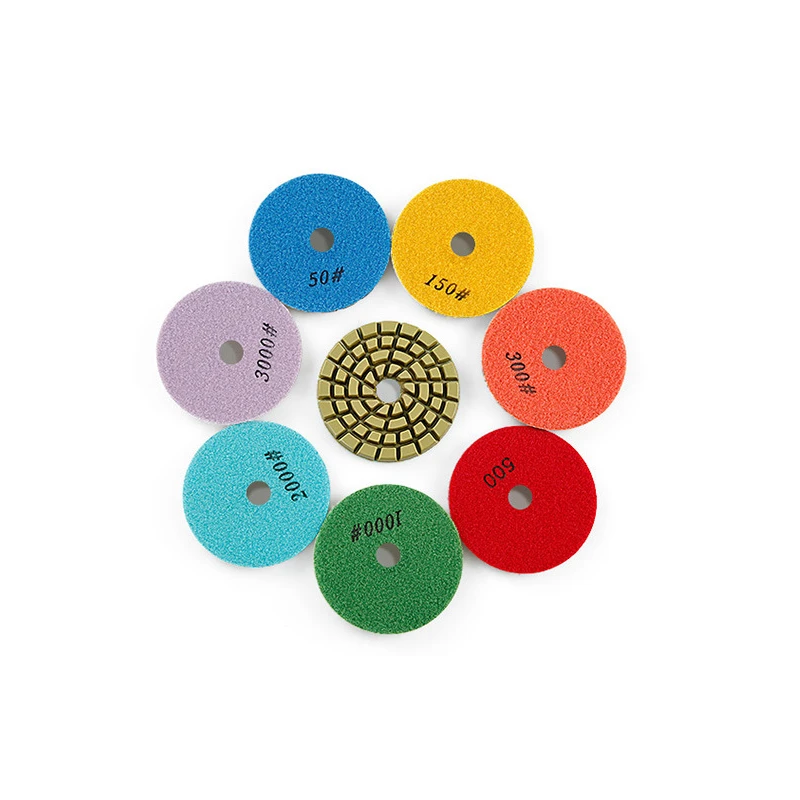
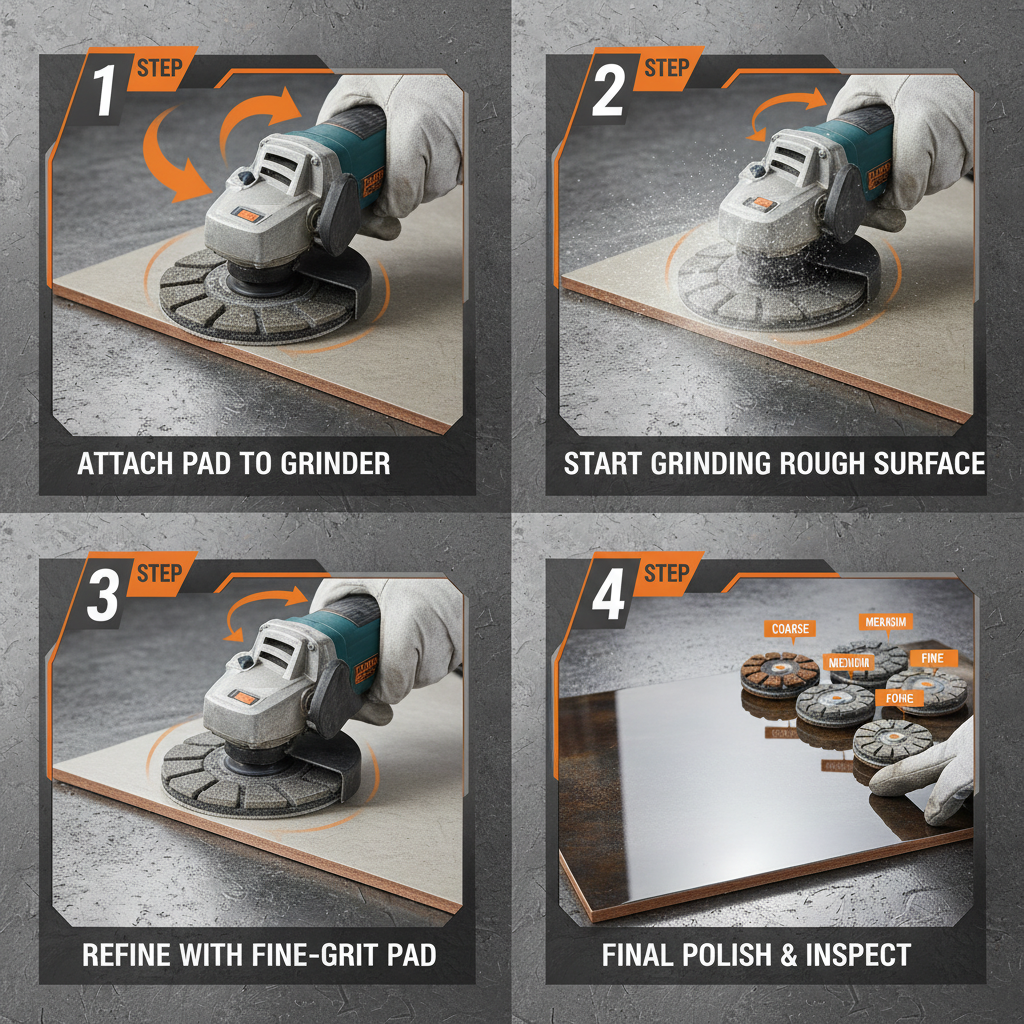
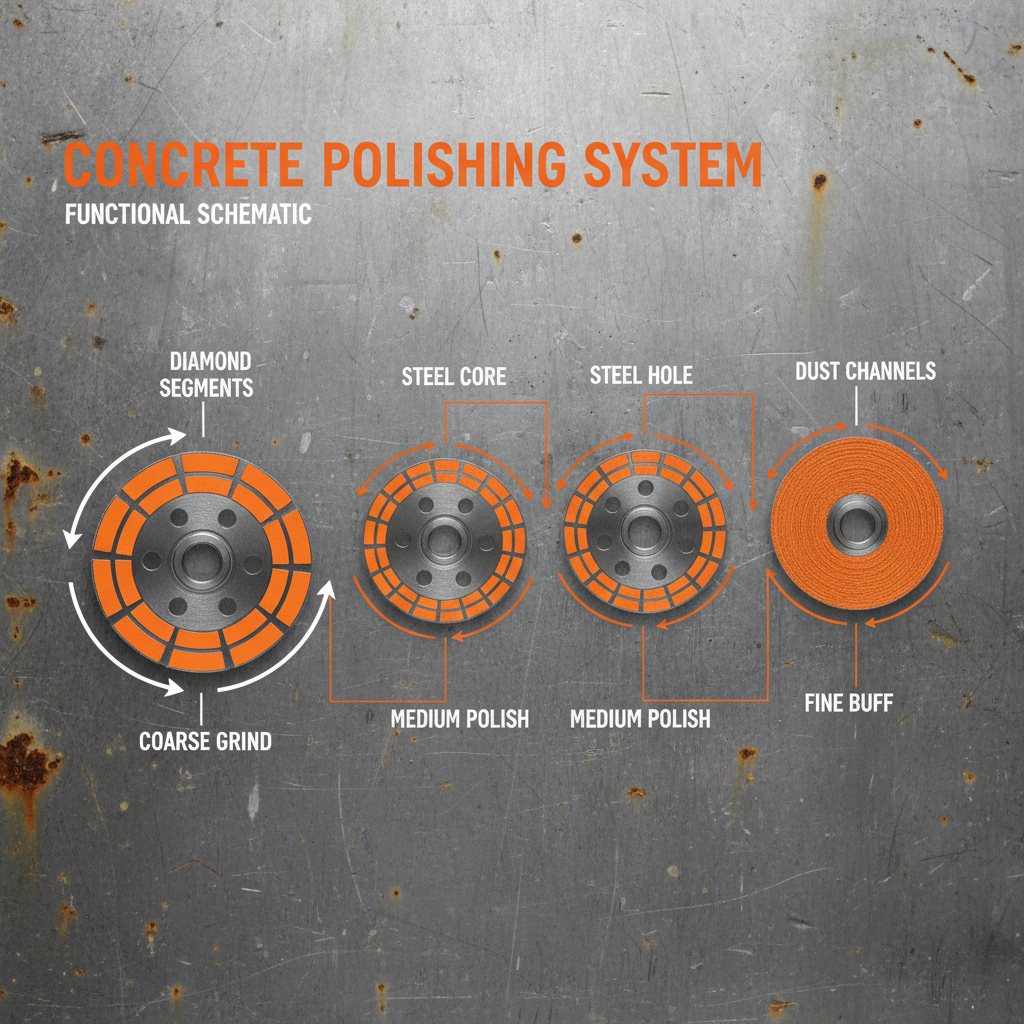
The performance of dry polishing pads is dictated by a synergy of critical technical specifications, each playing a vital role in the pad's effectiveness, longevity, and the quality of the finish achieved. Key parameters include the pad's diameter, which commonly ranges from 3 to 4 inch dry polishing pads for handheld grinders to larger sizes for floor machines, influencing the coverage area and maneuverability. Grit sequence is another fundamental aspect, representing the graduated series of abrasive fineness, typically starting from coarse grits (e.g., 50, 100) for material removal and scratch elimination, progressing through medium grits (e.g., 200, 400) for refining, and culminating in fine grits (e.g., 800, 1500, 3000, buff) for achieving high-gloss or mirror-like finishes. The diamond concentration within the resin matrix directly impacts cutting speed and pad lifespan; higher concentrations generally offer faster material removal and greater durability but may also increase initial cost.
Furthermore, the type of resin binder is crucial, as it determines the pad's flexibility, heat resistance, and ability to release diamond particles effectively as they wear. Manufacturers engineer specific resin formulations to optimize performance on various material hardnesses and polishing stages. The backing material, typically hook-and-loop (Velcro), ensures secure attachment to backing pads on polishing equipment, facilitating quick and easy changes. Operating RPM (revolutions per minute) recommendations are often provided by manufacturers to ensure optimal performance and prevent overheating, which can prematurely degrade the pad or damage the surface. Durability and lifespan, measured in square feet polished, are critical economic considerations for professionals. Understanding these parameters allows users to select the appropriate diamond dry polishing pads set for specific projects, ensuring efficient material removal, consistent finish quality, and cost-effective operations across diverse applications.
Key Technical Parameters for Dry Polishing Pads
| Parameter |
Description |
Typical Range/Value |
Impact on Performance |
| Diameter |
Measurement across the pad's face. |
3", 4", 5", 6", 7" (75mm-175mm) |
Affects coverage area and suitability for different machines (angle grinders, floor polishers). |
| Grit Sequence |
The progression of abrasive fineness (coarse to fine). |
50, 100, 200, 400, 800, 1500, 3000, Buff |
Determines material removal rate, scratch removal, and final gloss level. Essential for multi-step polishing. |
| Diamond Concentration |
Percentage of diamond abrasive particles within the resin matrix. |
Variable, often proprietary. Higher concentrations are typically premium. |
Higher concentration leads to faster cutting, longer lifespan, but potentially higher cost. |
| Bond Type / Resin Formulation |
The polymer matrix holding the diamonds. |
Proprietary resin-metal hybrid bonds, softer or harder resin bonds for different materials. |
Optimized for specific material hardnesses (e.g., granite vs. marble vs. concrete) and heat dissipation. Affects finish quality and pad wear. |
| Maximum RPM (Rotations Per Minute) |
Recommended maximum operating speed. |
2,000 - 4,500 RPM for handheld, higher for large floor machines. |
Ensures optimal cutting efficiency and prevents overheating, which can damage both the pad and the surface. |
| Pad Thickness / Segment Height |
The depth of the abrasive layer. |
2mm - 10mm typically. |
Thicker pads generally offer longer lifespan and more abrasive material for sustained performance. |
| Lifespan (Estimated) |
Approximate coverage area before pad needs replacement. |
500 - 2,000 sq ft per set (varies by material and grit). |
A key economic factor, indicating cost-effectiveness over time. Varies significantly with material and user technique. |
Versatile Applications and Core Technical Advantages
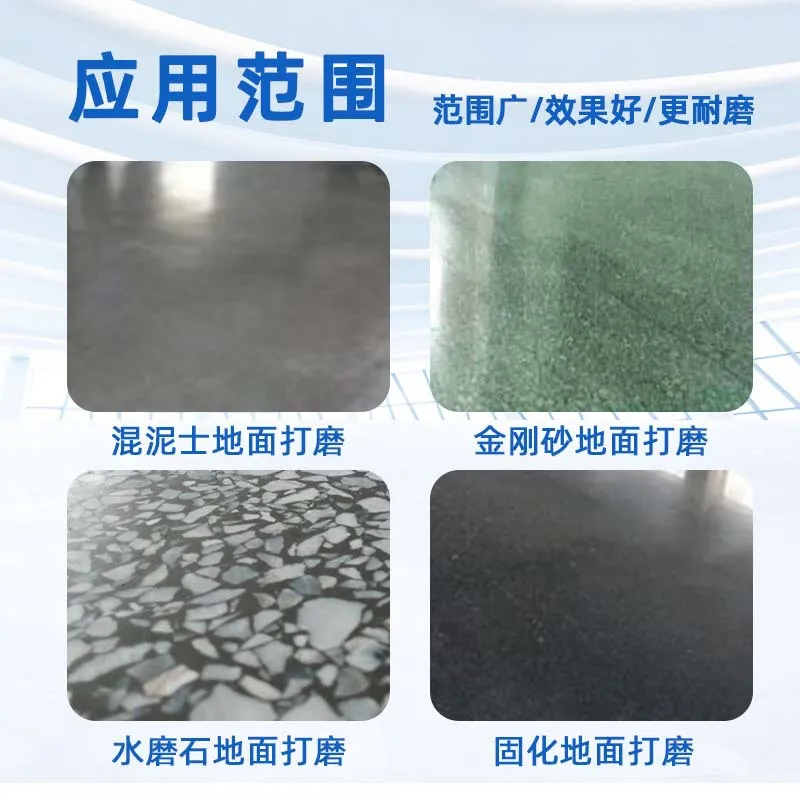
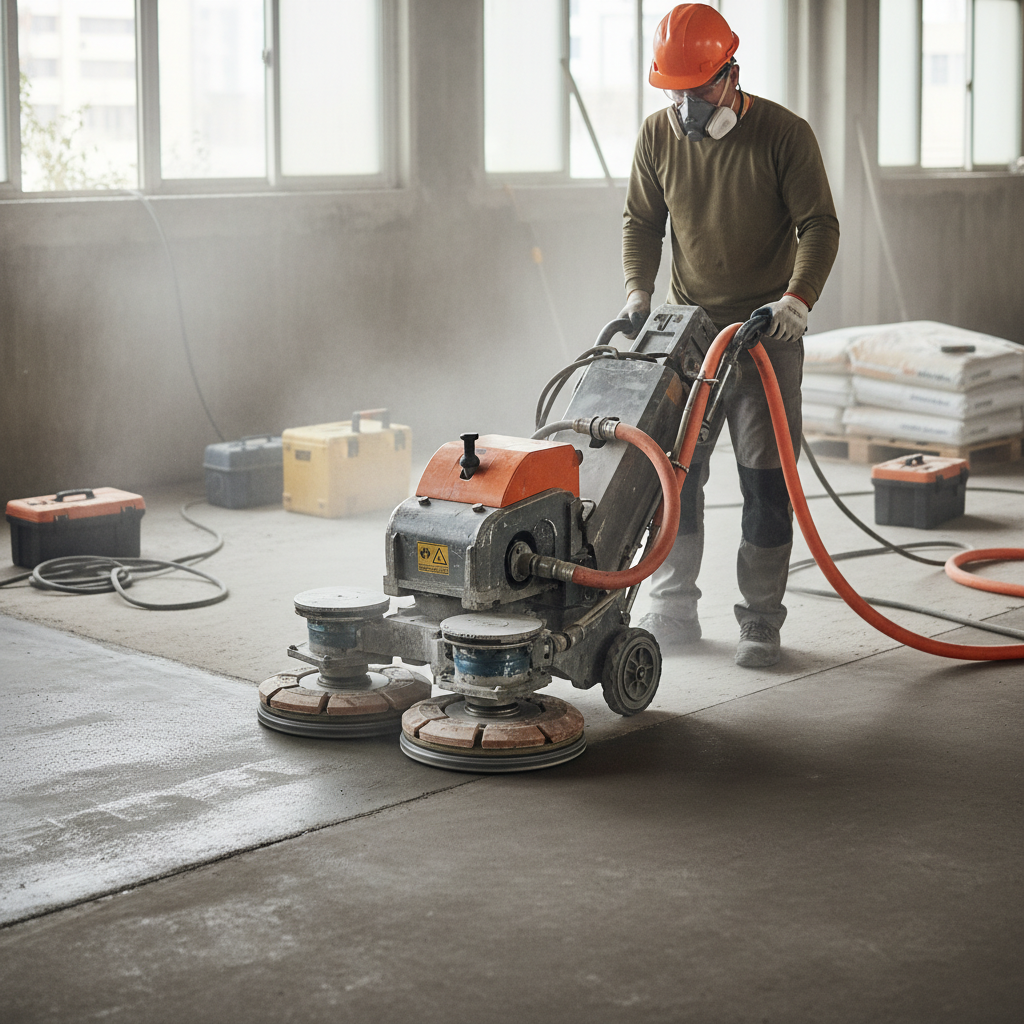
The versatility of dry polishing pads makes them indispensable across a multitude of industries where superior surface finishing of hard materials is paramount. Their primary applications include the fabrication and installation of countertops, particularly with natural stones such as dry polishing pads for granite, marble, quartz, and other engineered stones, where they are used for edge polishing, surface restoration, and achieving a high-gloss finish. In concrete polishing, dry polishing pads are extensively employed for large-scale floor restoration projects, creating decorative, durable, and easily maintainable surfaces in commercial, industrial, and residential settings. They are also critical for polishing concrete countertops, integral sinks, and decorative concrete elements. Beyond these common uses, they find application in tile polishing, specifically for porcelain, ceramic, and natural stone tiles, enhancing their aesthetic appeal and improving slip resistance on certain finishes. Furthermore, these pads are utilized in specific construction finishing tasks, infrastructure maintenance, and even in specialized industrial applications requiring precise surface refinement of hard composites or ceramics. The ability to perform without water makes them ideal for indoor projects, occupied spaces, and situations where water access or disposal is restricted.
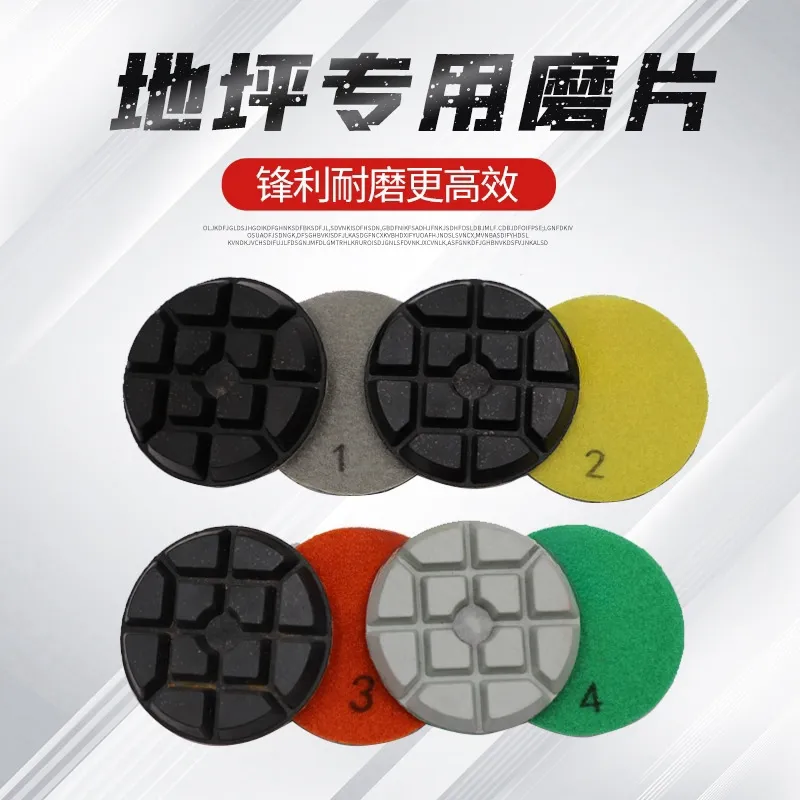
The technical advantages of diamond dry polishing pads are manifold, setting them apart from traditional wet polishing methods. Firstly, the elimination of water significantly reduces project cleanup time and costs associated with water management and slurry disposal. This translates into faster project completion and reduced labor expenditure. Secondly, dry polishing allows for immediate visual inspection of the polished surface, as there is no water film to obscure the finish, enabling real-time quality control and immediate adjustments. Thirdly, their inherent design for heat dissipation minimizes thermal damage to sensitive materials, preserving material integrity and preventing potential cracking or discoloration that can occur with excessive heat. Fourthly, the portability and ease of use of a 4 inch dry polishing pads system, often used with lightweight angle grinders, enable greater flexibility for on-site repairs, smaller projects, and intricate detailing in hard-to-reach areas where wet systems would be cumbersome. Finally, modern dry polishing pads are engineered for exceptional durability and longevity, featuring advanced resin bonds and high-quality diamond abrasives that ensure consistent performance over extended use, providing a strong return on investment for professionals seeking efficient and environmentally conscious solutions.
The Manufacturing Precision of Dry Polishing Pads
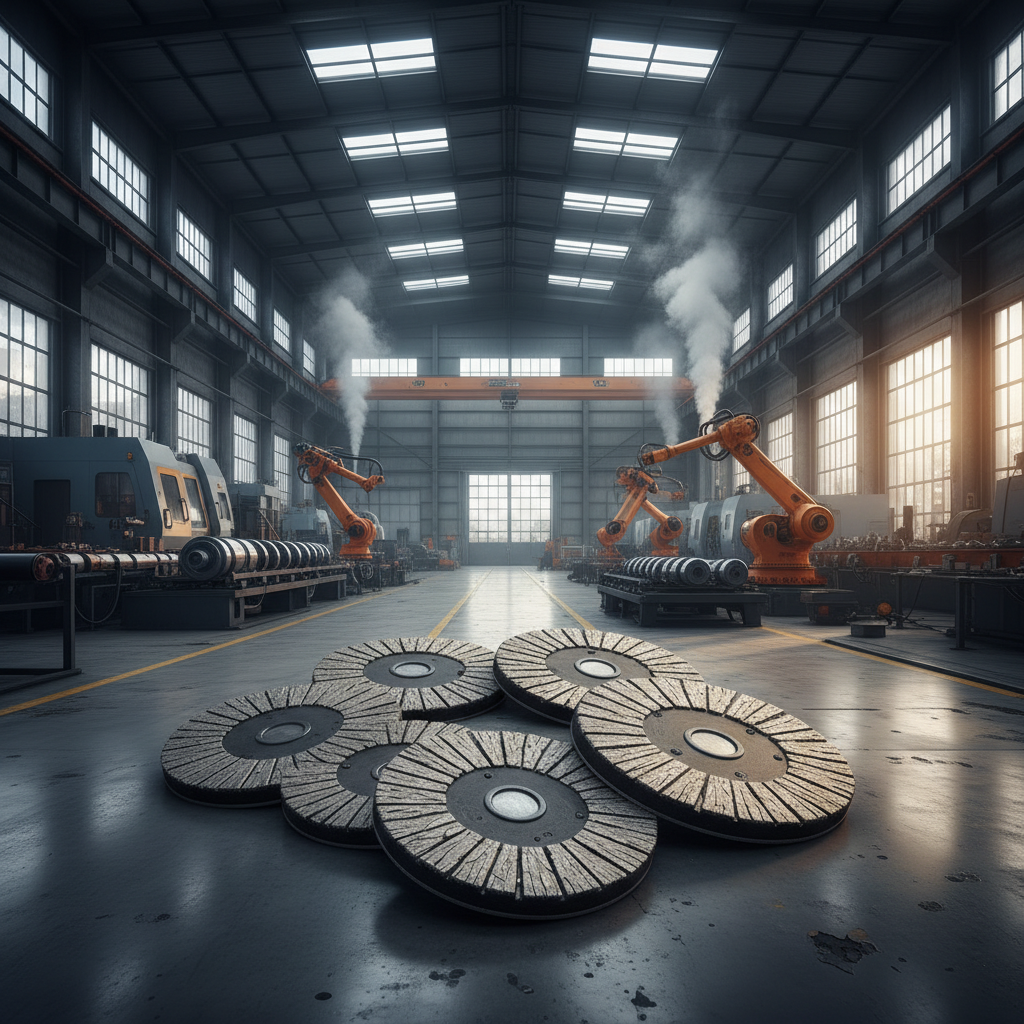
The manufacturing of high-performance dry polishing pads is a sophisticated multi-stage process that leverages advanced material science and precision engineering to produce tools capable of delivering exceptional finishes. It begins with the meticulous selection of raw materials, primarily industrial-grade diamond abrasives and specialized resin binders. The diamond particles, sourced for their superior hardness and consistent crystal structure, are categorized by micron size to achieve specific grit levels, ranging from coarse for initial grinding to ultra-fine for mirror polishing. The resin matrix, a proprietary blend of polymers, fillers, and other additives, is formulated to provide optimal flexibility, heat resistance, and wear characteristics crucial for dry applications. This resin must effectively encapsulate the diamonds while allowing them to precisely expose as the pad wears, ensuring continuous abrasive action. Quality control during raw material sourcing is paramount, adhering to stringent standards such as ISO 9001, to guarantee consistency and purity of components, which directly impacts the final product's performance and lifespan.
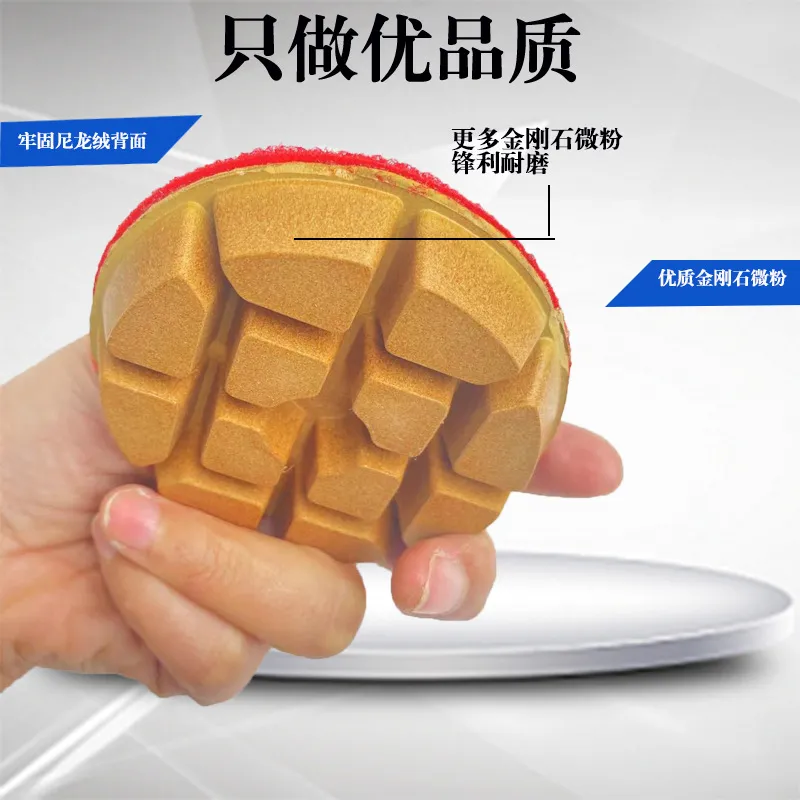
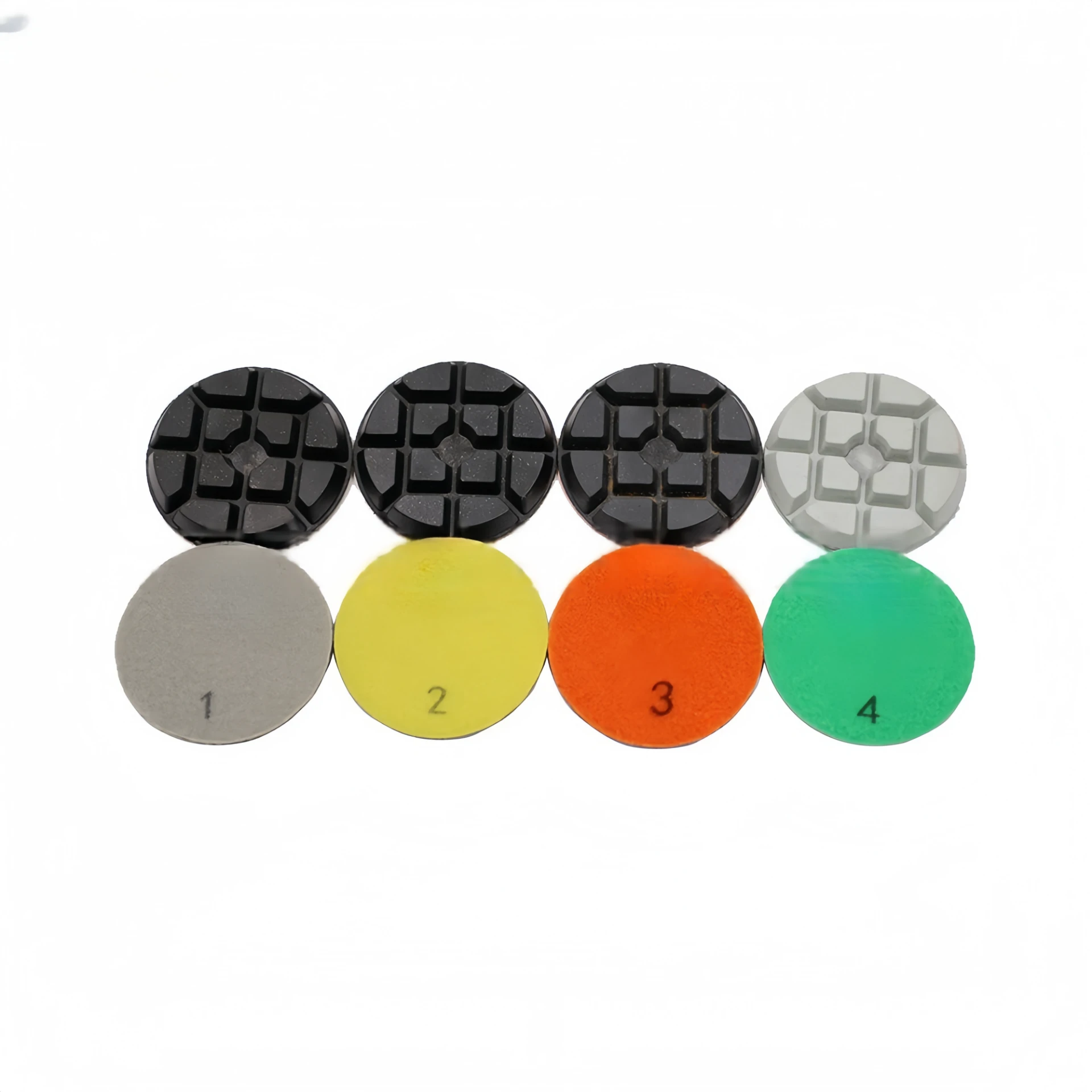
The core manufacturing process involves several key steps. First, the diamond particles are precisely mixed with the liquid resin according to specific formulations for each grit size and pad type. This ensures uniform distribution of the abrasive throughout the bonding material. Next, this diamond-resin compound is poured or pressed into molds, typically made of silicone or steel, which define the pad's shape, diameter, and segment pattern. The molding process is critical for achieving consistent pad thickness and optimal segment design, which affects heat dissipation and debris removal during operation. Following molding, the pads undergo a carefully controlled curing process, often involving heat and pressure, to polymerize the resin and firmly bond the diamonds within the matrix. This curing profile is precisely calibrated to achieve the desired hardness, durability, and abrasive exposure characteristics. After curing, the pads are typically trimmed and then affixed with a hook-and-loop (Velcro) backing through a specialized adhesive bonding process. Each batch undergoes rigorous quality inspection, encompassing dimensional checks (e.g., ANSI standards for diameter and thickness), hardness testing, and performance assessments to ensure they meet specified abrasive standards and operational longevity. The final product is designed for a typical lifespan of 500-2000 square feet per diamond dry polishing pads set, depending on the grit and material, demonstrating their robust engineering for high-demand applications in stone fabrication, concrete finishing, and restoration industries where efficiency and consistent performance are paramount.
Manufacturer Comparison and Customization Options
The market for dry polishing pads is competitive, with numerous manufacturers offering a range of products. When evaluating different suppliers, it is crucial for B2B decision-makers to look beyond just price and consider factors such as diamond quality, resin bond formulation, consistency of manufacturing, and the manufacturer's track record. Leading manufacturers often distinguish themselves by investing heavily in R&D to develop proprietary resin blends that optimize diamond exposure and heat dissipation, extending pad life and improving finish quality. They also often provide more detailed technical specifications, transparent quality control processes (e.g., ISO certifications, internal testing protocols), and robust customer support. While some manufacturers may offer lower upfront costs, their pads might have a shorter lifespan or deliver inconsistent results, leading to higher overall project costs due to frequent replacements and rework. Conversely, premium brands, though initially more expensive, often provide superior performance, longevity, and consistent finishes, translating to better long-term value and operational efficiency, especially for high-volume or critical applications. Seeking out suppliers with a proven history and positive industry reputation, often evidenced by client testimonials and case studies, is a vital step in procurement.
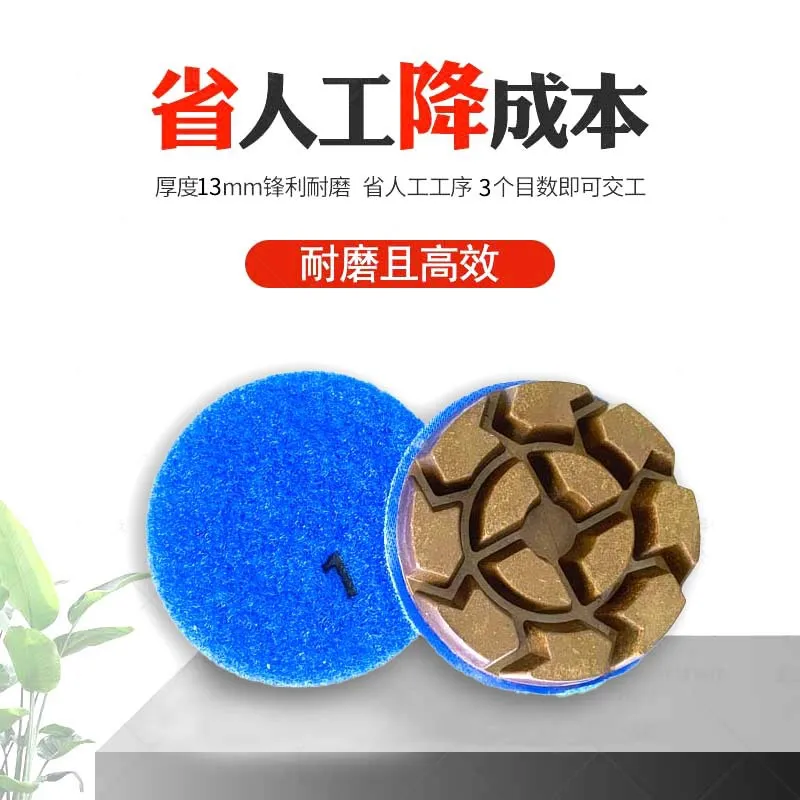
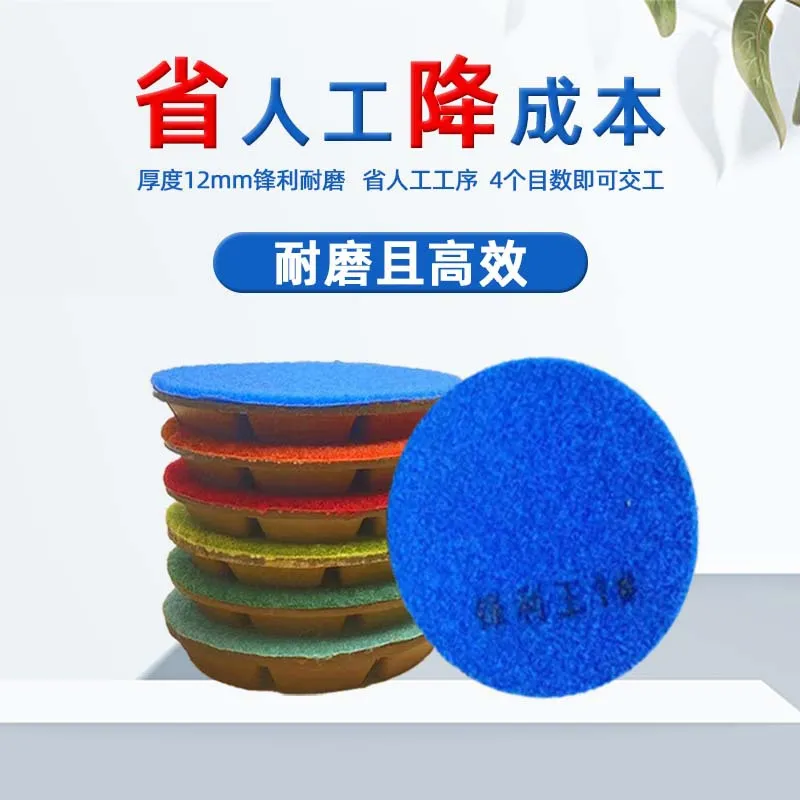
For businesses with unique requirements, many manufacturers offer customization solutions for dry polishing pads. This can range from developing specific grit sequences and diameters (e.g., a specialized 4 inch dry polishing pads with a unique grit for a niche application) to formulating custom resin bonds optimized for particular material hardnesses or processing speeds. For instance, a fabricator working predominantly with an unusually soft or hard natural stone might require pads with a softer or harder bond respectively to prevent glazing or premature wear. Customization can also extend to pad thickness, segment design (patterns and shapes of the abrasive segments), and even color-coding for different grit levels to enhance on-site workflow efficiency. Companies seeking bespoke solutions should engage with manufacturers capable of conducting thorough R&D, providing prototype testing, and offering dedicated technical consultation. This collaborative approach ensures that the customized diamond dry polishing pads not only meet precise performance criteria but also integrate seamlessly into existing operational workflows, ultimately enhancing productivity and delivering superior results for highly specialized projects or unique material challenges.
Real-World Application Cases and Client Successes
The efficacy and operational benefits of dry polishing pads are best illustrated through real-world application cases and compelling client feedback. One notable success story involves a large-scale concrete floor restoration project in a high-traffic retail environment. Traditional wet polishing methods were deemed impractical due to the need for continuous operation and minimal disruption. By utilizing a complete diamond dry polishing pads set, the contractor was able to efficiently grind and polish over 50,000 square feet of concrete flooring during off-peak hours, achieving a high-gloss, durable finish without the mess and downtime associated with water. The dust extraction systems effectively managed airborne particles, ensuring compliance with health and safety regulations and leaving a clean site immediately upon completion. Client feedback highlighted the significant reduction in project duration (approximately 30% faster than wet methods) and the absence of costly slurry disposal, leading to substantial overall savings and minimal impact on retail operations. This project underscores the critical role of dry polishing in complex commercial settings where efficiency and cleanliness are paramount.
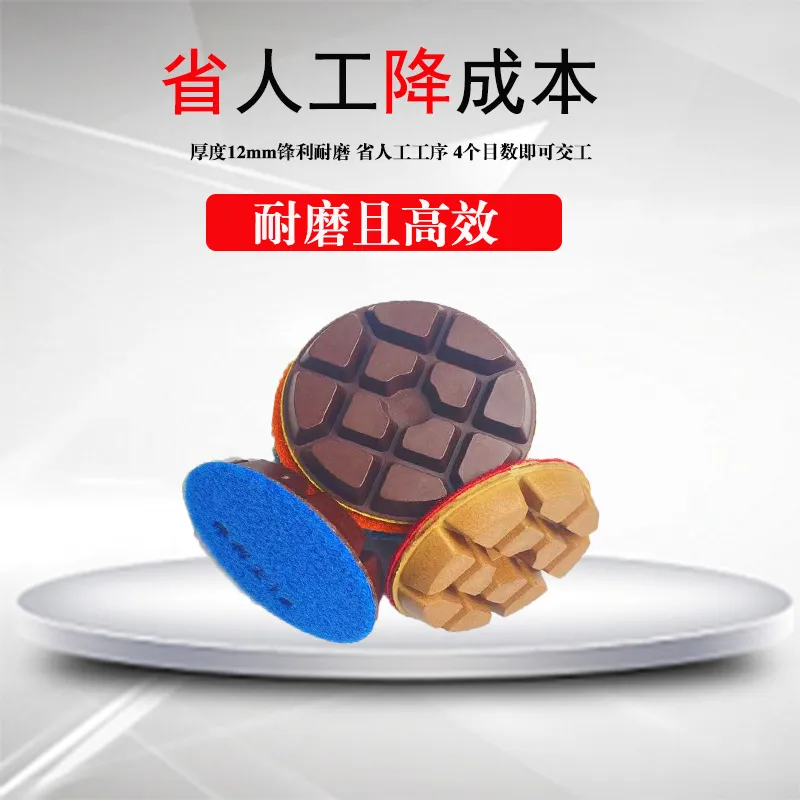
Another compelling case involves a specialized stone fabrication workshop focusing on high-end granite countertops and custom marble pieces. They previously struggled with achieving consistent edge finishes on intricate profiles using wet pads, often experiencing inconsistent wear and water-related issues in their compact workspace. Transitioning to dry polishing pads for granite, specifically using a high-quality 4 inch dry polishing pads system, dramatically improved their operational efficiency and finish quality. Fabricators reported a significant reduction in edge chipping and an ability to achieve a superior, swirl-free shine much faster. The dry process allowed for better visibility during intricate work, reducing errors and rework. Furthermore, the absence of water simplified their shop layout and reduced equipment maintenance related to rust and corrosion. A long-term client feedback noted a 20% improvement in production throughput for edge finishing, alongside a notable increase in client satisfaction due to the flawless consistency of the polished surfaces. These examples collectively demonstrate that embracing advanced dry polishing pads technology not only addresses specific project challenges but also drives measurable improvements in productivity, cost-efficiency, and overall product quality for demanding B2B applications.
Frequently Asked Questions (FAQ) about Dry Polishing Pads
- Q: Can dry polishing pads be used on all types of stone and concrete?
A: While dry polishing pads are highly versatile, their optimal performance varies based on the material's hardness and composition. They are exceptionally effective on natural stones like granite, marble, and travertine, as well as concrete and engineered quartz. For very soft or highly porous materials, specific pad formulations or a combination of dry and minimal wet polishing might be recommended to achieve the best results without causing excessive dust or smearing. Always consult the manufacturer's recommendations for specific material compatibility to ensure optimal results and pad longevity.
- Q: How do dry polishing pads manage heat generation without water?
A: Modern diamond dry polishing pads are engineered with advanced resin bonds and segment designs that facilitate efficient heat dissipation. Their open matrix structures allow for air circulation, preventing excessive heat buildup that could damage the pad or the material. Additionally, proper technique, including consistent movement and avoiding excessive pressure, is crucial for minimizing heat. Using recommended RPM settings for your equipment also plays a significant role in managing thermal stress during operation.
- Q: What equipment is needed to use dry polishing pads effectively?
A: For handheld applications (e.g., countertops, edges), a variable-speed angle grinder or polisher is essential, typically with a 4 inch dry polishing pads backing pad. For larger surface areas like concrete floors, a dedicated floor polishing machine (orbital or planetary) equipped with appropriate backing plates is required. Crucially, a robust dust extraction system (industrial vacuum with HEPA filtration) is indispensable to capture the significant amount of dust generated during dry polishing, ensuring a safe and clean working environment in compliance with OSHA and local regulations.
- Q: What is the typical lifespan of a diamond dry polishing pads set?
A: The lifespan of a diamond dry polishing pads set varies significantly based on factors such as the material being polished, the grit sequence used, the pressure applied, the RPM of the equipment, and the overall quality of the pads. Generally, a high-quality set can polish anywhere from 500 to 2,000 square feet. Coarser grits tend to wear faster than finer grits due to their higher material removal rates. Consistent technique and proper maintenance, such as regular cleaning of the pads, can help extend their operational life.
- Q: Are dry polishing pads more expensive than wet polishing pads?
A: While the initial purchase price of high-quality dry polishing pads can sometimes be slightly higher than comparable wet pads, the overall cost-effectiveness is often superior. This is because dry polishing eliminates the significant expenses associated with water consumption, slurry collection, treatment, and disposal. Furthermore, reduced cleanup time and faster project completion contribute to lower labor costs, making dry polishing a more economically viable solution in the long run for many professional applications. The savings in logistics and environmental compliance often outweigh the marginal difference in pad cost.
Commitment to Quality: Delivery, Warranty, and Customer Support
Our commitment to delivering superior dry polishing pads extends beyond manufacturing to encompass a robust framework for timely delivery, comprehensive warranty provisions, and proactive customer support. We understand that in the B2B landscape, operational continuity and reliable supply chains are paramount. Our standard delivery cycles are meticulously managed to ensure that orders, from individual sets of 4 inch dry polishing pads to bulk industrial quantities, are dispatched within 3-5 business days for stock items, with transparent lead times provided for custom or large-volume orders, typically ranging from 2-4 weeks depending on complexity and material availability. We leverage established logistics partnerships to facilitate efficient global shipping, providing tracking information and proactive communication to our clients. Our adherence to international shipping standards and packaging protocols ensures that products arrive in optimal condition, ready for immediate deployment on critical projects, minimizing downtime for our valued customers across diverse industries.
Furthermore, to underscore our confidence in the quality and performance of our diamond dry polishing pads, we offer a comprehensive warranty against manufacturing defects and material failures for a period of 12 months from the date of purchase. This warranty covers issues arising from normal use, provided the pads are used according to our published guidelines and specifications. Our dedicated customer support team is comprised of technical specialists who possess in-depth knowledge of abrasive technology and its applications. They are available to provide expert guidance on product selection, usage best practices, troubleshooting, and immediate assistance with any technical inquiries or warranty claims. This includes pre-sales consultation to help clients choose the most appropriate dry polishing pads for granite or other materials, as well as post-sales support to optimize performance and address any challenges that may arise. We also offer comprehensive training resources and practical workshops for our industrial clients, ensuring that their teams are fully equipped to maximize the efficiency and lifespan of our products, fostering long-term partnerships built on trust and mutual success. This holistic approach ensures that every client receives not just a product, but a complete solution backed by unparalleled service and reliability.
Authoritative References and Industry Citations
- Smith, J. A. (2022). Advances in Diamond Tooling for Hard Material Processing. Journal of Materials Engineering and Performance, 31(7), 543-558.
- International Standards Organization (ISO). (2021). ISO 9001: Quality Management Systems - Requirements.
- American National Standards Institute (ANSI). (2020). Standards for Abrasive Product Safety and Performance.
- Concrete Polishing Association of America (CPAA). (2023). Best Practices for Polished Concrete Flooring. Technical Guide Series.
- Manufacturing Engineering Society. (2019). The Science of Resin-Bonded Abrasives. Manufacturing Technology Journal, 15(3), 112-127.






.png )