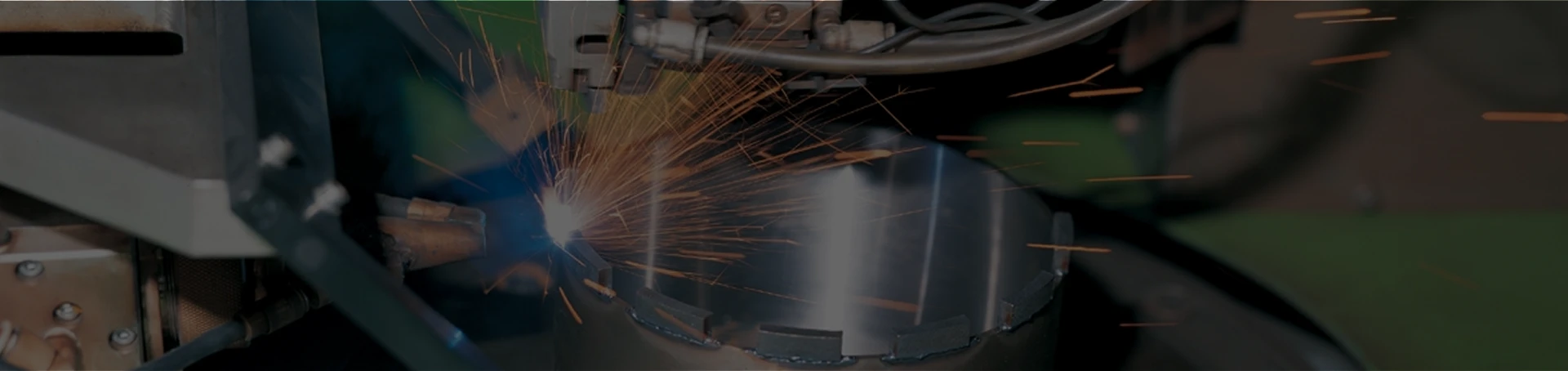
Essential Guide to Diamond Blades for Porcelain Paving – Precision Cutting Tools
Understanding the Diamond Blade for Porcelain Paving: What, Why, and How It Matters
If you’ve ever worked with porcelain paving or similar hard surfaces, you know the importance of precise, clean cuts. Enter the diamond blade for porcelain paving — a tool that’s quietly revolutionizing how we slice through tough porcelain tiles and slabs. It’s not just about cutting tiles neatly; the innovations behind this type of blade are reshaping construction, urban planning, and even disaster recovery around the globe.
Why should you care? Porcelain paving is a popular choice for everything from high-end urban sidewalks to durable industrial flooring. Those tiles aren’t just tough out of the box; cutting them without the right blade risks chipping, waste, and slow work. When you understand how diamond blades work, and why they’re the gold standard, your projects are simply more efficient, more sustainable, and frankly, less frustrating.
Let’s dive into what makes diamond blades for porcelain paving so essential in today’s world.
The Global Importance of Diamond Blades in Porcelain Paving
Porcelain tiles contribute significantly to the global construction and renovation markets — valued in the billions of dollars annually. According to reports from construction industry groups and data from organizations like the International Ceramic Federation, the demand for durable porcelain paving materials has been steadily increasing, especially in Europe, Asia-Pacific, and North America.
Yet, porcelain’s hardness and brittleness create real challenges. Without proper tools, cutting these slabs results in high wastage and longer project timelines. That’s where diamond blades come in, offering precision and durability to meet these industrial demands.
In fact, the United Nations’ Sustainable Development Goals emphasize building sustainable cities and communities (Goal 11), where durable infrastructure — often paved with porcelain or similar materials — plays a huge role. Diamond blades help meet this goal by enabling efficient installation, reducing material waste, and improving long-term durability.
What Exactly Is a Diamond Blade for Porcelain Paving?
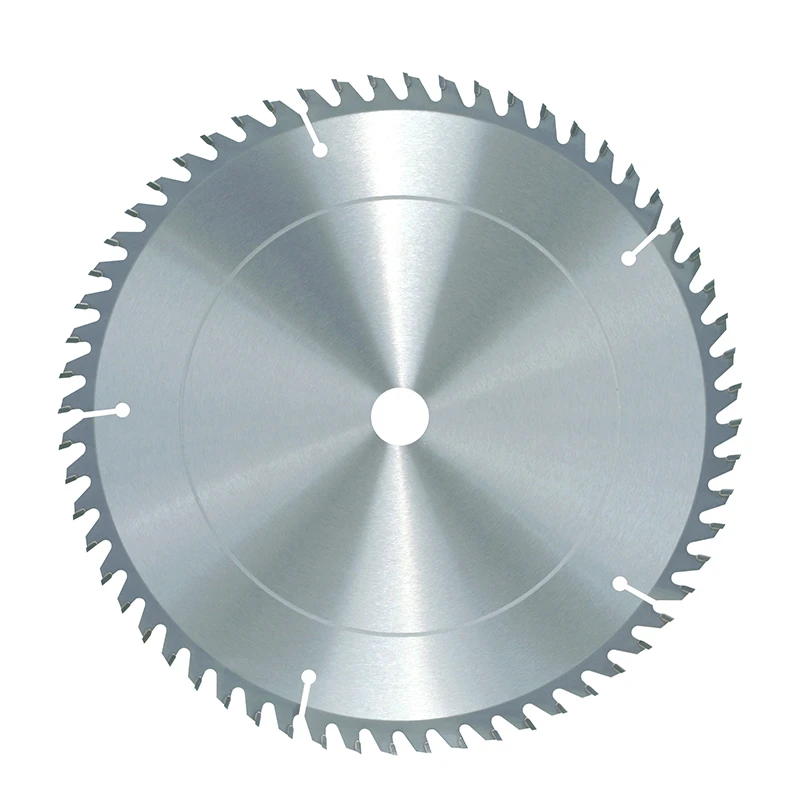
Simply put, a diamond blade is a circular saw blade with a metal core and diamond-embedded edges used for cutting hard materials. For porcelain paving, these blades are specially designed with a combination of diamond grit sizes and bonding materials that allow them to cut through very hard, dense porcelain tiles without cracking or chipping.
Think of it as the scissors of the paving world — except rather than paper, it’s slicing through something almost as hard as stone. These blades are essential in modern industries ranging from construction to landscaping, ensuring surfaces are laid out perfectly, safely, and quickly.
Mini Takeaway:
Diamond blades are indispensable for porcelain paving because they combine toughness with precision, enabling wide-scale use in urban planning and specialized construction.
Key Factors Behind an Effective Diamond Blade for Porcelain Paving
1. Durability
Porcelain’s hardness demands blades that last longer. The right mix of diamond particles and bonding agents lets the blade maintain cutting strength over time, cutting many slabs before needing replacement.
2. Cut Quality
A clean cut means no chips or cracks. The blade’s design often features segmented or continuous rims with fine diamond grains, controlling heat and vibration for smooth edges.
3. Compatibility
Whether it’s used with handheld grinders or bridge saws, blades vary in diameter, thickness, and arbor size. Choosing the correct configuration helps operators work safer and faster.
4. Cost-effectiveness
While initial costs vary, fewer replacements and less material wastage often result in modest total expense, especially for bigger projects.
5. Safety Features
Some blades come with heat-dissipation slots or reinforced cores. These innovations prevent overheating and blade warping, enhancing operational safety.
Mini Takeaway:
Durability, precise cutting, and safety are the pillars of an effective diamond blade designed specifically for porcelain paving tasks.
Diamond Blade for Porcelain Paving: Real-World Applications and Industry Use Cases
These blades find their most visible application in urban landscaping — think plazas, sidewalks, and upscale patios. Europe, especially Italy and Spain, leads in porcelain paving adoption, using diamond blades extensively.
In Asia-Pacific, booming urban construction means these blades are crucial for infrastructure projects where porcelain tiles cover heavy-traffic zones.
Post-disaster relief operations sometimes use pre-fabricated porcelain elements because they’re durable and hygienic — and diamond blades ensure rapid on-site customization.
Even in remote industrial zones, where replacement materials are scarce, having a reliable cutting tool minimizes waste and downtime.
Mini Takeaway:
Diamond blades for porcelain paving support diverse industries, from luxury residential to emergency construction and harsh industrial environments.
Advantages and Long-Term Value of Using Diamond Blades
- Cost Savings: Less material waste means better budget control.
- Time Efficiency: Faster, smoother cuts boost project timelines.
- Sustainability: High durability aligns with environmental goals by reducing overconsumption.
- Safety & Reliability: Reduced chip risk means safer finished surfaces and fewer accidents during installation.
- Innovation & Trust: Using specialized blades shows professionalism to clients, nurturing reputation and trust.
Product Specification Table
| Specification | Value |
|---|---|
| Diameter | 115mm – 400mm |
| Segment Type | Continuous rim, segmented rim |
| Bond hardness | Medium to soft |
| Maximum RPM | 13,300 |
| Cutting Material | Porcelain and ceramic slabs |
| Core Material | Steel alloy |
Vendor Comparison: Choosing the Right Diamond Blade Supplier
| Vendor | Price Range | Blade Quality | Customization Options | Customer Support |
|---|---|---|---|---|
| Alpha Diamond Tools | $$ | High | Yes | 24/7 |
| Precision Cuts Co. | $$$ | Premium | Limited | Business hours |
| BuildTech Supplies | $ | Standard | No | Email only |
The Future of Diamond Blades in Porcelain Paving: Trends to Watch
Innovation in diamond blade technology continues — think nano-diamond coatings, more eco-friendly bonding materials, and smart blades that can adjust cutting speed or monitor wear in real-time. There’s growing interest in automation as well, where robotic systems use diamond blades to achieve flawless paving layouts without human error.
Environmental factors also push the industry toward sustainability. Manufacturers are experimenting with recycled metals for cores and less toxic manufacturing processes. The digital transformation, combined with green initiatives, will likely make diamond blades smarter, greener, and even more user-friendly.
Challenges and Solutions in Using Diamond Blades for Porcelain Paving
Of course, no tech is flawless. Diamond blades require correct handling — for example, overheating can cause premature wear or warping. Porcelain’s brittleness means operators must find the sweet spot between speed and pressure. Plus, some projects have unique tile types that aren’t effectively cut with standard blades.
Experts recommend selecting blades that match tile thickness and hardness, cooling with water during cutting to reduce dust and heat, and training operators on blade maintenance. Some vendors offer trial blades or tailored geometry designs that solve particular cutting challenges, which can be a real game-changer.
FAQ: Common Questions on Diamond Blades for Porcelain Paving
- Q: What makes a diamond blade ideal for porcelain over ceramic or stone?
A: Porcelain is denser and less porous than ceramic, requiring a blade with a softer bond and finer diamond grit to prevent chipping and maintain sharp cuts. - Q: How often should I replace my diamond blade when cutting porcelain?
A: Depending on usage and quality, blades might last from several hundred to a few thousand square feet, but always inspect for wear or uneven cutting. - Q: Can I use dry cutting diamond blades for porcelain tiles?
A: It’s possible but less ideal. Wet cutting reduces heat and dust, prolonging blade life and improving cut quality. - Q: Are diamond blades for porcelain eco-friendly?
A: Newer blades use more sustainable materials and reduce waste by cutting more precisely, but disposal of worn blades still requires careful handling.
Wrapping Up: Why Diamond Blades Matter More Than Ever
Diamond blades for porcelain paving are more than just cutting tools — they’re enablers of modern, sustainable, and efficient infrastructure. When you factor in cost savings, durability, safety, and growing demand for sleek urban spaces, their value is undeniable.
Interested in upgrading your porcelain paving toolkit or learning more? Visit our site diamond blade for porcelain paving to explore options tailored for your needs.
References
Related Products
Related Products





Address
No.30 Gaoying Road ,Chang'an District,Shijiazhuang,Hebei Province
Business Hours
Mon to Saturday : 8.00 am - 7.00 pm
Sunday & Holidays : Closed
.png )