
Diamond Blade for Marble – Precision, Durability & Global Applications
Diamond Blade for Marble: Precision Cutting in a Global Context
When you think of marble—those elegant countertops, pristine flooring tiles, or those majestic statues—you probably don’t immediately think about what made those perfect edges and smooth cuts possible. Enter the diamond blade for marble: a tool that quietly yet critically shapes industries, art, and infrastructures around the world. Why does it matter globally? Marble is one of the most traded natural stones worldwide, with industrial sectors, construction projects, and artistic ventures relying heavily on precise shaping. Understanding how diamond blades work not only reveals fascinating innovations in materials engineering but also highlights efficiency gains and sustainability efforts in modern industry.
Introduction: Why the Diamond Blade for Marble Matters Globally
The global natural stone market is projected to reach around USD 140 billion by 2027, according to industry reports, with marble comprising a significant share. Nations from Italy and India to Brazil and China lead the production and export of marble slabs. But cutting marble is no trivial task: it’s a dense, brittle material that demands precision tools that can cut smoothly without shattering or wasting material.
Traditional blades would dull quickly under the abrasive pressure marble exerts, causing inefficiencies and heightened costs. The diamond blade for marble specifically addresses this challenge by offering unparalleled durability and cutting accuracy. In humanitarian and construction projects — like restoring heritage buildings in Europe or erecting marble flooring in contemporary hotel lobbies — the technology behind these blades directly affects project timelines and budgets.
So here’s the challenge: how do manufacturers keep improving the cutting technology to meet demand while minimizing environmental impact, cost, and risk?
Diamond Blade for Marble: What Exactly Is It?
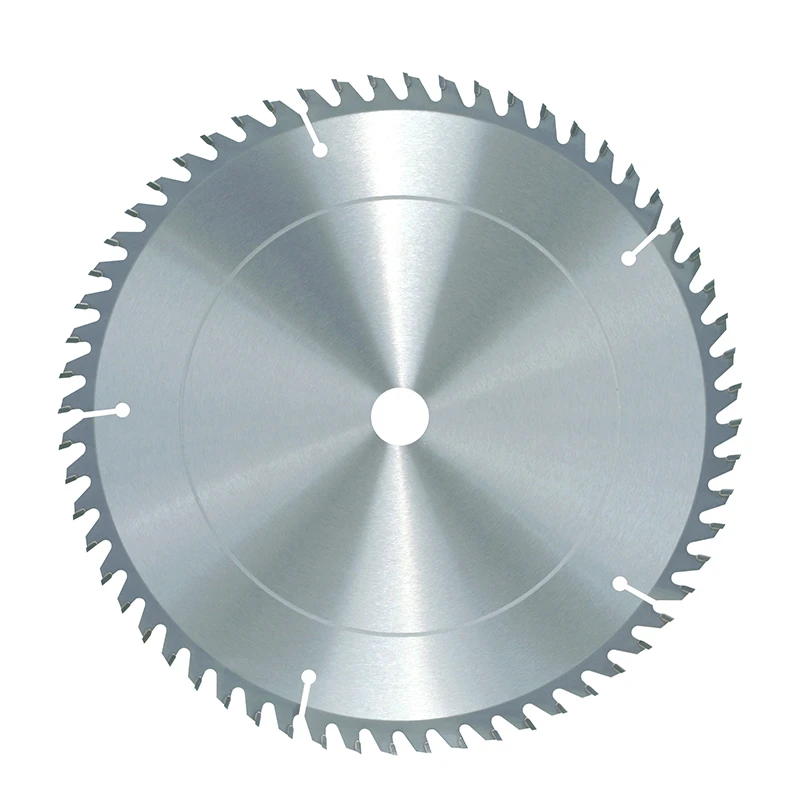
Simply put, a diamond blade for marble is a circular saw blade embedded with diamond grit segments designed to cut through hard stone with ease. Unlike steel blades, diamonds provide superior hardness and wear resistance, allowing for cleaner, faster cuts. This blade type connects to modern industry by enabling precision fabrication — from industrial-scale slab cutting to detailed sculptural work — essential in construction, restoration, and design sectors.
Interestingly, some humanitarian projects also benefit. In post-disaster rebuilding, for instance, repairing marble facades requires efficient, robust tools that minimize waste and maximize safety. So this isn’t just a niche tool; it’s a link in a much larger industrial and cultural ecosystem.
Core Components of a Diamond Blade for Marble
1. Durability
The diamond segments are the star here. Manufactured by fusing synthetic diamonds with metallic bonding agents, these segments ensure long-lasting blade life even when slicing tough marble. Durability means fewer replacements and less downtime—key factors for commercial settings.
2. Cutting Speed and Precision
High cutting speed paired with precision is crucial. These blades balance rapid cutting with minimal chipping or cracking. For art restoration, that level of control is priceless—every tiny stone chip could mean the difference between preservation or ruin.
3. Heat Dissipation
Cutting marble generates a surprising amount of heat. High-quality blades are designed with segment patterns that allow water or air to cool the blade during operation, preventing warping and prolonging life.
4. Segment Bond Types
Choosing the right bond strength is about materials science — softer bonds expose new diamonds faster when cutting harder marble, but they wear out quicker on softer stones. Engineered bonds tune blade performance to the marble type you’re working on.
5. Blade Diameter and Thickness
A large diameter blade can cut thicker slabs but might reduce control. Thin blades help with delicate work and precise cuts, but might sacrifice longevity.
Mini takeaway: Precision, durability, and heat management are the pillars that make diamond blades indispensable for marble cutting jobs worldwide.
Global Applications & Use Cases of Diamond Blades for Marble
Look around, and you’ll see influences of this blade everywhere:
- Construction industries in Europe and Asia use these blades to produce marble tiles, countertops, and façade components at scale.
- Art restoration projects in Italy’s heritage sites depend on ultra-precise cuts without damaging original stonework.
- Post-disaster rebuilding efforts in regions prone to earthquakes or floods rely on quick, reliable tools that minimize material waste during reconstruction of marble-based structures.
- Luxury design manufacturers incorporate diamond blade-cut marble for bespoke installations worldwide.
In regions like India, where marble exports compose a significant economic segment, precision cutting drives the industry’s international competitiveness, reducing broken slabs and shipping costs.
Mini takeaway: From historic preservation to ultra-modern interiors, diamond blades power the diverse uses of marble globally.
Advantages and Long-Term Value of Diamond Blades
The key benefits extend beyond just cutting:
- Cost efficiency: Longer blade life means fewer replacements; smoother cuts reduce expensive waste.
- Sustainability: Efficient cutting consumes less energy, produces less dust, and reduces material loss.
- Safety: Precise cutting reduces the risk of sudden breaks that endanger workers.
- Innovation: Advancements often lead to environmentally friendlier synthetic diamonds and better bonding tech.
On a human level, users often report enhanced confidence in their work, as diamond blades reduce mistakes that can otherwise feel frustrating or costly. It’s a blend of trust and innovation that keeps industries going strong.
Product Specification: Common Diamond Blade for Marble
| Specification | Detail |
|---|---|
| Blade Diameter | 350 mm (14 inch) |
| Segment Type | Turbo rim with diamond grit |
| Max RPM | 4300 |
| Bond Type | Metal sintered (soft bond) |
| Cooling | Wet cooling compatible |
| Application | Marble slab cutting & polishing prep |
Comparing Top Vendors of Diamond Blades for Marble
| Vendor | Price Range (USD) | Durability (hours) | Special Feature | Warranty |
|---|---|---|---|---|
| DiamondEdge Tools | 120 - 160 | 35 hours | Nano-bond tech | 2 years |
| StoneCutter Pro | 90 - 130 | 28 hours | Water-cooled segment design | 18 months |
| MarbleMaster Blades | 150 - 200 | 40 hours | Laser-cut segment slots | 3 years |
Future Trends & Innovations
Oddly enough, diamond blade technology keeps evolving even though diamonds themselves are ancient. Synthetic diamonds refined at the nanoscale promise sharper, longer-lasting edges. We’re also seeing automation in blade manufacturing that ensures microscopic consistency, reducing defects.
Green energy initiatives press blade makers to develop lower-impact manufacturing methods, improved recycling for old blades, and water-saving cooling systems that decrease environmental footprints during marble cutting. Digital tools — like sensors that monitor blade wear in real time — are on the cusp of becoming common. They alert operators before blades fail catastrophically, improving safety and cutting economics.
Challenges & Solutions
Challenges? For sure. The main issues tend to be cost barriers—diamond blades aren’t cheap upfront—and occasionally, mismatches between blade bond types and specific stone hardness lead to premature wear.
Innovations like modular segment designs let operators swap worn parts instead of whole blades. Plus, education around choosing the right blade type for your marble variant is spreading, with manufacturers offering better support and diamond blade for marble usage guides. That seems to be a game-changer for many installers.
FAQ: Frequently Asked Questions About Diamond Blade for Marble
- Q: How long does a diamond blade for marble typically last?
- A: It varies based on marble type and usage but typically ranges from 25 to 40 hours of continuous cutting. Proper cooling and maintenance can extend this lifespan.
- Q: Can I use a diamond blade for cutting other stones?
- A: Yes, but blade bonds and segment designs vary by stone hardness. For granite, different blades optimized for tougher rock are recommended. Using the right blade ensures optimal cutting and longevity.
- Q: Is wet cutting necessary when using diamond blades on marble?
- Wet cutting is highly advised because it cools the blade, reduces dust, and prolongs blade life by preventing overheating and warping.
- Q: How can I select the right diamond blade for my marble project?
- Consider factors like blade diameter, segment type, bond softness, and whether wet or dry cutting is needed. Vendors with detailed specs or support services can assist in matching blades to your project needs.
- Q: Are synthetic diamonds in blades environmentally friendly?
- Synthetic diamonds reduce reliance on mining natural diamonds and are produced with lower environmental impact, making them a greener choice for industrial blade manufacturing.
Conclusion: The Lasting Edge of Diamond Blades in Marble Work
In real terms, mastering marble cutting with diamond blades isn’t just about sharper edges. It's a story of industrial advancement, craftsmanship, and sustainability converging. From luxury hotel floors to ancient monument restoration, precision tools create enduring value.
If you’re involved in marble projects, considering the right diamond blade for marble cuts costs, time, and frustration—while boosting quality. Curious to learn more or find your perfect blade? Visit our website: diamond blade for marble. It feels like the first step to smarter stonework.
References:
Related Products

Related Products






Address
No.30 Gaoying Road ,Chang'an District,Shijiazhuang,Hebei Province
Business Hours
Mon to Saturday : 8.00 am - 7.00 pm
Sunday & Holidays : Closed
.png )