
High-Performance Cutting Disc for Marble | Durable & Precise Stone Blades
Cutting Disc for Marble: The Unsung Hero of Precision Stonework
Marble carving and fabrication don't get a lot of spotlight outside design and construction circles, but if you find yourself staring at delicate marble tiles or a sculpted countertop, there's a tool quietly making this magic happen: the cutting disc for marble. This compact but mighty accessory transforms raw stone into refined art and structural components, helping industries worldwide meet both aesthetic and functional demands.
Understanding this tool isn't just for stonemasons and architects; it's also key for industries like construction, sculpture, and even humanitarian projects rebuilding communities with durable, beautiful materials. In this article, we’ll explore what makes a cutting disc for marble indispensable globally, from its technical specs to its critical role in economic and sustainable development.
The Global Context: Why Marble Cutting Matters
Marble remains a prized material across continents—from Italy’s renowned Carrara marble quarries to the rich limestone formations in India and the Middle East. The global stone industry was valued at over $500 billion in 2022, with marble generation and processing holding a significant chunk.
Marble's popularity isn’t just about beauty. It features prominently in cultural heritage restoration, modern architecture, and high-end residential projects. However, shaping marble isn’t straightforward. It’s dense, brittle, and requires specialized tools. This is where the cutting disc for marble comes into focus. The challenge this tool addresses is balancing precision cuts with speed and limiting waste or breakage — major cost and sustainability factors worldwide.
Roughly 70% of stone processing costs are tied to cutting and finishing operations, so efficiency gains here translate to huge savings. Plus, with more focus on eco-friendly quarrying and stone use—endorsed by ISO standards—high-quality tools affect environmental impact.
What Exactly Is a Cutting Disc for Marble?
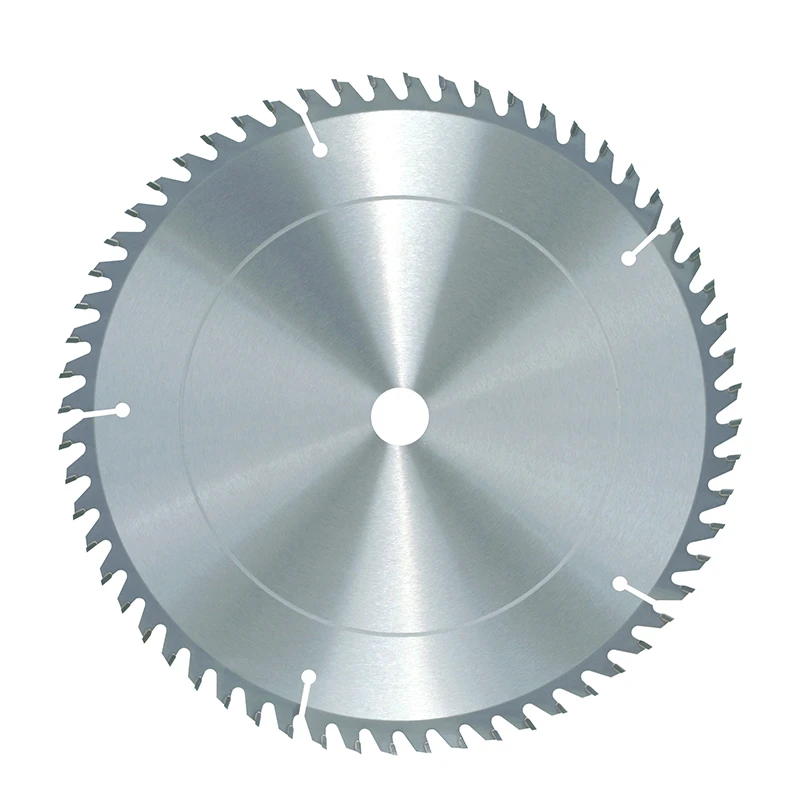
Simply put, a cutting disc for marble is a circular, abrasive blade designed to slice through marble slabs cleanly and safely. Unlike standard metal saw blades, these cutting discs often feature diamond edging or other super-hard materials to withstand marble’s hardness without chipping or overheating.
Connected to angle grinders or wet saw machines, their job is precision cutting at the site or factory to shape marble elements into floors, countertops, tiles, or artistic sculptures. In humanitarian contexts, these discs assist rapidly rebuilding durable infrastructure—marble’s longevity can withstand decades of wear compared to synthetic alternatives.
Key Components & Factors that Define Cutting Discs for Marble
1. Durability & Material Quality
The longevity of the disc hinges on its composite materials, usually industrial-grade diamond grit bonded with resin or metal. High-quality discs resist heat and minimize wear, delivering consistent cutting without frequent replacement. That kind of durability matters since downtime on a project can be costly.
2. Abrasive Grit Size and Distribution
Coarser grit can cut faster but risks rough edges; finer grit yields cleaner finishes but may slow work. Many designers and masons seek a balance suited to their application—sometimes even switching discs mid-project.
3. Diameter and Thickness
Typical cutting discs range from 4" to 14" in diameter. Thinner discs enable finer accuracy and less material waste, while thicker ones hold up better for tougher, larger pieces.
4. Cooling Method
Marble cutting generates heat that can damage both the stone and the blade. Wet-cutting discs use water sprays to cool and reduce dust—a vital factor for both health and precision. Dry discs prioritize portability and speed but require more care.
5. Compatibility with Machines
The disc must suit the tool, often angle grinders or fixed saws. Industry standards exist, but knowing your equipment specifics can avoid costly mismatches or accidents.
Mini Takeaway:
The ideal cutting disc fuses durability, precision, compatibility, and cooling to tame marble’s toughness, paving the way for exquisite craftsmanship and structural soundness.
Real-World Applications: Marble Cutting Across the Globe
The reach of cutting discs for marble truly spans continents and uses. In European architectural preservation, artisans rely on these discs for meticulous restoration of centuries-old facades. In the Middle East’s burgeoning luxury real estate sector, fine marble kitchen countertops are crafted with the utmost precision thanks to these discs.
Meanwhile, on remote islands and rural communities, NGOs use durable marble slabs as part of sustainable building projects, where [cutting discs for marble](https://www.mydiamondblade.com) enable quick on-site shaping—even in challenging environments.
Such versatility shows the disc’s role beyond just industry—it’s a practical enabler of cultural continuity, sustainability, and economic opportunity.
Cutting Disc for Marble: Specification Table
| Feature | Typical Values | Impact on Use |
|---|---|---|
| Diameter | 4" - 14" (100mm - 350mm) | Larger discs for thicker slabs, smaller for detail cuts |
| Thickness | 1.0mm - 3.5mm | Thicker discs resist warping; thinner ones produce finer cuts |
| Abrasive Material | Diamond grit + resin/metal bond | Hardness ensures durability and cleaner cuts |
| Cooling Method | Wet or Dry | Wet minimizes dust & heat; dry prioritizes portability |
| Max RPM | 6,600 - 12,000 RPM | Speed affects cutting efficiency & safety |
Vendor Comparison: Choosing the Right Cutting Disc Supplier
| Supplier | Disc Material | Price Range (USD) | Sustainability Certifications | Global Shipping |
|---|---|---|---|---|
| DiamondPro Tools | Industrial Grade Diamond + Resin | $18 - $45 | ISO 14001 Certified | Yes |
| StoneEdge Blades | Diamond + Metal Bond | $22 - $55 | Limited Green Packaging | Regional |
| MarbleMaster Equipment | Synthetic Diamond + Resin Bond | $15 - $40 | No Certifications | Yes |
The Many Advantages of Choosing the Right Cutting Disc for Marble
Marble is unforgiving, so the right cutting disc doesn't just speed up the work — it transforms it. Reliable discs optimize:
- Cost Efficiency: Fewer blade replacements, less waste, and reduced labor time all save money.
- Precision and Finish: Smooth cuts mean less finishing, preserving marble quality and aesthetic appeal.
- Sustainability: Longer-lasting tools and less discarded stone contribute to more eco-friendly projects.
- Safety: Well-made discs reduce tool kickbacks and dust, protecting operators’ health.
- Innovation: Emerging discs incorporate stronger synthetic materials and smart cooling for better results.
On a human level, it feels rewarding to see tough materials yield finesse under your tools, not to mention the pride of crafting structures and artworks designed to last centuries.
Looking Ahead: Trends Shaping the Future of Marble Cutting Discs
If you thought cutting discs were all about grit and metal, think again — technological leaps are underway. For example:
- Eco-Friendly Materials: Manufacturers are experimenting with recycled diamonds and bio-based bonds to reduce ecological footprints.
- Smart Sensors: Some prototypes aim to detect blade wear in real-time, alerting users to avoid failures.
- Enhanced Cooling Systems: Integrated microfluidics could revolutionize wet-cutting by conserving water while boosting efficiency.
Such innovations align with global pushes for sustainability and workplace safety, indicating a dynamic future.
Common Challenges and How to Overcome Them
Even the best cutting discs face a few hurdles:
- Blade Wear and Breakage: Frequent replacement is expensive but can be mitigated by choosing quality discs and proper cooling.
- Incompatibility with Tools: Knowing your machine specs—RPM, arbor size—is critical.
- Dust and Heat: These not only harm discs but affect operator health; water cooling or dust extraction systems are vital.
Many experts recommend trialing small batches with your gear and conditions before large procurement—pragmatic advice that saves headaches.
FAQ: Frequently Asked Questions About Cutting Disc for Marble
Q1: How do I choose the right cutting disc for marble thickness?
A1: For thinner marble slabs, opt for thinner discs (around 1.5 mm) to reduce material waste and increase precision. Thicker slabs require more robust discs (3 mm or more) to avoid breakage and ensure clean cuts.
Q2: Can I use a cutting disc for marble on other stones like granite?
A2: While some discs are versatile, marble is softer than granite, so you’ll need a disc with a stronger bond and coarser grit for granite to prevent rapid wear.
Q3: Is wet cutting better than dry cutting for marble?
A3: Wet cutting reduces dust, cools the blade, and improves cut quality but requires water management. Dry cutting offers portability but may cause more heat and dust.
Q4: How often should I replace the cutting disc?
A4: Replacement depends on frequency and conditions. Blades that produce rough edges, slow cuts, or overheating signs should be changed. Some high-grade discs last for hundreds of hours.
Q5: Where can I buy quality cutting discs for marble?
A5: Trusted suppliers like MyDiamondBlade offer certified products and support, ensuring compatibility and sustainability.
Conclusion: Why Invest in the Right Cutting Disc for Marble?
In the world of marble shaping, a cutting disc is more than a tool—it’s the bridge between raw potential and refined beauty. The right disc makes the difference between wasteful, hazardous cutting and efficient, precise craftsmanship.
If you’re involved in marble fabrication or construction, investing in high-quality, well-suited cutting discs will yield not just better product outcomes but cost savings, environmental benefits, and safer working conditions.
To find the perfect cutting disc for your next project, visit https://www.mydiamondblade.com and explore their wide range of trusted options.
Mini Takeaway:
Precision tools paired with expert knowledge bring marble to life—from mythical ancient statues to the modern buildings that shape our skylines.
References
Related Products

Related Products






Address
No.30 Gaoying Road ,Chang'an District,Shijiazhuang,Hebei Province
Business Hours
Mon to Saturday : 8.00 am - 7.00 pm
Sunday & Holidays : Closed
.png )