Everything You Need to Know About the 230 Porcelain Blade | High-Precision Tile Cutting Tool
Understanding the 230 Porcelain Blade: Precision Meets Durability
In industries ranging from construction to tile installation, precision cutting tools are essential. Among these, the 230 porcelain blade has garnered considerable attention. But why? Well, this specialized blade epitomizes the fusion of quality and efficiency, especially when working with hard and fragile materials like porcelain. Given porcelain tiles’ toughness and brittleness, using the right blade is not just a convenience — it’s a necessity to avoid cracks and costly waste.
Globally, with the construction and interior design sectors growing steadily (the global tile market alone is expected to exceed $98 billion by 2027 according to Statista), tools that increase precision and durability directly reduce material waste and labor costs. The result is a more sustainable, cost-effective approach. So, grasping what the 230 porcelain blade is and how it works offers a key advantage in both industrial and DIY settings.
Global Relevance of the 230 Porcelain Blade
Picture this: regions like Europe and Asia where porcelain tile use is exploding in residential and commercial buildings. Here, handling delicate materials is a common challenge. According to the International Organization for Standardization (ISO), the right cutting tools can improve efficiency by up to 30% in tile installation projects. So, a precision tool like the 230 porcelain blade is no longer a luxury but a practical necessity.
At the same time, environmental norms demand minimal waste and higher resource efficiency. The blade responds to these challenges by providing cleaner cuts and reducing breakage — something that’s often overlooked but critical on complex projects. Oddly enough, it’s not just contractors who benefit; even humanitarian organizations that set up quick shelters or sanitary facilities in disaster zones find porcelain’s durability indispensable, making specialized blades essential tools on their supply lists.
What Exactly Is a 230 Porcelain Blade?
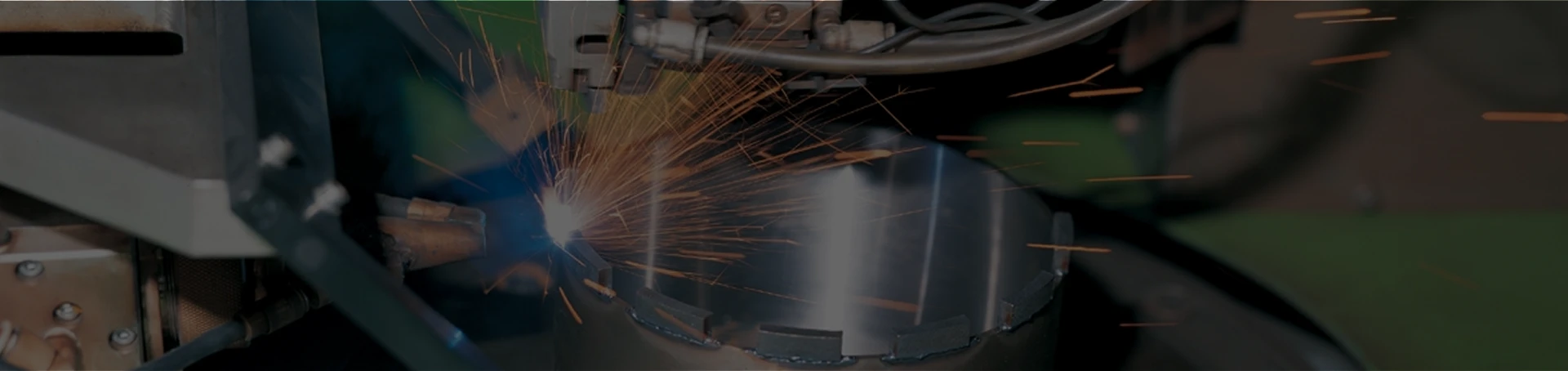
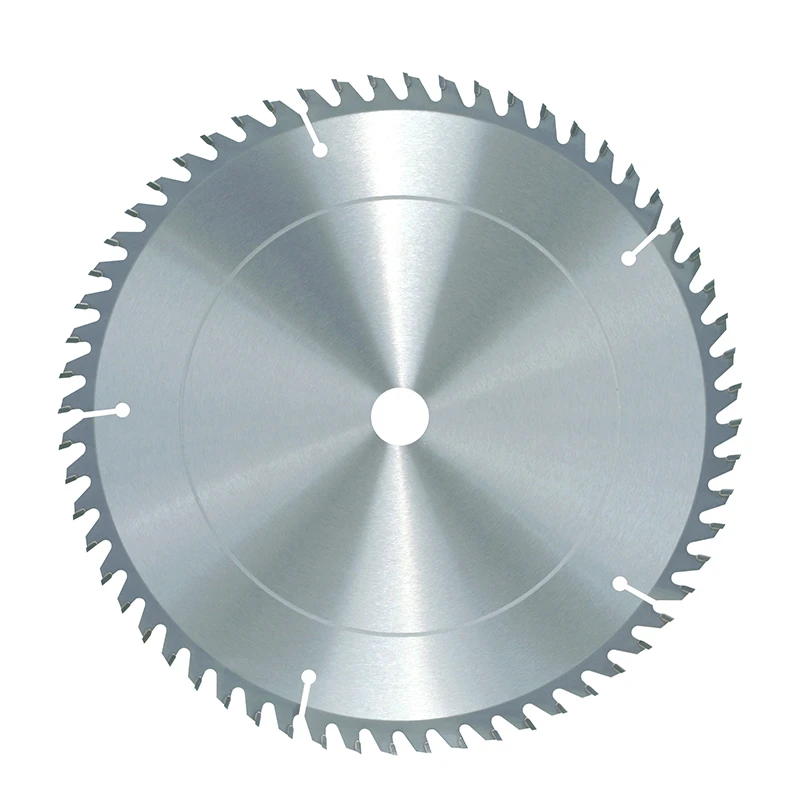
Simply put, a 230 porcelain blade is a circular cutting blade, generally 230 millimeters in diameter (hence the number), designed explicitly for cutting porcelain tiles and other similarly hard materials. Unlike generic blades, it combines diamond segments with a bond tailored to porcelain’s hardness and heat sensitivity.
This means the blade stays sharper longer, produces less dust, and minimizes chip-outs—those tiny but frustrating breaks on tile edges. It’s a fine example of how modern materials engineering serves practical, real-world needs — whether you're creating a stylish kitchen backsplash or working on industrial flooring.
Core Components and Features of the 230 Porcelain Blade
1. Durability
The diamond segments are engineered for hardness but also resilience, offering a balance that prevents excessive wear. This longevity means fewer blade changes and downtime, especially helpful in large-scale applications.
2. Precision Cutting
With narrow kerfs and optimized diamond placement, these blades help achieve clean, straight cuts without splintering — a critical factor since porcelain’s brittle nature reveals flaws instantly.
3. Heat Dissipation
Porcelain blades typically have segments spaced to allow air flow, preventing overheating that could warp the blade or damage the tile.
4. Compatibility
Designed for wet or dry saws with standard 230mm mounts, they fit widely available tools, striking a balance between specialized tool benefits and accessibility.
5. Cost Efficiency
While sometimes priced above generic blades, the reduced tile wastage and faster cutting times actually lower overall project expenses—proof that quality often pays off.
Mini Takeaway:
- The 230 porcelain blade is a precision piece engineered for durability and clean cuts on hard materials.
- Its specialized design translates directly to cost and labor savings during tile installation.
Product Specifications at a Glance
| Specification | Detail |
|---|---|
| Diameter | 230 mm |
| Segment Type | Continuous rim with diamond grit |
| Max RPM | 6,600 |
| Cutting Type | Wet or dry cuts |
| Application | Porcelain tile & dense ceramics |
Where and How Are 230 Porcelain Blades Used Globally?
If you've ever walked through a newly tiled airport or luxury hotel lobby, chances are precise cutting tools like these were quietly at work behind the scenes. The 230 porcelain blade sees extensive use in:
- Europe and North America: Popular in high-end residential and commercial building projects, where flawless cuts make a visible difference.
- Asia-Pacific: Rapid urbanization and construction boom means large volumes of porcelain are cut daily.
- Disaster-relief installations: Although it might seem niche, humanitarian groups installing durable sanitary facilities often rely on porcelain slabs and thus need reliable blades.
In real terms, this blade shines in projects requiring sharp and clean aesthetics but with industrial durability. Take the case of a commercial flooring contractor I spoke with last year — switching to a 230 porcelain blade cut their project time by roughly 20% while seeing near-zero tile rejection rates.
Mini Takeaway:
- 230 porcelain blades support diverse industries, from luxury construction in urban centers to emergency infrastructure in remote zones.
- Their reliability improves project speed and material usage efficiency globally.
Advantages and Long-Term Value
The long game with a 230 porcelain blade is clear. Using a tool that understands the materials you work with reduces costly errors, speeds progress, and improves the finished product's quality. Frankly, it’s not just cost and time—it’s about trust: knowing your blade won’t chip expensive tiles after hours of work.
From an environmental perspective, minimizing broken tiles means less waste in landfills, echoing the sustainability goals many companies now champion. And on a human level, cleaner cuts mean safer edges, which is important for end users in homes or commercial spaces.
Future Trends and Innovations
Looking ahead, manufacturers are increasingly using nano-diamond coatings and hybrid segment designs to further enhance lifespan and cut quality. There’s also movement toward blades optimized for automated robotic cutting systems — think CNC-enabled precision combined with reliable hardware. Green manufacturing practices and recyclable blade components are on the rise as well, addressing environmental and regulatory pressures head-on.
Challenges and Expert Solutions
That said, the 230 porcelain blade isn’t without its challenges. Improper use—like exceeding max RPM or neglecting wet cutting when required—can lead to early blade failure or poor cuts. Some users report difficulty cutting ultra-thin porcelain without chipping, although advances in blade segment design are addressing this.
Experts recommend always matching blade specs to tile thickness and hardness, and considering blade maintenance routines seriously. It might seem obvious, but even seasoned pros can forget that cooling the blade adequately is vital. Until smart sensors become mainstream, vigilance remains a key part of the solution.
Mini Takeaway:
- Proper blade handling is as important as the blade itself for optimal results.
- Innovation continues to address current limitations, ensuring future blades perform even better.
Frequently Asked Questions About 230 Porcelain Blades
- Q: Can I use a 230 porcelain blade for other types of tiles?
- A: Yes, while optimized for porcelain, the blade can usually cut dense ceramics and some natural stones, but results vary — always check compatibility and test on scraps first.
- Q: How do I know when my porcelain blade needs replacement?
- A: Signs include longer cutting times, rough edges, visible wear or missing diamond segments, and overheating. Regular inspection helps avoid unexpected downtime.
- Q: Is wet cutting always necessary with these blades?
- A: Not always, but wet cutting reduces heat and dust, extending blade life and improving cut quality. Many professionals recommend it especially for prolonged use or harder materials.
- Q: Where can I buy high-quality 230 porcelain blades?
- A: Trusted hardware suppliers and specialized online stores, like MyDiamondBlade.com, offer certified blades with customer support and warranties.
- Q: Are 230 porcelain blades suitable for DIY home projects?
- A: Absolutely. Their user-friendly design and compatibility with common saws make them accessible for both professionals and serious DIYers.
Vendor Comparison for 230 Porcelain Blades
| Vendor | Price Range (USD) | Warranty | Special Features | Recommended For |
|---|---|---|---|---|
| DiamondPro | $50 - $70 | 6 months | Enhanced heat dissipation | Professional contractors |
| TileMaster | $40 - $60 | 1 year | Continuous rim diamond segments | DIY enthusiasts & pros |
| ProCut Tools | $55 - $80 | 9 months | Nano-diamond coated edges | High precision & industrial use |
Conclusion: Why the 230 Porcelain Blade Remains an Industry Staple
In essence, the 230 porcelain blade embodies a thoughtful marriage of engineering and practical know-how. It solves real-world problems of accuracy, durability, and sustainability in tile cutting. Whether you’re a contractor facing cumbersome projects or a DIYer wanting professional results, this blade stands out as a reliable ally.
If you’re interested in upgrading your cutting tools and reaping these benefits firsthand, don’t hesitate to visit our website. There, you’ll find a range of high-quality 230 porcelain blades tailored to various needs and budgets.
In the rapidly evolving world of construction materials and tools, little things like the right blade can make all the difference — not just in results, but in how you feel working day-to-day. And isn’t that worth a closer look?
References:
Related Products
Related Products





Address
No.30 Gaoying Road ,Chang'an District,Shijiazhuang,Hebei Province
Business Hours
Mon to Saturday : 8.00 am - 7.00 pm
Sunday & Holidays : Closed
.png )