What is a 180mm Porcelain Blade? Essential Guide for Precision Cutting
Understanding the 180mm Porcelain Blade: Precision Meets Durability
When you hear “180mm porcelain blade,” you might picture a specialized cutting tool — and you’d be right. These blades are essential in industries requiring precision cutting of porcelain and other ceramics. Globally, as construction and tiling industries expand, the 180mm blade has become a quiet workhorse, enabling smooth, clean cuts for flooring, countertops, and intricate tile work. Knowing what makes these blades tick is more than just a niche curiosity; it’s about appreciating the technology behind a product that supports infrastructure and design worldwide.
Global Context: Why the 180mm Porcelain Blade Matters
Globally, the tile and ceramic market is booming. According to Statista, the global ceramic tiles market size is expected to grow steadily, driven by rising construction activities and renovation projects. Porcelain tiles, prized for their durability and water resistance, often demand specialized cutting tools like the 180mm porcelain blade to maintain integrity without chipping. These blades address this challenge directly, making them vital in sectors ranging from commercial real estate to humanitarian rebuilding efforts.
Oddly enough, precise cutting can reduce material waste – an often overlooked yet critical environmental aspect. Reducing waste aligns with global sustainability goals highlighted by the ISO. So, the humble blade is part of a broader sustainability puzzle.
Mini takeaway: The 180mm porcelain blade is a key enabler in global ceramic industries, marrying precision and sustainability by minimizing waste during cutting operations.
What Exactly is a 180mm Porcelain Blade?
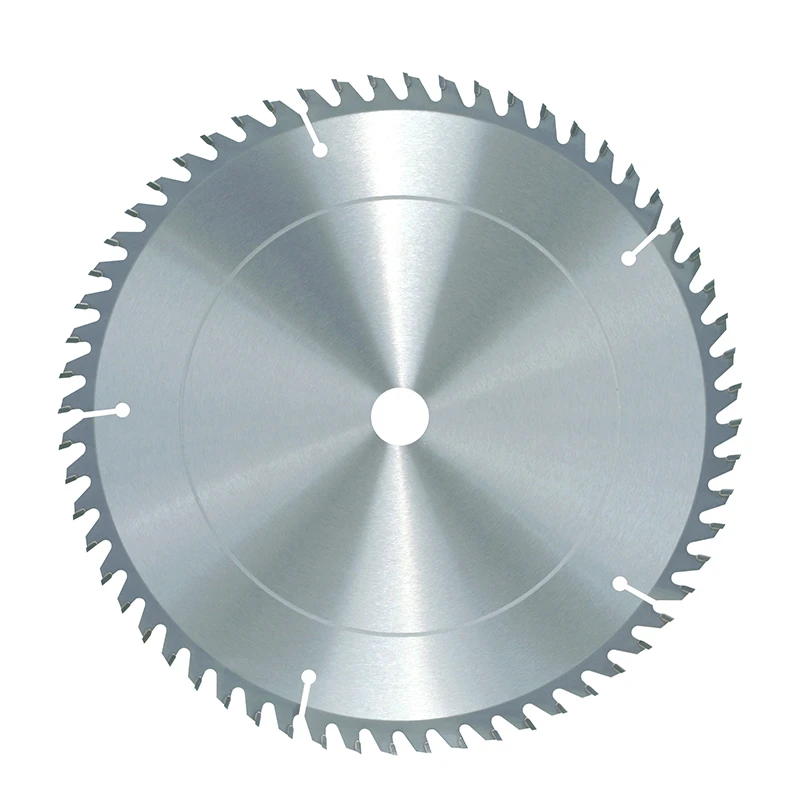
At its core, a 180mm porcelain blade is a circular cutting disc—typically measures 180 millimeters (about 7 inches) in diameter—designed specifically to slice through hard, brittle materials like porcelain tiles. Its edge is usually diamond-coated or embedded with fine abrasive particles to provide the necessary hardness, since porcelain is both dense and prone to chipping under the wrong pressure.
These blades are engineered not just for strength but for finesse. The right blade allows craftsmen and contractors to make clean, straight cuts without cracking or breaking the tile—something that cheaper, inappropriate blades often fail at, leading to costly material waste and rework.
Key Features of the 180mm Porcelain Blade
1. Durability
These blades are designed with robust cores, often steel, and diamond-tipped edges to resist wear. The diamond coating allows for longer blade life—crucial for commercial jobs where time equates to money.
2. Cut Quality
Precision is king. The design minimizes vibrations and chipping. Many blades feature segmented or continuous rims depending on the finish required. The continuous rim, for example, is smoother but slower, perfect for delicate porcelain surfaces.
3. Compatibility
The 180mm size is quite versatile, fitting many handheld tile saws and grinders. This size strikes a balance—big enough to cut deeper tiles but compact enough for portability.
4. Cooling Mechanisms
To prevent overheating—which could crack tiles or degrade the blade—many blades are designed for wet cutting (using water) or have ventilation slots. Wet cutting is often recommended for porcelain.
5. Cost Efficiency
Though specialized blades cost more upfront than generic blades, their longer lifespan and superior finish reduce overall project expenses.
| Feature | Details |
|---|---|
| Diameter | 180mm (7 inches) |
| Material | Steel core with diamond composite edge |
| Rim Type | Continuous or segmented |
| Cutting Method | Wet or dry (wet preferred for porcelain) |
| Max RPM | Around 8,600 RPM |
Global Applications & Use Cases
Porcelain tiles are everywhere—from upscale urban centers in Europe to emerging markets in Southeast Asia. The 180mm porcelain blade sees varied applications:
- Commercial Construction: Large retail and corporate buildings need durable, elegant flooring solutions often cut with porcelain blades.
- Residential Renovations: Homeowners upgrading kitchens or bathrooms rely on these blades for flawless tile installations.
- Post-Disaster Rebuilding: NGOs rebuilding after natural disasters in regions like South Asia often use porcelain tile flooring — cutting blades make on-site customization practical.
- Artisan & Custom Work: Artists working with porcelain or ceramic mosaics utilize smaller blades for intricate cutting.
In real terms, I’ve heard contractors say they couldn’t deliver the smooth lines demanded by modern architecture without these specific tools. They’re reliable and consistent - attributes that matter when deadlines loom.
Vendor Comparison: Leading 180mm Porcelain Blade Providers
| Vendor | Blade Type | Price (USD) | Max RPM | Wet Cut Suitable |
|---|---|---|---|---|
| DiamondEdge Pro | Continuous rim | $45 | 8,500 | Yes |
| CeramiCut Ultra | Segmented rim | $40 | 8,600 | Yes |
| ProTile Supreme | Continuous rim | $50 | 8,400 | Yes |
Advantages & Long-Term Value of Choosing the Right Blade
The benefits of investing in a high-quality 180mm porcelain blade are both tangible and subtle:
- Cost Savings: Less wastage means less buying new tiles. A better blade actually reduces overall expense.
- Enhanced Safety: Cleaner cuts track less debris and dust, reducing hazards on work sites.
- Reliability & Trust: When your tools perform as expected, you build client confidence.
- Sustainability: Precise cutting supports eco-friendly building practices.
You know, many professionals say a great blade is a “silent partner” in project success — it just quietly does its job well.
Emerging Trends & Innovations
Technology marches on. We see these blades incorporating:
- Advanced Diamond Bonding: Improving blade longevity and cutting speed without sacrificing finish quality.
- Eco-friendly Manufacturing: Less toxic chemicals used during production.
- Smart Tools: Sensors that monitor RPM and blade wear to pre-emptively notify operators.
In some regions, there’s a push to optimize blade materials for compatibility with green building materials.
Challenges & Practical Solutions
Of course, not everything is perfect. Users often face:
- Overheating: Without proper water cooling, porcelain tiles can crack.
- Compatibility Issues: Some blades may not fit all saw types.
- Cost Concerns: High-quality blades are more expensive upfront, which can deter smaller contractors.
Experts recommend always pairing blades with compatible saws, using water cooling whenever possible, and considering total lifecycle costs rather than the initial price tag. For smaller projects, mid-range blades with good customer reviews often strike a good balance.
FAQ: Common Questions About 180mm Porcelain Blades
- What makes a 180mm porcelain blade different from regular tile blades?
- Porcelain blades have diamond coatings specifically formulated for dense, brittle materials. Unlike ceramic blades, they reduce chipping and last longer during wet cutting.
- Can I use a 180mm porcelain blade for other materials?
- While primarily designed for porcelain, these blades can cut some ceramics and stones, but you risk faster wear and subpar cuts on very hard materials like granite.
- Is wet cutting necessary?
- Wet cutting is recommended to reduce heat build-up, avoid blade warping, and minimize dust. Dry cutting is possible but usually leads to faster blade wear and tile damage.
- How do I know when to replace the blade?
- If you notice slower cutting speeds, rough edges, or visible damage on the blade’s edge, it’s time to replace it. Most professionals track cutting hours to preempt issues.
- Where can I buy reliable 180mm porcelain blades?
- Many vendors sell them online; brands like DiamondEdge and CeramiCut are popular choices backed by professional reviews.
Conclusion: Why the 180mm Porcelain Blade is a Smart Investment
To sum up, the 180mm porcelain blade is far more than just a tool—it’s an essential component in modern construction and design that supports quality, sustainability, and efficiency. With increasing demand for durable ceramic and porcelain finishes worldwide, understanding the blade's technology gives you a clear edge. If you want tools that marry precision and longevity, this blade deserves a spot in your toolkit.
Looking for dependable 180mm porcelain blades? Visit https://www.mydiamondblade.com to explore our full range and learn more.
Final thought: Sometimes, the smallest tools make the biggest difference.
References
Related Products
Related Products






Address
No.30 Gaoying Road ,Chang'an District,Shijiazhuang,Hebei Province
Business Hours
Mon to Saturday : 8.00 am - 7.00 pm
Sunday & Holidays : Closed
.png )