Everything You Need to Know About the 300mm Porcelain Blade | Best Cutting Tool Guide
The 300mm Porcelain Blade: Why It’s a Game-Changer Across Industries
If you’ve ever wondered what makes cutting porcelain tiles, ceramics, or certain engineered materials both precise and effortless, the magic often lies in the tool's heart: the 300mm porcelain blade. It sounds niche, sure — but this blade plays a surprisingly big role in construction, manufacturing, and even disaster relief worldwide. Understanding it means appreciating how a seemingly simple product shapes efficiency, safety, and sustainability in various global industries.
Global Context: Why the 300mm Porcelain Blade Matters Now More Than Ever
With international trade soaring and infrastructure booms in developed and developing nations alike, the demand for high-quality ceramic materials — porcelain tiles, sanitary ware, and decorative elements — has exploded. According to the International Trade Centre (ITC), global ceramic tile shipments steadily increased by around 3–5% annually over the last decade. That’s a lot of slabs to cut accurately, safely, and with minimal waste.
Yet, porcelain is notoriously challenging to cut without cracking or chipping. Traditional blades just don’t cut it (pun intended). This is where the 300mm porcelain blade comes in, balancing size, material composition, and tech upgrades to meet industry demands efficiently, from Asia to Europe to the Americas.
This blade also addresses concerns around speed and precision on job sites, and, frankly, in hazardous environments where safety is non-negotiable.
Mini Takeaway:
The 300mm porcelain blade isn’t just a "tool," it’s a critical enabler for growing global ceramic markets and safer, better quality construction projects.
What Exactly Is a 300mm Porcelain Blade?
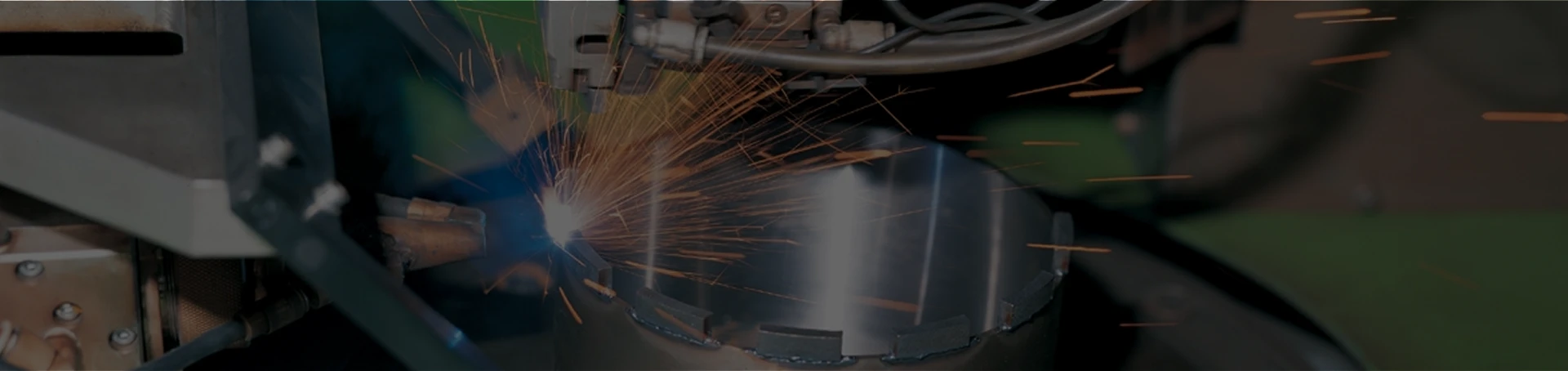
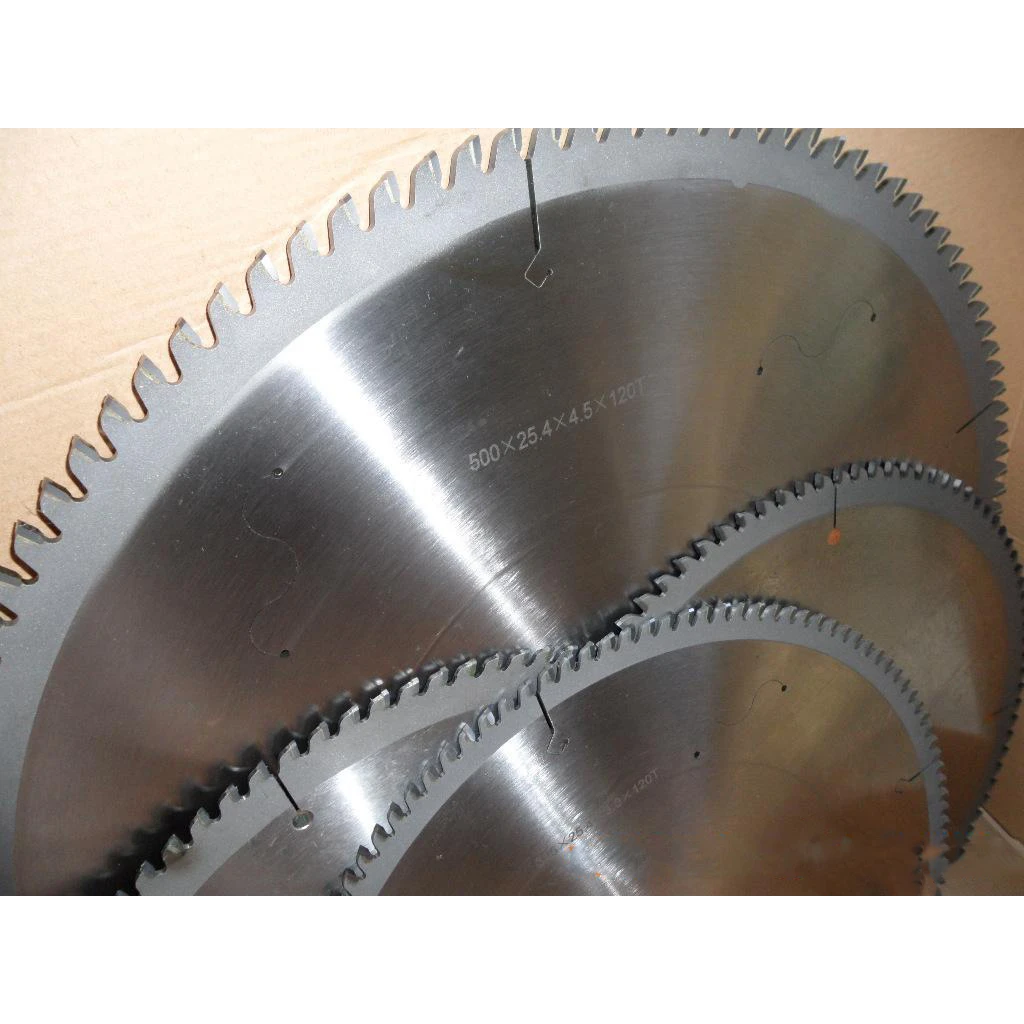
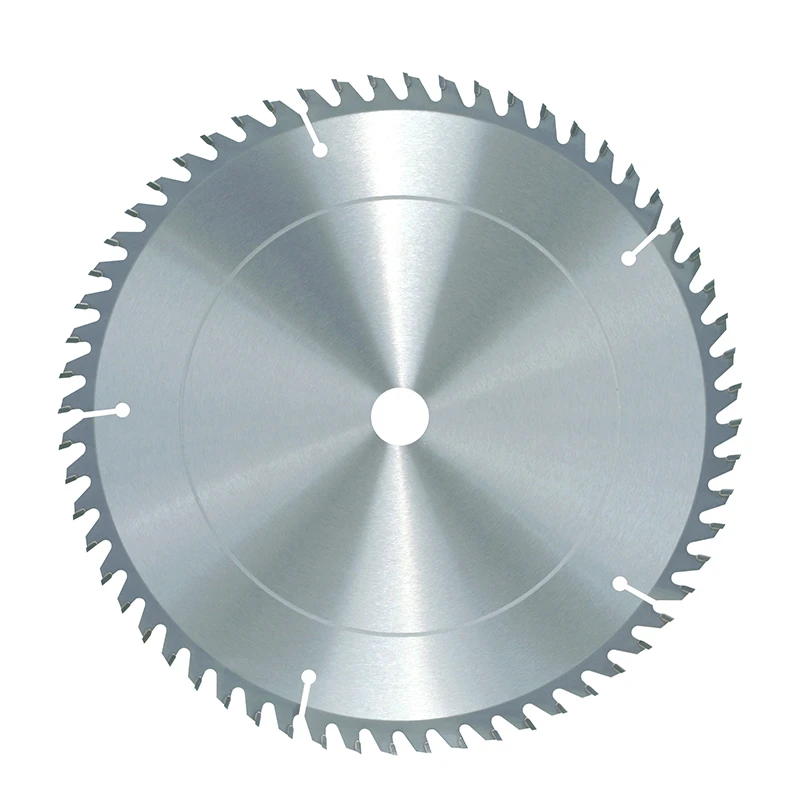
Put simply, the 300mm porcelain blade is a circular cutting blade – 300 millimeters in diameter – specially engineered to slice through dense and brittle porcelain materials. Its composition is typically diamond-tipped or impregnated, which provides the durability and sharpness needed to handle porcelain's hardness without excessive wear.
Its design caters not only to hobbyists but also industrial and humanitarian sectors, such as rebuilding post-disaster housing with porcelain tiles quickly and safely. It helps workers maintain high throughput and quality standards, which is why it’s become standard equipment across many industries.
Key Features and Components of the 300mm Porcelain Blade
1. Diamond Impregnated Edge
Diamonds aren’t just shiny – they're essential for cutting through porcelain's resilient structure. The blade’s edge contains synthetic diamonds embedded in a metal matrix, giving it both hardness and heat resistance.
2. Blade Size and Thickness
At 300mm diameter, the blade offers a strong balance: large enough for deep cuts, yet manageable on most cutting machines. The thickness is optimized so it doesn’t waste material but also doesn’t flex or break during heavy-duty use.
3. Cooling and Heat Dissipation Design
Advanced blades often feature laser-cut segments or holes to reduce heat buildup, which is crucial because excessive heat can weaken cuts and damage porcelain.
4. Compatibility and Scalability
These blades fit a range of tile-cutting saws — handheld or stationary – and come in different bond hardness levels suitable for dry or wet cutting methods.
5. Cost Efficiency and Longevity
Compared to cheaper generic blades, a good 300mm porcelain blade can last 3-5x longer, reducing downtime and material waste, which, in large projects, adds up to significant savings.
Mini Takeaway:
When choosing a 300mm porcelain blade, pay attention to diamond quality, segment design, and blade compatibility to get the most from your investment.
Practical Uses of the 300mm Porcelain Blade Around the World
In real terms, this blade isn’t just a tool in workshops. For example:
- In South-East Asia, factories rely on 300mm blades to mass-produce precise ceramic tile cuts for booming urban developments.
- European artisans use these blades on wet cutting machines to craft elegant ceramic pieces without micro-cracks.
- In disaster-stricken zones, NGOs deploying temporary shelters choose porcelain materials for durability and hygiene and rely on these blades for onsite fitting and customization.
- Remote industrial mining sites use robust blades to maintain infrastructure with minimal tool replacement needs.
Industries such as automotive ceramics and electronics also utilize specialized variations of this blade for component fabrication, showing its cross-sector versatility.
Advantages & Long-Term Value of Using the 300mm Porcelain Blade
What stands out is not just the technical performance but the holistic benefits:
- Precision cuts: perfect edges mean less rework and happier clients.
- Lower material waste: reduces costs and supports environmental goals.
- Improved safety: smooth cutting lowers the risk of accidents associated with chipping or blade failure.
- Reliability: delivers consistent results even in challenging conditions.
- Emotional satisfaction: craftsmen and workers gain confidence with dependable tools.
Product Specification Table: Typical 300mm Porcelain Blade Model
| Specification | Details |
|---|---|
| Diameter | 300 mm (12 inches) |
| Segment Height | 10 mm |
| Segment Material | Synthetic Diamond + Metal Bond |
| Blade Thickness | 2.8 mm |
| Cutting Method | Wet & Dry Use |
| Max RPM | 5500 |
How Different Vendors Stack Up: A Quick Comparison
| Vendor | Price (USD) | Average Lifespan (cuts) | Warranty | Unique Selling Point |
|---|---|---|---|---|
| Diamond Edge Co. | $85 | 2500 | 1 year | High precision cuts |
| TileMasters | $70 | 1800 | 6 months | Cost-effective |
| ProCut Tools | $95 | 3200 | 2 years | Extended durability & warranty |
Looking Ahead: Innovations and Trends in 300mm Porcelain Blades
The future is all about sustainability and smart tech. Blade manufacturers are experimenting with greener materials and eco-friendly bonding agents to reduce environmental impact. Additionally, some innovators are integrating sensors into blade mounts that monitor wear and cutting temperature in real time, triggering alerts when replacement’s near — fascinating stuff if you’ve ever had unexpected blade failure at the worst moment.
Also, with the rise of automation and robotic cutters in manufacturing, the 300mm porcelain blade is adapting to new precision demands and faster work cycles.
Challenges & How Industry Experts Tackle Them
While the 300mm porcelain blade is a robust option, it’s not immune to issues. Common problems include overheating during dry cuts, segment wear from impurities in tiles, and compatibility mismatches.
Experts recommend:
- Always using water cooling when possible.
- Regularly inspecting blade alignment.
- Purchasing blades from reputable suppliers who offer product guarantees.
Above all, training operators on best practices can prevent costly mistakes – a point often overlooked.
FAQ: Your 300mm Porcelain Blade Questions Answered
Q1: Can I use a 300mm porcelain blade on other materials?
A: While optimized for porcelain and ceramics, many blades also handle granite and engineered stones. But frequent switching may reduce lifespan and affect cut quality, so choose blades rated for specific tasks.
Q2: How do I know when to replace my blade?
A: Look for signs like slower cutting speed, chipping edges, or visible segment wear. Also, if overheating occurs despite cooling, it’s probably time to replace.
Q3: What’s the difference between dry and wet cutting blades?
A: Wet cutting blades use water to cool and reduce dust, prolonging blade life. Dry cutting blades are made for quick jobs but generally wear faster and create more dust.
Q4: Where can I buy reliable 300mm porcelain blades?
A: Trusted vendors include specialized manufacturers like Diamond Edge Co., TileMasters, and ProCut Tools — each offering specific benefits depending on your needs and budget.
Q5: Are higher-priced blades worth the investment?
A: Generally yes. Premium blades last longer, cut cleaner, and safe operation reduces downtime. Over large projects, savings can offset the initial cost.
Conclusion: Invest Wisely, Cut Smartly
To wrap up, the 300mm porcelain blade isn’t just a consumable — it’s a critical enabler for delivering high-quality, sustainable, and safe cutting in a growing global market. Whether you’re a contractor, manufacturer, or humanitarian organization, using the right blade translates into efficiency and trust on site.
So next time you’re tasked with cutting porcelain, remember the blade does more than just spin — it shapes outcomes.
For more on reliable and efficient porcelain cutting tools, visit our website: 300mm porcelain blade.
References:
Related Products
Related Products





Address
No.30 Gaoying Road ,Chang'an District,Shijiazhuang,Hebei Province
Business Hours
Mon to Saturday : 8.00 am - 7.00 pm
Sunday & Holidays : Closed
.png )