High-Quality 250mm Porcelain Blade | Precision Cutting for Porcelain Tiles
Understanding the 250mm Porcelain Blade: A Precision Tool with Global Impact
At first glance, the 250mm porcelain blade might sound like a niche tool designed for a tiny corner of the construction world — but don't be fooled. This diamond blade, optimized for cutting hard porcelain tiles, represents an intersection of precision engineering, global industry demand, and sustainable building practices. As urbanization accelerates worldwide and material standards advance, having the right cutting tools isn't just convenient; it's essential for quality, efficiency, and safety.
From fast-tracked infrastructure projects to delicate tile installations in residential homes, understanding the ins and outs of this specialized blade is a key benefit for architects, engineers, and contractors everywhere.
Global Demand and Industry Context for Porcelain Cutting Tools
Globally, the ceramic and porcelain tile market has been on an upward trend. According to an ISO assessment and recent market stats, tile production is booming in regions like Asia-Pacific, Europe, and parts of Latin America, driven by growing urban populations and rising incomes (ISO 13006 on ceramic tiles). This places a strong demand on cutting technologies that can handle extremely hard, low-porosity materials like porcelain without chipping or wasting time.
Oddly enough, many professionals underestimate how much the choice of blade impacts installation time and tile integrity. The wrong blade can cause cracks, safety hazards, and rework costs that cascade beyond the immediate workspace. Plus, as sustainable practices become a priority, minimizing waste also means choosing the right cutting tool from the start.
What Exactly Is a 250mm Porcelain Blade?
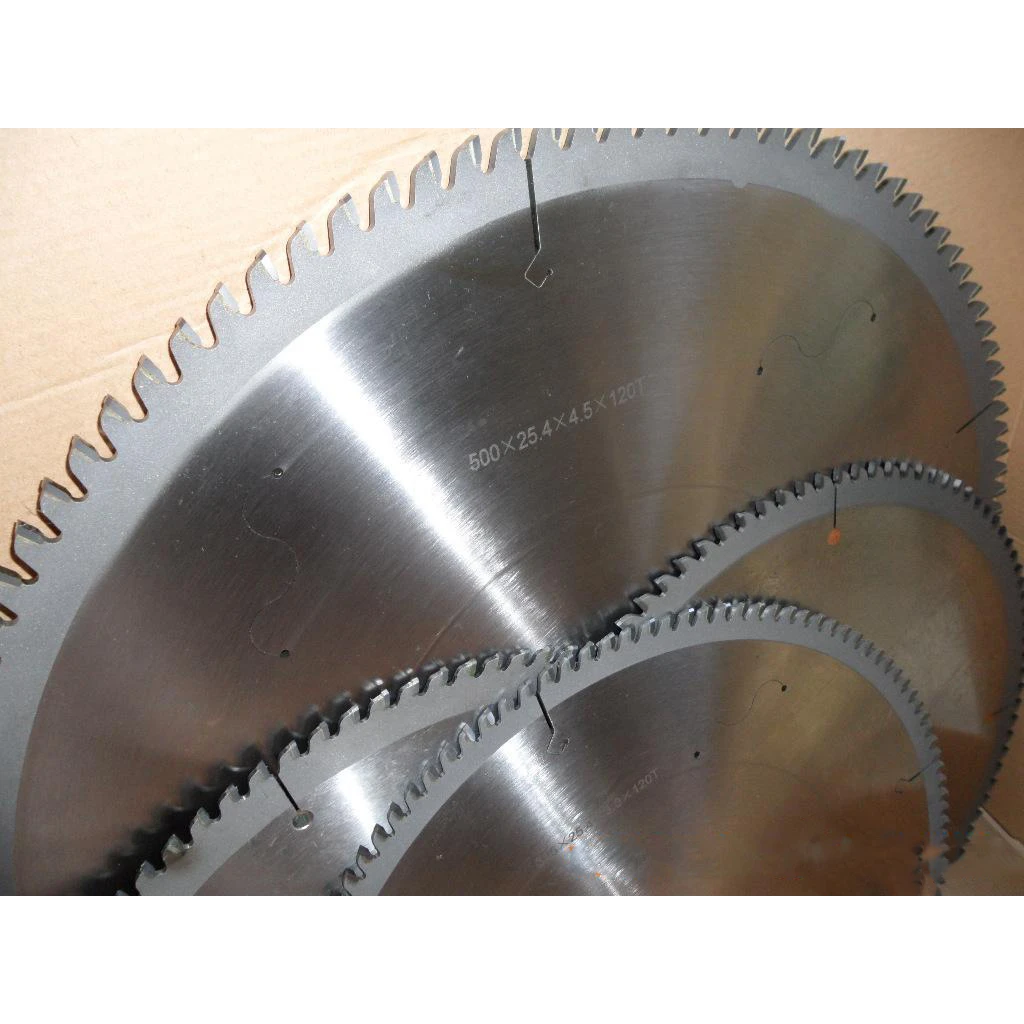
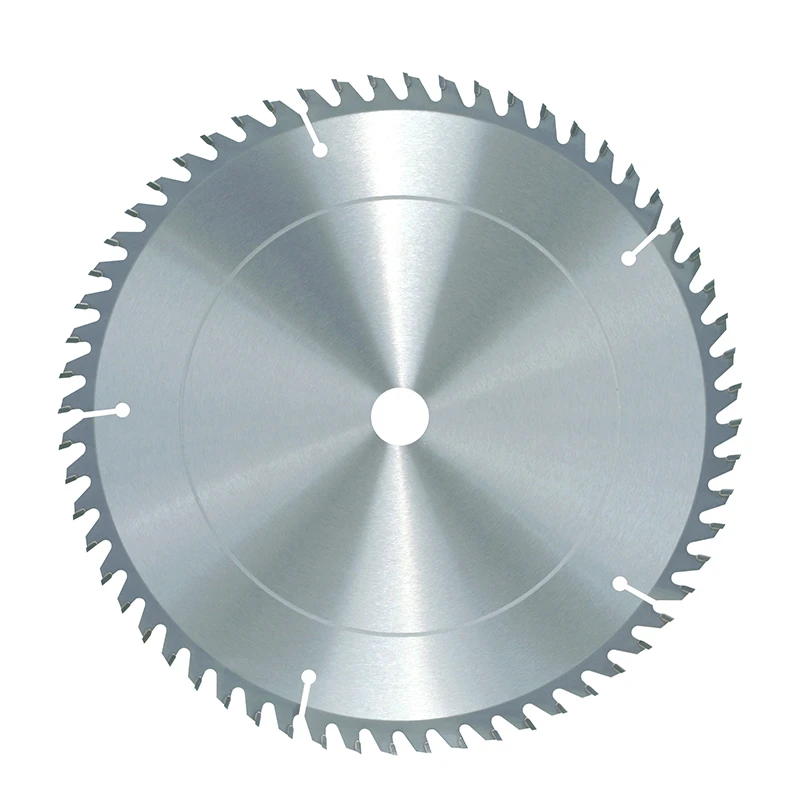
Simply put, the 250mm porcelain blade is a circular cutting tool, 250 millimeters (around 10 inches) in diameter, typically outfitted with industrial-grade diamond segments. Its design and composition make it ideal for precision cutting of tough porcelain materials, including glazed tiles, porcelain slabs, and engineered stone.
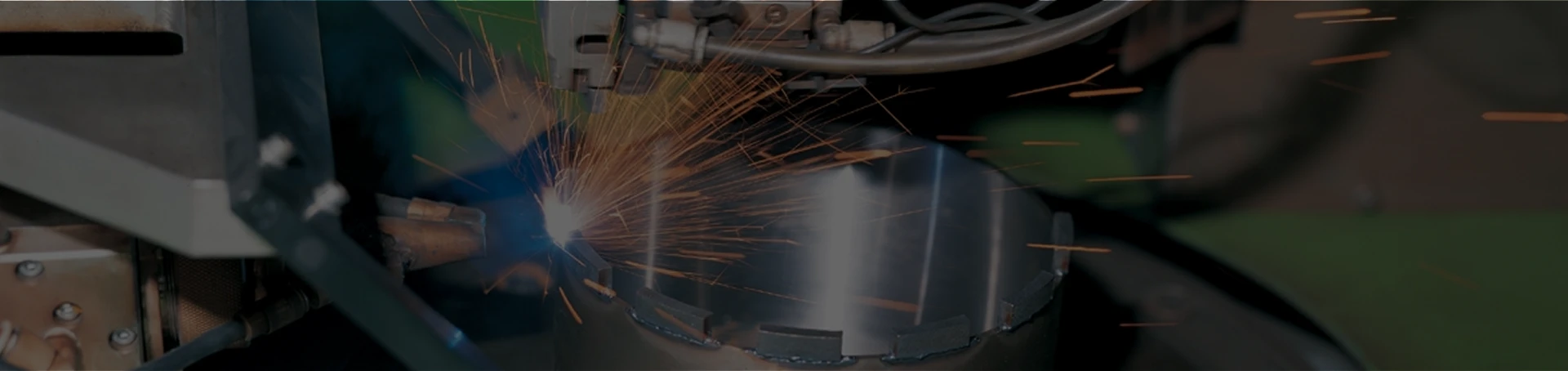
These blades often feature laser-welded or sintered diamond segments that provide durability and a smooth cut, minimizing tile breakage. In construction and tiling industries, the blade's role is crucial: it transforms the challenging porcelain surface, which is notoriously hard to cut, into manageable, installable pieces.
Key Features That Set the 250mm Porcelain Blade Apart
1. Cutting Precision
The fine diamond grit and the blade's segment design ensure exact, clean cuts — crucial when working with porcelain's brittle nature. Precision means less waste, fewer rejects, and a professional finish.
2. Durability and Longevity
Diamond blades vary widely, but a good 250mm porcelain blade balances segment hardness and bonding to prevent premature wear. This translates to longer life and consistent cutting performance over many tiles.
3. Versatility
While optimized for porcelain, these blades often work on other hard materials like granite or engineered stone, making them valuable for contractors who juggle different surfaces — that flexibility adds practical value.
4. Safety Features
Blade design often includes reduced vibration and optimized segment spacing to keep dust down and reduce user fatigue during prolonged cutting. It’s a thoughtful balance between performance and operator wellbeing.
5. Compatibility
At 250mm, this blade size fits many common angle grinders and tile saws, enabling easy integration into existing toolkits without expensive new equipment.
6. Water-Cooling Ability
Many porcelain blades accommodate wet cutting to reduce heat and dust — prolonging tool life and providing environmental and safety benefits.
Mini Takeaway:
The 250mm porcelain blade isn’t just 'another disc' — it respects the balance between precision, durability, and operator safety, which often means the difference between a smooth project and costly headaches.
Applications and Real-World Use Cases Around the Globe
From luxury residential complexes in Europe to sprawling industrial facilities in Asia, the 250mm porcelain blade is a global workhorse.
- High-End Architecture: Intricate tile layouts in upscale buildings require blades capable of flawless cuts without chipping, making the 250mm porcelain blade a favorite.
- Infrastructure Projects: Airports, train stations, and hospitals often opt for porcelain flooring due to durability and aesthetics. Maintenance crews use these blades for on-site repairs.
- Disaster Relief and Construction Camps: Quick, reliable cutting tools like these blades help teams in remote or emergency construction zones install durable flooring rapidly.
- Industrial Fabrication: Large-format porcelain slabs now popular among designers demand precision cuts, which only specialized blades can provide.
Advantages and Long-Term Value of Using the Right Porcelain Blade
The benefits are not just technical — they ripple into cost savings, sustainability, and trust:
- Cost Efficiency: Reduces tile breakage and waste, lowers labor time. Many site managers say this pays for the blade many times over in saved materials alone.
- Sustainability: Less waste and dust reduce environmental impact — a small but meaningful step towards greener construction.
- Safety: Reduced vibration and dust create a healthier work environment, which is often overlooked but vital.
- Reputation: Precision cutting reflects on the craftsmanship of installers and builders, building client satisfaction.
Product Specification Table
| Specification | Details |
|---|---|
| Diameter | 250mm (10 inches) |
| Segment Type | Laser-welded diamond segments |
| Bonding Material | Metal-bonded (various hardness available) |
| Recommended Use | Porcelain, glazed tiles, engineered stone |
| Cutting Method | Wet and dry cutting capable |
| Max RPM | 12,200 RPM |
Vendor Comparison: Finding the Right 250mm Porcelain Blade Supplier
| Vendor | Price Range | Segment Bonding | Warranty | Special Features |
|---|---|---|---|---|
| DiamondEdge Pro | $45–$60 | Metal bond, medium hardness | 6 months | Laser-welded segments; low vibration |
| CeramiCut XT | $50–$70 | Harder bond for abrasive porcelain | 12 months | Optimized for wet cutting; high durability |
| TileMaster 250 | $40–$55 | Balanced medium-hard bond | 9 months | Dust reduction design; multi-material use |
Looking Ahead: Trends and Innovations in Porcelain Cutting
For those wondering what's next: innovation isn't sleeping. Newer ultra-fine diamonds, eco-friendly bonding materials, and enhanced cooling technologies are creeping into porcelain blade design. Add a dash of digital assistance — like IoT-enabled monitoring on blade wear — and we're seeing a tool that could tell workers when it’s time for replacement, cutting down surprises on site.
Plus, sustainability isn’t just about waste reduction anymore. Manufacturers are exploring recyclable blade components and lower energy cutting setups, syncing nicely with global green building standards.
Common Challenges and How to Address Them
Anyone who's dealt with porcelain cutting knows the pitfalls: tile chipping, early blade dulling, excessive dust, and thermal cracking. These come from mismatched blade choices, using dry cutting when wet cutting is preferable, or simply pushing the blade beyond its limits.
Expert installers often recommend pairing the 250mm porcelain blade with appropriate water feeds or vacuum dust extraction systems and ensuring the blade speed doesn’t exceed manufacturer recommendations. Investing a little time upfront to understand material thickness and hardness is also a game changer.
FAQ: Your Top Questions About 250mm Porcelain Blades Answered
Q1: Can I use a 250mm porcelain blade for granite cutting?
A: While primarily designed for porcelain, many 250mm blades with a hard bond and diamond grit can cut granite. However, cutting granite often wears blades faster, so choosing one optimized for mixed use is advisable.
Q2: What is the advantage of wet cutting with a porcelain blade?
A: Wet cutting reduces dust, cools the blade and the tile, and prolongs blade life — all while improving cut quality. It's especially recommended for heavy-duty or prolonged cutting sessions.
Q3: How long does a typical 250mm porcelain blade last under professional use?
A: Blade lifespan varies widely, but with proper use, wet cutting, and correct material match, many blades last for cutting hundreds of porcelain tiles before replacement.
Q4: Are 250mm blades compatible with all angle grinders?
A: Most angle grinders and tile saws support 250mm blades; however, always check the maximum rpm rating for both the tool and blade to ensure safe operation.
Q5: Can I order custom blades if I need a different segment pattern or bond?
A: Many manufacturers offer customization options, especially for large-scale projects. Contact vendors directly or through specialized distributors for tailored solutions.
Final Thoughts: Why the Right Porcelain Blade Matters
As with many tools in construction and manufacturing, the 250mm porcelain blade might be underappreciated until it lets you down. But once you try high-precision, durable blades suited for porcelain cutting, project speed improves, waste decreases, and the finished work frankly looks better.
So, whether you’re a contractor, builder, or tile artisan, investing in quality blades pays dividends. After all, the details matter — and this blade is a detail you can’t afford to overlook.
Looking for the perfect blade for your next project? Visit our website to explore our full range and expert advice.
References & Resources
Related Products
Related Products





Address
No.30 Gaoying Road ,Chang'an District,Shijiazhuang,Hebei Province
Business Hours
Mon to Saturday : 8.00 am - 7.00 pm
Sunday & Holidays : Closed
.png )