The Ultimate Guide to the 230mm Porcelain Blade | Precision Cutting Tools
Unlocking the Potential of the 230mm Porcelain Blade: Why It Matters
Sometimes, it's the specialized tools that make all the difference in construction and craftsmanship. The 230mm porcelain blade is one such item—a modest-looking circular saw blade, but one that’s become pretty essential for professionals cutting porcelain tiles and other hard materials. Beyond just a niche gadget, this blade plays a surprisingly global role in improving efficiency, safety, and precision on job sites worldwide. Understanding its design and advantages can save projects big bucks and headaches, especially when working with delicate materials that demand exactness.
Why does this matter beyond your local tile shop? Well, the demand for durable and good-looking surfaces is rising worldwide as urbanization accelerates. According to the International Organization for Standardization (ISO), construction processes seek tools that promote sustainability and minimize waste, something the 230mm porcelain blade supports by reducing breakage and improving cut quality. So while it might be a humble piece of steel and diamond grit, it’s actively shaping industries and infrastructure in ways not everyone notices.
Setting the Stage: The Global Context of the 230mm Porcelain Blade
Porcelain tiles have become a top choice globally due to their durability, resistance to moisture, and elegant finish. As per data from the World Bank, the global construction sector grew about 4.3% annually pre-pandemic, with tile manufacturing and installation following close behind. This growth has amplified the need for specialized blades that can handle the toughness of porcelain, notoriously tricky because of its brittleness.
Now, the challenge: traditional blades tend to chip or shatter porcelain tiles or cause unsightly breaks. The 230mm porcelain blade emerged as the solution to this problem — a tool that ensures clean, precise cuts while prolonging the blade's life. Oddly enough, selecting the right blade can mean the difference between a lasting installation and one plagued by premature damage and replacement costs.
What Exactly Is a 230mm Porcelain Blade?
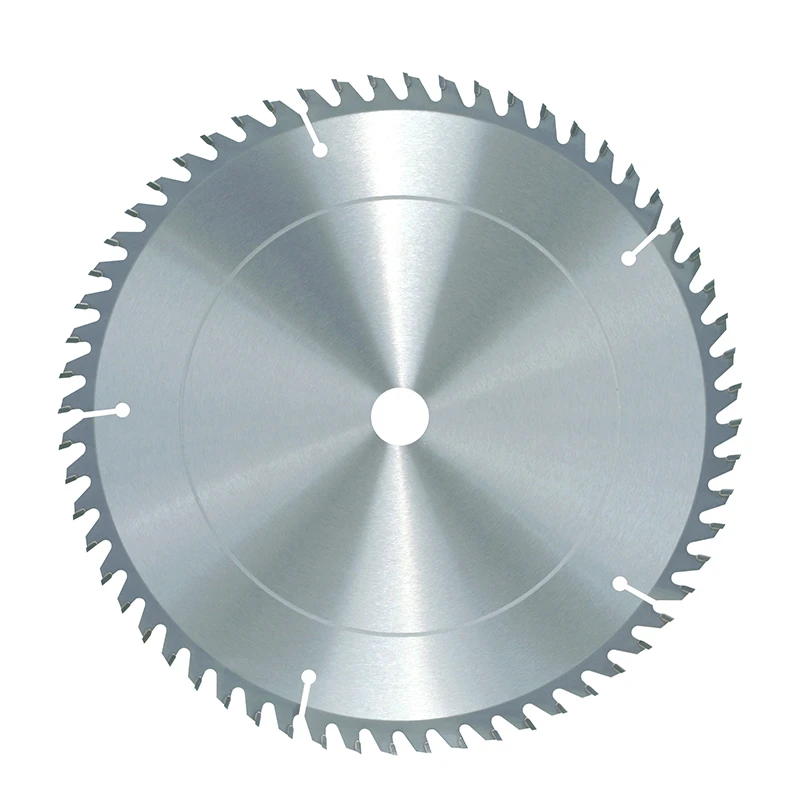
At its core, a 230mm porcelain blade is a specialized diamond-tipped circular saw blade with a 230-millimeter diameter—roughly 9 inches. It’s crafted specifically to cut through tough, brittle materials like porcelain tiles, engineered stone, quartz, and some ceramics without cracking them. The diamond segments on the edge allow an abrasive yet controlled cutting action. Unlike generic blades, this one balances speed and precision without overheating or damaging the tile.
In modern construction and renovation, it’s invaluable. Imagine having to finish a complex mosaic wall or a bathroom renovation with minimal waste and perfect finishes—this blade is the unsung hero making it happen.
Breaking Down the Key Features of a 230mm Porcelain Blade
1. Diamond-Embedded Edge for Durability
The edge is embedded with industrial-grade diamonds that grind instead of slicing. This feature is crucial because porcelain's hardness needs abrasive action rather than simple slicing to avoid fractures. The more consistent and high-quality the diamond grit, the longer the blade lasts.
2. Segment Design for Precision and Dust Control
Many blades incorporate segmented edges or turbo designs to improve cooling and reduce dust. This not only protects the blade but also keeps the cutting line visible, which is essential when precision is king.
3. Compatibility with Wet and Dry Cutting
These blades are engineered for both wet and dry cutting. Wet cutting cools the blade and reduces dust but requires water access. Dry cutting is convenient on smaller sites. The adaptability makes the 230mm porcelain blade flexible across various environments.
4. Thickness and Kerf Optimization
Balancing thickness is a subtle art here. Too thick, and you waste material and strain the saw; too thin, and the blade flexes or breaks. This size usually hits a sweet spot, offering clean cuts and reasonable durability.
5. Arbor Size and Tool Compatibility
The standard arbor hole (usually 22.23mm) ensures the blade fits a variety of saw models, from angle grinders to tile saws — making it versatile and accessible.
Mini Takeaway: The combination of diamond grit, segment design, and blade geometry makes the 230mm porcelain blade a highly specialized and reliable tool for tough cutting tasks.
Global Applications & Use Cases for 230mm Porcelain Blades
The applications of the 230mm porcelain blade are as diverse as modern construction itself. Its primary role remains in precision tile cutting, but it finds use in several key areas:
- Residential and Commercial Flooring: From luxury condos in Dubai to apartment complexes in Berlin, contractors use porcelain blades to ensure polished tile finishes that last decades.
- Renovations and Retrofits: In post-disaster relief operations or urban renovations, time and accuracy matter. Quick, clean cuts minimize waste and speed up rebuilding efforts.
- Industrial Zones: Remote sites where durable, easy-to-clean surfaces are needed often rely on porcelain finishes cut with these blades.
- Artisanal and Custom Installations: Designers and artists crafting intricate tile mosaics or wall cladding require blades that don’t shatter delicate custom pieces.
Asia Pacific and Europe lead in porcelain tile production and use, with rising demand in Africa, driven by new infrastructure projects.
Advantages and Long-Term Value of Choosing a 230mm Porcelain Blade
Logically and emotionally, the benefits stack well:
- Cost Efficiency: Reduces tile waste and saves money on materials and time.
- Reliability and Safety: Prevents chipping, protecting workers from injuries and reducing resale issues.
- Sustainability: Longer-lasting blades mean fewer purchases and less raw material use for replacements.
- Professional Finish: Creates smooth edges that require less grouting and finishing.
- Peace of Mind for Installers: Knowing your tools won’t fail mid-job is priceless—sometimes that feeling alone counts.
Mini Takeaway: The blade isn’t just a cutting tool; it’s an investment in quality, safety, and sustainable practice.
Future Trends and Innovations in Porcelain Cutting Blades
The future's looking sleek: manufacturers are embracing green tech, like diamond blades made with recycled materials and optimized for energy-efficient cutting. Automation is also on the rise—robotic tile cutters paired with smart blades can reduce human error significantly.
There is also an increase in blades designed for multi-material versatility, so workers don’t have to carry extra tools. Innovations in cooling technology reduce both water usage and wear-and-tear, aligning with ISO 14001 environmental guidelines.
Challenges and Solutions When Working with 230mm Porcelain Blades
Even the best tools have limits:
- Blade Wear: Diamond grit depletes over time, so users must monitor cutting quality and replace blades promptly.
- Equipment Compatibility: Not every saw is ideal for every blade; improper mounting causes vibrations and uneven cuts.
- Cost of Premium Blades: Higher upfront investment might deter small contractors.
Experts recommend scheduled blade replacements, investing in compatible tools, and choosing reputable vendors — balancing cost vs. quality often saves money in the long run.
230mm Porcelain Blade Product Specification Table
| Specification | Details |
|---|---|
| Diameter | 230 mm (9 inches) |
| Arbor Hole | 22.23 mm (7/8 inch) |
| Segment Type | Turbo diamond segments |
| Max RPM | 6,600 RPM |
| Cutting Type | Wet & dry cutting |
| Blade Thickness | 2.4 mm |
Vendor & Brand Comparison Table
| Brand | Material Quality | Price Range | Durability | Warranty |
|---|---|---|---|---|
| DiamondTech | High-grade industrial diamonds | $$$ (Premium) | Excellent (Up to 1000 cuts) | 2 years |
| ProCut Blades | Mid-range diamond grit | $$ (Moderate) | Good (600-800 cuts) | 1 year |
| CutMaster | Entry-level diamond blend | $ (Budget) | Fair (400-600 cuts) | 6 months |
FAQ: Common Questions About 230mm Porcelain Blades
Q1: Can a 230mm porcelain blade cut other materials like granite or marble?
A: While primarily designed for porcelain and similar brittle materials, many 230mm porcelain blades can handle softer stones like marble. However, granite often requires a blade optimized for harder stone due to its toughness. Using the right blade for each material is key to prolonging blade life and ensuring clean cuts.
Q2: How do I ensure my 230mm porcelain blade stays sharp longer?
A: Avoid overheating by using wet cutting whenever possible and keeping consistent pressure when cutting. Also, don’t force the blade through the material; let the diamond edge do the work. Regularly inspect for wear and replace once cutting quality degrades to maintain safety and efficiency.
Q3: Is a 230mm porcelain blade compatible with all saws?
A: Most 230mm blades come with a standard 22.23mm arbor hole, fitting many angle grinders and tile saws. Still, check your tool’s specs before purchase to ensure perfect compatibility and safe mounting.
Q4: Can dry cutting with this blade cause issues?
A: Dry cutting generates more dust and heat, which can shorten blade life and impact cut quality. Use a dust mask and eye protection, and take breaks to cool the blade. Wet cutting is preferable but not always practical onsite.
Q5: Where can I find reliable 230mm porcelain blades online?
A: Trusted suppliers usually have detailed specs and reviews. For high-quality options, visit 230mm porcelain blade suppliers that specialize in diamond cutting tools. Checking vendor certifications and customer feedback helps a lot.
Wrapping Up: Why the 230mm Porcelain Blade Is a Game-Changer
All said and done, the humble 230mm porcelain blade is much more than a circle of metal. It’s a precision instrument that embodies innovation, craftsmanship, and global industry needs. For tile professionals, construction firms, and artisans, this tool reduces waste, enhances safety, and delivers reliable, beautiful results.
Curious? Visit our website 230mm porcelain blade to explore options and learn more about cutting-edge blade technology. The right blade makes all the difference—and you might be surprised how far precision cuts can take you.
References:
Related Products
Related Products





Address
No.30 Gaoying Road ,Chang'an District,Shijiazhuang,Hebei Province
Business Hours
Mon to Saturday : 8.00 am - 7.00 pm
Sunday & Holidays : Closed
.png )