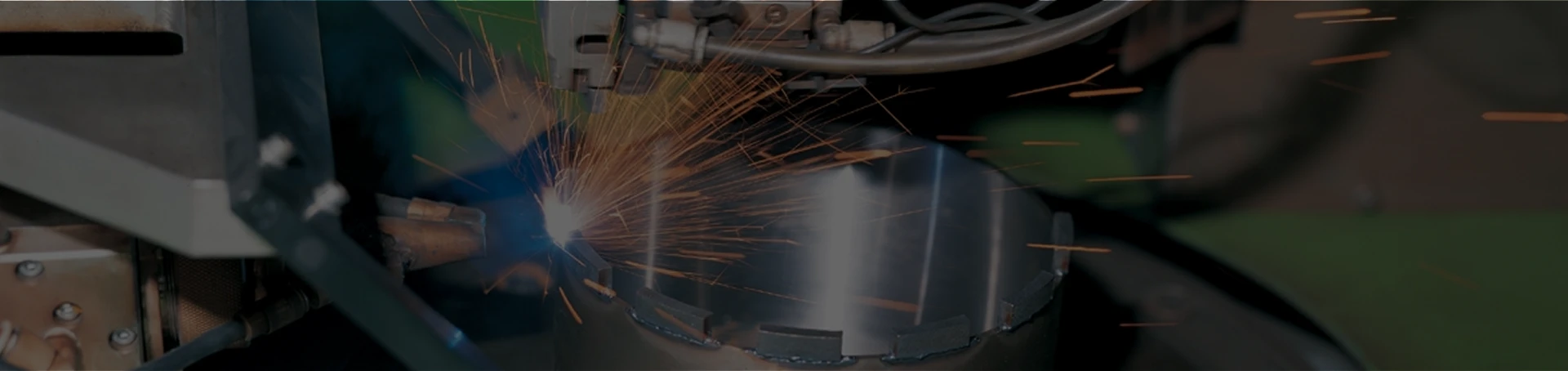
Grinder Blade Diamond & Discs: Types and Uses
Diamond cutting tools, such as the grinder blade diamond and grinder disc diamond, are essential for professionals working with hard materials like concrete, stone, and ceramics. Unlike traditional blades, these tools use diamond abrasives to grind through surfaces efficiently. Whether you're a contractor, mason, or DIY enthusiast, understanding the different types and applications of diamond blades can help you choose the right tool for the job. This guide explores the various segmented diamond blade designs, their uses, and best practices for optimal performance.
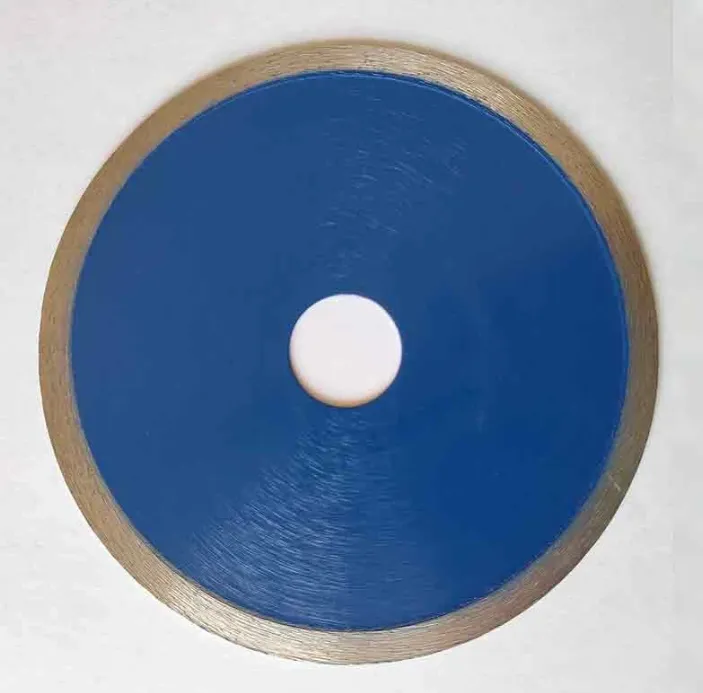
Understanding Grinder Blade Diamond and Discs
Diamond blades and discs are engineered with synthetic diamond particles bonded to a metal core, allowing them to cut through extremely hard materials. The diamond wheel cutting process relies on abrasion rather than traditional sharp-edged cutting.
How Diamond Blades Work
Unlike conventional saw blades, a grinder blade diamond doesn’t have teeth. Instead, it uses diamond grit embedded in a metal matrix to grind through materials. As the blade rotates, the diamonds wear down the surface while the metal bond gradually erodes, exposing fresh diamond particles for continuous cutting.
Types of Diamond Blades
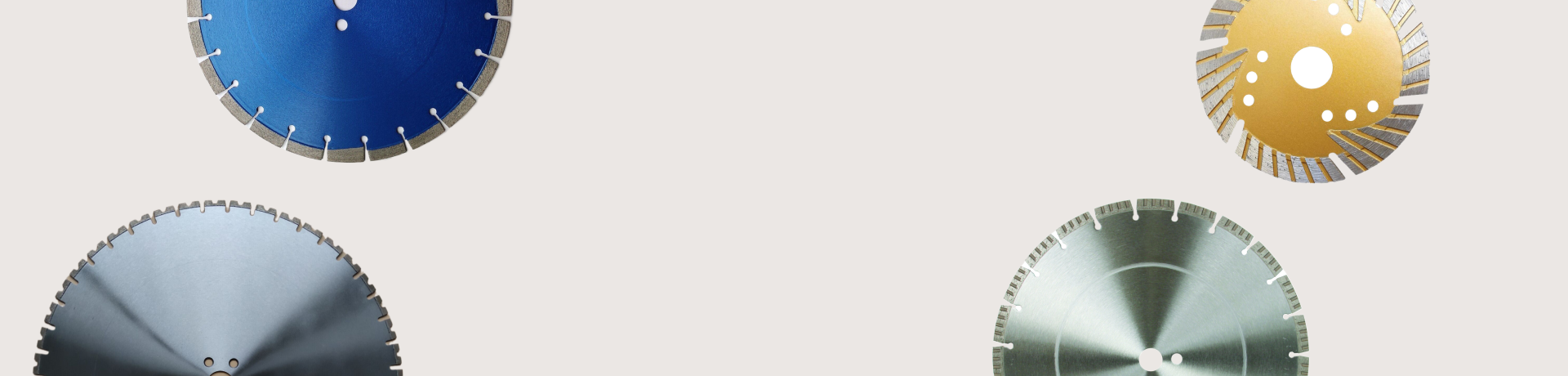
There are several types of diamond blades, including segmented diamond blade, continuous rim, and turbo rim designs. Segmented blades have gaps between sections to improve cooling and debris removal, making them ideal for hard materials like concrete and asphalt.
Wet vs. Dry Cutting
Diamond blades can be used for wet or dry cutting. Wet cutting reduces dust and extends blade life by cooling the blade, while dry cutting offers convenience but may wear the blade faster. Always check the manufacturer’s recommendations before use.
|
Blade Type |
Best For |
Wet/Dry Cutting |
|
Segmented Diamond |
Concrete, Asphalt |
Dry |
|
Continuous Rim |
Tile, Ceramics |
Wet |
|
Turbo Rim |
Fast, smooth cuts |
Both |
Choosing the Right Grinder Disc Diamond Grinder Blade Diamond
Selecting the correct grinder disc diamond depends on the material, machine compatibility, and cutting conditions. Using the wrong disc can lead to inefficiency, overheating, or even blade failure.
Material Compatibility
Different materials require specific diamond blades. For example, a diamond blade segmented design works best for masonry, while a continuous rim blade is better for delicate tiles. Always match the blade to the material to ensure clean cuts and long blade life.
Blade Size and Arbor Compatibility
Diamond discs come in various sizes, typically ranging from 4 to 14 inches. Ensure the disc fits your grinder’s arbor size and RPM rating. Using an incorrectly sized blade can be dangerous and reduce cutting efficiency.
Bond Hardness and Diamond Concentration
The bond hardness determines how quickly the blade wears. Soft bonds are ideal for hard materials (like granite), while hard bonds work better for softer materials (like asphalt). Higher diamond concentration increases blade longevity but may reduce cutting speed.
Applications of Grinder Blade Diamond Wheel Cutting Tools
Diamond grinding and cutting tools are versatile, used across construction, fabrication, and renovation projects. Understanding their applications helps maximize efficiency.
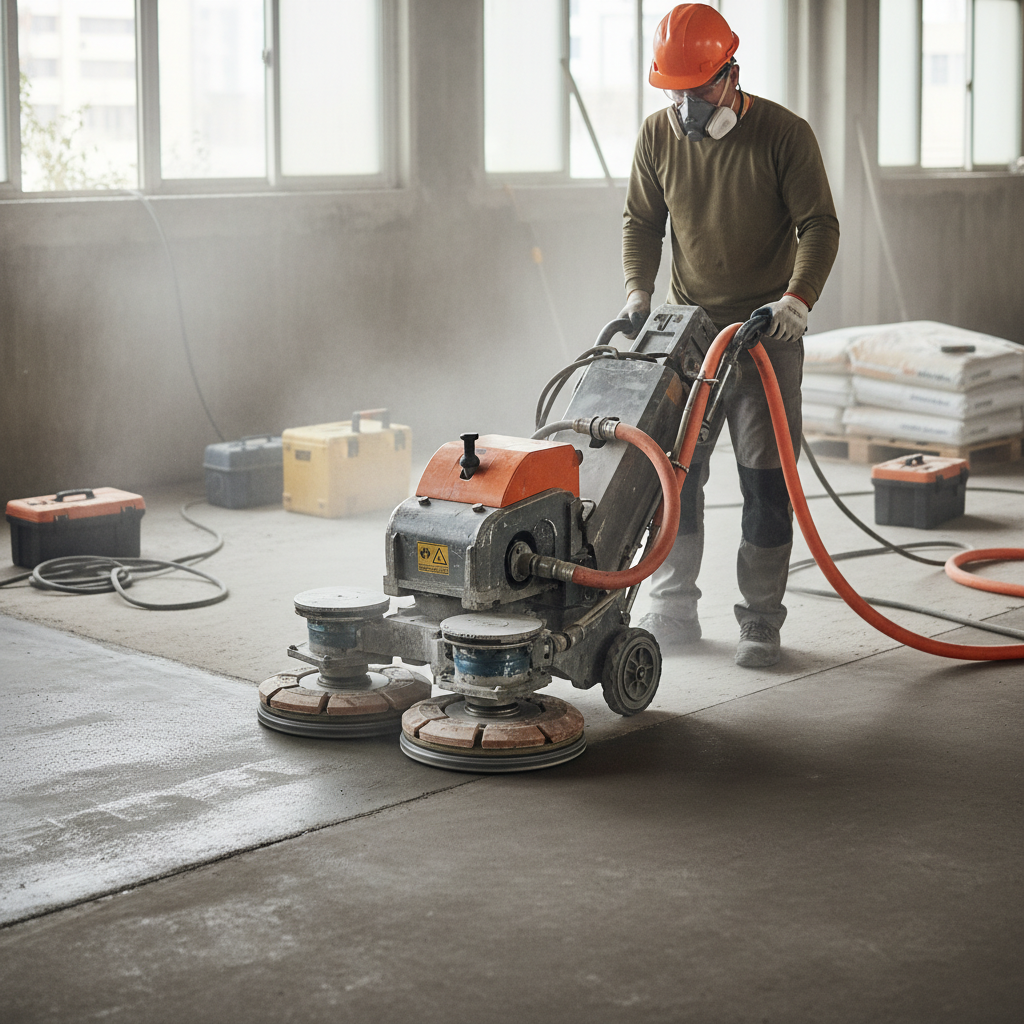
Concrete Cutting and Grinding
A grinder blade diamond is commonly used in concrete cutting for roads, floors, and walls. Segmented blades handle thick concrete, while turbo blades provide smoother finishes.
Tile and Stone Fabrication
For precision cuts in ceramics, porcelain, or natural stone, a continuous rim grinder disc diamond ensures chip-free edges, essential for professional tile installers.
Metal and Reinforced Materials
Specialized diamond blades can cut through reinforced concrete, rebar, and even metals when paired with the right grinder. These blades often have a reinforced core for added durability.
Grinder Blade Diamond Maintenance and Safety Tips
Proper care extends the life of diamond blades and ensures safe operation. Follow these guidelines to maximize performance.
Proper Blade Break-In
New diamond blades require a break-in period to condition the bond. Start with light cuts in the intended material to expose fresh diamond particles evenly.
Avoid Overheating
Excessive heat can damage the blade’s bond. Use water cooling when possible, and avoid prolonged cutting without breaks. If dry cutting, allow the blade to cool periodically.
Storage and Handling
Store diamond blades in a dry place to prevent rust. Avoid dropping them, as impacts can crack the segments or core. Always inspect blades before use for cracks or wear.
Grinder Blade Diamond FAQs
What is the difference between a segmented and continuous rim grinder blade diamond?
A segmented diamond blade has gaps between sections for cooling and debris removal, making it ideal for aggressive cuts in concrete. A continuous rim blade has a smooth edge, best for clean cuts in tile and stone.
Can I use a grinder blade diamond on a regular angle grinder ?
Yes, as long as the blade size and RPM rating match your grinder’s specifications. Always check the manufacturer’s guidelines before use.
How do I know when my grinder blade diamond is worn out?
A worn blade will cut slower, produce more dust, or show visible segment wear. If the blade no longer cuts efficiently, it’s time to replace it.
Is wet cutting superior to dry cutting with a grinder blade diamond?
Wet cutting reduces dust and extends blade life by cooling the blade. However, dry cutting is more convenient for quick jobs where water isn’t available.
Where can I buy high-quality grinder blade diamond in bulk?
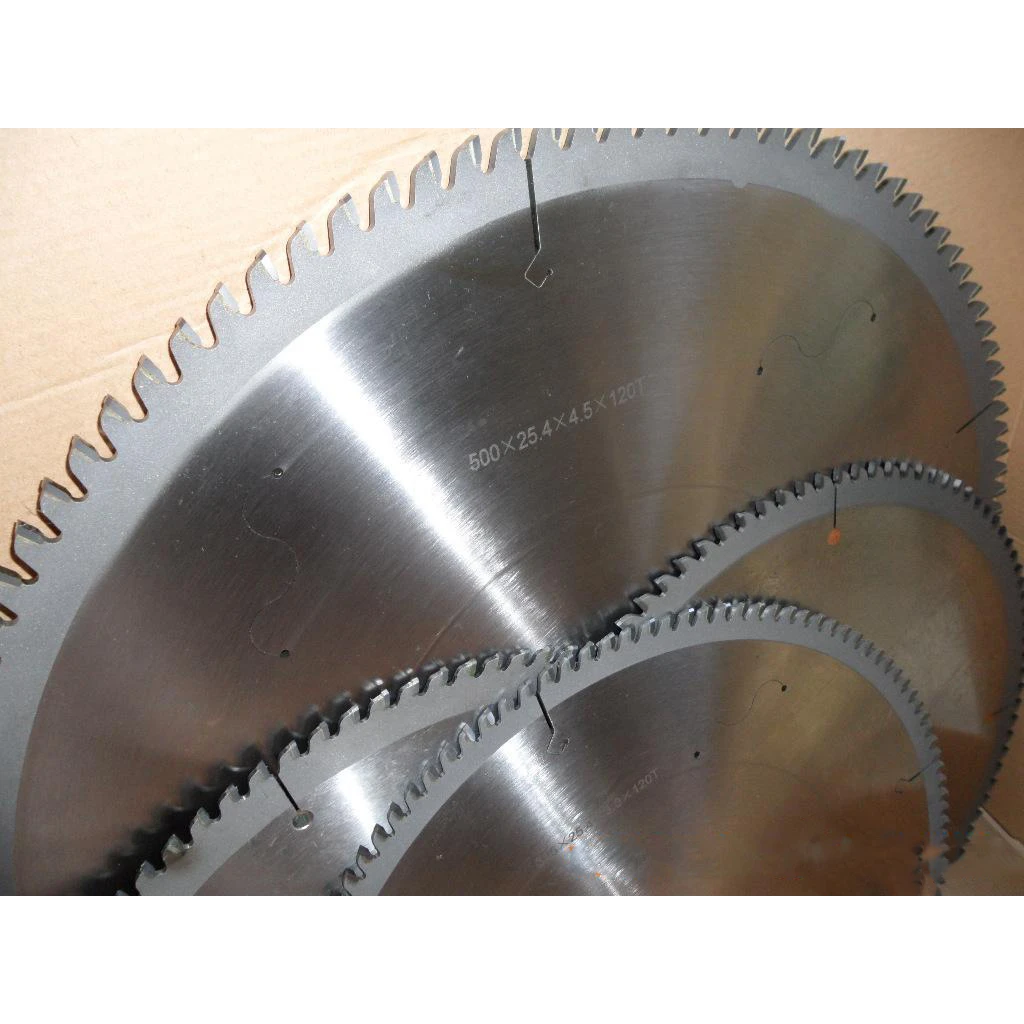
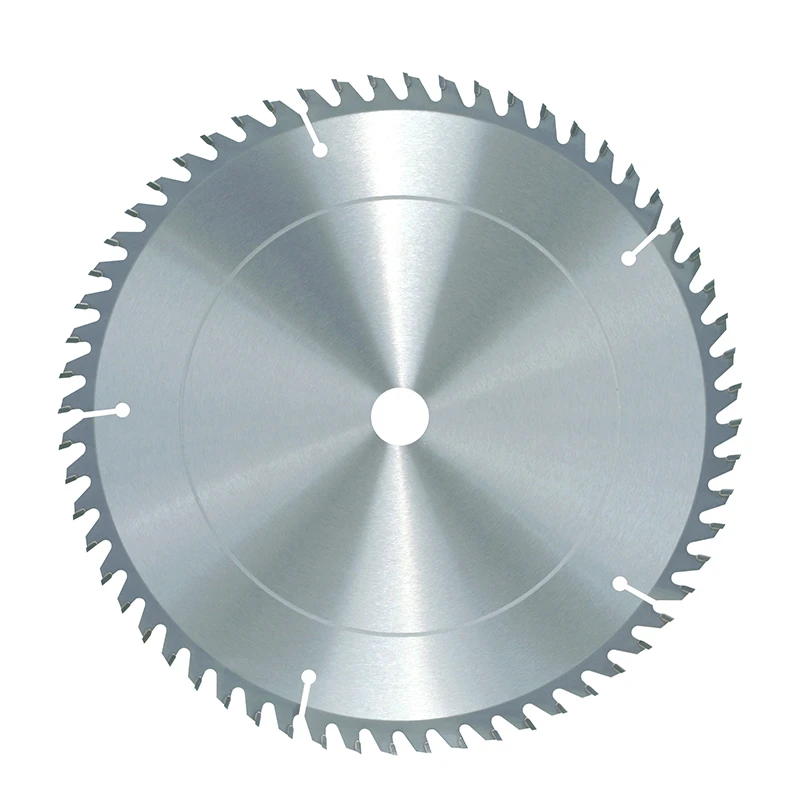
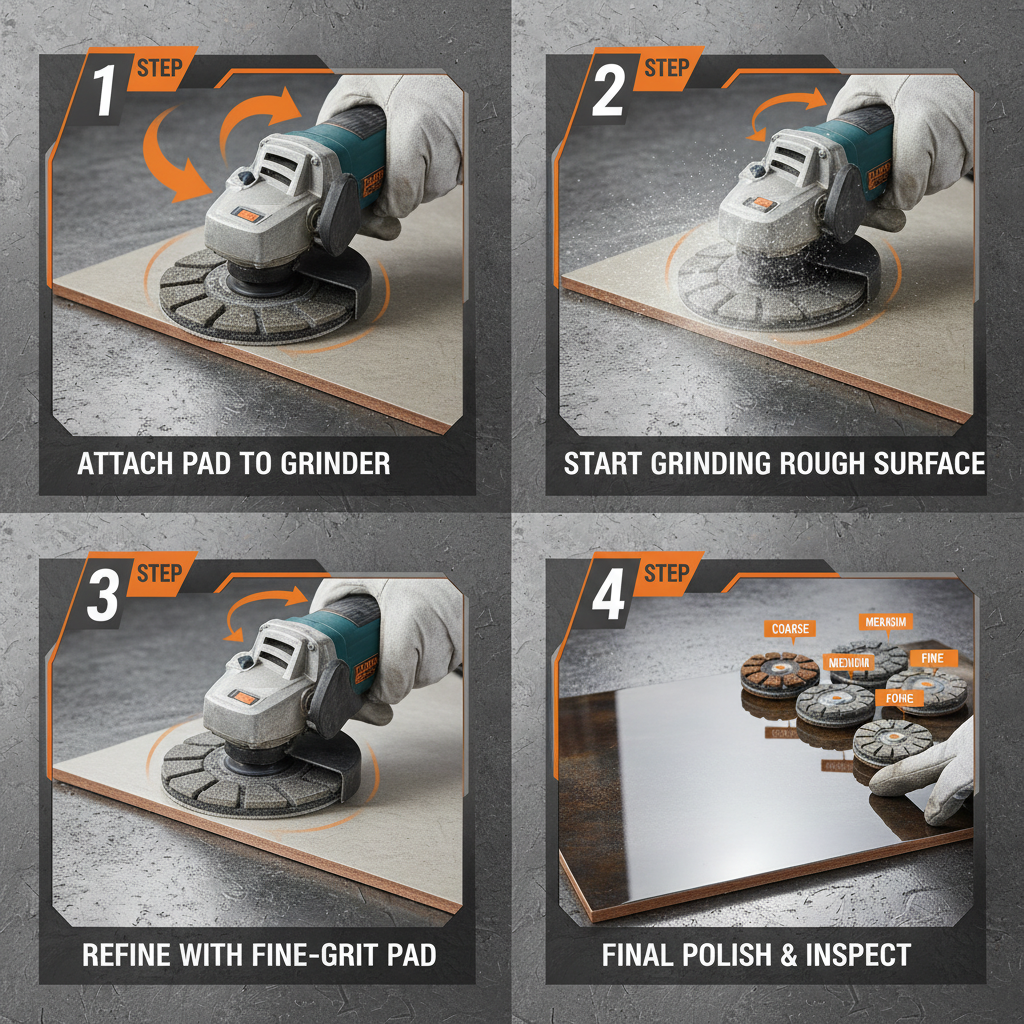
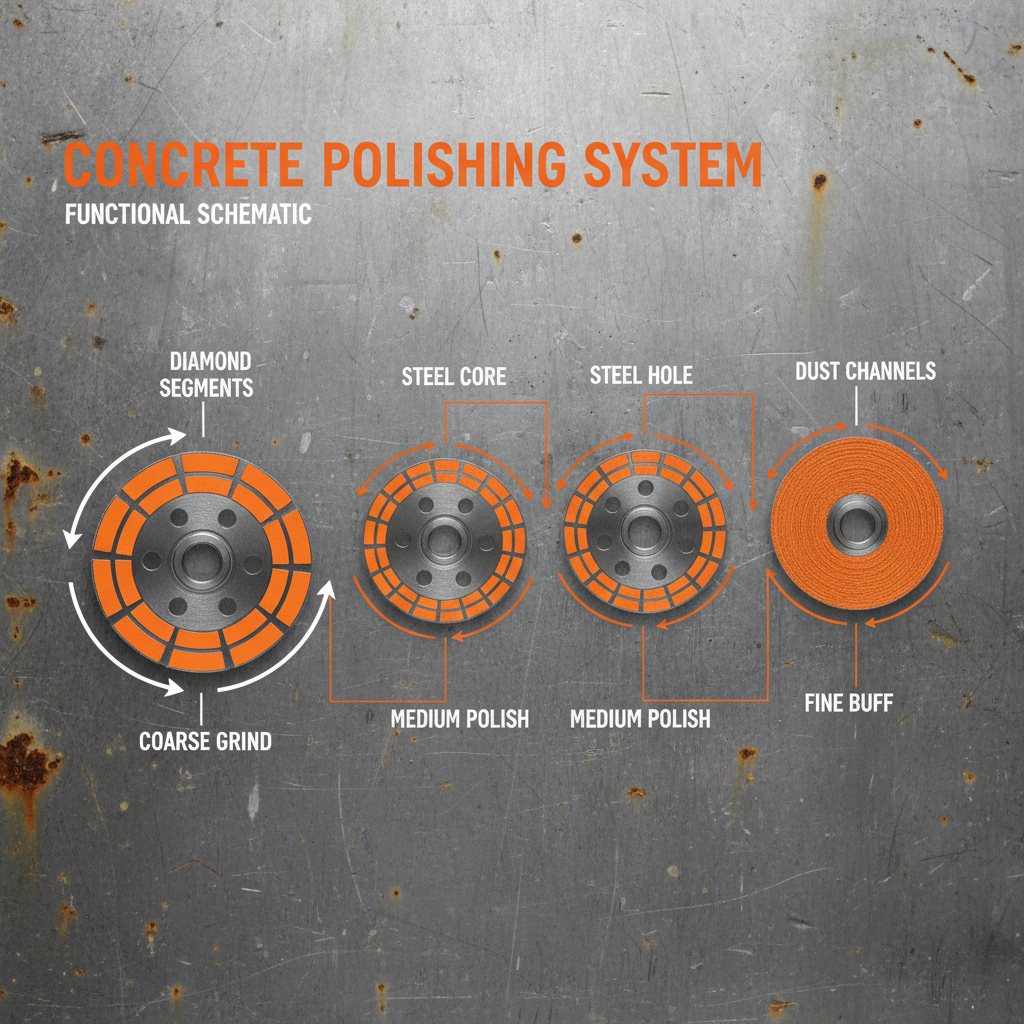
For top-tier grinder blade diamond and grinder disc diamond products, our company offers premium blades at wholesale prices. Mingye tools Technologies Co.,Ltd manufacturing the Diamond cutting blades, Cup wheels,Grinding plates,TCT blades, Core drill bits for more than 10 years .Contact us today for bulk orders and exclusive deals!Diamond cutting tools, including grinder blade diamond and grinder disc diamond, are indispensable for professionals tackling tough materials. By selecting the right blade type, maintaining proper cutting techniques, and following safety guidelines, you can achieve precise, efficient cuts every time.Wholesalers and contractors: Elevate your toolkit with our premium diamond blades! Place your orders today and experience unmatched durability and performance. Let’s build smarter, together.
Related Products
Related Products





Address
No.30 Gaoying Road ,Chang'an District,Shijiazhuang,Hebei Province
Business Hours
Mon to Saturday : 8.00 am - 7.00 pm
Sunday & Holidays : Closed
.png )