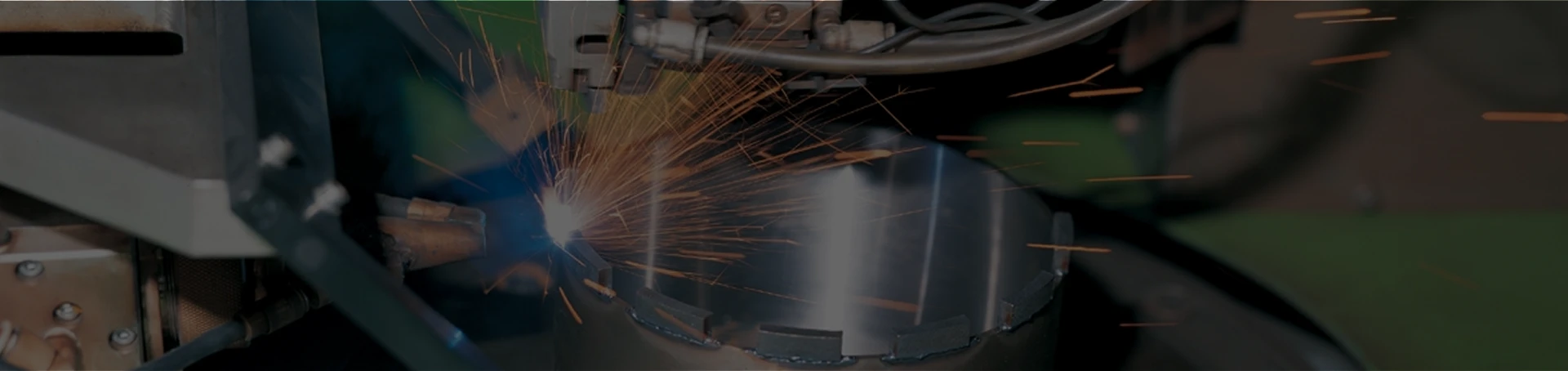
High-Performance 125mm Porcelain Blades for Precision Cutting
Understanding the 125mm Porcelain Blade: A Small Tool with Big Impact
In the world of precision cutting tools, the 125mm porcelain blade might seem like a niche item, but its importance spans the globe in construction, manufacturing, and even art restoration. Why the buzz? Because porcelain is notoriously hard and brittle, it demands cutting tools that combine sharpness with durability — qualities that these blades are engineered to deliver. Knowing how they work, where they’re used, and their benefits opens doors to smarter purchasing decisions and project outcomes.
Global Context: Why the 125mm Porcelain Blade Matters
Porcelain, from fine tiles to complex industrial components, is everywhere. According to the ISO porcelain standards, quality cutting tools ensure efficiency and safety while reducing waste during production and installation. Globally, the ceramic and porcelain tile market was valued at over $90 billion recently and is expected to keep growing as urbanization pushes demand, especially in Asia-Pacific and Europe.
Yet, cutting hard ceramic surfaces is tricky, fraught with breakage risks and slow workflows if tools aren’t up to the task. The 125mm porcelain blade answers this by being tailored to precision and speed — its size hitting a sweet spot between maneuverability and cutting power in various jobs.
What Exactly Is a 125mm Porcelain Blade?
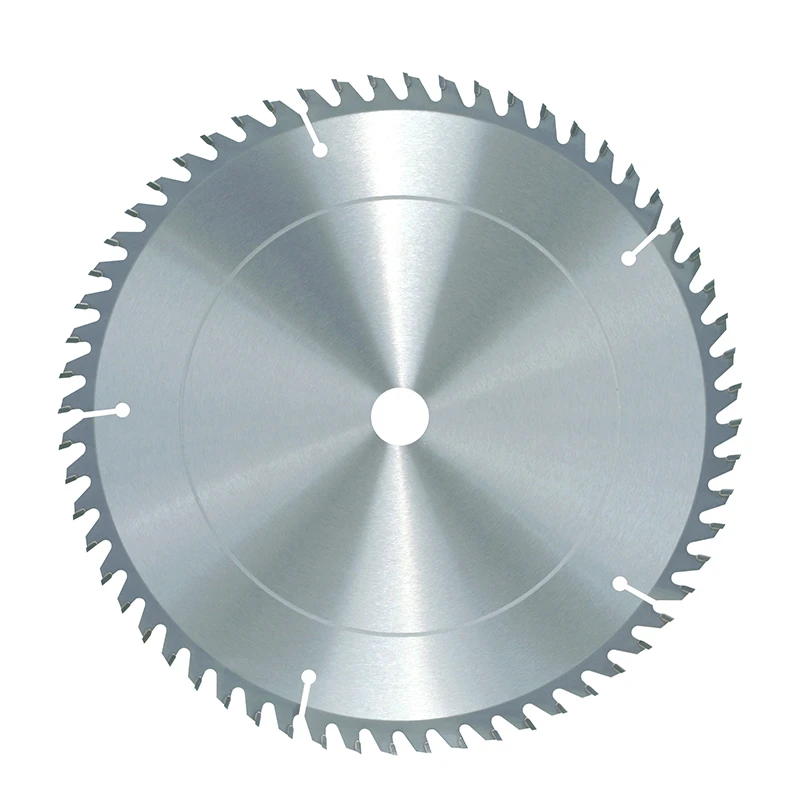
Simply put, a 125mm porcelain blade is a circular cutting blade with a diameter of 125 millimeters, designed specifically for cutting porcelain tiles and similar hard materials. Unlike general-purpose diamond blades, these are specially engineered—whether by diamond segment arrangement, bonding materials, or blade core design—to optimize cutting porcelain's brittle, dense composition without chipping or cracking.
Think of it like a scalpel compared to a butcher knife — you want precision and cleanliness over brute force. In modern industry, these blades enable quick renovations, precise tile cutting for upscale construction, and even delicate restoration projects where every millimeter counts.
Core Features of a 125mm Porcelain Blade
1. Durability
Porcelain blades face tough challenges — cutting dense, brittle tiles repeatedly. Materials science advances mean these blades use high-grade diamond segments, often with a turbo or segmented rim design, enhancing longevity without the blade overheating or wearing out too fast. This keeps costs down over time, rather than buying replacements every few hours.
2. Cutting Precision
The small 125mm diameter offers excellent control, especially in tight spaces or when cutting intricate shapes. Many professionals swear by this size for contour cuts and fine detail work, which bulkier blades simply can’t manage with ease.
3. Speed and Efficiency
Despite the smaller size, these porcelain blades are surprisingly fast, thanks in part to their optimized diamond distribution and bonding matrix that balances cutting grit with toughness. This means faster project times — and frankly, who doesn’t want that?
4. Compatibility
Fitting many handheld angle grinders and small tile cutters, the 125mm blade is versatile across job sites and toolkits, which is a big plus especially where portability matters — like cramped urban renovation sites or fieldwork.
5. Heat Dissipation
Porcelain tends to generate heat when cut, which can fracture tiles and damage blades. The blade designs focused on this 125mm scale incorporate cooling slots or unique rim structures that help reduce temperature build-up, hence prolonging blade life and performance.
Where Is the 125mm Porcelain Blade Actually Used?
These blades show up in an eclectic mix of industries and geographies:
- Residential and Commercial Construction: Cutting porcelain tiles for bathrooms, kitchens, and public spaces, especially where intricate shapes or small cuts are required.
- Industrial Manufacturing: Crafting technical porcelain components used in electronics or medical devices demands precise cutting tools like the 125mm blade.
- Art and Restoration: Restoring antique porcelain artworks or architectural elements requires a delicate touch — which these blades provide.
- Disaster Relief & Rapid Repairs: In emergency infrastructure fixes, where speedy tile replacements prevent water intrusion or hygiene issues, small blades enable fast, on-site action.
In particular, emerging markets such as Southeast Asia are seeing increased demand as construction booms, with firms looking to reduce tile breakage and labor time. NGOs operating in temporary shelters have even leveraged these tools for durable facility upgrades, bringing a sort of quiet revolution through better tools.
Product Specification: Typical 125mm Porcelain Blade
| Specification | Detail |
|---|---|
| Blade Diameter | 125 mm (5 inches) |
| Arbor Size | 22.23 mm |
| Segment Type | Turbo rim or segmented rim |
| Bonding Matrix | Resin or metal bonded diamond grit |
| Maximum RPM | 12,250 RPM |
| Application | Porcelain & other ceramics cutting |
Who Makes the Cut? Vendor Comparison for 125mm Porcelain Blades
| Brand | Blade Material | Price Range (USD) | Durability Rating | Typical Use Case |
|---|---|---|---|---|
| DiamondPro | Metal Bonded | $25–$30 | High | Industrial & professional tile installers |
| CeramicEdge | Resin Bonded | $18–$23 | Medium | Home renovations and light commercial |
| ProCut | Hybrid Bonded | $28–$35 | Very High | Industrial, detailed craftsmanship |
Advantages & Long-Term Value of Using the Right Porcelain Blade
Why splurge on a specialized porcelain blade? Beyond "it just works better," there are some surprisingly personal wins:
- Cost Efficiency: Greater durability means fewer replacements, and precise cuts reduce tile wastage.
- Sustainability: Less scrap and rework means fewer materials discarded — an overlooked but key environmental plus.
- Safety: Sharp, predictable blades reduce slip-ups and accidental shards, helping keep workers safer.
- Quality & Trust: Clean cuts build trust with clients — no one wants crooked grout lines!
- Innovation: Constant improvements in diamond tech keep making blades faster, cooler, and longer-lasting.
All that reduces stress during projects, which oddly enough feels like one of the biggest benefits when you’re on a tight schedule.
Future Trends & Innovations Around 125mm Porcelain Blades
The cutting edge always moves faster than you expect. In porcelain blades, I’m seeing:
- Improved diamond bonding techniques using nanotechnology, which means blades last 20-30% longer.
- Eco-friendly manufacturing to reduce the heavy metal outputs from metal-bonded blades, aligning with stricter ISO guidelines.
- Integration with smart power tools — some grinders now adjust speed dynamically based on blade feedback.
- Development of hybrid blades that handle porcelain, glass, and composites without swapping tools.
For anyone deep in tile work or ceramic production, staying tuned to these trends means staying sharper — literally.
Common Challenges and Practical Solutions
No tool is perfect. Limitations with the 125mm porcelain blade include:
- Heat Build-Up: Some blades still struggle with overheating if operated too long without breaks.
- Cost: High-quality blades cost more upfront, which may discourage casual DIY users.
- Compatibility Issues: Not all angle grinders fit perfectly with 125mm blades, sometimes causing safety risks.
Experts recommend:
- Using water-assisted cutting where possible to cool and reduce dust.
- Matching blade type to the exact porcelain grade or thickness — a bit of upfront planning saves headaches.
- Regularly inspecting blades for wear and replacing when dull rather than risking catastrophic failure.
FAQ: Your Porcelain Blade Questions Answered
- Q: Can I use a 125mm porcelain blade on other ceramics or glass?
- A: Generally, yes. Many blades are designed for multiple brittle materials, though cutting glass may require a different diamond grit pattern for cleaner edges.
- Q: How often should I replace my 125mm porcelain blade?
- A: Lifespan depends on usage frequency and cutting conditions. Professional users might change after 40-60 hours of cutting; DIYers may last longer but should watch for chipping or dullness.
- Q: Is water cutting necessary with these blades?
- A: While many 125mm porcelain blades can be used dry, water-assisted cutting reduces heat and dust, improving blade life and safety.
- Q: Are 125mm porcelain blades compatible with most angle grinders?
- A: Yes, as long as the grinder supports a 125mm diameter blade and has the correct arbor size (usually 22.23mm). Always check manufacturer specs.
- Q: What’s the benefit of turbo rim vs. segmented rim?
- A: Turbo rim blades offer smoother, faster cuts with less chipping, ideal for finer work, while segmented rims excel at cooling and are better for thicker or reinforced tiles.
Wrapping Up: Why Invest in a Quality 125mm Porcelain Blade?
Over time, using a well-made 125mm porcelain blade isn’t just about cutting tiles — it’s about cutting wasted time, materials, and frustration. Whether you’re an industrial user, a craftsman, or a busy renovator, the blade’s size, durability, and design blend efficiency with precision. If you want to explore reliable options that align with your needs and tools, I suggest visiting 125mm porcelain blade specialists who know their craft inside out.
Sometimes the smallest tools carve the biggest difference.
References
Related Products
Related Products






Address
No.30 Gaoying Road ,Chang'an District,Shijiazhuang,Hebei Province
Business Hours
Mon to Saturday : 8.00 am - 7.00 pm
Sunday & Holidays : Closed
.png )