Porcelain Diamond Blade 300mm – Precision Cutting for Tiles & Ceramics
Understanding the Porcelain Diamond Blade 300mm: Why It Matters Worldwide
If you’re involved in construction, tile installation, or any trade requiring precision cutting, chances are you’ve heard of the porcelain diamond blade 300mm. But beyond the jargon, what exactly makes this tool tick, and why should industries around the globe care about it? Put simply, this blade represents a marriage between durability and precision, essential when working with hard, brittle materials like porcelain tiles. As global construction projects surge—with the UN estimating urban populations will swell by 2.5 billion by 2050—the demand for high-performance cutting tools like the 300mm porcelain diamond blade naturally escalates. Understanding how this tool works and when to use it translates directly into smoother workflows, cost savings, and better quality finishes. So, let’s dive in and unpack why this seemingly simple blade is a quiet hero in many industries.The Global Context: Porcelain Diamond Blade 300mm in Today’s Industry
Buildings are going up at a dizzying pace worldwide. According to the World Bank, the global construction sector contributes over 13% of GDP in many emerging economies alone. In this high-stakes environment, the porcelain diamond blade 300mm stands out as an indispensable tool, especially in sectors working with delicate materials like porcelain tiles, engineered ceramics, and other brittle surfaces. Porcelain’s hardness and density, while desirable for finishes, present serious cutting challenges. Traditional blades struggle here—too much heat, chipping, or breakage can occur. The 300mm diamond blade addresses this, providing precision and durability, allowing projects—from luxury residential developments in Europe to infrastructural upgrades in Asia—to stay on track. Oddly enough, despite the technological leaps in construction, the cutting blade itself is often overlooked, but it’s vital.Mini takeaway:
- The porcelain diamond blade 300mm plays a key role in modern construction’s efficiency.
- It solves unique challenges tied to cutting hard, delicate materials.
- Global urbanization is driving demand for better, more reliable cutting tools.
What Exactly Is a Porcelain Diamond Blade 300mm?
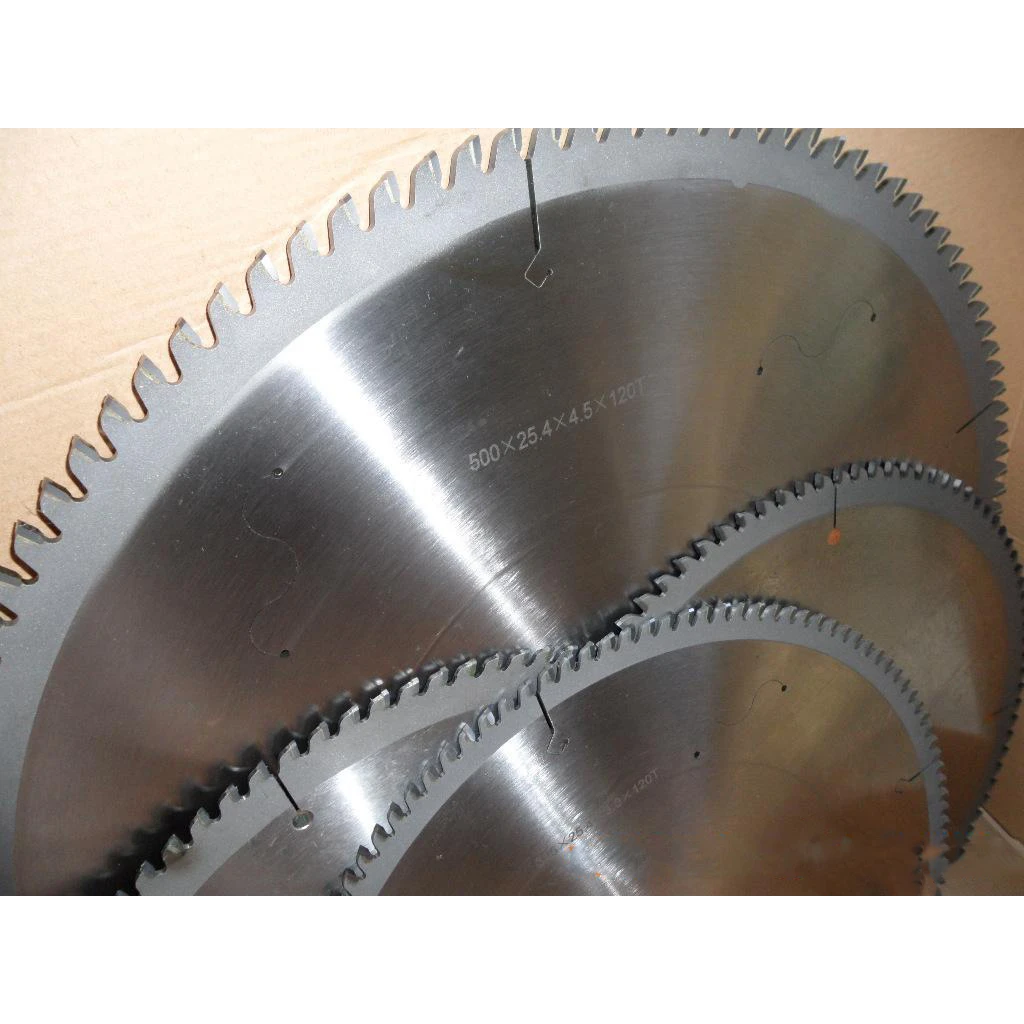
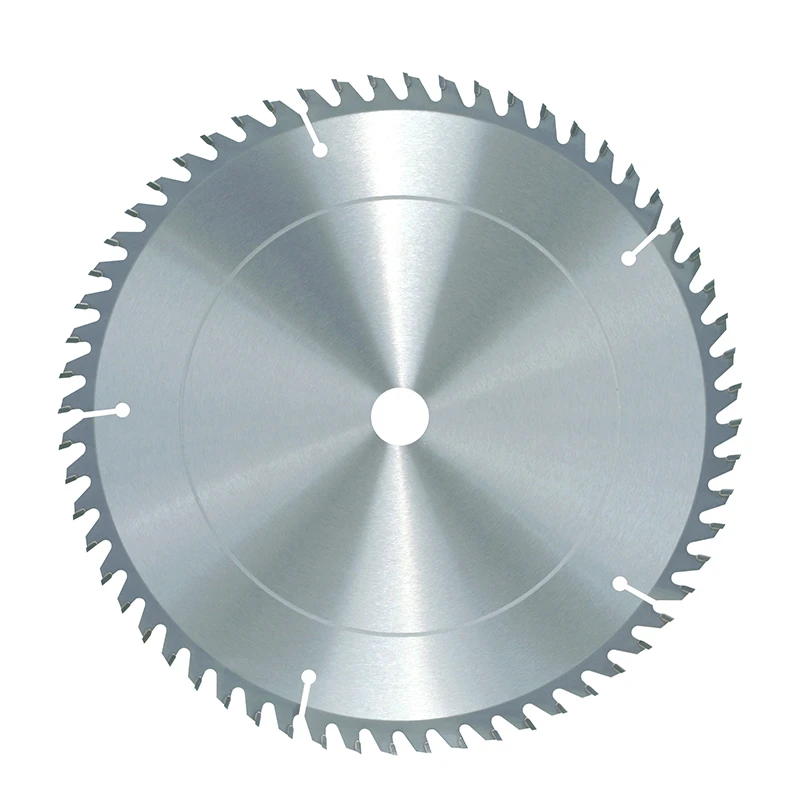
So what does this blade actually do? In basic terms, it’s a circular saw blade, 300 millimeters (about 12 inches) in diameter, embedded with industrial-grade diamond segments on its edge. Because diamond is the hardest naturally occurring material on Earth, it’s perfect for grinding, cutting, and slicing through tough, brittle substances like porcelain tiles without cracking or crumbling them. The special composition—the diamond grit mixed with a metallic bond—ensures longevity and consistent cutting performance. It’s not just a blade; it’s a precision instrument in modern manufacturing and construction, allowing professionals to slice with clean edges, minimizing waste and boosting aesthetics. Plus, the size (300mm) offers a good balance: large enough for deeper cuts than handheld smaller blades, yet manageable for many power saws.Mini takeaway:
- Porcelain diamond blades use diamond grit for superior hardness.
- 300mm size is ideal for many tile and material thicknesses.
- They reduce chipping and breakage in brittle materials.
Key Features That Make Porcelain Diamond Blades Essential
1. Durability
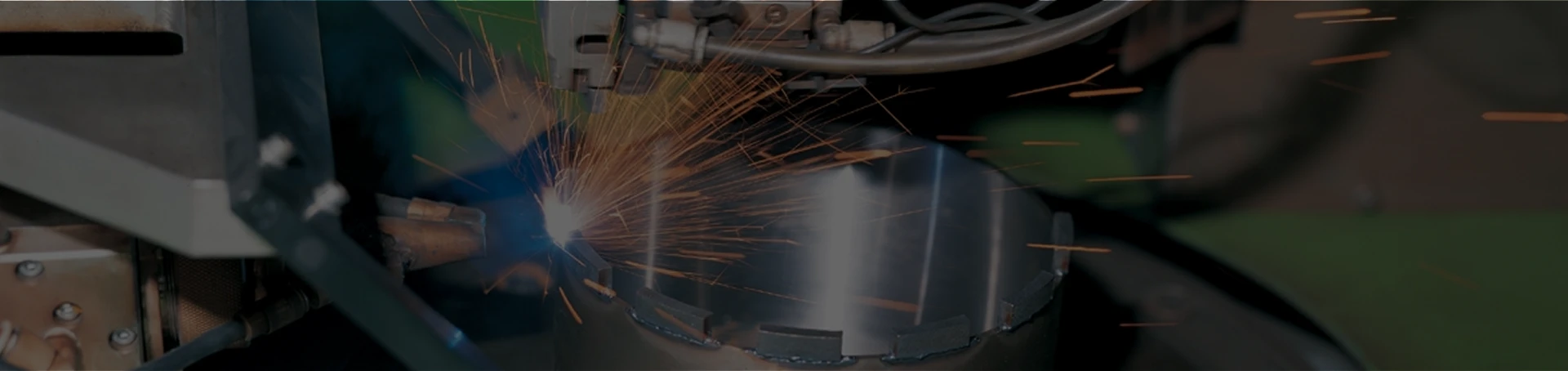
The diamond segments are sintered or laser welded to the blade’s steel core. This method ensures they resist wear and tear even after cutting hundreds of tiles. A well-made porcelain diamond blade 300mm could last months or even years on a busy job site, depending on use—saving both time and money.2. Precision Cutting
Porcelain is unforgiving—one wrong cut means cracked tiles or spoiled materials. The diamond blade’s sharp edges and even segment distribution mean cuts come out straight and clean. This precision matters for installers aiming for flawless finishes.3. Cooling & Heat Resistance
Cutting porcelain generates heat. Many porcelain diamond blades include design features for air flow or can be used wet (with water) to dissipate heat, preventing damage to both the blade and the tile.4. Versatility
Though designed primarily for porcelain tiles, they often perform well on ceramics, stone, and engineered quartz—making them multi-purpose in many toolkits.5. Cost Efficiency
At first glance, diamond blades carry a higher upfront cost than conventional ones. But their extended lifespan, reduced material waste, and faster cutting mean lower overall project costs. Many contractors say investing a bit more on a quality porcelain diamond blade 300mm quickly pays for itself.Mini takeaway:
- Durability means fewer blade replacements.
- Precision cuts improve quality and reduce waste.
- Features like cooling systems extend blade life.
Product Specification Table: Typical Porcelain Diamond Blade 300mm
| Specification | Details |
|---|---|
| Blade Diameter | 300 mm (12 inches) |
| Segment Height | 10 mm |
| Bond Type | Metal sintered bond |
| Max RPM | 4,000 RPM |
| Cutting Method | Wet or dry cutting |
| Application | Porcelain, ceramics, stone |
Global Applications & Use Cases for the Porcelain Diamond Blade 300mm
The reality is, porcelain diamond blades find themselves in many settings. In Europe, where marble and porcelain tiles decorate historic restorations, the blades enable expert craftsmen to achieve precision cuts without damaging precious stones. In Asia’s booming urban centers, where speed and volume matter, these blades are used nonstop on construction sites for high-rise apartments and commercial complexes. Post-disaster relief efforts also benefit from durable blades when rebuilding infrastructure requiring tiling or structural components—clean cuts speed up repairs and restore safety faster. Even in remote industrial zones where logistics are difficult, having a reliable cutting tool that won’t fail is invaluable. One contractor I spoke with in Italy mentioned how their jobsite productivity nearly doubled after switching to a porcelain diamond blade 300mm—fewer broken tiles and less downtime made all the difference.Mini takeaway:
- Used widely from luxury renovations to mass housing.
- Essential in disaster recovery for speed and durability.
- Valued for reliability even in challenging environments.
Advantages and Long-Term Value
Let’s be honest: cost, sustainability, and safety top the list when selecting tools. The porcelain diamond blade 300mm scores well on all fronts. Its long life reduces waste and procurement frequency, thus lowering environmental impact. Reliable cutting means less risk of injury from broken or jagged tiles, promoting worker safety and jobsite morale. Plus, there’s an emotional side: trust. When craftspeople turn to their blades day in and day out, knowing it won’t fail builds confidence and pride. Innovations in manufacturing have improved the sustainability of diamond coating methods, making them greener over time—some companies even promote recycling worn blades.Future Trends & Innovations in Porcelain Diamond Blades
I’ve been watching the industry closely. New alloys, improved diamond grit distributions, and hybrid bonds are in their labs now. The goal? Even longer blade life and even smoother finishes without slowing down work pace. Some manufacturers are integrating sensors to monitor blade wear digitally—yes, smart blades that “talk” to operator tools. Sustainability is also pushing innovation toward more eco-friendly manufacturing and recycling protocols. Automation in tile cutting, paired with high-precision blades, is beginning to reduce human error. If you think about it, today’s porcelain diamond blade is quietly becoming part of a bigger tech ecosystem, blending traditional craftsmanship with digital monitoring.Common Challenges and How Experts Solve Them
Despite their strengths, porcelain diamond blades aren’t perfect. Improper cooling can cause overheating, leading to blade warping or cracked tiles. Some blades wear unevenly if used on incompatible materials. Choosing the wrong bond hardness or grit size slows cutting or wastes the blade’s potential. Experts recommend trusted brands and proper training in blade maintenance. Wet cutting systems paired with good water circulation help immensely. Some contractors even keep a blade registry logging their performance and preferred materials, optimizing usage and ordering.Vendor Comparison: Popular Porcelain Diamond Blade 300mm Options
| Brand | Segment Height | Wet/Dry | Price Range | Ideal For |
|---|---|---|---|---|
| DiamondPower Pro | 10 mm | Wet/Dry | $$$ | Professional contractors |
| TileMaster Ultra | 8 mm | Wet only | $$ | Residential use |
| BladeXtreme 300 | 12 mm | Dry only | $$$ | Heavy industrial use |
Frequently Asked Questions About Porcelain Diamond Blade 300mm
Q1: How do I know if a porcelain diamond blade 300mm is right for my saw?
Most 300mm blades fit standard 12-inch angle grinders and tile saws, but always check your saw’s specifications. Blade arbor size and maximum RPM must match the blade’s. Using incompatible blades risks safety and performance.
Q2: Can I use the porcelain diamond blade dry, or do I need water for cutting?
Many blades are designed for both wet and dry cutting, but wet cutting is preferred as it reduces heat and dust. For longer blade life and cleaner cuts, use water cooling whenever possible.
Q3: How often should I replace my porcelain diamond blade?
Blade lifespan depends on use, materials, and maintenance. Heavy, daily use in industrial settings might require replacement every few months, while occasional use can stretch it over years. Watch for decreased cutting efficiency or visible wear.
Q4: Is it possible to resharpen a diamond blade?
Sort of. Diamond blades can be “dressed” or sharpened by cutting into a dressing stone or soft concrete block to expose fresh diamonds, but this doesn’t work indefinitely. Once segments are too worn, replacement is better.
Q5: Where can I buy reliable porcelain diamond blade 300mm options?
Many reputable industrial suppliers and online stores offer quality blades. Checking customer reviews and manufacturer specs is key. Visit our website for trusted selections: porcelain diamond blade 300mm.
Conclusion: Why Investing in the Right Porcelain Diamond Blade 300mm Pays Off
To wrap it up—as mundane as a saw blade might sound, the right porcelain diamond blade 300mm can make or break a project’s success. It’s not just about cutting tiles; it’s about precision, safety, sustainability, and ultimately, delivering results that stand the test of time. Whether you're a skilled craftsman in Italy or a contractor managing a large urban project in Asia, using a dependable blade means fewer headaches, less waste, and a job well done. If you want to explore high-quality options and keep your projects cutting-edge, be sure to visit our website: porcelain diamond blade 300mm. After all, the devil’s in the details—and in this case, on the edge of the blade.Final quick takeaways:
- Porcelain diamond blades combine toughness with precision for brittle materials.
- A quality 300mm blade saves money through durability and clean cuts.
- Global demand is rising, driving innovation in blade tech and sustainability.
References:
Related Products
Related Products





Address
No.30 Gaoying Road ,Chang'an District,Shijiazhuang,Hebei Province
Business Hours
Mon to Saturday : 8.00 am - 7.00 pm
Sunday & Holidays : Closed
.png )