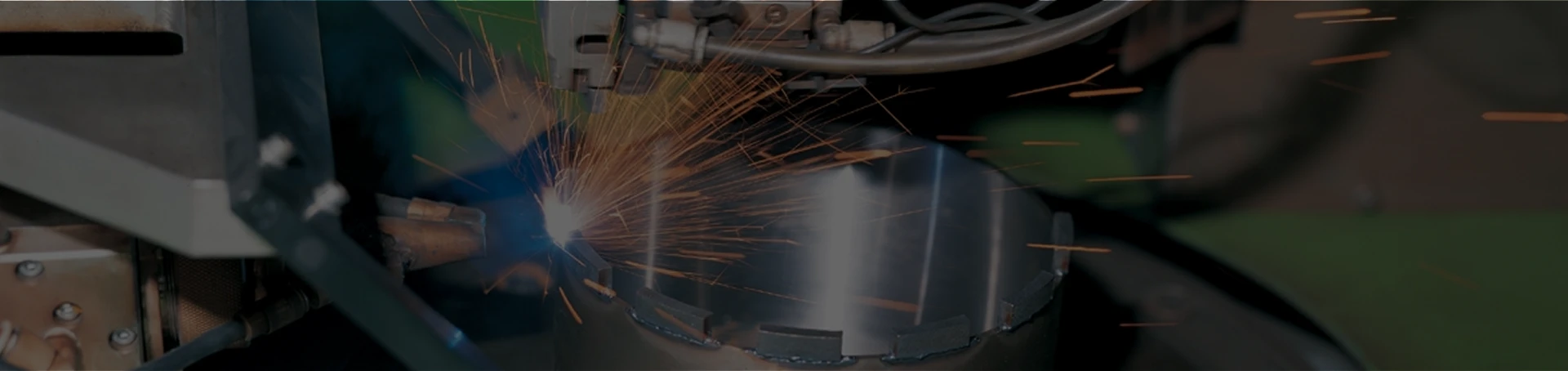
9 Inch Porcelain Blade – Precision, Durability, and Global Applications
What Makes the 9 Inch Porcelain Blade a Game-Changer in Industrial Cutting?
If you’ve ever tackled porcelain tile or ceramic, you know how stubbornly tough those materials can be. Enter the 9 inch porcelain blade — an essential tool that’s transformed everything from construction sites to artisan workshops across the globe. It’s a small but mighty wheel that cuts through dense materials with precision and less waste, quietly making projects faster, cleaner, and more cost-effective. Globally, as urban infrastructure grows and renovations become frequent, the demand for specialized cutting tools like these has skyrocketed — and understanding their design and applications can save time, money, and a good deal of frustration.
Looking at the Bigger Picture: Why the 9 Inch Porcelain Blade Matters Globally
Worldwide, the construction industry is responsible for nearly 38% of global carbon emissions, according to recent data from the International Energy Agency (IEA).[1] While that might sound like it’s unrelated to a humble blade, consider this: efficient cutting tools reduce material waste and energy consumption on site. Porcelain tiles alone have become a favorite material due to durability and aesthetic value, with millions of square meters installed annually in Europe, Asia, and North America. Yet, cutting porcelain has always been tricky — its brittle nature means traditional blades shatter tiles or wear out quickly, leading to replacement needs and unnecessary waste.
By addressing this challenge, the 9 inch porcelain blade helps curb waste and improves cutting accuracy, which can have ripple effects in construction efficiency and sustainability. Oddly enough, these blades, certified by organizations like ISO (International Organization for Standardization), have contributed quietly but steadily to greener building practices worldwide.
What Is a 9 Inch Porcelain Blade?
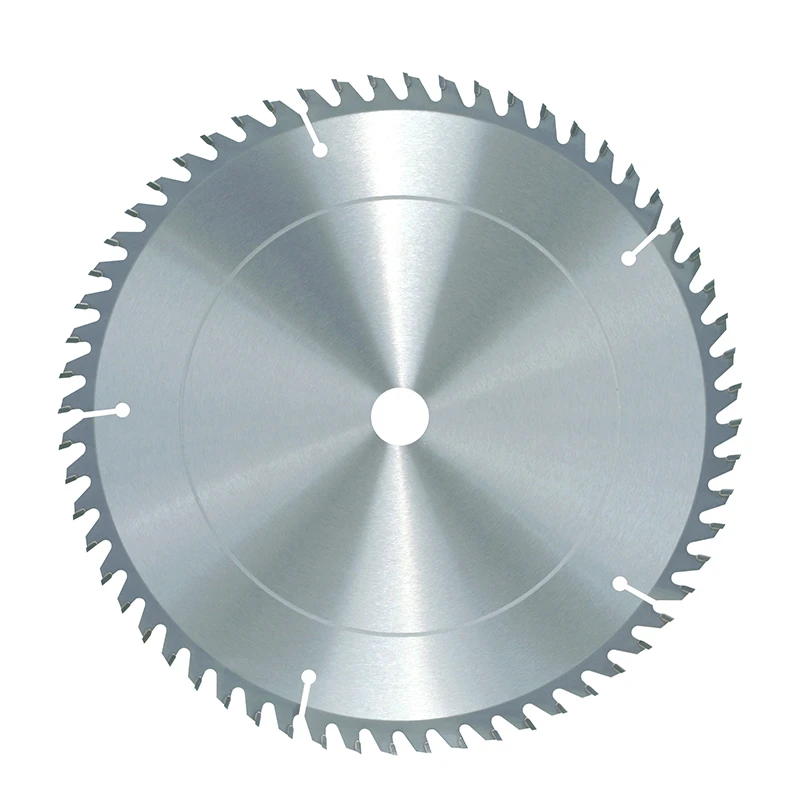
At its core, the 9 inch porcelain blade is a circular cutting disc specifically engineered for slicing through porcelain, ceramic, quarry tiles, and even some types of stone. Typically diamond-tipped or diamond-grit coated, it provides superior hardness and wear resistance compared to standard blades. The diameter — nine inches — is optimal for handheld grinders, balancing maneuverability with cutting depth.
In modern industry, these blades play a critical role in sectors ranging from commercial building renovations to artistic installations. Even humanitarian needs like shelter construction or emergency infrastructure sometimes rely on them for rapid tile cutting or panel resizing. The porcelain blade sounds niche, but its use cases spread wider than many realize.
Key Features of the 9 Inch Porcelain Blade
Durability and Wear Resistance
The diamond edge embedded within the blade ensures minimal wear during cutting, allowing users to slice through tough material repeatedly without frequent blade swaps.
Precision Cutting
Porcelain tiles are brittle; accidental chipping can ruin a batch or cause aesthetic issues. These blades minimize chipping through consistent, smooth cuts.
Compatibility and Versatility
Designed for a standard 9-inch grinder fitting, they offer compatibility across many brands, which makes them a favorite choice for contractors on the move.
Cost-Efficiency
While initially pricier than some generic blades, the longer lifespan and fewer damaged tiles mean these blades pay off quickly.
Product Specification Table
| Specification | Detail |
|---|---|
| Diameter | 9 inches (230 mm) |
| Arbor Size | 22.23 mm (7/8 inch) |
| Material Composition | Diamond grit bonded with metal matrix |
| Maximum RPM | 6,600 RPM |
| Cutting Depth | Up to 1 inch (25 mm) |
| Connection Type | Standard 22.23 mm arbor hole |
Mini takeaway: The 9 inch porcelain blade is a finely tuned tool designed for durability, precision, and effective cutting depth, optimized for professional-grade porcelain and tile work.
Who’s Using 9 Inch Porcelain Blades Worldwide?
From urban European renovations to booming Asian markets, the porcelain blade’s reach is broad. Construction companies rely on them daily to reshape the tough tiles adorning modern façades. In fact, vendors report growing adoption in emerging markets where infrastructure is expanding rapidly.
Post-disaster relief organizations sometimes use these blades to quickly retrofit shelters with ceramic panels or tiles — it helps bring a touch of dignity and safety to temporary housing. Oddly enough, artisans and ceramic sculptors also prize them for their clean cuts on delicate materials. In industrial zones where precision is non-negotiable, these blades ensure workflow isn’t slowed due to chipped or broken tiles.
Vendor Comparison Table: Popular 9 Inch Porcelain Blades
| Brand | Price (USD) | Cut Quality | Durability | User Rating |
|---|---|---|---|---|
| UltraCut Pro | $48 | Excellent - minimal chipping | High - lasts 10K+ cuts | 4.7/5 |
| DiamondMaster XT | $42 | Very Good | Moderate - best for short-term projects | 4.3/5 |
| CeramiCut Advanced | $54 | Superior - ultra smooth finish | High | 4.8/5 |
9 inch porcelain blade choices vary — but understanding each product’s strengths helps you find the right fit, especially for complex or high-stakes work.
Why Choose a 9 Inch Porcelain Blade? The Advantages Are Clear
First up: durability. You might pay a little more, but that saves you replacement headaches and tile wastage. Next, precision. Nobody wants jagged edges spoiling an expensive porcelain tile. Plus, the blade’s design reduces dust and debris, which means a cleaner jobsite—good news for worker safety and local air quality.
There’s also a lot to be said for the psychological comfort of having a trusted, high-performance tool in hand. Many pros I’ve spoken with actually say it feels like they can “trust” the blade — which translates to faster, less stressful workdays.
Looking Forward: Innovations in 9 Inch Porcelain Blade Technology
Green manufacturing is creeping into blade production with more recycled diamond materials and eco-friendly bonding agents. Some new blades feature laser-cut segments aimed at reducing heat buildup—which is critical for extending blade life and reducing porcelain cracking.
Automation via smart grinders that monitor blade wear and usage frequency is also on the horizon, making tool maintenance smarter and less guesswork-filled.
Overcoming the Challenges: Blade Wear and Porcelain Toughness
No tool is perfect. Porcelain remains tricky to cut perfectly every time. Some blades wear unevenly, and overheating can cause microscopic fractures. To combat this, pro users often combine water-cooling techniques or vacuum dust extractors to prolong blade life and maximize safety. The key is matching blade type to specific tile thickness and density—and not forcing the blade to do more than it’s designed for.
FAQs: Your Questions About the 9 Inch Porcelain Blade Answered
Q1: How does a 9 inch porcelain blade compare to regular diamond blades?
A: Unlike general-purpose diamond blades, the 9 inch porcelain blade is specifically engineered with finer diamond grit and a segmented rim to reduce chipping and handle the brittle nature of porcelain tiles, resulting in smoother, cleaner cuts.
Q2: Can I use a 9 inch porcelain blade on ceramic tiles as well?
A: Yes, these blades excel on porcelain and ceramic tiles because both materials share similar hardness and brittleness. However, for extremely dense ceramics, checking the blade’s specifications for compatibility is recommended.
Q3: How often should I replace my 9 inch porcelain blade?
A: Replacement depends on use intensity, but typically after about 10,000 linear inches of cut, or when you notice decreased cutting efficiency, chipping, or uneven abrasion.
Q4: Are there safety precautions specific to using porcelain blades?
A: Yes, always wear eye protection and gloves. Use water-cooling if possible to prevent overheating and dust extraction systems to minimize silica dust inhalation, a known respiratory hazard.
Q5: Where can I buy high-quality 9 inch porcelain blades internationally?
A: Many vendors ship globally via distributors or direct e-commerce platforms. Verified suppliers like the one at MyDiamondBlade.com provide certifications and product guarantees for international customers.
Wrapping It Up: Long-Term Gains With the 9 Inch Porcelain Blade
In the long run, investing in a premium 9 inch porcelain blade pays dividends not just in efficiency but in sustainability and craftsmanship integrity. These blades enable less waste, safer work conditions, and a professional finish that enhances project reputation. If your work involves porcelain tile cutting at any scale, give this tool some serious thought.
Thinking about upgrading your toolbox? Visit our website to explore our range of top-notch porcelain blades that match your job needs.
References:
Related Products
Related Products





Address
No.30 Gaoying Road ,Chang'an District,Shijiazhuang,Hebei Province
Business Hours
Mon to Saturday : 8.00 am - 7.00 pm
Sunday & Holidays : Closed
.png )