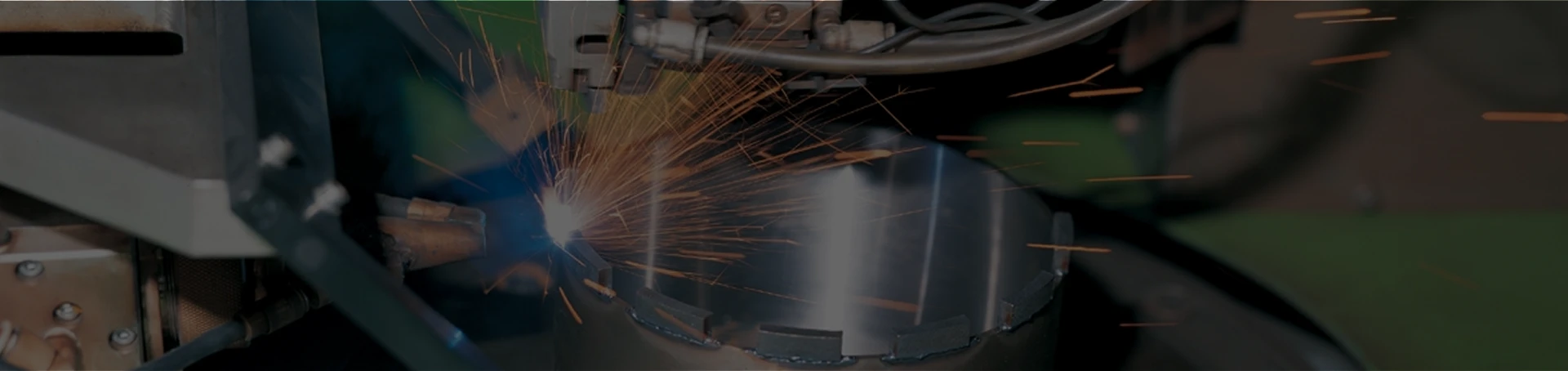
Porcelain Blade 300mm – Durable & Precision Tiles Cutting Blades | MyDiamondBlade
Understanding the Porcelain Blade 300mm: Precision Meets Durability
If you’ve ever thought about the humble diamond blade that slices through tile, stone, or concrete, well, the porcelain blade 300mm is a step above. This tool isn’t just essential for artisans or construction pros — it serves industries worldwide, combining sheer cutting power with impressive longevity. Why does it matter globally? Because with more urbanization, infrastructure projects, and renovation needs, having blades that can reliably cut through ultra-hard materials like porcelain tiles directly impacts costs, efficiency, and sustainability.
In short, knowing how porcelain blades — especially the 300mm variant — work can save time, money, and sometimes, a whole lot of frustration on the jobsite.
The Global Importance of the Porcelain Blade 300mm
Nowadays, porcelain tiles represent a growing segment of the global construction material market. According to industry stats, ceramic and porcelain tiles make up roughly 20% of global flooring materials by volume, especially in Europe, Asia, and the Americas. The 300mm porcelain blade is designed specifically for cutting these materials cleanly with minimal chipping.
Construction experts report that one of the biggest challenges with porcelain tiles is their hardness and brittleness, often causing cracking or uneven cuts with generic blades. The solution, obviously, leans heavily on blade technology — and that’s where 300mm porcelain blades come in. They’re optimized for precision and durability, reducing waste and rework — a small win that adds up on a large site.
Mini Takeaway:
Porcelain blade 300mm cuts through industry challenges by balancing precision and toughness, crucial for high-demand construction zones globally.
What Exactly is a Porcelain Blade 300mm?
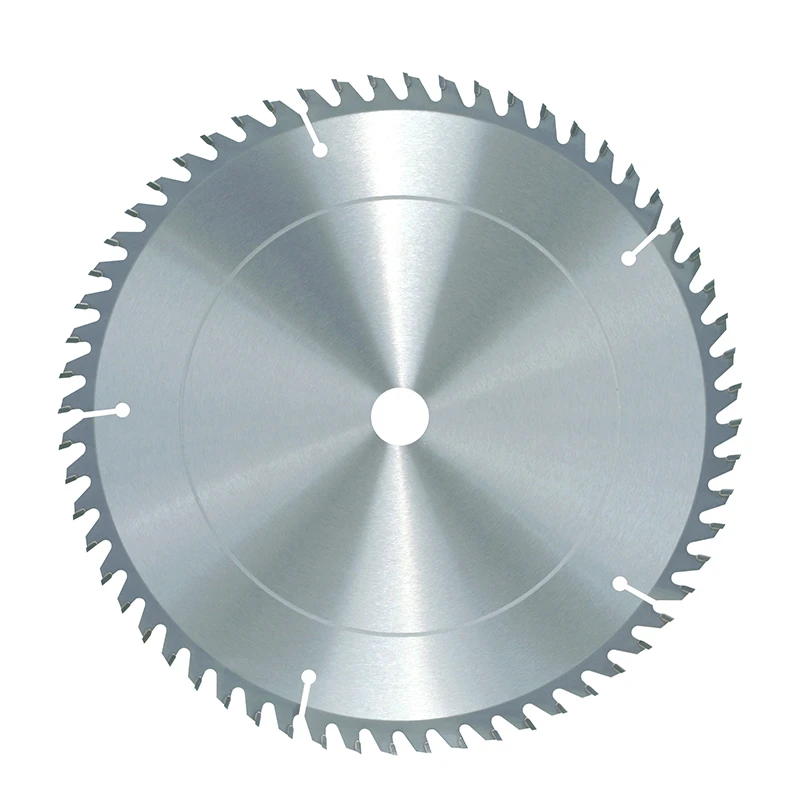
In layman’s terms, a porcelain blade 300mm is a circular cutting tool with a 300mm diameter, engineered primarily to slice through hard, dense materials like porcelain tiles without cracking or breaking them. Typically made with diamond segments or an abrasive rim, these blades attach to power saws, including tile cutters and angle grinders.
They’re specially designed to meet the unique demands of modern industries, from luxury flooring installers seeking flawless finishes to disaster relief teams needing fast rebuilds with durable materials.
Breaking Down the Core Features
1. Durability and Wear Resistance
Porcelain blades face constant interaction with ultra-hard surfaces so the choice of diamond grit quality and bonding agent is crucial. Higher quality blades use industrial diamonds graded for hardness and shape, combined with metallic bonds that slowly wear away to expose fresh cutting edges.
2. Precision Cutting and Chip Reduction
The blade’s segment design, rim type (continuous or segmented), and cooling features minimize heat and vibration - key contributors to cracking. Continuous rim blades, for example, offer smoother cuts and are popular among tile professionals.
3. Compatibility and Versatility
A 300mm diameter is popular because it balances cutting depth and saw compatibility. It cuts thick slabs efficiently while fitting most professional wet and dry tile saws. Also, some blades suit slightly different materials beyond porcelain, offering versatility.
4. Cost Efficiency
While premium porcelain blades cost more initially, their longer lifespan and improved cutting accuracy reduce material waste and downtime — which, frankly, can’ve saved projects tens of thousands in labor and replacement tile costs.
5. Safety Enhancements
Some blades feature noise-reducing segments and smoother edges, reducing operator fatigue and risk of mishaps. For heavy projects, these safety improvements are more than just a bonus.
Mini Takeaway:
- A porcelain blade 300mm blends durability, precision, and safety — making it indispensable for efficient tile cutting.
Global Applications & Use Cases
Porcelain blades surface everywhere — from high-end architecture in Dubai to residential remodels in Tokyo. In post-disaster rebuilding, NGOs rely on these blades for onsite tile renovations, often in remote locations where supplies are limited. Industrial zones in Europe demand porcelain blades for their factories’ frequent flooring upgrades, and urban renovations in North America prize these blades for speed and neat finish.
For instance, a flooring contractor in Germany noted that switching to a 300mm porcelain blade cut their project timeline by nearly 30% because they experienced fewer blade changes and less tile breakage.
Mini Takeaway:
Whether luxury renovations or emergency relief, porcelain blades power projects worldwide with precision and reliability.
Porcelain Blade 300mm Specification Table
| Specification | Details |
|---|---|
| Diameter | 300 mm (12 inches) |
| Segment Type | Continuous Rim or Turbo Segmented |
| Segment Height | 10 mm |
| Bond Type | Metallic bond with diamond grit |
| Max RPM | 4400 RPM |
| Cutting Type | Wet or Dry Cutting |
Leading Vendors Compared
| Vendor | Blade Quality | Price (USD) | Warranty | Best For |
|---|---|---|---|---|
| DiamondCut Pro | Premium industrial diamond, continuous rim | $120 | 2 years | Professional tile installers, luxury projects |
| TileMaster Ultra | Turbo segmented, good wear resistance | $95 | 1 year | General contractors, medium volume |
| CutRight | Budget blade, hybrid rim design | $65 | 6 months | DIYers, low volume users |
Why Choose a Porcelain Blade 300mm? Advantages and Long-Term Benefits
The porcelain blade 300mm isn’t just about raw power — it’s about reliability. Projects using these specific blades report fewer setbacks due to tile damage, quicker cut times, and overall reduced downtime. Moreover, the sustainability angle shouldn’t go unnoticed: fewer broken tiles means less waste going to landfills, not to mention savings on replacing chipped ceramics.
Emotionally, there’s comfort in knowing your tool won’t fail mid-cut, that you can trust the blade to produce clean, finished edges — a kind of dignity in craftsmanship. For many operators, that trust transforms a tedious job into a satisfying one.
Innovation and Future Trends in Blade Technology
Oddly enough, blade tech might seem mature but innovation keeps advancing. Some manufacturers are experimenting with green materials and alternative diamond bonding to reduce environmental impact. Others integrate sensors that monitor blade wear and temperature in real-time — all part of the digital transformation sweeping construction.
Automation also plays a role: robotic saws paired with these optimized porcelain blades are speeding up factory tile cutting with barely any manual input. I can’t help but imagine a future where blades “self-heal” or regenerate edges somehow. For now, though, incremental improvements continue making a tangible difference.
Facing Challenges, Finding Solutions
Challenges remain, of course. Some blades still exhibit premature wear under extreme dry-cutting conditions, especially in dusty, abrasive environments. And the compatibility with smaller or less powerful saws can limit choices.
To address this, blending better diamond grit with improved cooling techniques or introducing specialized coatings are some promising approaches. Also, training users to optimize cutting speeds and water usage prevent rapid blade degradation — sometimes that’s simply overlooked.
FAQ: Porcelain Blade 300mm
- Q1: Can a porcelain blade 300mm be used for other materials, like granite or marble?
- Yes, many porcelain blades are versatile enough for cutting softer natural stones like marble or granite, but performance varies. For harder materials like granite, specialized granite blades optimize cut quality and longevity better. Always check manufacturer specs.
- Q2: How often should I replace my 300mm porcelain blade?
- It depends on usage and material hardness, but typically, heavy users replace blades every 3-6 months. Look for reduced cutting performance, chipping, or visible wear on segments as signs it’s time. Regular inspection is key.
- Q3: Are wet and dry cutting equally effective with a 300mm porcelain blade?
- Wet cutting is generally preferred as it cools the blade and reduces dust, prolonging blade life and safety. However, some 300mm blades are designed specifically for dry cutting in tougher conditions. Check blade type before use.
- Q4: How do I transport these blades safely across borders for international projects?
- Because diamond blades are considered industrial tools, they usually clear customs easily. Packaging to prevent damage, accompanying material safety data sheets (MSDS), and compliance with local import regulations are recommended. Partnering with experienced freight agents helps.
Wrapping Up
Porcelain blade 300mm technology brings together precision, strength, and durability to meet the demands of modern construction landscapes worldwide. Whether it’s cost savings, sustainability, or pure cutting quality you’re after, these blades deliver. If you want to explore more or pick the right blade, visit our site at porcelain blade 300mm — your next project will thank you!
References
Related Products
Related Products





Address
No.30 Gaoying Road ,Chang'an District,Shijiazhuang,Hebei Province
Business Hours
Mon to Saturday : 8.00 am - 7.00 pm
Sunday & Holidays : Closed
.png )