
High-Performance TCT Metal Cutting Blades for Professionals
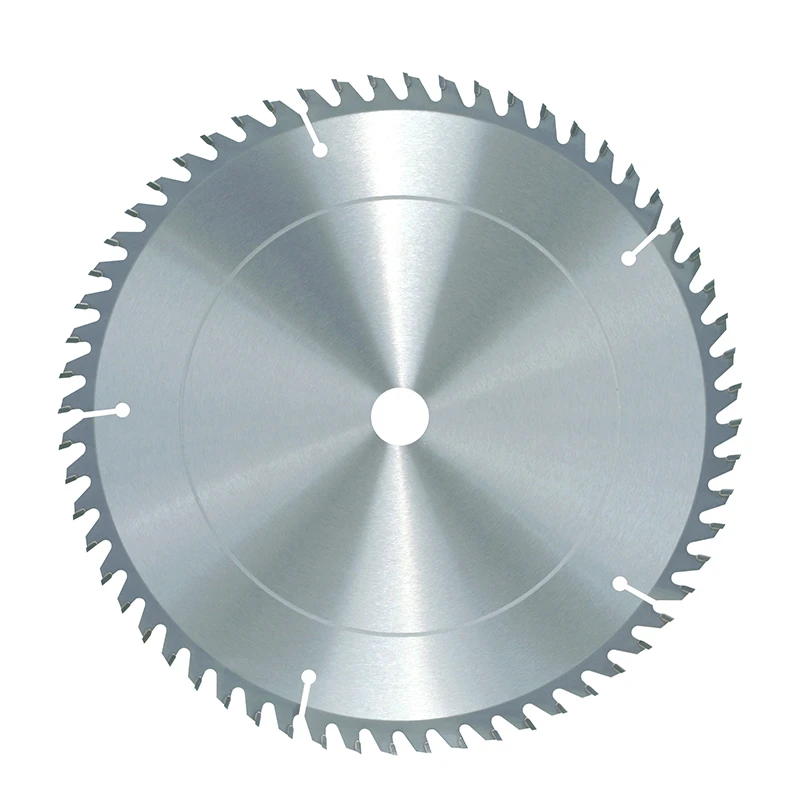
The world of cutting tools has been revolutionized by TCT metal cutting blades, offering professionals and DIY enthusiasts unparalleled precision and durability. From TCT metal cutting blades to specialized 305mm TCT blades, these tungsten carbide-tipped tools have become essential for woodworking and metal fabrication. This comprehensive guide explores the various applications of TCT wood cutting saw blades and answers the common question: can I use a TCT blade to cut wood?
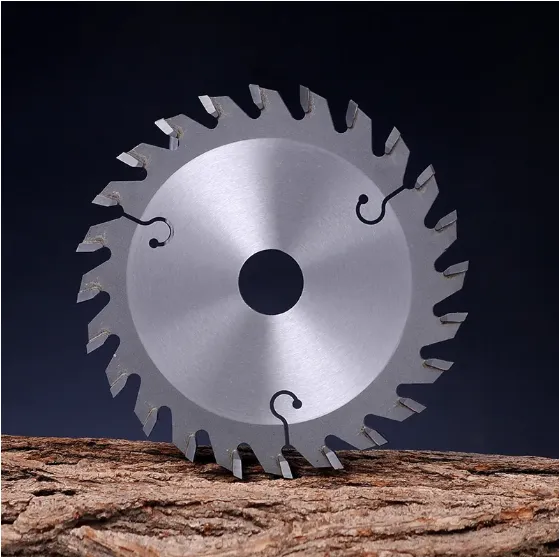
The Superior Performance of TCT Metal Cutting Blades
When it comes to metal fabrication, TCT metal cutting blades offer distinct advantages over traditional abrasive discs. These specialized blades feature a unique tooth geometry and advanced tungsten carbide formulations that can cleanly cut through aluminum, copper, brass, and even thin steel sheets without creating excessive heat or sparks.
Modern TCT metal cutting blades incorporate several innovative features:
- Specially engineered tooth angles that reduce vibration and chatter
- Anti-kickback designs for enhanced safety
- Expansion slots in the blade body to dissipate heat
- Precision-balanced construction for smooth operation at high RPMs
Professional metalworkers particularly value how these blades maintain their sharpness significantly longer than conventional metal cutting blades, reducing downtime for blade changes. The clean cuts they produce also minimize the need for additional finishing work, saving both time and material costs.
Large-Scale Cutting with 305mm TCT Blades
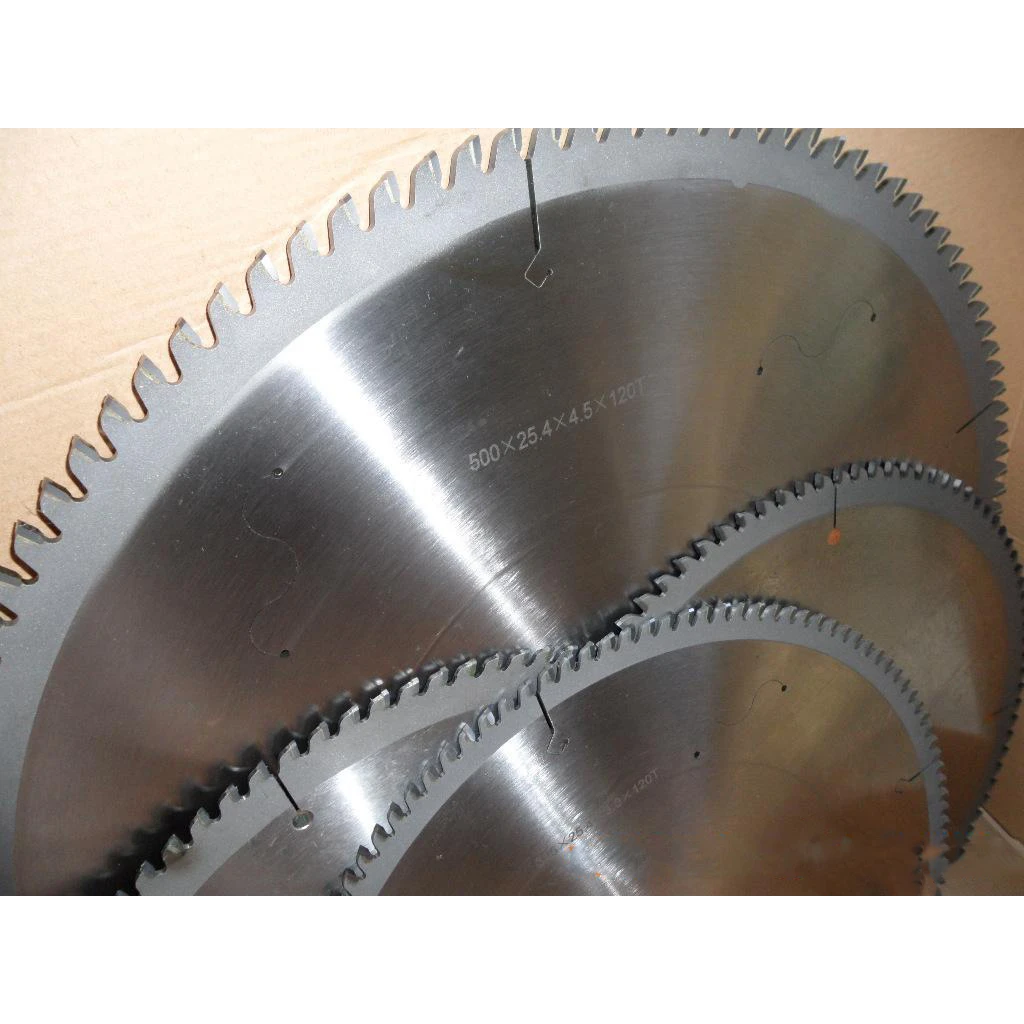
For industrial applications and heavy-duty cutting tasks, 305mm TCT blades provide the perfect combination of cutting depth and durability. These large-diameter blades are commonly used in stationary saws and beam cutters for processing thick lumber, large aluminum extrusions, and structural materials.
Key features of professional-grade 305mm TCT blades include:
- Extra-thick steel plates for stability during deep cuts
- Laser-cut expansion slots to prevent warping
- Specialized carbide grades for different materials
- Anti-vibration technology for smoother operation
- Precision-ground teeth for consistent performance
Contractors working on large-scale projects appreciate how these blades can handle continuous operation without losing cutting efficiency. Many premium 305mm blades now feature non-stick coatings that reduce pitch buildup when cutting resinous woods, further extending blade life between cleanings.
Optimizing Woodworking with TCT Wood Cutting Saw Blades
TCT wood cutting saw blades have transformed modern woodworking by combining long-lasting sharpness with exceptional cutting quality. These blades are available in numerous configurations to suit specific woodworking applications, from rough framing to fine furniture making.
The evolution of TCT wood cutting saw blades has introduced several specialized types:
- Rip blades with fewer teeth for fast cutting along the grain
- Crosscut blades with higher tooth counts for smooth finishes
- Combination blades that handle both rip and crosscut tasks
- Specialty blades for laminates and veneered materials
- Ultra-thin kerf blades for maximum material conservation
Woodworkers particularly value how modern TCT blades can maintain their edge through extended use while producing cleaner cuts than traditional steel blades. Many premium wood cutting blades now feature micro-grind teeth that slice through material rather than tearing it, resulting in glass-smooth surfaces that require minimal sanding.
Versatility Explored: Can I Use a TCT Blade to Cut Wood
The question can I use a TCT blade to cut wood is common among both professionals and DIYers. The answer is a resounding yes - in fact, TCT wood cutting saw blades are specifically designed for wood applications and represent the gold standard in woodworking blades.
Modern TCT wood cutting saw blades offer numerous advantages:
- Exceptional edge retention compared to conventional steel blades
- Cleaner cuts with minimal tear-out
- Reduced frequency of sharpening needed
- Ability to cut both softwoods and hardwoods efficiently
- Suitable for engineered wood products like MDF and plywood
- Less heat buildup during extended use
Professional carpenters emphasize that using the right TCT blade for specific wood cutting tasks significantly improves both the quality of work and overall productivity. The initial higher investment in quality TCT blades pays off through longer service life and superior cutting performance.
FAQs About TCT Blades Used On Which Power Tool
What types of power tools are TCT blades used on which power tool applications?
TCT blades used on which power tool are compatible with virtually all modern woodworking power tools including circular saws, miter saws, table saws, radial arm saws, and panel saws. The key is matching the blade diameter and arbor size to your specific tool, while also considering the tooth count and configuration for your intended application. Always verify the maximum RPM rating of both the blade and the power tool before use.
How does a TCT metal cutting blade differ from standard metal cutting blades?
TCT metal cutting blades differ fundamentally from conventional metal cutting blades in their construction and performance. While standard blades use hardened steel teeth that dull quickly, TCT versions feature tungsten carbide tips that maintain their edge up to 200 times longer. They also run cooler, produce cleaner cuts, and generate less sparking, making them safer for certain metal cutting applications, particularly with non-ferrous metals.
What are the primary advantages of using 305mm TCT blades?
The 305mm TCT blades offer several distinct advantages for professional users. Their large diameter allows for deeper cutting capacity in single passes, making them ideal for thick stock and beam cutting. The increased blade diameter also provides greater stability during cutting operations, resulting in straighter cuts. Many industrial-grade 305mm blades feature specialized tooth geometries that optimize chip removal during heavy-duty cutting tasks.
What factors should I consider when selecting TCT wood cutting saw blades?
When choosing TCT wood cutting saw blades, professionals should evaluate several key factors. Tooth count significantly affects cut quality - blades with more teeth produce smoother finishes but cut slower, while fewer teeth allow faster cutting with rougher results. The carbide grade impacts edge retention, with premium grades lasting longer in demanding applications. Other considerations include kerf width, tooth geometry, plate material, and any specialty coatings that might be beneficial for your specific work.
Are there limitations to what materials can I use a TCT blade to cut?
While TCT blades used on which power tool are incredibly versatile, they do have material limitations. They excel at cutting wood, plywood, MDF, and non-ferrous metals like aluminum, but should not be used for cutting ferrous metals (steel, iron) or masonry materials. Using TCT blades on inappropriate materials can damage both the blade and the power tool, and may create safety hazards. Always consult the manufacturer's recommendations for specific material compatibility before use.
The Mingye Tools Advantage
As a leading manufacturer with over a decade of experience, Mingye Tools Technologies Co., Ltd has established itself as a trusted name in cutting tool innovation. Our comprehensive range of TCT blades used on which power tool, from compact wood cutting blades to industrial 305mm TCT blades, represents the pinnacle of cutting technology.
Related Products
Related Products






Address
No.30 Gaoying Road ,Chang'an District,Shijiazhuang,Hebei Province
Business Hours
Mon to Saturday : 8.00 am - 7.00 pm
Sunday & Holidays : Closed
.png )