
High-Quality Marble Finishing Blade – Precision & Durability for Stonework
The Essential Role of Marble Finishing Blades in Modern Stonework
Marble finishing blades might not seem like the star of the show at first glance, but they’re absolutely vital in the construction and design industries worldwide. Knowing what makes an excellent marble finishing blade isn’t just for the tool geeks; it affects durability, aesthetics, and even costs on big projects. Whether you’re installing luxurious marble floors in a hotel lobby or restoring ancient stone monuments, the right finishing blade can make all the difference. It’s a tool that blends precision with strength, helping craftsmen and businesses meet exacting global standards.
Global Context: Why Marble Finishing Blades Matter Today
The global stone market, including marble, is vast and growing — worth billions annually according to Statista. Marble remains a go-to material for upscale architecture and renovation projects due to its durability and timeless appeal. With the International Organization for Standardization (ISO) continuously updating cutting and finishing standards for stone, marble finishing blades must meet strict quality and safety benchmarks.
Yet herein lies a challenge: not all finishing blades deliver consistent quality, especially when you factor in local supplies or variations in stone hardness. This inconsistency can cause surface flaws or faster wear—an issue for global construction firms dealing with tight timelines and budgets.
Mini Takeaway: Marble finishing blades play a crucial role in a billion-dollar market, answering a clear demand for precise, durable cutting tools that align with international standards.
What Exactly Is a Marble Finishing Blade?
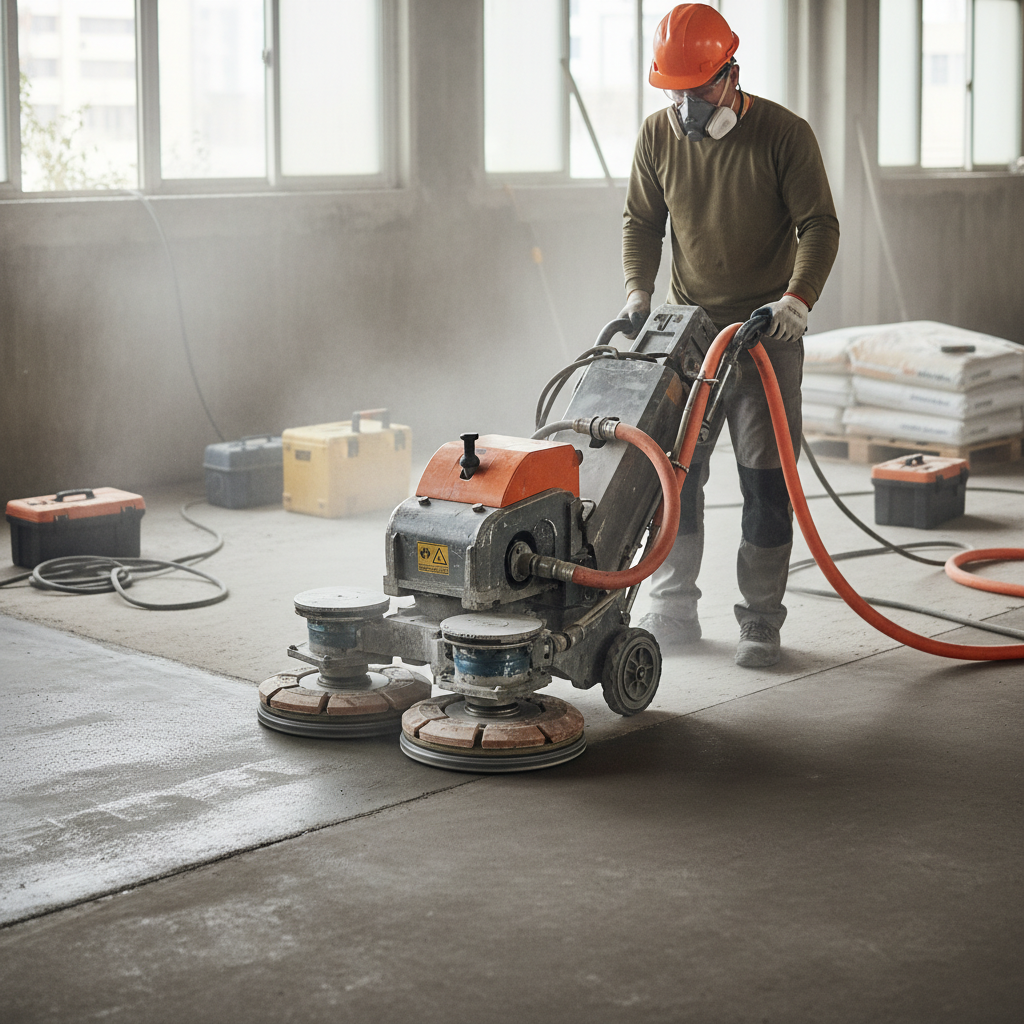
Simply put, a marble finishing blade is a specialized cutting and smoothing tool attached to angle grinders or polishing machines, designed specifically to achieve fine, smooth surfaces on marble stone. It’s crafted with diamond segments or abrasive materials to withstand marble’s density and hardness while delivering a flawless finish.
Modern marble finishing blades bridge the gap between industrial efficiency and artisan craftsmanship — allowing workers to create surfaces that meet technical standards and aesthetic expectations alike. This is especially important in industries where marble’s natural beauty must be preserved in public spaces, luxury homes, or cultural heritage sites.
Core Components of a Quality Marble Finishing Blade
1. Durability
Durability is non-negotiable. The best blades use premium diamond grit bonded with metal alloys, ensuring the blade withstands prolonged use without excessive wear or chipping.
2. Compatibility
These blades must be compatible with common tools, usually fitting standard angle grinders or polishing machines. This makes them accessible across different regions and work environments.
3. Versatility
Not all marble is created equal—some are softer, some denser, some veined differently. A great finishing blade can be versatile enough to handle various marble types without sacrificing quality.
4. Precision Cutting and Smoothness
The finishing blade’s segments lead to precise cuts and edge quality, minimizing cracks or fractures and producing a near-polished surface ready for last-stage buffing.
5. Cost Efficiency
Given the scale of many projects, cost-effectiveness is key. A blade that balances price with longevity and performance proves invaluable to contractors.
6. Heat Resistance
Milling marble generates heat; thus, a blade that dissipates it well prevents warping and preserves blade integrity over time.
Mini Takeaway: Think of marble finishing blades as finely tuned instruments that need multiple qualities — durability, compatibility, precision, and cost-efficiency come together in a proper tool.
Real-World Applications of Marble Finishing Blades
Around the globe, marble finishing blades serve myriad industries and regions. For example, in Italy’s Carrara region, renowned for its marble, artisans rely on precision blades to maintain centuries-old artistic standards while speeding up production. Meanwhile, in rapidly developing urban centers of the Middle East, large-scale construction requires blades that blend speed with smooth finishing to maintain high architectural standards.
Relief and reconstruction efforts also lean on these blades. Following natural disasters, marble repairs on historical monuments or public buildings need tools that minimize further damage and expedite restoration. Even small fabrication shops in Asia or Africa that supply local markets find these blades critical to their business growth.
Mini Takeaway: Marble finishing blades aren’t confined to luxury markets; their use spans artisan craft, large building projects, and even urgent restoration worldwide.
Advantages & Long-Term Value of Using the Right Marble Finishing Blade
- Cost Savings: Fewer replacements and less stone wastage translate to better budgets over time.
- Sustainability: Efficient blades reduce waste and energy use during stone processing.
- Reliability and Safety: Stable cutting lowers risks of accidents or surface damage.
- Enhanced Aesthetic Outcomes: A refined finish means happier clients and lasting impressions.
- Innovation Boost: The best blades often integrate new materials and tech, staying ahead of evolving industry needs.
Emotionally, workers feel more confident with reliable blades, reducing stress on tight projects. For clients, it’s an assurance of quality and professionalism.
Product Specification Table: Typical Marble Finishing Blade
| Specification | Details |
|---|---|
| Blade Diameter | 4", 7", 10" (varies by machine) |
| Segment Material | Industrial-grade diamond grit |
| Bonding Matrix | Metal alloy (varies: bronze, cobalt-based) |
| Max RPM | 12,000 RPM |
| Usage | Wet and dry cutting |
| Edge Finish | Smooth, polish-ready |
Comparing Leading Marble Finishing Blade Vendors
| Vendor | Material Quality | Price Range | Global Reach | Customer Support |
|---|---|---|---|---|
| Alpha Diamond Tools | Premium industrial diamond | $$$ | Worldwide | 24/7 Technical Support |
| StoneEdge Corp. | Standard diamond grit | $$ | Europe & Asia | Business Hours Only |
| MegaBlade Supplies | Mid-grade diamond, cost-effective | $ | North America | Limited Online Support |
Innovations and Emerging Trends for Marble Finishing Blades
Oddly enough, the tool industry has quietly embraced green technology recently. Some manufacturers are experimenting with eco-friendlier bonding agents to reduce hazardous chemicals during production. Plus, smart blades with embedded sensors are beginning to appear, transmitting data on blade wear and cutting temperature — a boon for predictive maintenance in busy workshops.
Automation and CNC polishing robots increasingly use specialized marble finishing blades tailored for machine precision. It feels like we’re on the verge of combining centuries-old stone artistry with next-gen tech.
Common Challenges and How Industry Experts Tackle Them
Slip-ups with finishing blades often stem from using the wrong blade for a given marble type or running cutters too hot, causing chipping or uneven edges. Some contractors overlook basic maintenance, shortening blade life.
Experts recommend regular training and blade inspections. It’s also critical to match blade bond hardness to marble density—a soft bond for hard marble and vice versa—to optimize cutting and finishing. These approaches cut down on wasted stone and frustration.
FAQ: Frequently Asked Questions About Marble Finishing Blades
Q1: How do I know which marble finishing blade is right for my project?
Choosing the right blade depends on the marble type, project scale, and the tool you’re using. Harder marble requires a softer blade bond to wear evenly, while softer marble pairs with harder bonds for longevity. Also, consider if you need a blade for wet or dry cutting. Consulting product specs or a specialist is the safest bet.
Q2: What’s the expected lifespan of a quality marble finishing blade?
Lifespan varies due to usage intensity and stone hardness, but generally, a premium marble finishing blade lasts several hundred linear meters of cut under proper conditions. Regular blade maintenance and avoiding overheating extend this considerably.
Q3: Can these blades be used on other stones like granite or limestone?
While technically possible, blades optimized for marble typically have different bonding and grit to suit marble’s properties. Using them on granite or limestone might reduce performance and blade life. It's best to use blades specified for the stone type.
Q4: Is it necessary to use wet cutting with marble finishing blades?
Wet cutting is recommended because it reduces heat and dust, leading to longer blade life and better finish. Some blades support dry cutting but are often less durable and can generate more dust harmful to workers.
Q5: How can businesses source high-quality marble finishing blades internationally?
Most reputable vendors have global distribution networks and online platforms. When importing, consider certifications, shipping conditions, and local regulations. Partnering with suppliers offering post-sale support simplifies international trade.
Wrapping It Up: Why Your Next Project Deserves the Best Marble Finishing Blade
In real terms, the marble finishing blade is more than just a tool; it’s the bridge between rough stone and refined elegance. Getting the right blade means less waste, fewer headaches, and a surface ready to impress — crucial in an industry where quality can define reputations.
If you’re looking to source the best marble finishing blade, including the latest designs and variants, don’t hesitate to visit our site: marble finishing blade for detailed product info and expert advice.
References
- Wikipedia - Marble
- International Organization for Standardization
- World Bank - Urban Development Overview
Related Products


Related Products





Address
No.30 Gaoying Road ,Chang'an District,Shijiazhuang,Hebei Province
Business Hours
Mon to Saturday : 8.00 am - 7.00 pm
Sunday & Holidays : Closed
.png )