
Premium Marble Cutting Saw Blades for Precision and Durability | MyDiamondBlade
Cutting Through the Surface: Why Marble Cutting Saw Blades Matter Worldwide
Marble cutting saw blades might seem like just another tool in the toolbox, but their impact stretches far beyond workshops or fancy countertops. Essentially, these blades are the unsung heroes when it comes to shaping the world’s natural stone—quite literally. Whether it's crafting stunning architectural features, producing refined sculptures, or supporting infrastructure industries, the quality and efficiency of marble cutting saw blades influence everything from local economies to global trade.
Understanding the nuances of these blades means appreciating improvements in construction speed, cost savings, and even environmental footprint. It's amazing how a slice of industrial innovation can ripple through so many sectors.
The Global Context: Marble Cutting Saw Blades in Industry and Infrastructure
Globally, the natural stone market, which includes marble, is valued at billions annually and expected to grow steadily. According to Statista, marble remains one of the preferred materials due to its durability and distinctive appearance.
The demand is particularly palpable in regions like the Mediterranean, India, and China—traditional hotbeds of stone craftsmanship—as well as booming urban centers worldwide where construction never sleeps. But here’s a challenge: marble is notoriously tough and brittle in ways that can cause inefficient cutting, wasting material and time. This is precisely where advances in marble cutting saw blade technologies make a difference, reducing waste and improving precision.
Technological progress here supports everything from luxury real estate to disaster recovery—imagine rebuilding after an earthquake: clean cuts, fast work, and reusable stone elements can speed reconstruction and preserve resources.
Defining the Marble Cutting Saw Blade
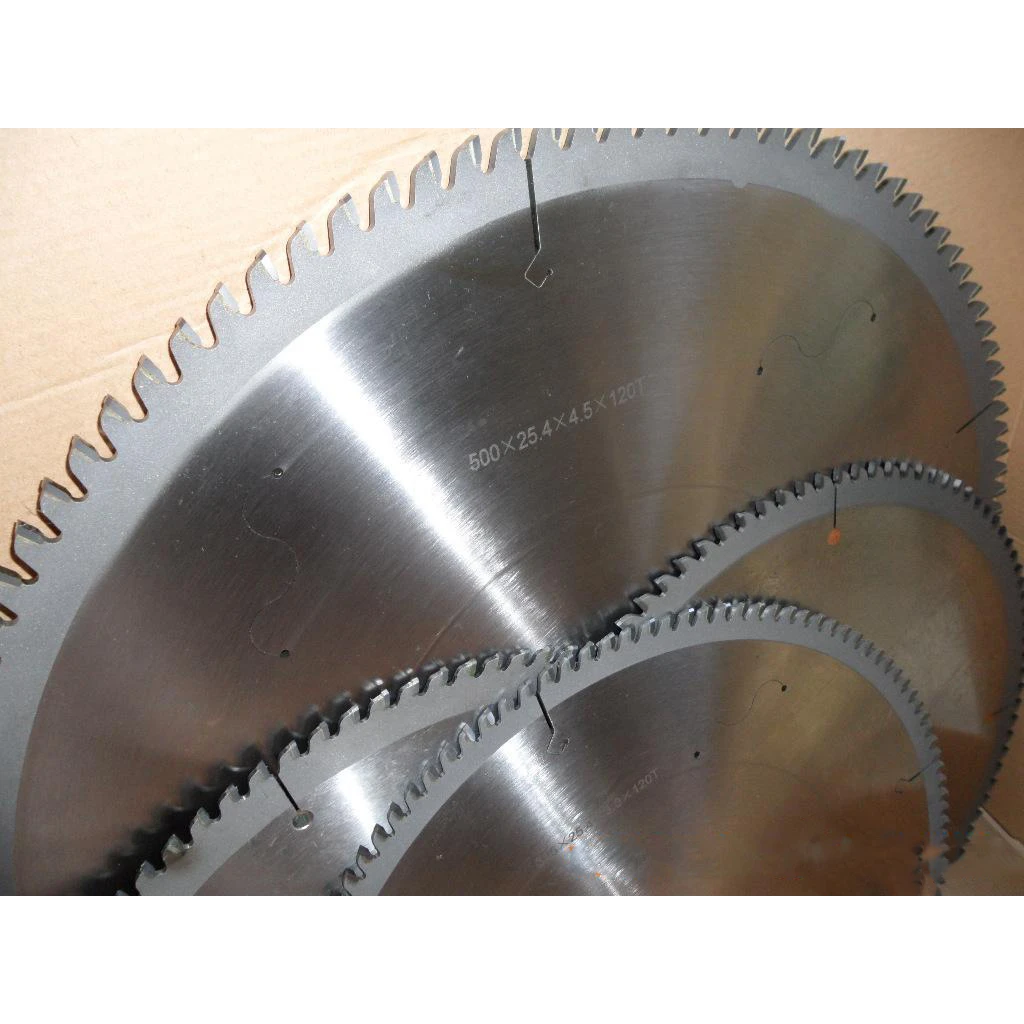
At its core, a marble cutting saw blade is a specialized circular blade designed specifically for cutting marble and similar natural stones. Unlike blades made for wood or metal, these blades are often infused with industrial diamonds or other abrasives for better grit and endurance.
The precision and quality of such a blade directly influence the smoothness of the cut, edge finish, and overall durability of the stone in final use. In practical terms, this isn't just about carving pretty tiles—it's about meeting the increasing demands for sustainable, efficient, and high-quality stonework in industries from architecture to restoration.
Key Components of Marble Cutting Blades:
- Industrial Diamonds: Embedded along the blade rim for sturdy, long-lasting cutting.
- Segment Design: Blade segments balance speed and smoothness with cooling dynamics.
- Blade Core: Often steel, chosen for stability, vibration control, and heat resistance.
- Blade Diameter: Varies based on saw type and stone thickness.
What Makes a Marble Cutting Saw Blade Effective?
Durability
The constant friction and abrasive nature of marble cutting demand blades that hold their edge longer. High-quality bonding materials keep diamonds in place despite intense wear.
Precision
Fine, clean cuts matter—especially where aesthetics come into play. Good blades reduce chipping and microfractures, preserving the stone’s natural beauty.
Cutting Speed
Time saved is money saved. Faster stonesmiths mean quicker projects, less downtime on jobsites, and overall operational efficiency.
Compatibility
Blades must work with a range of saw machines, including handheld, bridge saws, and CNC cutting tables, giving flexibility to users.
Cost Efficiency
Balancing upfront cost with blade lifespan determines overall value. Some cheaper blades burn out quickly, which can frustrate tradespeople.
Quick Product Specification Table
| Specification | Model A | Model B | Model C |
|---|---|---|---|
| Diameter | 350 mm | 400 mm | 450 mm |
| Segment Height | 12 mm | 15 mm | 18 mm |
| Bonding Type | Resin | Metal | Hybrid |
| Max RPM | 4000 | 3600 | 3200 |
Real-World Applications of Marble Cutting Saw Blades
Marble cutting saw blades prove their worth across continents. In the Mediterranean basin, famed for marble quarries, blades help artisans carve heritage restoration pieces—preserving cultural identity. In India’s bustling stone markets, they shape pavements and home décor, fueling local economies.
Beyond aesthetics, we see their importance in remote industrial zones where smooth-cut marble is used for water filtration beds or architectural reinforcements. NGOs also utilize these blades during post-disaster rebuilding, carving replacement tiles or stone blocks swiftly.
One interesting tidbit: many marble quarries in Turkey and Greece have recently shifted to eco-friendlier blades that reduce water consumption during cooling—a small step with potentially big environmental consequences.
Advantages That Go Beyond the Cut
- Cost Savings: Less wastage means lower material costs—an advantage every builder appreciates.
- Sustainability: Longer-lasting blades mean less frequent replacement and less industrial waste.
- Safety: Cleaner cuts reduce hazardous dust and flying chips, protecting workers.
- Visual Appeal: Superior finishes reduce the need for additional polishing.
- Economic Empowerment: Efficient tools enable smaller workshops to compete.
Frankly, you don’t just buy a blade: you invest in reliability, trust, and a smoother workflow.
Looking Ahead: Innovations and Trends in Marble Cutting Blades
With the growing push for sustainability, expect more eco-conscious production methods. Diamond recycling techniques, pre-sintered diamond technology, and smart sensors embedded in blades (yep, smart blades!) are on the horizon.
Cutting automation paired with AI-assisted blade wear monitoring promises less downtime and predictive maintenance—a real game changer in large-scale operations. Some manufacturers are even exploring hybrid blade materials combining ceramics and diamonds to optimize toughness and longer life.
Challenges & How Industry Experts Tackle Them
Despite their sophistication, marble cutting saw blades still struggle with dust control, excessive heat leading to premature wear, and uneven cutting caused by operator error or poor equipment calibration.
Innovative cooling systems—like water sprays combined with vacuum suction—alleviate dust and heat problems. Training programs emphasize the right speeds and feed rates, and firmware updates in automated saws help keep things aligned.
Vendor Comparison Table: Finding the Right Supplier
| Vendor | Diamond Quality | Price per Blade | Customization | Delivery Time |
|---|---|---|---|---|
| StoneTek | Premium | $150 | High | 5-7 Days |
| CutMaster Pro | Standard | $110 | Medium | 3-5 Days |
| DiamondEdge | Premium | $180 | Custom Projects | 7-10 Days |
Frequently Asked Questions About Marble Cutting Saw Blades
1. What factors should I consider when choosing a marble cutting saw blade?
You’ll want to look at blade diameter compatibility with your saw, the type and quality of diamond abrasives used, bonding material, and intended cutting speed. Also, consider whether you need blades designed for wet or dry cutting. Matching blade specs to your project’s thickness and hardness of marble improves both efficiency and finish.
2. Can I use a general stone cutting blade for marble?
While some stone blades claim multipurpose use, marble's unique brittleness and finish requirements mean specialized marble cutting blades result in cleaner cuts and longer blade life. Generic blades might wear out faster or cause chipping.
3. How do I maintain my marble cutting saw blade for long life?
Regular cleaning to remove stone dust, using water cooling to prevent overheating, and following recommended cutting speeds help prolong blade life. Also, avoid forcing the blade too fast through the marble—let the blade do the work.
4. Are diamond blades safe to use in indoor environments?
If used with proper dust suppression and ventilation, diamond blades can be safe indoors. Water cooling systems greatly reduce airborne dust. Always wear protective gear and follow safety guidelines.
5. What are the signs that a marble cutting blade needs replacement?
If you notice slower cutting speeds, excessive chipping, unusual vibration, or glazing (shiny surfaces on the blade without sharpness), it’s time to replace or re-dress the blade.
Conclusion: The Cutting Edge of Marble Craftsmanship
Marble cutting saw blades might seem straightforward, but their ripple effects touch economy, sustainability, and innovation worldwide. Investing in quality blades means better cuts, less waste, and projects completed with pride and precision. Whether you’re a tradesperson, manufacturer, or simply a fan of fine stonework, upgrading your blade technology is a smart move.
Ready to sharpen your toolkit? Visit https://www.mydiamondblade.com and explore a range of premium marble cutting saw blades that can elevate your work to the next level.
Mini takeaway: In the world of stone cutting, the blade you choose is the difference between artistry and frustration — choose wisely.
References
Related Products
Related Products






Address
No.30 Gaoying Road ,Chang'an District,Shijiazhuang,Hebei Province
Business Hours
Mon to Saturday : 8.00 am - 7.00 pm
Sunday & Holidays : Closed
.png )