
High-Quality Saw Blades for Cutting Marble - Durable, Precise & Efficient
Understanding Saw Blades for Cutting Marble: Why It Matters Worldwide
When you think about marble—the way it decorates palatial lobbies, timeless sculptures, or even your kitchen countertops—you might not immediately consider the humble saw blade for cutting marble behind its precise shaping. Yet, this specialized tool is essential in both artisan craftsmanship and massive construction projects globally. Choosing the right blade has a direct impact on cost, safety, waste reduction, and ultimately, design excellence.
Globally, with the natural stone market projected to reach billions in value by 2030, blades that can efficiently and cleanly cut marble help keep this growth sustainable. Understanding the technicalities behind these blades is key not only for manufacturers and fabricators but also for architects and project managers who depend on flawless stonework. If you've ever wondered how these pristine marble slabs achieve their smooth finishes without chipping or cracking, you’re in the right place.
Global Context: The Importance of Effective Marble Cutting Tools
Natural stone consumption has been steadily rising, with the World Bank citing a 4.5% annual increase in construction materials usage worldwide, especially in emerging economies. Marble, notably sourced from countries like Italy, Turkey, India, and China, sees growing demand not just in luxury homes but also cultural restoration and urban development.
However, cutting marble is no walk in the park. It’s a fragile, crystalline rock prone to fractures and surface defects during processing. The industry faces the challenge of minimizing material waste and operator hazards while improving speed and precision. This makes a high-quality saw blade for cutting marble more than just a cutting instrument—it’s a vital link in the supply chain enabling global architectural trends.
What Exactly Is a Saw Blade for Cutting Marble?
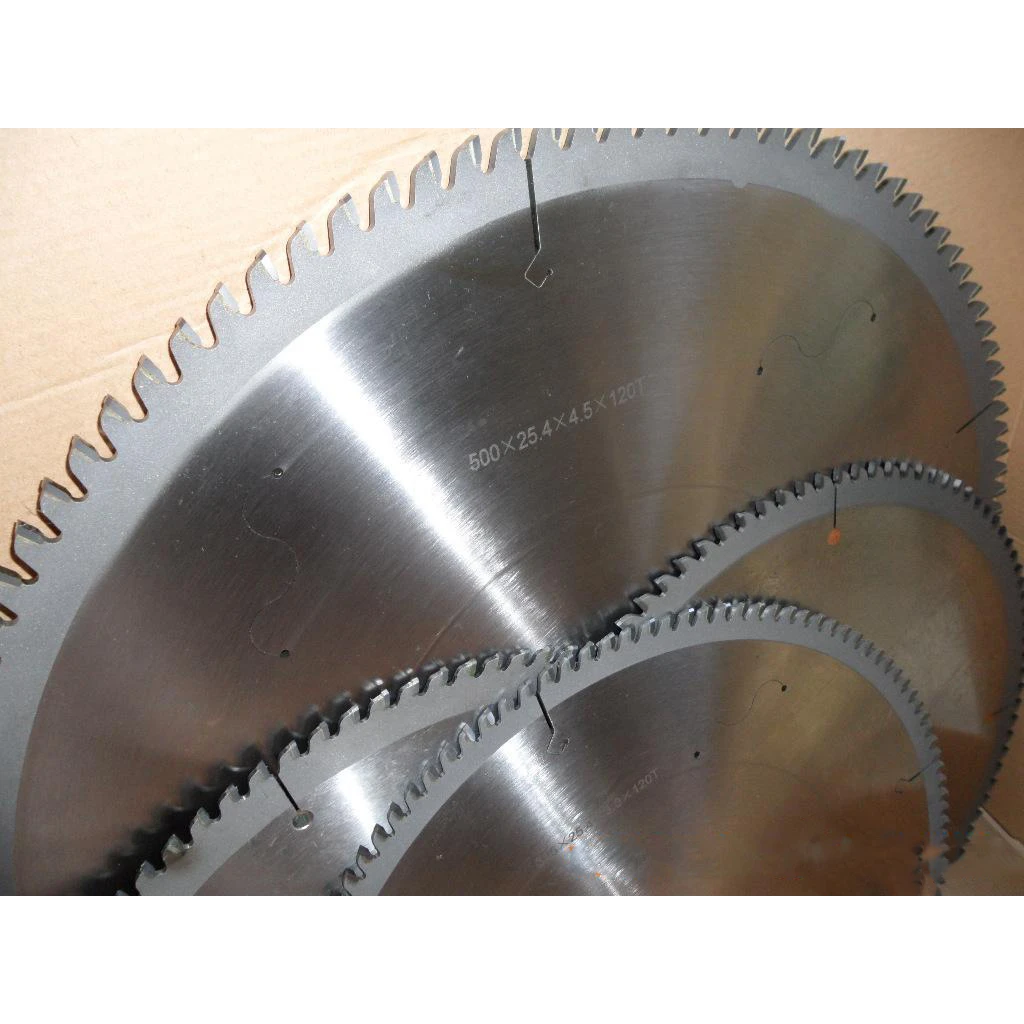
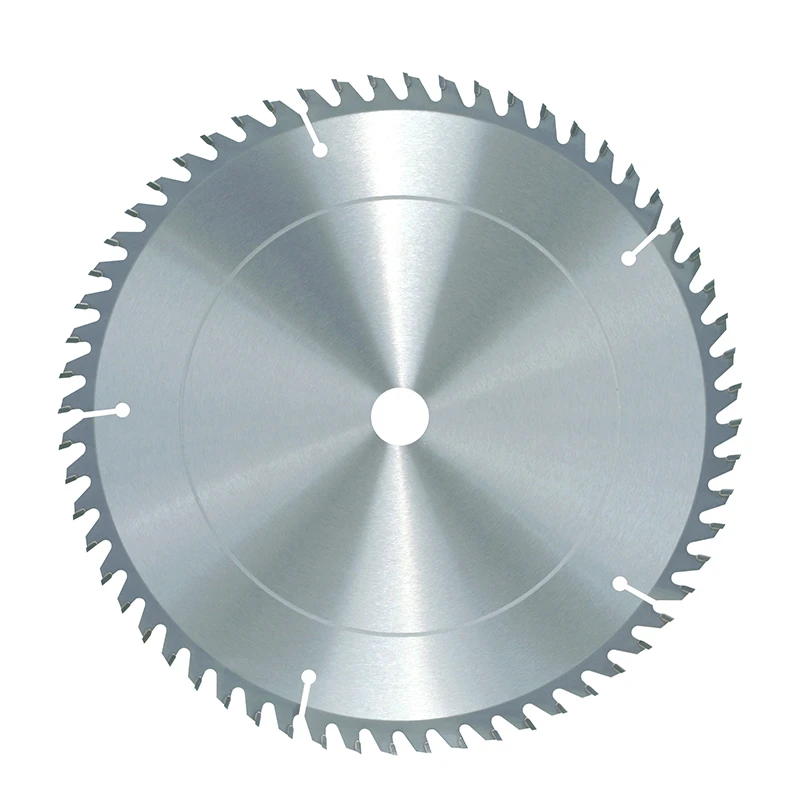
Simply put, a saw blade for cutting marble is a circular, abrasive blade designed specifically to slice through marble slabs or blocks without crack propagation or excessive chipping. Unlike general-purpose blades, these often feature diamond segments or coatings that offer the hardness necessary to handle marble’s mineral composition.
In modern industries, from artisan sculptors to mechanized quarries, these blades facilitate creating everything from tiny mosaic tiles to enormous architectural panels. And on the humanitarian side—say, rebuilding cultural landmarks after natural disasters—the precision and reliability of these blades enable restorative craftsmanship that conserves heritage.
Key Features That Define the Best Marble Cutting Blades
1. Durability
Durability isn’t just about how long the blade lasts, but how consistently it cuts without degradation. Marble, with its abrasiveness, tends to wear down tools quickly. Quality blades use super-fine diamond grits embedded with a metal bond matrix that gradually exposes new cutting particles, allowing for prolonged life.
2. Cut Quality & Precision
A clean, chip-free edge means less finishing work. The blade must balance sharpness and a smooth cutting speed, reducing heat buildup which can cause discoloration or fractures. The best blades minimize vibration, which also improves operator safety.
3. Compatibility
Not every blade fits every saw. Compatibility with machines (wet or dry cutting), power sources, and size standards is crucial. Specialized blades may also cater to industrial CNC machines or handheld angle grinders.
4. Cost Efficiency
While the initial price matters, the total cost depends on lifespan, speed, and maintenance. More durable blades save money and reduce downtime. Some choose blades optimized for particular types of marble to maximize efficiency.
5. Sustainability
Blades that reduce waste by delivering better cuts and lasting longer contribute to greener operations, aligning with growing industry sustainability standards (ISO 14001).
Mini takeaway: Choosing a saw blade for cutting marble isn’t just about buying the cheapest tool; it’s a multi-faceted decision that impacts craftsmanship, costs, and environmental footprint.
How Saw Blades for Cutting Marble Are Used Around the World
Industry-wise, these blades play starring roles in:
- Quarrying: Extracting large marble blocks pristine enough for architectural use.
- Fabrication: Transforming rough blocks into slabs and tiles for interior and exterior applications.
- Fine Art & Restoration: Sculptors and cultural conservationists use precision blades for delicate work.
Regions like Carrara, Italy, continue their centuries-long tradition, relying on advanced blades to maintain quality. Meanwhile, in India and China, increasing urban infrastructure demands blades that combine speed and clean cuts to keep pace.
Oddly enough, you’ll find blades assisting in post-disaster rebuilding efforts too—restoring churches and monuments with minimal material loss and respecting original forms.
Advantages of Using the Right Saw Blade for Cutting Marble
The benefits stretch beyond the tangible:
- Cost Savings: By reducing cracks and waste, the overall project budget often shrinks substantially.
- Safety: Stable cutting reduces the risk of accidents, protecting workers.
- Enhanced Aesthetic: Clean, smooth edges elevate design integrity.
- Environmental: Efficiency reduces raw material overuse and energy consumption.
- Trust: Professionals can rely on predictable performance, improving worksite morale.
Many engineers I’ve talked to note the peace of mind that a solid diamond blade brings—knowing a single cut won’t jeopardize weeks of planning.
Upcoming Trends & Innovations in Marble Cutting Blades
Materials science is pushing boundaries with nanodiamond coatings that last longer and resist heat better. Automation and digital integration are enabling precise blade speed adjustments, extending blade life and enhancing quality.
On the sustainability front, manufacturers are exploring eco-friendly bonds and recyclable blade components. There’s also increased use of wet cutting techniques to minimize dust, a big win for operator health and environmental compliance.
Challenges and How Industry Leaders Are Overcoming Them
Despite advances, issues like blade wear, vibration-related inaccuracies, and variable marble hardness complicate consistent cutting. Solutions involve custom blades tailored to specific marble types, laser-guided cutting technologies, and improved operator training.
One company pioneered a modular blade with interchangeable segments, allowing field swaps instead of full blade replacement—cutting downtime dramatically.
Specifications of Popular Saw Blades for Cutting Marble
| Specification | Standard Marble Blade A | High-Speed Marble Blade B |
|---|---|---|
| Diameter | 350 mm | 400 mm |
| Segment Height | 15 mm | 20 mm |
| Max RPM | 4200 | 3600 |
| Bond Type | Metal bond | Resin bond |
| Suitable for Wet/Dry Cutting | Wet | Wet & Dry |
Vendor Comparison: Leading Saw Blade Suppliers for Marble Cutting
| Vendor | Product Range | Price Range (USD) | Warranty | Special Features |
|---|---|---|---|---|
| Diamond Edge Tools | Standard & Custom Blades | $150 - $450 | 2 years | Heat-resistant segments |
| MarbleLogic Inc. | High-Speed & Eco Blades | $200 - $600 | 3 years | Recyclable materials |
| PrecisionCut Tools | Industrial & Artisan Blades | $180 - $580 | 1.5 years | Modular interchangeable segments |
FAQs About Saw Blades for Cutting Marble
1. What materials make a saw blade ideal for cutting marble?
The ideal marble-cutting blade usually features industrial diamonds embedded in a metal or resin bond. Diamonds are hard enough to slice marble without degradation, and the bond releases new diamonds gradually for consistent cutting performance.
2. Can these blades be used for other types of stone?
While some blades are multi-purpose, blades designed specifically for marble optimize cut quality and minimize waste. Using a generic blade might damage the marble surface or shorten blade life.
3. Is wet cutting necessary when using a saw blade for marble?
Wet cutting is highly recommended because it cools the blade, reduces dust, and prevents overheating. However, some blades and saws are designed for dry cutting but generally have shorter lifespans.
4. How do I know when to replace my saw blade?
If cuts start to chip excessively, take longer to complete, or the blade shows visible wear on diamond segments, it’s time for replacement. Regular inspection prevents costly slab damage and safety risks.
5. Are specialized blades more expensive, and are they worth it?
Yes, premium blades do cost more upfront but often last longer and cut better, saving time and reducing stone waste, which can be far more costly. Many professionals swear by investing in quality blades.
Wrapping It Up
All in all, the saw blade for cutting marble is a deceptively simple yet remarkably complex tool that profoundly impacts construction, artistry, and restoration worldwide. Investing in the right blade can mean the difference between a masterpiece and a costly mistake, between smooth operations and downtime headaches.
If you’re ready to explore reliable, durable, and high-performance marble cutting blades, visit us for the latest products and expert advice.
Thanks for sticking around—next time you admire a marble countertop or monument, there's a lot of unseen tech and craft behind that perfect cut...
References:
1. Wikipedia: Marble
2. ISO 14001 - Environmental Management
3. World Bank: Global Materials Demand
Related Products
Related Products






Address
No.30 Gaoying Road ,Chang'an District,Shijiazhuang,Hebei Province
Business Hours
Mon to Saturday : 8.00 am - 7.00 pm
Sunday & Holidays : Closed
.png )