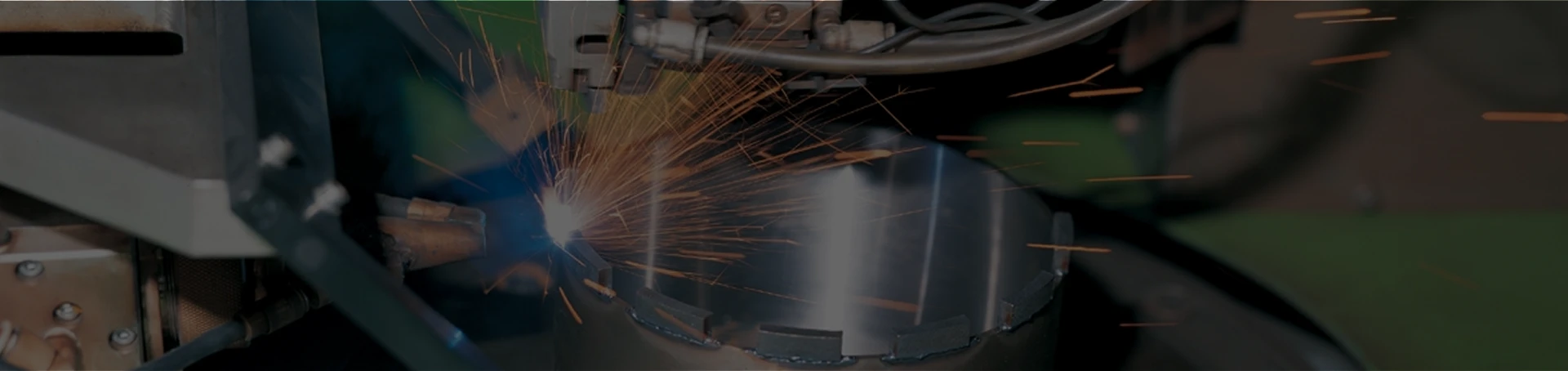
Ultimate Guide to Porcelain Slab Cutter Blades: Precision, Durability & Global Use
Understanding the Porcelain Slab Cutter Blade: Why It Matters Worldwide
If you’ve ever admired the sleek, flawless finish of large porcelain tiles or slabs—those modern marvels that grace luxury kitchens, hotel lobbies, and upscale galleries—you can thank the humble porcelain slab cutter blade. It’s one of those specialized tools that quietly powers the architectural and design industries behind the scenes. But its significance goes beyond aesthetics. Globally, this precision cutting technology is central to maximizing material efficiency, minimizing waste, and even enabling faster construction timelines.
In a world increasingly conscious about sustainability and cost optimization, understanding the porcelain slab cutter blade becomes essential—for contractors, manufacturers, and even building planners. It’s about precision, durability, and ultimately, pushing architectural creativity without compromising practicality.
Why Does the Porcelain Slab Cutter Blade Have Global Industrial Relevance?
Porcelain slabs have seen a surge in global demand, owing to their durability and aesthetic versatility. The global tile market alone surpassed $60 billion in 2023 (Source: Statista), with porcelain slabs representing a growing share of high-end materials.
Cutting such large, yet brittle, slabs is no small feat. Conventional cutting methods often lead to chipping, excessive dust, or wasted materials. The porcelain slab cutter blade specifically addresses these challenges by enabling clean, precise cuts on slabs that can measure up to 3 meters wide.
In fact, the International Organization for Standardization (ISO) has published guidelines pertaining to tile cutting tools that emphasize safety and efficiency. This is crucial because improper cutting not only drives up costs but delays projects and can even introduce safety hazards on site.
Addressing these cutting challenges isn’t just about construction—it influences global logistics, supply chains, and even environmental waste reduction goals in urban development projects. When materials are cut right the first time, well, it all just works better.
So, What Exactly Is a Porcelain Slab Cutter Blade?
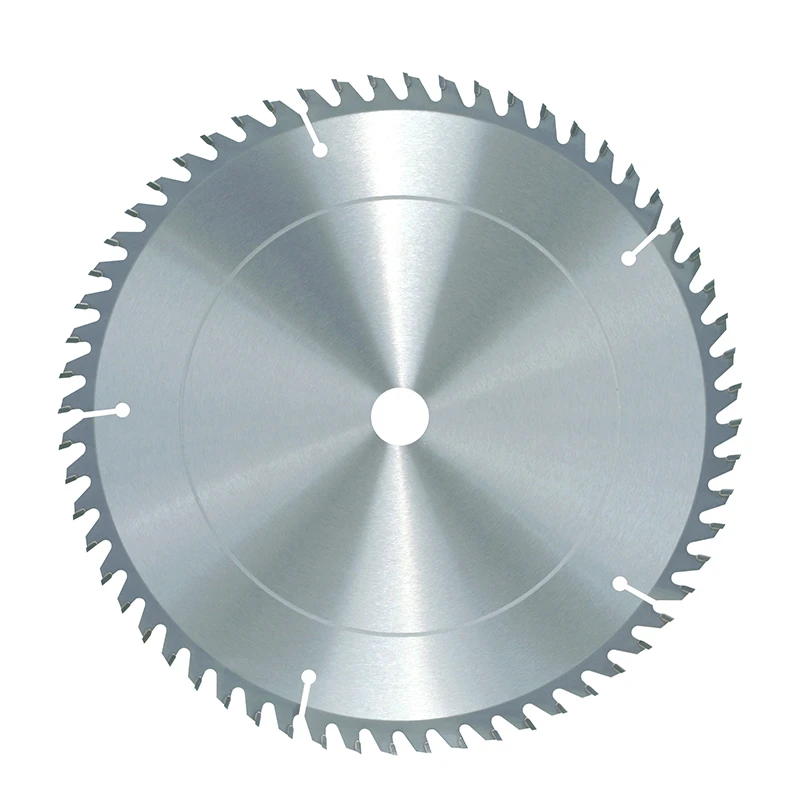
Simply put, porcelain slab cutter blades are specialized circular cutting blades designed to slice through large-format porcelain slabs without cracking or chipping. They are diamond-tipped or coated with industrial-grade abrasives tailored to ceramic and porcelain's unique properties.
More technically, these blades combine hardness and micro-grit abrasive profiles to overcome the inherent brittleness of porcelain. Their design is a fine balance—too coarse and they damage slabs; too fine and they dull quickly, increasing downtime and costs.
These blades have become essential in industries ranging from luxury tile manufacturing to modular housing, and even in artistic installations requiring intricate tile designs.
Core Components Defining an Efficient Cutter Blade
Durability
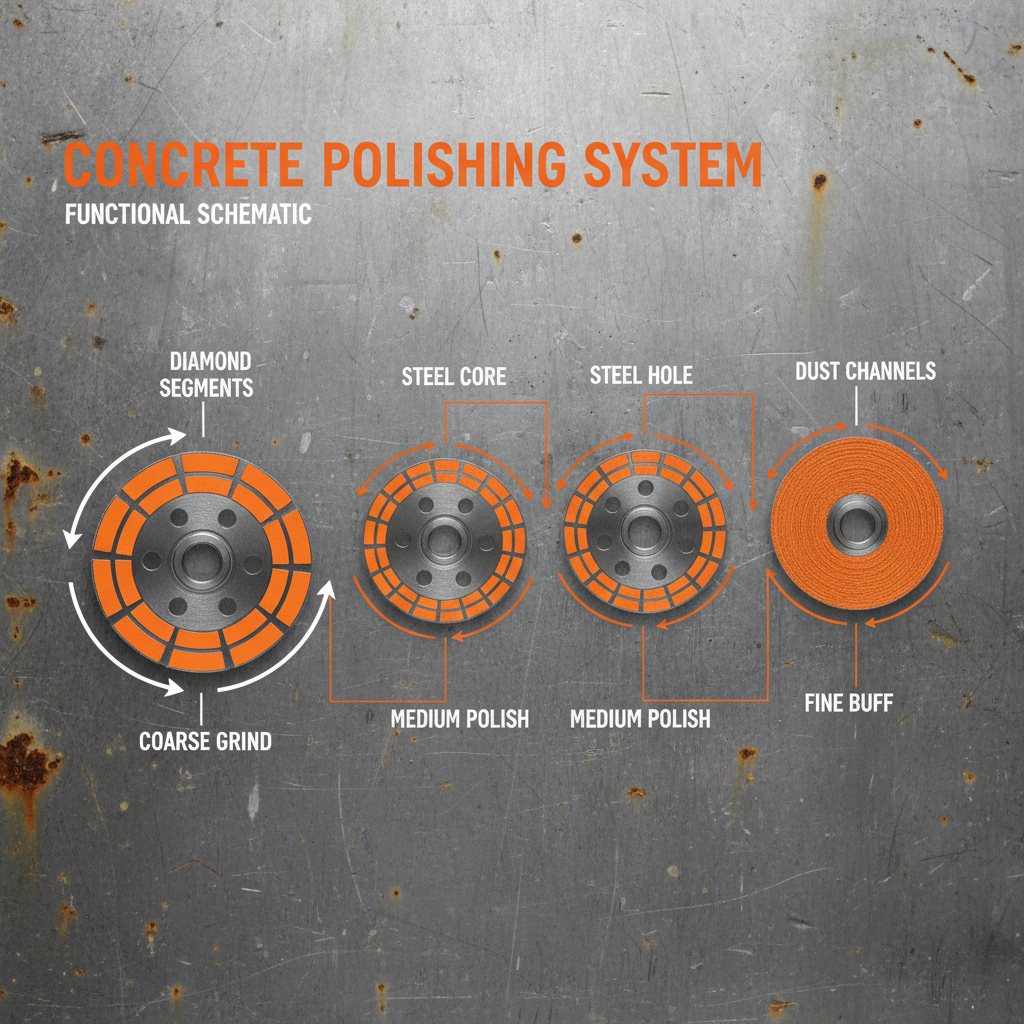
Durability governs operational efficiency. High-quality porcelain slab cutter blades incorporate diamond segments brazed or laser-welded onto steel cores that resist warping. For example, sintered diamond blades last up to 30% longer in tough conditions, according to blade manufacturers.
Cutting Precision
The blade’s grit size and bond hardness dictate the surface quality after cutting. A finely tuned medium bond ensures that edges remain chip-free without sacrificing speed—essential for large slabs where perfect panel integrity is a must.
Compatibility & Scalability
Compatibility with various cutting machines—from automatic CNC saws to handheld tile cutters—is key. Scalability comes in when managing production lines of different sizes, especially where rapid switchovers between blade types are needed.
Cost-Efficiency
While premium blades cost more upfront, they reduce waste and minimize the need for blade swaps. Many industry insiders note the “true cost” of cutting includes downtime, scrap rates, and labor costs, not just blade price.
| Specification | Value / Range | Comment |
|---|---|---|
| Blade Diameter | 300mm - 600mm | Varies by cutting machine type |
| Segment Type | Sintered / Brazed / Laser Welded | Laser welded best for durability under vibration |
| Bond Hardness | Medium to Hard | Depends on slab thickness and hardness |
| Max Cutting Speed | 30-40 m/s | Slower speeds prevent chipping |
| Typical Lifespan | 50-80 slabs per blade | Varies with material hardness & usage |
Mini takeaway: When selecting a porcelain slab cutter blade, consider diameter, segment bond, and compatibility carefully. These factors directly affect cut quality and operational costs.
Where and How Are Porcelain Slab Cutter Blades Used Globally?
From sprawling industrial factories in Italy and Spain—longtime leaders in tile manufacturing—to fast-growing亚洲 markets like China and India, porcelain slab cutter blades have transformed workflows. In post-disaster reconstruction scenarios, clean cuts mean quicker fabrication of modular walls and floors, significantly cutting down downtime.
Oddly enough, even art installations that require irregular shapes rely on these blades for fine trimming without shattering delicate edges. Meanwhile, luxury interior design firms in North America push the boundaries of large slabs, some as hefty as 320cm x 160cm, where only the most precise cutting tools suffice.
Emerging regions with infrastructure booms—think Southeast Asia and parts of Africa—also benefit from the durability and efficiency these blades enable, often reducing reliance on imported pre-cut slabs.
Advantages and Long-Term Benefits of Using High-Quality Porcelain Slab Cutter Blades
- Cost Savings: Less material waste, reduced blade changes, and fewer labor hours add up across projects.
- Sustainability: Efficient cutting means less discard in landfills, helping companies meet eco-friendly sourcing goals.
- Safety & Reliability: Proper blades reduce breakage risk that could endanger workers.
- Aesthetic Excellence: Sharp, chip-free edges translate to premium finishes that elevate end products.
- Innovation: The evolving blade technology opens doors to novel applications — think curved slab cutting or integrated automated lines.
Emerging Trends & Innovations in Porcelain Slab Cutter Blades
The industry is moving towards greener production methods, including the use of recycled diamonds and lower energy manufacturing processes. Digital transformation has also led to CNC machines that integrate with blade wear sensors, alerting operators before quality dips.
Automation combined with AI-driven cutting patterns optimizes both speed and precision — reducing human error and material loss.
There are even developments in hybrid blades that combine diamond segments with ultra-fine abrasive coatings for ultra-smooth finishes in a single pass.
Challenges & Solutions You Should Know
Of course, no technology is without its quirks. Porcelain slab cutting often struggles with heat buildup, which can warp blades or cause edge fissures. Many engineers recommend using continuous water cooling and choosing blades with appropriate bond hardness to dissipate heat.
Another challenge: blade wear variability caused by heterogeneous porcelain compositions. Some slabs have micro-defects that quickly dull certain blade types. Here, data-driven blade monitoring systems can predict lifespan and optimize replacement schedules.
| Vendor | Blade Material | Average Lifespan | Cost Range | Additional Features |
|---|---|---|---|---|
| DiamondTech Pro | High-grade synthetic diamond | 80 slabs | $$$ | Laser welded, cooling grooves |
| CeramiCut Series | Sintered diamond segments | 65 slabs | $$ | Medium bond, cost-effective |
| EdgeMaster Ultra | Hybrid diamond-coating | 70 slabs | $$$+ | AI wear detection compatible |
Frequently Asked Questions About Porcelain Slab Cutter Blades
Q1: How do I know which blade size fits my porcelain slab cutter?
Blade size must match your cutter’s specifications—typically diameters range between 300mm to 600mm. Always refer to your machine’s manual for maximum RPM and blade compatibility, as using the wrong size risks damage or poor cutting quality.
Q2: Can I use a regular tile blade for porcelain slab cutting?
Not really. Porcelain slabs are thicker and less forgiving than standard tiles. Regular blades tend to chip edges or wear down quickly. Specialized porcelain slab cutter blades employ diamond segments and optimized bonds to handle the material’s hardness.
Q3: How often should I replace my porcelain slab cutter blade?
Lifespan depends on slab thickness, bond type, and cutting speed but roughly after cutting 50-80 slabs on average. Regular inspection for chips or decreased cutting performance is recommended to avoid expensive slab damage.
Q4: Are these blades environmentally friendly?
Many manufacturers now produce blades with recycled diamonds and eco-conscious bonding materials. Efficient cutting also reduces waste, contributing positively to sustainability efforts in construction.
Q5: Can I buy porcelain slab cutter blades internationally?
Yes, many suppliers ship globally. However, ensure compatibility with your cutter model and check import regulations for industrial tools in your country. Consulting with vendors like those at mydiamondblade.com can help navigate these details.
Final Thoughts: Why Your Next Project Needs the Right Porcelain Slab Cutter Blade
In real terms, investing in the correct porcelain slab cutter blade can transform your workflow, improve your finishes, cut waste, and boost safety on-site. Emerging trends only enhance these benefits—with smarter monitoring, improved materials, and greener practices paving the way.
Choosing blades isn’t just a technical decision; it’s one that echoes through your project’s timeline, budget, and reputation. So, next time you plan a porcelain slab install, consider the blade—not just as a tool, but as a partner in precision.
Explore more about the latest porcelain slab cutter blade technologies and options at mydiamondblade.com. Your slabs will thank you.
References:
Related Products
Related Products





Address
No.30 Gaoying Road ,Chang'an District,Shijiazhuang,Hebei Province
Business Hours
Mon to Saturday : 8.00 am - 7.00 pm
Sunday & Holidays : Closed
.png )