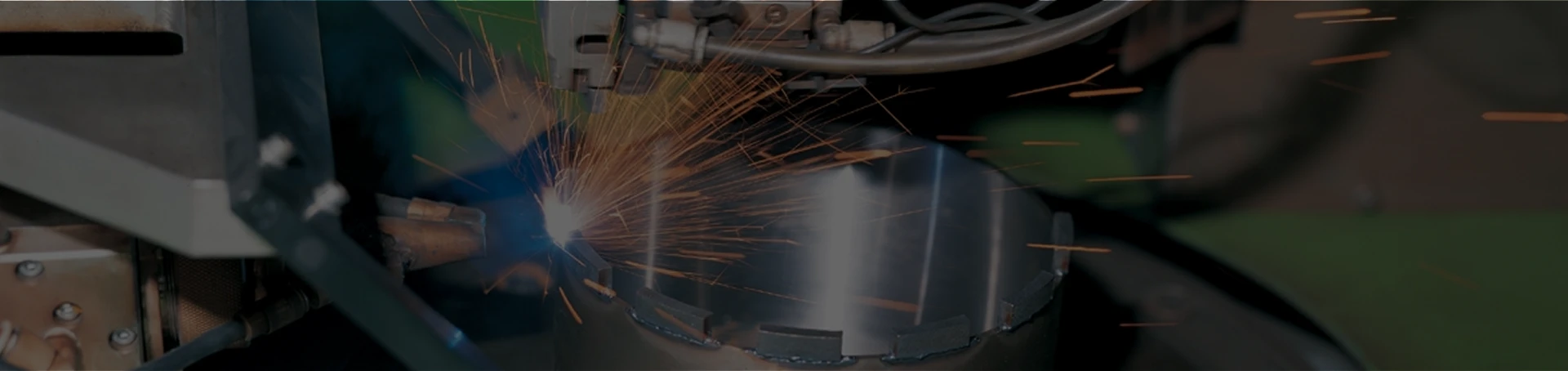
Porcelain Slab Blade: Precision Cutting Tools for Modern Porcelain Slabs
Understanding the Porcelain Slab Blade: What and Why It Matters
If you’ve ever handled large-format porcelain tiles or slabs, you might have scratched your head over the right tool to cut them cleanly and efficiently. Enter the porcelain slab blade, a specialized cutting solution designed to tackle the unique challenges posed by these dense, hard, and often brittle materials. Globally, as porcelain slabs have become a go-to choice for kitchen countertops, cladding, and high-end flooring, the demand for blades that can handle their toughness while minimizing waste and breakage has skyrocketed.
This matters beyond just the construction trade. With rising urban populations and increased emphasis on durable, sustainable building materials, having the right blade means better resource use, less throwaway, and more reliable results. After all, a clean cut saves time, money, and frustration — at scale, this adds up.
Mini takeaway: Porcelain slab blades aren’t just a niche tool; they’re essential to efficient, sustainable modern building practices.
The Global Context: Why Porcelain Slab Blades Are Breaking New Ground
Porcelain production is a multibillion-dollar global industry, with countries like Italy, Spain, and China leading in manufacturing. According to the Ceramic World Review, the global porcelain tile market is expected to grow at a compound annual growth rate (CAGR) of over 6% through 2026. This growth is partly driven by an international push for resilient, stylish, and low-maintenance materials in both residential and commercial spaces.
However, cutting these slabs — often measuring up to 3 meters long and several centimeters thick — is no trivial challenge. Traditional diamond blades, mostly designed for stone or smaller tiles, fail to maintain precision and often cause chipping or cracking. This is a headache particularly for contractors working in sprawling urban centers or remote industrial zones where replacement slabs aren't easily sourced.
In real terms, this challenge invites innovation in blade technology — thus the increasingly specialized porcelain slab blade came about.
Mini takeaway: Growing porcelain slab use globally pushes demand for blades tailored to their size, hardness, and fragility.
What Exactly Is a Porcelain Slab Blade?
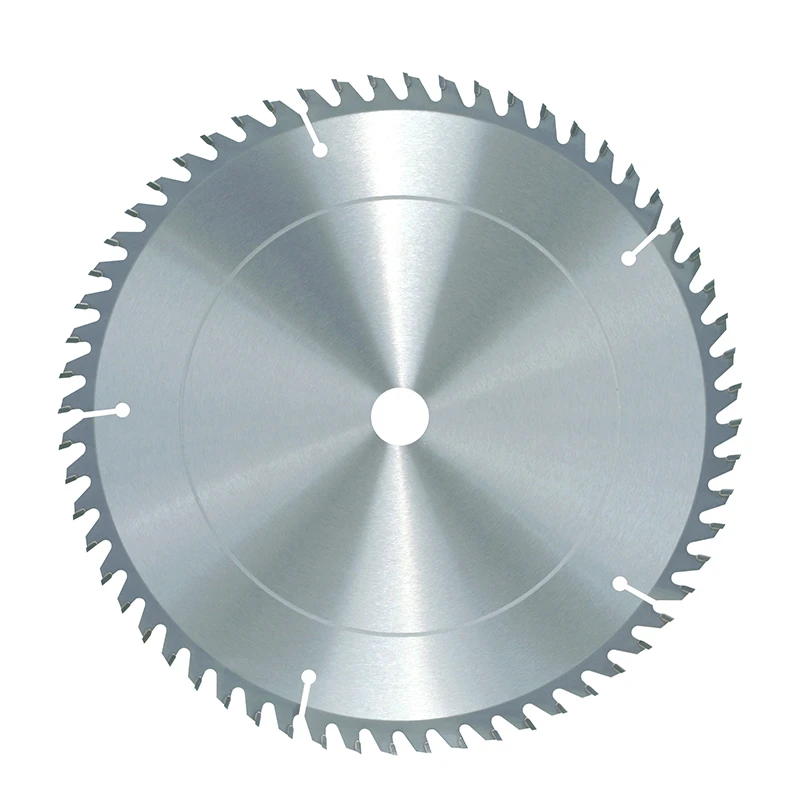
Simply put, a porcelain slab blade is a type of cutting disc armed with diamond grit, optimized to slice through large, thick porcelain slabs without causing microfractures or surface damage. Unlike conventional blades, these blades combine materials science with manufacturing precision. The diamonds are often bonded via advanced resin or metal bonding systems, and the blade's design accommodates the slow, high-torque cutting speeds porcelain demands.
Why is this linked to modern industry? Because porcelain slabs embody a shift towards ultra-large surface materials, helping architects push minimalist designs and engineers deliver durable construction with less physical jointing. In humanitarian terms, precise blades reduce waste — critical where materials might be scarce or costly.
Mini takeaway: The porcelain slab blade is the tool bridging modern design ambitions with practical, on-site realities.
Key Features of Porcelain Slab Blades
1. Durability and Resistance
Porcelain is among the hardest ceramics out there. These blades must withstand intense abrasion over extended cutting without dulling. Many manufacturers achieve this by using synthetic diamond grit of specific sizes and purity—larger grit vertices can slice faster but risk rougher edges.
2. Blade Bonding and Segment Design
The blade's segments are carefully engineered. Metal-bonded segments last longer but run the risk of overheating slab edges, while resin bonds offer cleaner cuts at slower speeds. Segmentation also enhances cooling and dust removal.
3. Cutting Speed Optimization
Slower, steady cutting speeds minimize cracking risks. Porcelain slab blades feature a balance — high enough to be efficient but low enough to protect slab integrity.
4. Compatibility with Tools
These blades need to work with saws designed for large slabs — bridge saws, wet saws, and sometimes CNC machines. Compatibility affects vibration management and operator safety.
5. Cost Efficiency
Though porcelain slab blades typically cost more upfront than standard blades, their longevity and cut quality typically reduce overall project cost by minimizing slab breakage and labor.
6. Environmental Considerations
Innovations in manufacturing aim to reduce energy consumption during blade production and improve recyclability, helping reduce the footprint of porcelain slab installation projects overall.
Mini takeaway: Porcelain slab blades juggle hardness, cooling, cut quality, and tool compatibility — all wrapped in a resilient, cost-effective package.
Real-World Uses: Where Porcelain Slab Blades Shine
You might picture a gleaming urban kitchen countertop — but porcelain slab blades have much broader applications, from massive commercial facades to restoration of prized architectural monuments.
- Urban Construction & Renovation: Especially popular in Europe and Asia, where porcelain slabs enhance building facades for weather resistance and style.
- Industrial Zones & Remote Sites: In mining communities or energy project sites, slabs offer durable, low-maintenance surfaces — blades here reduce costly downtime from slab damage.
- Disaster Relief and Infrastructure Repair: Quickly replacing structural floors or protective cladding can be accelerated with specialized blades that reduce waste and need for repeat deliveries.
- Customized Design Studios: Thin-cut slabs are gaining traction for bespoke furniture or artistic installations — precision cutting is non-negotiable to maintain aesthetic integrity.
Mini takeaway: Porcelain slab blades find their calling wherever porcelain slabs meet the real world — from skyscrapers to artistic ateliers.
Advantages of Porcelain Slab Blades in the Long Run
Aside from their obvious technical edge, these blades bring practical and emotional benefits:
- Sustainability: Less waste means fewer slabs in landfills, aligning with growing circular economy goals.
- Safety and Quality: Cleaner cuts reduce jagged edges, which makes installation safer for workers and homeowners.
- Cost Savings: Minimizing breakage and re-cutting reduces material costs and project timelines — a win-win.
- Trust & Reliability: Contractors like to bank on the blade that won't let them down halfway through a job.
Mini takeaway: The porcelain slab blade’s benefits ripple beyond cutting — into social, economic, and environmental realms.
Looking Ahead: Trends and Innovations
The porcelain slab blade market isn’t standing still. Some promising developments include:
- Green Manufacturing Processes: More eco-friendly bonding methods reducing chemical waste.
- Diamond Nano-Engineering: Precisely engineered diamond grit shapes improve cut smoothness and blade life.
- Automation and CNC Integration: Smart saws with sensors to adjust blade speed dynamically, optimizing each cut for slab thickness and composition.
- Hybrid Materials: Composite blades combining metal and resin bonds for best of both worlds.
Mini takeaway: Today’s porcelain slab blades are prototypes for tomorrow’s smart, sustainable tools in construction.
Challenges and How Industry Leaders Solve Them
Despite best efforts, cutting porcelain slabs isn’t foolproof:
- Overheating: High friction can crack slabs — wet cutting is common but requires water management.
- Blade Wear: Diamond depletion reduces performance, demanding frequent replacements.
- Compatibility Issues: Not all slabs or saws interact well with generic blades — customization is key.
Experts counter these by:
- Developing cooling segment designs and water channels.
- Training operators on proper feed rates and speeds.
- Collaborating between blade manufacturers and porcelain producers to ensure material-blade synergy.
Mini takeaway: Challenges breed innovation — the porcelain slab blade keeps evolving thanks to field-tested solutions.
Product Specification Table: Popular Porcelain Slab Blades
| Blade Model | Diameter (mm) | Segment Type | Max RPM | Bonding | Ideal For |
|---|---|---|---|---|---|
| DiamondPro XL | 350 | Segmented | 4800 | Metal bond | Large porcelain slabs, wet cutting |
| CeramicCut Pro | 300 | Continuous rim | 5800 | Resin bond | Smooth cuts, fine porcelain slabs |
| UltraDiamond Slab | 400 | Turbo segmented | 4600 | Hybrid bond | Thick slabs, high-speed cutting |
Vendor Comparison Table: Leading Porcelain Slab Blade Manufacturers
| Vendor | Product Range | Price Range | R&D Investment | Global Reach |
|---|---|---|---|---|
| BladeCraft Inc. | Standard & Custom Blades | $$ | High (focus on eco-bonds) | Europe, Asia, North America |
| Diamond Edge Tools | Premium Slab Blades | $$$ | Very High (nano diamond tech) | Global |
| Porcelain Cut Pro | Focused on slab cutting | $ - $$ | Moderate | North America, Australia |
Frequently Asked Questions About Porcelain Slab Blades
Q: What makes a porcelain slab blade different from a regular tile or stone blade?
A: Porcelain slab blades feature specialized diamond grit bonds and segment designs tailored for large-format, dense slabs. They prioritize slow cutting speeds and cooling to avoid cracks or chips, unlike standard blades which may cause damage when faced with such thick, brittle materials.
Q: How long does a high-quality porcelain slab blade typically last?
A: Lifespan depends on usage, but many high-end blades cut several hundred linear meters before needing replacement. Proper wet cutting and following manufacturer speed recommendations significantly extend blade life.
Q: Are porcelain slab blades compatible with popular saws or do they require special machines?
A: Most blades fit standard wet cutting saws and bridge saws, but it’s essential to check diamond blade diameter and arbor size compatibility. For complex projects, CNC saws with adaptive controllers may be used for optimal performance.
Q: Is wet cutting always necessary with porcelain slab blades?
A: Wet cutting is strongly recommended to prevent overheating, slab damage, and dust generation. Some resin-bonded blades additionally require constant water flow to maintain bond integrity and achieve smooth finishes.
Q: Can porcelain slab blades be reused for other materials like granite or marble?
A: While possible, it’s not ideal. Using porcelain blades on harder stones like granite can prematurely dull the diamond grit, and vice versa. For best results and longevity, use blades designed specifically for the material.
Conclusion: The Unsung Hero in Modern Porcelain Work
At first glance, a porcelain slab blade might seem like a simple tool among many. But dig a little deeper, and it’s clear these blades underpin a lot of modern architectural elegance and practical engineering. Their ability to tame porcelain slabs — turning oversized, unwieldy tiles into sleek, fitted surfaces — delivers value not just in cost or speed, but in sustainability and design freedom.
So whether you’re a contractor wrestling with afternoon slab cuts or an architect dreaming big, it’s worth appreciating the tech at your blade’s edge. Curious to see more? Visit our website and explore our collection designed to cut right through the future of building.
References & Inspiration
Related Products
Related Products




Address
No.30 Gaoying Road ,Chang'an District,Shijiazhuang,Hebei Province
Business Hours
Mon to Saturday : 8.00 am - 7.00 pm
Sunday & Holidays : Closed
.png )