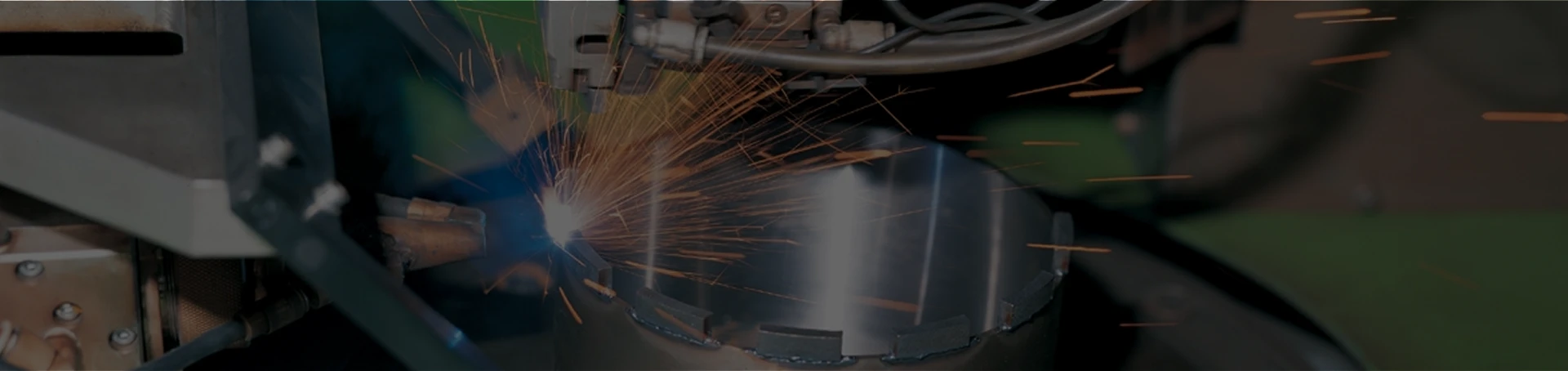
Porcelain Paving Cutting Disc – Precision Tools for Cutting Porcelain Tiles
Porcelain Paving Cutting Disc: Precision Meets Performance in Tile Cutting
When it comes to working with porcelain paving tiles — those durable, elegant slabs used to transform sidewalks, patios, and commercial spaces — the cutting tool you pick can make or break the job. Enter the porcelain paving cutting disc, a specialized blade that’s designed to slice through tough materials with finesse. But beyond just being a sharp edge, this tool is actually at the heart of a subtle but crucial industrial craft that has implications for construction quality, long-lasting infrastructure, and operational efficiencies worldwide.
Understanding what a porcelain paving cutting disc is, and why it’s essential, is about more than just hardware — it’s about ensuring that urban spaces stay safe and beautiful, workers are safe and efficient, and projects meet high standards. This article dives into the tool’s role globally, its core features, real-world applications, and what the future might hold. So, whether you’re a contractor, engineer, or just curious about construction tech, stick around. There’s quite a bit to unpack.
Why the Porcelain Paving Cutting Disc Matters on a Global Scale
According to the UN's Habitat reports, global urbanization is accelerating — by 2050, nearly 70% of the world’s population will live in cities. This rapid growth means more paved spaces, more renovation projects, and consequently, greater demand for precise, efficient cutting solutions for paving materials. Porcelain tiles are favored for their durability, low maintenance, and aesthetic appeal, but they’re notoriously difficult to cut cleanly due to hardness and brittleness.
That’s where porcelain paving cutting discs step in. They meet this market's tough demands, cutting down waste, speeding up timelines, and reducing physical strain on workers. The World Bank’s infrastructure development reports often highlight the need for high-performance tools to maintain cost efficiencies in construction — tools like these discs play a silent but pivotal role in that ecosystem.
So, What Exactly is a Porcelain Paving Cutting Disc?
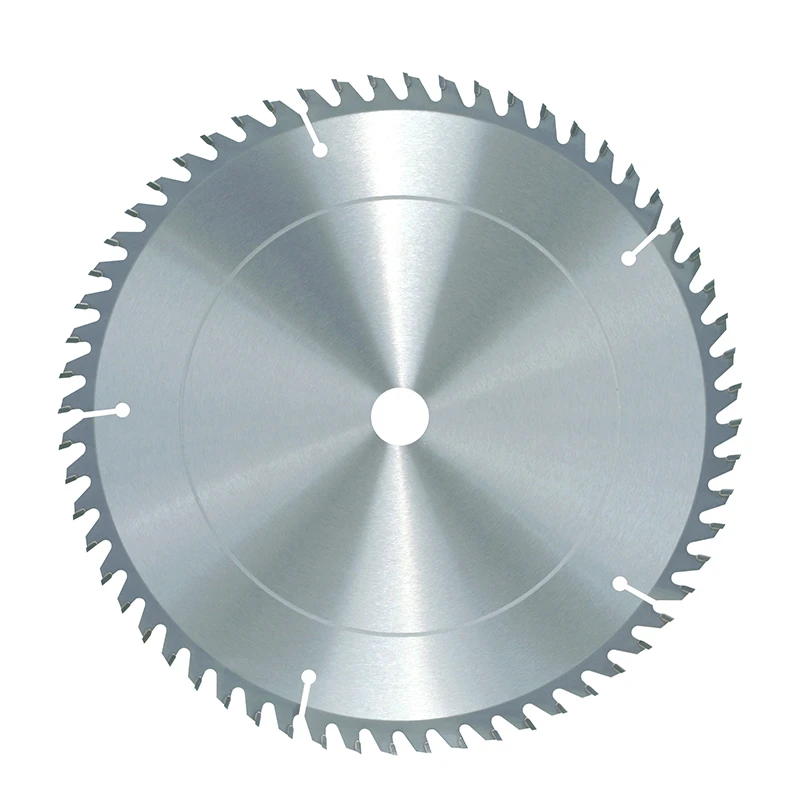
In simple terms, a porcelain paving cutting disc is a circular saw blade designed specifically to cut porcelain and ceramic tiles used in paving applications. Unlike standard metal-cutting discs or generic tile blades, these discs typically feature diamond-tipped edges or a specific abrasive compound designed for hard, brittle materials.
They connect directly to angle grinders or tile saws, enabling workers to execute precise cuts without chipping or cracking the tiles. This isn’t just a matter of convenience; it links directly to meeting building codes, maintaining tile integrity, and overall project durability, making porcelain cutting tools a quiet hero in modern construction and humanitarian rebuild efforts worldwide.
Key Factors That Define a Porcelain Paving Cutting Disc’s Performance
1. Durability and Edge Retention
You know those discs that dull after a few cuts, forcing you to replace them mid-job? Not with a well-made porcelain paving cutting disc. These are engineered with diamond grit that stays sharp far longer, ensuring the blade cuts deeper and cleaner for longer periods. This is a massive time-saver and cost reducer in long projects.
2. Precision and Chip-Free Cutting
Porcelain is brittle; a wrong cut can cause cracking or chipping, which equals costly waste. The discs have a thin, segmented rim or continuous rim designed to reduce vibrations and distribute heat, helping maintain clean, flawless edges.
3. Compatibility and Versatility
Modern discs fit widely used angle grinders and wet tile saws. Some even come with adaptability features, ensuring they can be used across multiple tools on-site, which avoids tool clutter.
4. Heat Dissipation and Cooling Features
Cutting porcelain generates heat — a silent enemy that weakens cutting teeth and the tile itself. Some discs incorporate cooling grooves or rely on wet cutting methods to minimize overheating, preserving both the disc and the tile.
5. Safety Considerations
Durable discs mean fewer replacements and less chance of blade shatter. Using a porcelain-specific disc reduces kickback risk, giving workers more confidence and fewer accidents.
Technical Snapshot: Porcelain Paving Cutting Disc Specifications
| Specification | Typical Value / Range |
|---|---|
| Diameter | 115 mm, 125 mm, or 180 mm |
| Material | Steel core with industrial diamond grit edge |
| Segment Type | Continuous rim or segmented rim |
| Use | Dry or wet cutting options |
| Max RPM | Up to 13,300 RPM depending on size |
| Typical Lifespan | Cuts up to 150 sqm (dependent on tile thickness) |
Who’s Leading the Porcelain Cutting Game? A Quick Vendor Comparison
| Vendor | Price per Disc | Material Quality | Special Features | Best For |
|---|---|---|---|---|
| DiamondCut Pro | $35 | High-grade diamond grit | Ultra-thin rim & coolant grooves | Precision commercial work |
| TileMaster Ultra | $28 | Medium-grade diamond, moderate lifespan | Good for dry cutting | DIY & light professional use |
| ProBlade Eco | $40 | Eco-friendly cobalt steel + diamond | Wet cutting optimized, longer lifespan | Sustainable projects, high volume |
Global Applications & Use Cases
From bustling city sidewalks in Europe to climate-hardy patios in Australia, porcelain paving cutting discs find themselves in the hands of craftsmen, developers, and industrial teams worldwide. In places like Singapore, where space is limited, precision cutting ensures minimal wastage — a prime concern where optimizing material costs is vital.
Humanitarian organizations reconstructing disaster-hit zones also value these discs for the speed and accuracy they afford when installing quick-to-build paved pathways or safe community hubs. Oddly enough, even interior design trends in North America lean on porcelain paving for indoor-outdoor transitional spaces, which ups the demand for these precise tools.
For more detailed product insights, you might want to check out porcelain paving cutting disc listings and expert tips.
Advantages & Long-Term Value
- Cost Savings: Reduces material wastage by up to 30% compared to blunt or wrong blades.
- Durability: Longer blade life means lower replace frequency and less downtime.
- Safety: Lower vibration and chip-free cuts reduce on-site accidents and worker fatigue.
- Sustainability: Some manufacturers focus on eco-friendly materials and optimizations for wet cutting, minimizing dust and health hazards.
Honestly, when you think about future urban development, the small efficiency improvements offered by a porcelain paving cutting disc stack up to big economic and environmental wins.
Emerging Trends & Innovations
Technology in this niche keeps evolving, largely driven by sustainability requirements and automation integration. New diamond composites promise even longer lifespan with less heat generation. Plus, the rise of robotic cutting platforms in large-scale tiling means discs now need to be compatible with automated tools, supplying ultra-precise, programmable cuts.
Wet cutting systems integrated with smart sensors monitor temperature and blade wear, allowing predictive maintenance — a genuinely game-changing innovation for big projects where unexpected downtime is a costly nightmare.
Challenges & What’s Being Done
Porcelain’s hardness still poses issues — even the best discs eventually chip or wear unevenly. Plus, environmental concerns arise with dust from dry cutting, which can be a health hazard. Industry experts encourage wet cutting where possible and are now developing dust collection tech integrated directly into cutting tools.
Another challenge is cost: premium blades can seem pricey to small-scale contractors, though the long-term savings usually justify the investment. Financing and rental models for high-end cutting discs are popping up to bridge that gap.
FAQ: Your Burning Questions About Porcelain Paving Cutting Discs
- What makes a porcelain paving cutting disc different from a regular tile blade?
- Porcelain paving discs have specifically formulated diamond edges and rim geometry tailored for extremely hard, brittle porcelain tiles. This reduces chipping and extends blade life compared to generic tile blades.
- Can I use a wet or dry cutting porcelain paving disc for both indoor and outdoor projects?
- Yes, but wet cutting is generally preferable for indoor use to minimize dust, improve cut quality, and extend blade life. Dry cutting is more convenient outdoors where water isn’t practical.
- How often should I replace my porcelain paving cutting disc?
- Replace the blade once you notice decreased cutting speed, increased chipping, or vibration — roughly after 150-200 square meters of cut area, depending on tile thickness and blade quality.
- Are eco-friendly porcelain paving discs really more sustainable?
- Eco-friendly variants typically use less toxic materials and support wet cutting that reduces harmful dust, thus benefiting worker health and reducing environmental impact.
In Summary: Why Choose the Right Porcelain Paving Cutting Disc?
In the grand scheme, the porcelain paving cutting disc might seem like a small piece of the construction puzzle — but it’s one with outsized influence. From enhancing aesthetic finishes to improving safety and cutting costs, these blades quietly empower global infrastructure projects. If you want to stay ahead, it’s worth investing in quality discs suited to your specific needs.
To explore a wide range of premium porcelain paving cutting discs and expert advice, visit our dedicated page. You might just find the perfect disc for your next project.
Mini takeaways:
- The porcelain paving cutting disc is essential for safe, precise cutting of hard porcelain tiles.
- Its design focuses on durability, heat dissipation, and chip-free cuts.
- Used worldwide in urban development, commercial, and humanitarian projects.
- Upcoming tech promises longer life, better integration with automation, and sustainability-focused materials.
References
Related Products
Related Products




Address
No.30 Gaoying Road ,Chang'an District,Shijiazhuang,Hebei Province
Business Hours
Mon to Saturday : 8.00 am - 7.00 pm
Sunday & Holidays : Closed
.png )