Porcelain Cutting Blade: Precision Tools for Modern Construction & Ceramics
What Is a Porcelain Cutting Blade and Why It Matters Worldwide
Porcelain cutting blades may sound niche, but their impact stretches far beyond the workshop. These specialized tools are crucial in industries ranging from construction to ceramics manufacturing, enabling precise cuts on one of the hardest and most brittle materials in everyday use — porcelain. Understanding the ins and outs of porcelain cutting blades is not just a matter of product specs; it’s tied to global challenges like construction efficiency, waste reduction, and even sustainable urban development.
Globally, the demand for quality porcelain tiles and sanitary ware has surged; according to ISO standards, the precision and quality of cuts determine product durability and aesthetics. Plus, in humanitarian infrastructures such as post-disaster rebuilding efforts, the ability to quickly shape porcelains for sanitation can be a lifesaver. So, what exactly makes a porcelain cutting blade so special? Let’s unpack it.
Understanding the Porcelain Cutting Blade: Definition and Context
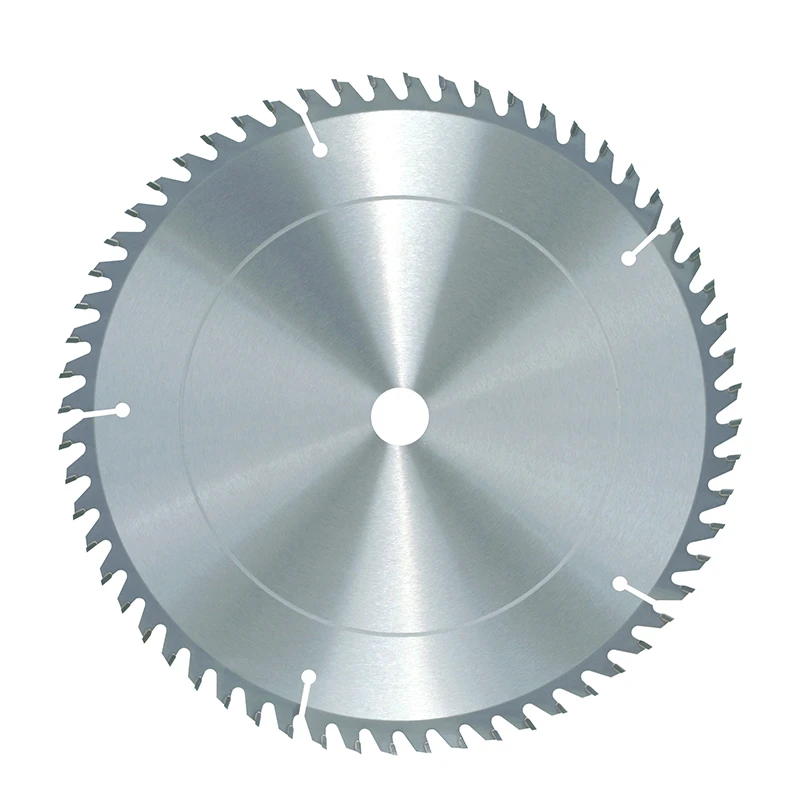
Simply put, a porcelain cutting blade is a diamond-tipped or carbide-reinforced blade crafted to slice through tough, brittle porcelain materials cleanly and efficiently. Unlike standard cutting tools, porcelain blades manage the delicate balance between hardness and brittleness, minimizing cracks and chips during cutting.
In modern industries, porcelain cutting blades are essential for everything from ceramic tile installation to fabricating custom sink fixtures. Moreover, with the ongoing push toward modular and prefabricated construction — especially in densely populated urban centers — the ability to trim porcelain components quickly and with minimal waste is a small but pivotal piece of the larger efficiency puzzle.
Key Factors Defining an Effective Porcelain Cutting Blade
1. Durability and Blade Material
The core of a porcelain cutting blade usually involves high-grade steel embedded with diamond grit. Diamond, being the hardest natural material, ensures the blade can withstand intense friction and heat without dulling quickly. This durability protects project timelines and budgets by reducing blade replacements.
2. Precision and Cutting Quality
No one wants jagged, chipped edges on expensive porcelain tiles — trust me, it’s like a headache waiting to happen on site. A porcelain cutting blade must offer clean, even cuts to preserve not only aesthetics but also the structural integrity of the tile. An uneven cut can imperil everything from aesthetics to the safety of floor installations.
3. Heat Resistance and Cooling Options
Cutting porcelain generates significant heat; excess heat risks cracking the tile and damaging the blade. Many modern porcelain cutters incorporate water cooling systems — either integrated or hose-fed — to dissipate heat and prolong blade life. These systems are vital, especially for long or repetitive cuts.
4. Versatility Across Porcelain Types
Porcelain isn’t just one uniform product. The blade must adapt to various densities, from polished porcelain tiles to thicker sanitary ware like sinks or countertops. Versatile blades are prized for tackling different thicknesses without losing cutting quality.
5. Cost Efficiency
Though premium blades come with higher upfront costs, their longevity and cutting precision often translate into overall savings on labor time and material wastage. Selecting the right porcelain cutting blade is, therefore, an investment decision as much as a technical one.
Real-World Applications: Where Porcelain Cutting Blades Make a Difference
Think about the ceramic tile industry in Asia, which produces nearly 60% of the world's porcelain tiles according to World Bank data. High-quality porcelain blades help achieve flawless tiles shipped all over the globe. In Europe and North America, delicate sanitary ware requires expert trimming to meet sophisticated design standards.
In post-disaster relief scenarios, for instance, rapid installation of porcelain-based water and sanitation facilities depends on quick, precise cutting tools. Remote industrial zones where infrastructure upgrades are underway similarly lean on blades that can handle diverse porcelain materials with minimal downtime.
- Construction companies slicing custom porcelain tiles for luxury apartments
- Sanitary ware manufacturers processing sinks and countertops
- Infrastructure projects installing durable, easy-to-clean bathroom facilities
- Rescue and rebuilding operations making quick sanitary installations
Product Specifications: Sample Porcelain Cutting Blade
| Specification | Details |
|---|---|
| Blade Diameter | 125 mm (5 inches) |
| Segment Type | Continuous rim with diamond grit |
| Maximum RPM | 12,200 RPM |
| Cooling Method | Wet cutting with water feed |
| Application | Porcelain tiles, sanitary fixtures |
Comparing Top Vendors: Which Porcelain Cutting Blade Fits Your Needs?
| Vendor | Blade Type | Price Range | Warranty | Special Features |
|---|---|---|---|---|
| DiamondEdge Co. | Continuous rim diamond blade | $40-$60 | 1 year | Optimized chip resistance |
| CeramCut Solutions | Segmented diamond blade | $35-$55 | 6 months | Enhanced cooling channels |
| ProBlade Tech | Hybrid continuous-segment blade | $50-$70 | 2 years | Low heat generation design |
Advantages & Long-Term Value of Using Porcelain Cutting Blades
It’s tempting to just grab any blade and start cutting, but the quality of the porcelain cutting blade brings advantages that cut deeper than surface cost savings. A good blade saves time by producing clean cuts rapidly — no need to redo cracked tiles. That translates to lower labor costs and less material waste, benefits that add up in any project.
Emotional benefits come in, too: workers feel safer when tools behave predictably, and customers appreciate the fine finish that lasts. Plus, reducing waste dovetails nicely with sustainability goals, particularly where construction materials disposal can otherwise pile up.
What Does the Future Look Like for Porcelain Cutting Blades?
There’s some exciting innovation brewing. New diamond composites promise blades that last even longer without losing sharpness. Water conservation in cooling systems is also a hot topic; manufacturers are working on closed-loop water systems to cut down use. Add in smarter, computer-controlled cutting devices synced with blade tech, and you get less human error and more efficiency.
Green energy integration — powering cutting tools with renewable sources — points to a cleaner footprint in factory settings. Oddly enough, even something as manual as cutting porcelain is moving into the high-tech era.
Challenges & Practical Solutions for Porcelain Cutting Blade Usage
Porcelain’s brittleness is a double-edged sword: it looks fantastic but easily chips if mishandled. The biggest hurdle is avoiding micro-fractures during cutting. Variable porcelain thicknesses sometimes throw off blade efficiency as well.
Experts suggest paying close attention to blade speed and water cooling techniques. Some propose ultrasonic vibration-assisted cutting — a fancy way of saying“cutting with tiny tremors” — to reduce stress on the tile. It’s an evolving field with room for improvement but the basics remain king: sharp blade, correct RPM, and steady technique.
Frequently Asked Questions About Porcelain Cutting Blades
- Q: What types of porcelain materials can these blades cut?
- A: Most porcelain cutting blades are designed to handle everything from thin floor tiles to thick sanitary ware like sinks and bathtubs. It’s best to check blade specs for thickness limits and application recommendations.
- Q: Can I use a porcelain cutting blade on ceramic or glass tiles?
- A: Porcelain blades can often cut ceramic tiles efficiently due to similar hardness levels, but glass cutting might need specialized blades to avoid cracking. Always use blades intended for each material to ensure safety and quality.
- Q: How important is using water cooling while cutting porcelain?
- A: Extremely important! Water cooling prevents overheating of both the blade and the tile, reducing the risk of cracks and prolonging blade life. Dry cutting porcelain is generally discouraged unless the blade is specifically rated for it.
- Q: How long does a porcelain cutting blade typically last?
- Blade lifespan varies by usage and quality but can range from dozens to hundreds of cuts. Proper technique and cooling extend blade life significantly.
- Q: Where can I find high-quality porcelain cutting blades?
- My Diamond Blade offers a range of tested porcelain cutting blades suitable for professional and DIY users alike.
Wrapping It Up: Why Porcelain Cutting Blades Are Essential Tools
Porcelain cutting blades, often overlooked, are quietly pivotal in ensuring durable, attractive, and sustainable porcelain installations globally. Their evolving technology means more efficiency, less waste, and better outcomes for industries and communities alike. Whether you’re a contractor, manufacturer, or designer, choosing the right blade is more than a technical detail—it’s a long-term investment in quality and reliability.
Interested in stepping up your porcelain cutting game? Visit My Diamond Blade to explore the latest blade options tailored for your needs.
References
Related Products
Related Products





Address
No.30 Gaoying Road ,Chang'an District,Shijiazhuang,Hebei Province
Business Hours
Mon to Saturday : 8.00 am - 7.00 pm
Sunday & Holidays : Closed
.png )