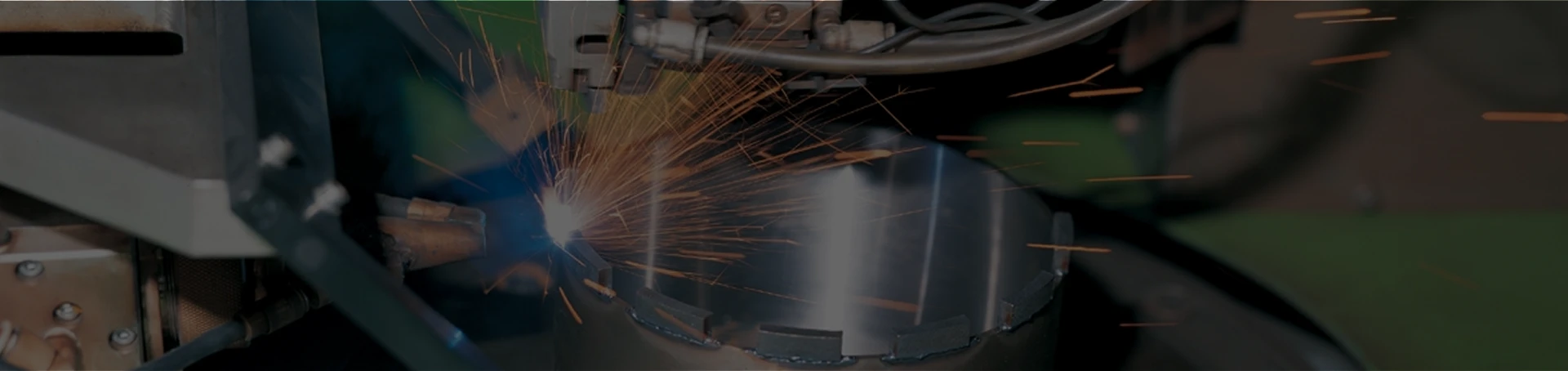
Porcelain Diamond Blade - Ultimate Guide to Precision Cutting & Durability
Porcelain Diamond Blade: Cutting Through Challenges in Modern Industry
In the world of cutting tools, precision and durability define success. The porcelain diamond blade has steadily claimed its place as the go-to choice for professionals working with porcelain and other hard materials. But beyond the obvious sharpness and hardness, these blades play a subtle yet powerful role in construction, manufacturing, and even disaster recovery operations worldwide. Understanding the nuances of porcelain diamond blades isn't just about picking the right tool; it’s about embracing efficiency, sustainability, and innovation on a global stage.
The Global Landscape: Why Porcelain Diamond Blades Matter Today
Reflecting on the global construction and ceramics industries, it's striking how critical cutting technology becomes. The World Bank estimates over 140 billion square meters of tiles are installed globally each year—a number that’s only growing as urbanization accelerates, especially in Asia and Africa. Porcelain tiles, prized for their density and water resistance, require specialized tools for clean and fast cutting.
Oddly enough, the challenge isn’t just cutting porcelain. It’s about doing so efficiently without shattering expensive materials or causing excessive waste. That’s where the porcelain diamond blade comes in, addressing a specific pain point: enabling craftsmen and industries to maintain quality while keeping costs down.
What Exactly Is a Porcelain Diamond Blade?
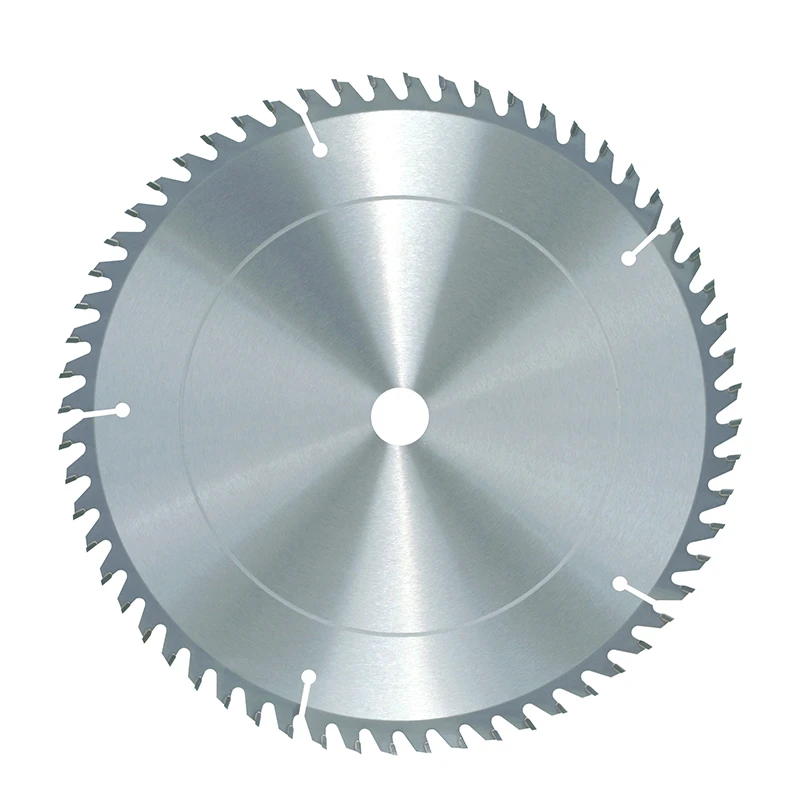
At its core, a porcelain diamond blade is a circular cutting tool embedded with industrial-grade diamond particles designed explicitly for slicing through dense, brittle materials like porcelain, ceramic, and natural stone. Unlike general-purpose blades, these are calibrated for fine, dust-minimizing cuts, reducing both material damage and health risks from excessive airborne particles.
Modern production techniques have refined the blade’s segment design and bonding agents, resulting in longer-lasting tools that conserve resources. They’re a quiet revolution for industries ranging from artisanal tile installers to large-scale infrastructure projects.
Mini Takeaway: Porcelain diamond blades are quiet heroes — tough, precise, and built for today’s demanding materials.
Key Features That Make Porcelain Diamond Blades Stand Out
1. Durability and Wear Resistance
The industrial diamonds embedded in the blade segments provide a cutting edge that can last through thousands of cuts. Many manufacturers now use synthetic diamond grit tailored for optimal hardness and thermal resistance, meaning less frequent blade replacement and less downtime on the job site.
2. Precision and Cut Quality
A porcelain diamond blade isn’t just sharp; it offers razor-thin, smooth cutting lines, reducing chipping or cracking, which is crucial for high-end finishing work like bathroom or kitchen installations. The segment design (continuous rim, turbo, or segmented) can be tailored to different cutting velocities and finishes.
3. Heat Dissipation and Safety
Handling tough materials generates significant heat, which can damage both blade and material. Many blades feature laser-welded segments and cooling channels to minimize heat buildup, preventing warping and improving worker safety.
4. Dust Suppression and Environmental Impact
With increasing attention on occupational health, porcelain diamond blades are evolving to generate less dust, sometimes paired with wet cutting techniques. This helps industries comply with strict workplace safety regulations and reduces ecological footprints.
5. Versatility Across Materials
While optimized for porcelain, many diamond blades are versatile enough for granite, marble, or engineered stone, making them valuable tools for specialty contractors who juggle different materials on site.
Mini Takeaway: Beyond sharpness, it’s the material science and design innovations that really elevate these blades, balancing performance and sustainability.
Where in the World Are Porcelain Diamond Blades Making a Mark?
In real terms, these blades are everywhere: from bustling urban construction sites in Dubai to artisan studios in Italy, from industrial factories in China to post-disaster rebuilding zones in Puerto Rico. They support:
- Construction and Renovation: Precision tile work for residential and commercial buildings.
- Manufacturing: Cutting raw porcelain slabs during production in factories.
- Disaster Recovery: Quick repairs where broken tiles can delay project timelines.
- DIY and Craftsmanship: Small workshops benefit from blades that balance cost and quality.
Regions investing heavily in infrastructure upgrades or eco-friendly building materials especially appreciate porcelain diamond blades for their reliability and minimal waste generation—critical factors when budgets are tight and sustainability is a priority.
Comparing Popular Porcelain Diamond Blades on the Market
| Specification | Blade A | Blade B | Blade C |
|---|---|---|---|
| Diameter | 110mm (4.3") | 125mm (4.9") | 180mm (7") |
| Segment Type | Continuous Rim | Turbo | Segmented |
| Max RPM | 13,300 | 12,200 | 8,300 |
| Cooling Method | Wet | Dry & Wet | Dry |
| Approx. Life (cuts) | 1,200 | 1,400 | 900 |
Advantages and Lasting Value of Porcelain Diamond Blades
There’s a lot to love about porcelain diamond blades beyond the expected durability. For starters, they give workers confidence — knowing cuts will be clean and precise reduces stress and rework. Over time, this precision translates to less material waste and better project margins.
Sustainability-wise, fewer blade replacements mean reduced mining and manufacturing impacts for diamonds — important given the ecological and social questions around natural diamond sourcing. Plus, manufacturers that develop eco-conscious blades with synthetic diamonds are shaping a more ethical market.
What resonates too is the feeling of trust. Many craftsmen I spoke with insisted their favorite diamond blades felt like an extension of their own hands — reliable tools that respect their craft and livelihood.
A Glimpse Into the Future: Innovations on the Horizon
The porcelain diamond blade space isn’t static. Industry insiders point to advances in nanodiamond coatings, hybrid segment designs, and IoT-enabled tools that monitor blade wear in real-time.
Also, as automation spreads across manufacturing and construction, blades must fit into robotic cutting systems, requiring new specs to maintain performance. Green policies push for energy-efficient manufacturing and reduced emissions during production — so watch for blades with smaller carbon footprints.
Challenges & Smart Solutions
Despite their strengths, porcelain diamond blades face challenges like segment detachment under extreme stress or compatibility issues with newer composite tiles. Storage and transport also affect blade longevity, an often overlooked factor.
To tackle this, vendors are innovating improved bonding technologies and offering user education programs—showing proper blade use extends life and improves safety.
Vendor Comparison for Porcelain Diamond Blades
| Feature | Vendor X | Vendor Y | Vendor Z |
|---|---|---|---|
| Price Range (per blade) | $40 - $60 | $35 - $55 | $50 - $70 |
| Customization Options | Yes | Limited | Yes |
| Delivery Time | 3-5 days | 5-7 days | 2-4 days |
| Sustainability Certification | ISO 14001 | None | ISO 9001 & 14001 |
| After-Sales Support | 24/7 Hotline | Business Hours Only | Email & Phone |
FAQs About Porcelain Diamond Blades
Q1: Can porcelain diamond blades be used on other materials like granite or marble?
A1: Yes, many porcelain diamond blades are designed with versatility in mind and perform well on dense natural stones like granite or marble, though for best results it’s recommended to use blades specifically optimized for those materials to maximize blade life and cut quality.
Q2: How long does a typical porcelain diamond blade last on a standard job?
A2: Lifespan varies by usage intensity and material but generally ranges between 900 to 1,400 precise cuts. Proper cooling and usage practices can significantly extend this lifespan.
Q3: Is wet cutting necessary when using porcelain diamond blades?
A3: Wet cutting is preferred because it reduces heat and dust, extending blade life and improving safety. However, some blades are engineered for dry use as well, offering flexibility depending on job site conditions.
Q4: How should I care for and store my diamond blades?
A4: Keep blades dry, avoid dropping or warping, and clean them after use. Store horizontally and protect edges to prevent damage or deformation that impacts cutting efficiency.
Q5: Are there environmentally friendly options available?
A5: Yes, some manufacturers use synthetic diamonds and sustainable bonding agents certified for environmental standards like ISO 14001. Choosing these options supports greener industry practices.
Wrapping Up: Why Porcelain Diamond Blades Are More Than Just Tools
Porcelain diamond blades have quietly reshaped how industries handle some of their toughest, most brittle materials. This blend of material science, manufacturing expertise, and practical innovation delivers tools that don’t just cut—they empower craftsmen, reduce waste, and support sustainable growth worldwide.
Thinking about upgrading your toolkit? Visit https://www.mydiamondblade.com for top-rated porcelain diamond blades designed to keep your projects sharp and your costs low.
References
Related Products
Related Products




Address
No.30 Gaoying Road ,Chang'an District,Shijiazhuang,Hebei Province
Business Hours
Mon to Saturday : 8.00 am - 7.00 pm
Sunday & Holidays : Closed
.png )