The Art and Science of Perfect Surfaces: Exploring Polishing Pads
In the world of surface finishing, achieving flawless results requires the right tools, expertise, and technology. Polishing pads have revolutionized how professionals work with materials like concrete, granite, and marble, offering precision, efficiency, and durability. Whether you're using diamond polishing pads for heavy-duty grinding, granite polishing pads for a mirror-like shine, or choosing between dry polishing pads and wet polishing methods, understanding these tools is essential for superior results.
Understanding Polishing Pad Technology: A Deep Dive
The world of polishing pads is far more complex than many realize, with each type engineered for specific applications and performance characteristics. At their core, all polishing pads serve the same fundamental purpose: to refine and perfect surface finishes through controlled abrasion. However, the materials, bonding methods, and structural designs vary significantly between different pad types.
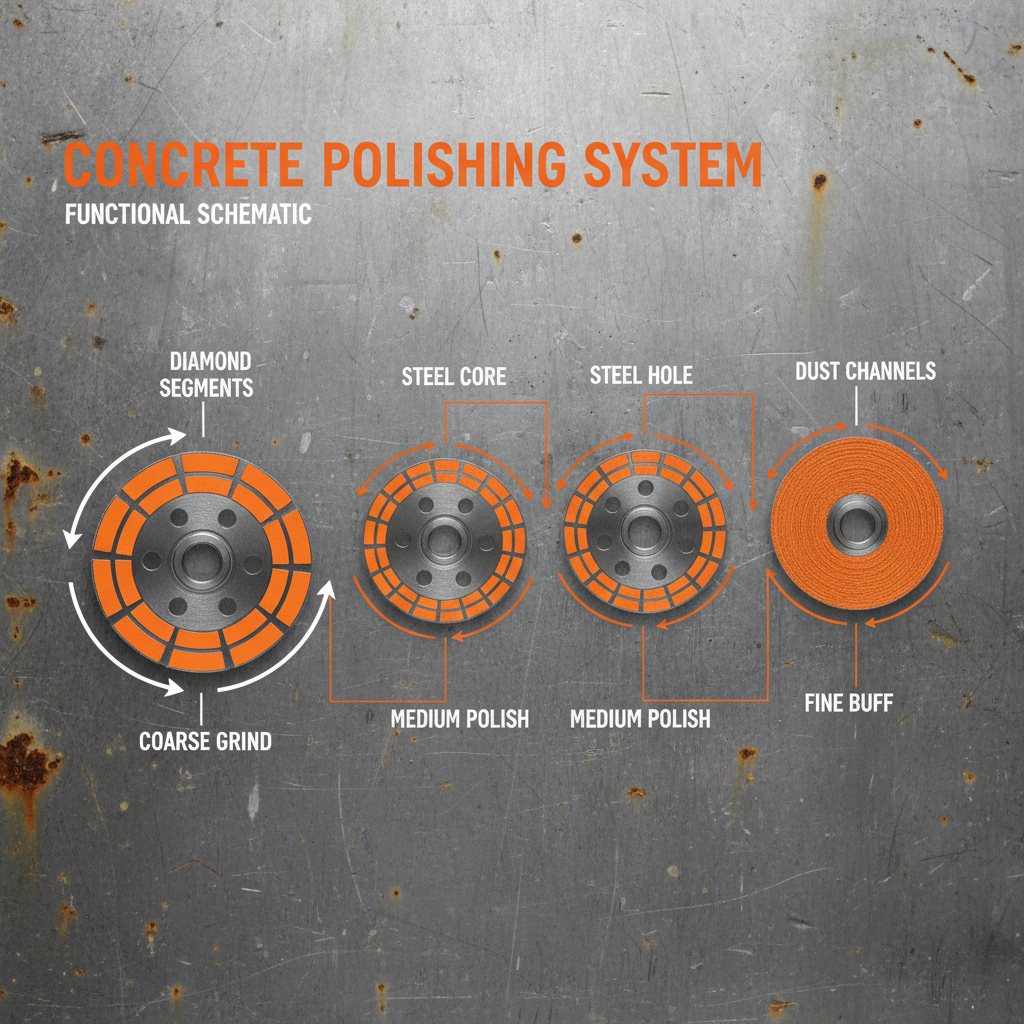
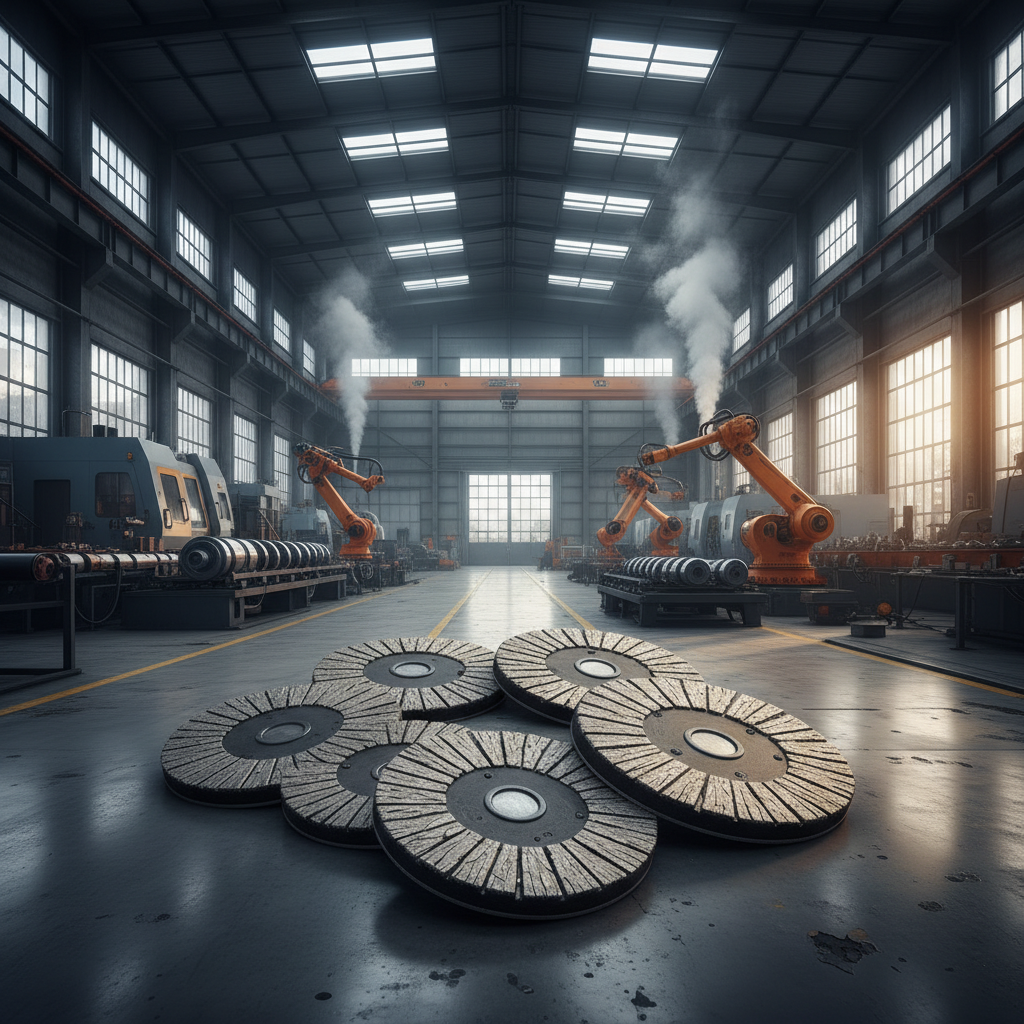
Diamond polishing pads represent the pinnacle of this technology, utilizing industrial-grade diamond particles suspended in either resin or metal matrices. These pads offer exceptional durability and cutting power, making them ideal for demanding materials like concrete, quartz, and engineered stone. The diamond particles are precisely graded and distributed to ensure consistent performance throughout the pad's lifespan.
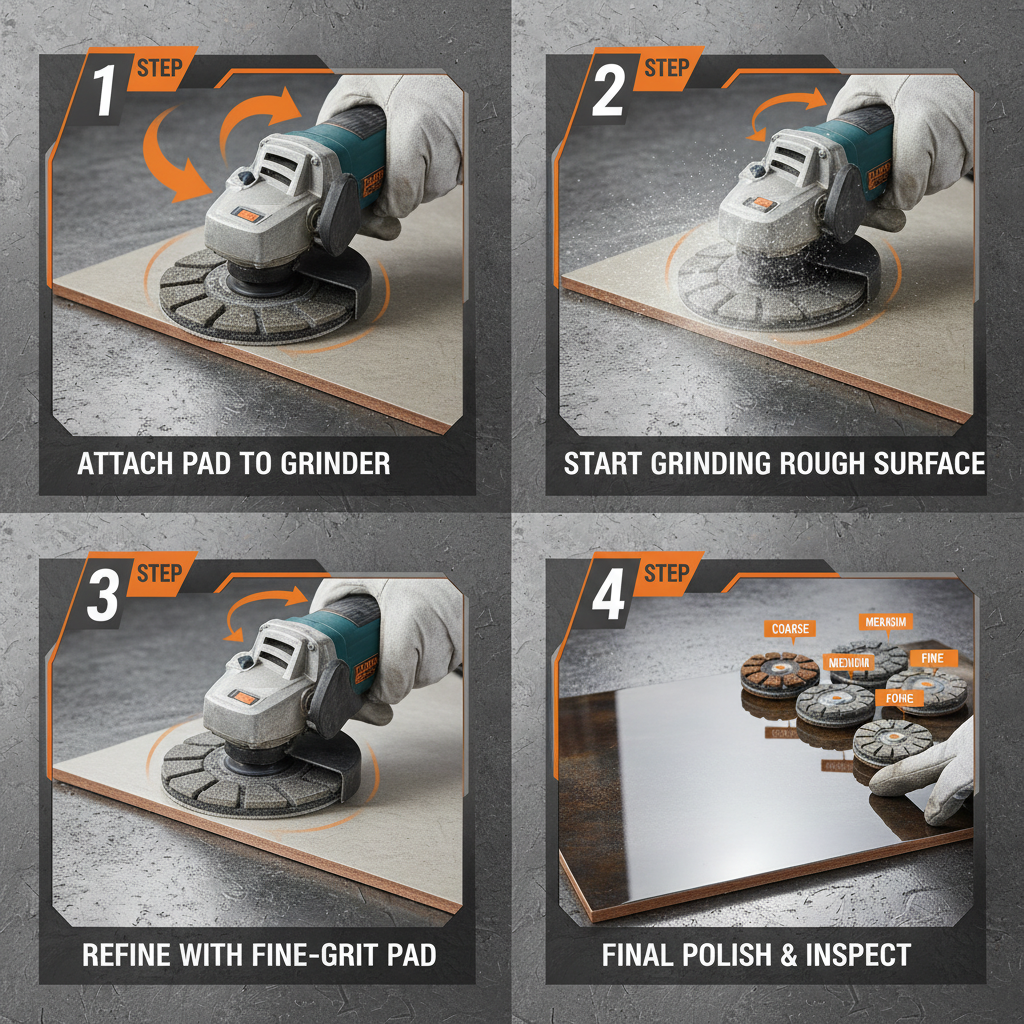
Granite polishing pads, while similar in concept, are specifically optimized for natural stone applications. They feature softer bonding materials that prevent excessive material removal while still achieving the high-gloss finishes that stone fabricators require. The grit progression in these pads is carefully calibrated to transition smoothly from coarse grinding to final polishing without creating visible scratch patterns.
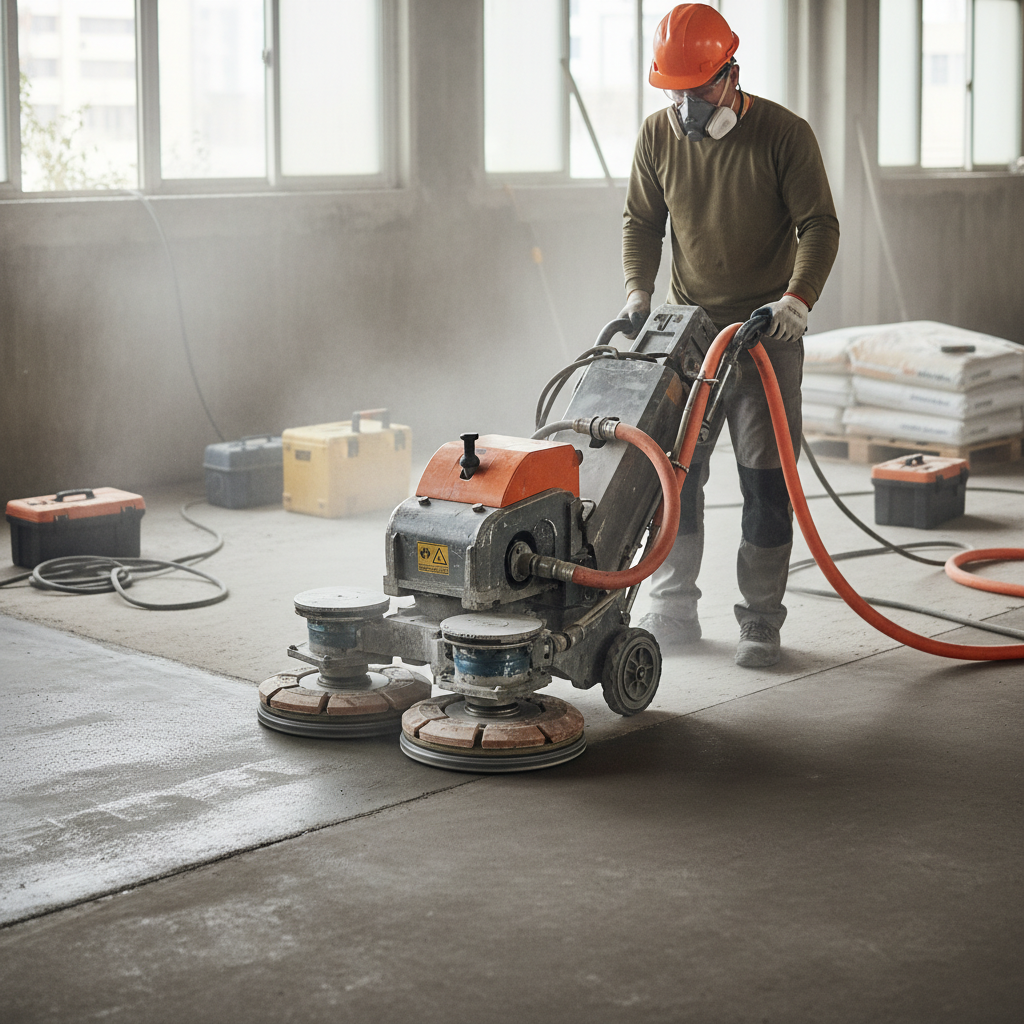
The distinction between dry polishing pads and wet polishing systems represents another critical technological divide. Dry pads incorporate special cooling channels and heat-resistant materials to prevent overheating during water-free operation, while wet systems leverage water's cooling and lubricating properties to extend pad life and improve finish quality.
Modern polishing pads also incorporate advanced backing systems, with hook-and-loop (Velcro) attachments becoming increasingly popular for their quick-change convenience and secure mounting. Some premium pads now feature hybrid designs that combine multiple abrasive types or utilize segmented constructions for improved debris clearance and cooling.
The Science Behind Diamond Polishing Pads
Diamond polishing pads represent a marvel of materials engineering, combining the hardness of diamonds with sophisticated bonding technologies. The performance of these pads depends on three critical factors: diamond quality, concentration, and bonding matrix composition.
Industrial diamonds used in these pads are carefully selected for their crystalline structure and fracture characteristics. Unlike jewelry-grade diamonds, these abrasives are engineered to fracture in controlled ways, constantly exposing fresh, sharp edges as the pad wears. This self-sharpening property is what gives diamond polishing pads their remarkable longevity compared to conventional abrasives.
Diamond concentration—measured in carats per cubic centimeter—directly affects the pad's cutting speed and lifespan. Higher concentrations (typically 25-40 ct/cm³) are used for aggressive material removal, while lower concentrations (15-25 ct/cm³) provide finer finishes. The diamonds themselves come in various shapes and sizes, with blocky crystals offering durability and sharp, fragmented crystals providing aggressive cutting action.
The bonding matrix plays an equally crucial role. Metal-bonded pads, typically using bronze or nickel alloys, offer exceptional durability for heavy grinding applications. Resin-bonded pads provide more flexibility and are better suited for final polishing stages. Some advanced pads now use hybrid bonds that combine metal and resin properties for balanced performance.
Recent innovations in diamond polishing pads include:
- Multi-layered designs that expose fresh diamonds as the surface layer wears
- Segmented constructions that improve cooling and debris removal
- Electroplated versions for ultra-thin, high-concentration applications
- Specialty formulations for specific materials like porcelain or terrazzo
These technological advancements have made modern diamond pads up to 300% more efficient than their predecessors, dramatically reducing labor costs and project timelines for professional contractors.
Granite Polishing Pads: Mastering Natural Stone Finishes
Working with natural stone presents unique challenges that demand specialized tools. Granite polishing pads are engineered to address these challenges while preserving the stone's natural beauty. Unlike generic polishing pads, these tools account for granite's variable hardness, crystalline structure, and sensitivity to heat.
The polishing process for granite typically involves a sequence of 7-11 steps, each requiring a specific grit level:
- Coarse grinding (50-200 grit): Removes saw marks and levels the surface
- Intermediate polishing (200-800 grit): Begins refining the surface texture
- Fine polishing (800-3000 grit): Develops the initial gloss
- Final polishing (3000+ grit): Achieves the mirror finish
Premium granite polishing pads feature several key design elements:
- Progressive bond hardness that adjusts to each polishing stage
- Open web designs that prevent loading with stone dust
- Cushioned backings that conform to slight surface irregularities
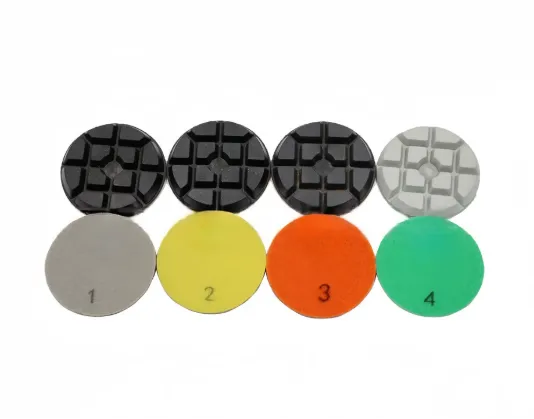
- Color-coded systems for easy grit identification
For marble and other softer stones, specialized pads with even softer bonds are available to prevent over-polishing and surface burning. The latest generation of granite pads incorporates ceramic abrasives alongside diamonds for improved scratch pattern control and faster polishing times.
Dry Polishing Pads vs. Wet Polishing: Which is Right for You
The choice between dry polishing pads and wet polishing depends on project requirements:
Dry Polishing Pads
- Pros: No water needed, portable, ideal for spot repairs and indoor use.
- Cons:Generates more dust, may require additional ventilation.
Wet Polishing
- Pros: Reduces dust, minimizes heat, extends pad life, delivers smoother finishes.
- Cons: Requires water supply, less convenient for small jobs.
Many professionals keep both types on hand for maximum flexibility.
FAQs About Polishing Pads
What's the difference between resin and metal bond diamond polishing pads?
Resin bonds offer more flexibility and better conformability for final polishing, while metal bonds provide greater durability for aggressive grinding. Hybrid bonds now offer a middle ground for many applications.
How often should granite polishing pads be replaced?
Depending on usage, granite pads typically last 200-500 square feet per set. Signs of wear include reduced cutting speed, visible wear patterns, or difficulty achieving target finishes.
Can dry polishing pads be used with water occasionally?
While possible, it's not recommended as dry pads aren't designed for water absorption and may deteriorate prematurely. It's better to switch to proper wet pads when water cooling is needed.
Are dry polishing pads suitable for high-gloss finishes?
Yes, dry polishing pads can achieve high-gloss finishes, especially when used with progressively finer grits. However, wet polishing often yields a smoother finish due to reduced friction.
How should polishing pads be stored between uses?
Store pads flat in a climate-controlled environment. Keep them clean and dry—consider using pad cleaning stones or brushes to remove embedded debris before storage
Contact https://www.mydiamondblade.com/ to discuss how our premium polishing solutions can take your projects to the next level.
Related Products
Related Products




Address
No.30 Gaoying Road ,Chang'an District,Shijiazhuang,Hebei Province
Business Hours
Mon to Saturday : 8.00 am - 7.00 pm
Sunday & Holidays : Closed
.png )