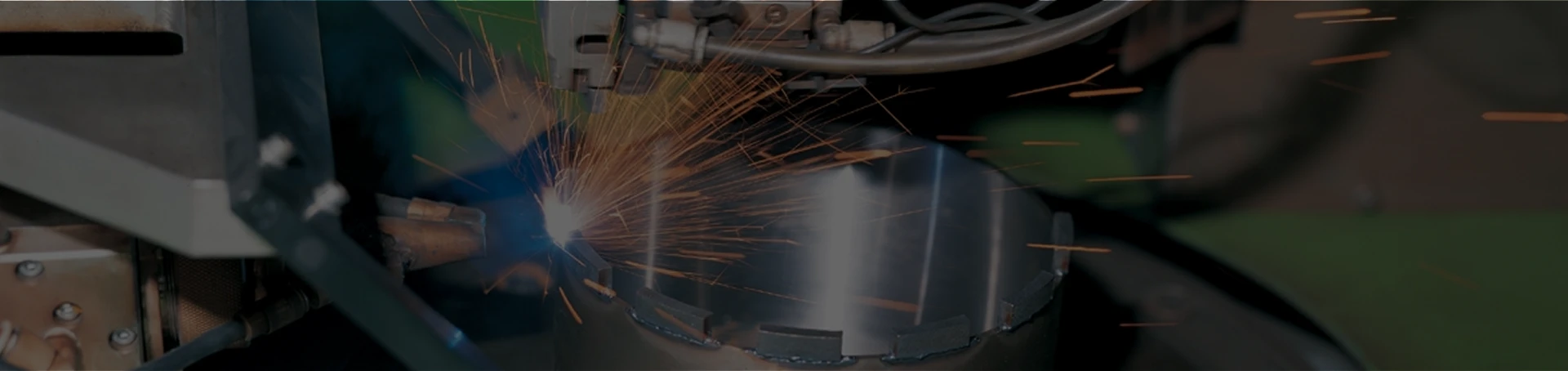
Unleashing Grinding Power: The Full Potential of Diamond Cup Wheels
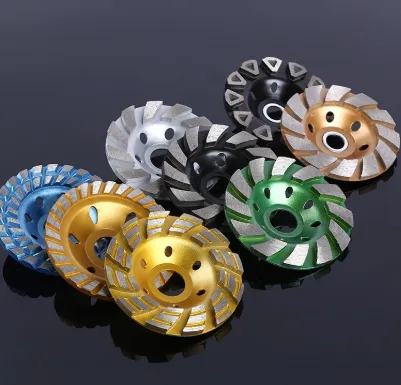
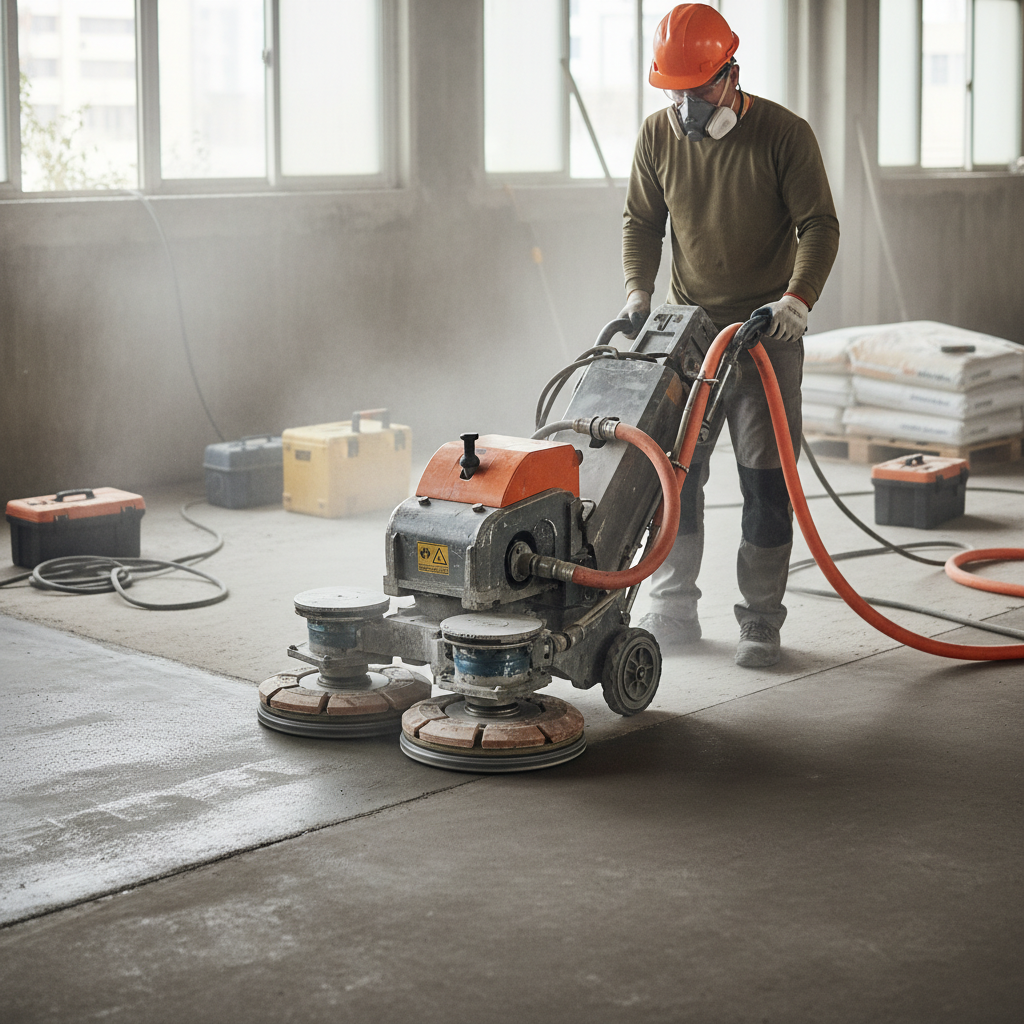
In the world of surface preparation and material removal, few tools match the precision, speed, and efficiency of diamond cup wheels. Whether you’re grinding concrete for polishing or shaving away thick adhesive residue during demolition, the right diamond cup grinding wheels deliver outstanding performance in high-pressure environments. With a wide range of specifications tailored for both professional and industrial use, products like the concrete diamond cup wheel and 4 inch diamond grinding wheel have become indispensable in construction, renovation, and masonry.
Optimizing Diamond Cup Wheels with Correct Grinding Pressure
Maximizing the efficiency of diamond cup wheels starts with understanding the role of pressure in grinding dynamics. Applying the right amount of pressure during grinding helps balance removal rate and tool longevity. If the pressure is too light, the diamonds on the wheel don’t penetrate deeply enough, reducing grinding efficiency and causing unnecessary wear to the segments. On the other hand, excessive pressure can cause overheating, accelerate segment wear, and lead to gouging on delicate surfaces.
For professionals aiming to get the most out of a concrete diamond cup wheel, adjusting pressure based on surface hardness and machine RPM is key. Lighter pressure combined with higher RPMs works well for softer materials, while harder surfaces—such as cured concrete—benefit from moderate pressure and slower speeds to maintain control and avoid chatter marks.
In vertical grinding or edge profiling, where tool balance and control are critical, properly moderated hand pressure ensures smoother movement and minimizes operator fatigue. Whether you’re working on a floor grinder or a hand-held polisher, finding the pressure “sweet spot” will unlock the full potential of your diamond cup grinding wheels.
Why Diamond Cup Wheels Differ for Concrete vs. Granite
Not all diamond cup wheels are made equal—and for good reason. The structure and composition of materials like concrete and granite differ dramatically, requiring tailored bonding and diamond concentration. A concrete diamond cup wheel typically features a softer bond to release worn diamond particles quickly and expose fresh ones, ideal for abrasive materials like green or cured concrete.
In contrast, granite is a denser and harder material. To cut effectively, wheels designed for granite use a harder bond to ensure the diamonds stay embedded longer, providing extended grinding life and consistent cutting power. If you use a soft-bond concrete wheel on granite, the tool will wear out quickly without significant material removal.
Similarly, the segment design also varies. A segmented 4 inch diamond grinding wheel used for granite may include a turbo-style pattern for faster cutting with reduced heat buildup, while a concrete wheel might have wide, straight segments optimized for aggressive removal. Understanding these differences is essential when selecting a wheel that matches your project material, ensuring safety, speed, and surface finish are all optimized.
Diamond Cup Wheels in Demolition and Reconstruction Projects
In modern demolition and reconstruction jobs, diamond cup wheels play a vital role in surface leveling, adhesive removal, coating stripping, and edge smoothing. Their unmatched ability to grind through stubborn materials like epoxy, paint, and old mortar makes them the go-to choice for renovation specialists.
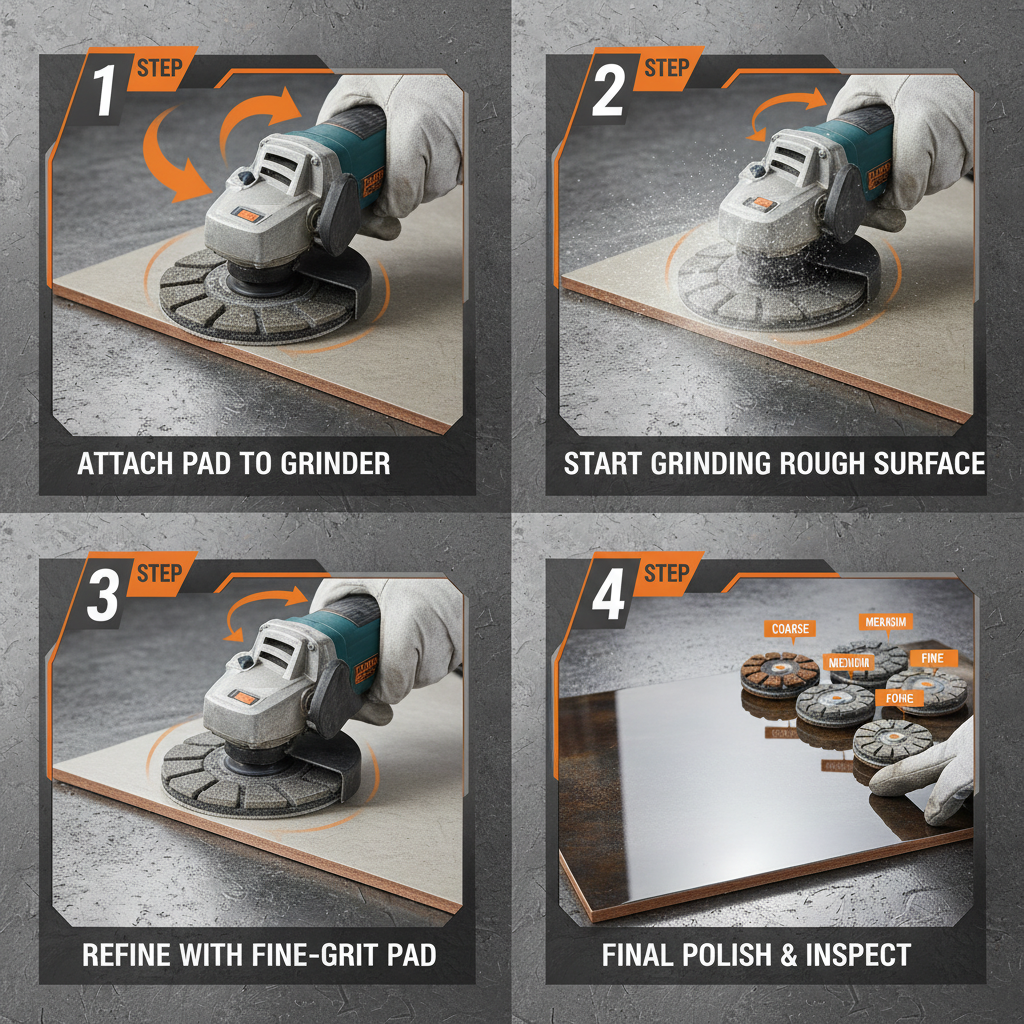
Before a concrete surface can be re-sealed or polished, it must be leveled and free from contaminants. A concrete diamond cup wheel grinds away surface imperfections quickly, preparing floors for overlays, coatings, or tile installations. In wall demolition or pipe trenching scenarios, diamond cup grinding wheels are used to smooth vertical cuts and remove rough edges.
For smaller-scale jobs in confined spaces, the 4 inch diamond grinding wheel offers high precision without sacrificing power. Its compact size allows for controlled grinding in corners, around fixtures, and in stairwells—areas that are otherwise difficult to access with larger machines.
In historic building restoration, these tools remove years of grime, efflorescence, or graffiti from stone surfaces without structural damage. In bridge repair or tunnel maintenance, diamond grinding ensures accurate surface profiling for long-lasting adhesion of repair compounds.
Choosing the Right Diamond Cup Wheel Price vs. Performance
When evaluating diamond cup wheel price, it's important to consider not just the upfront cost but also the wheel’s lifespan, grinding speed, and material compatibility. A higher-end diamond cup wheel might appear costly at first, but if it lasts twice as long or works three times faster, it dramatically reduces labor and tool replacement costs.
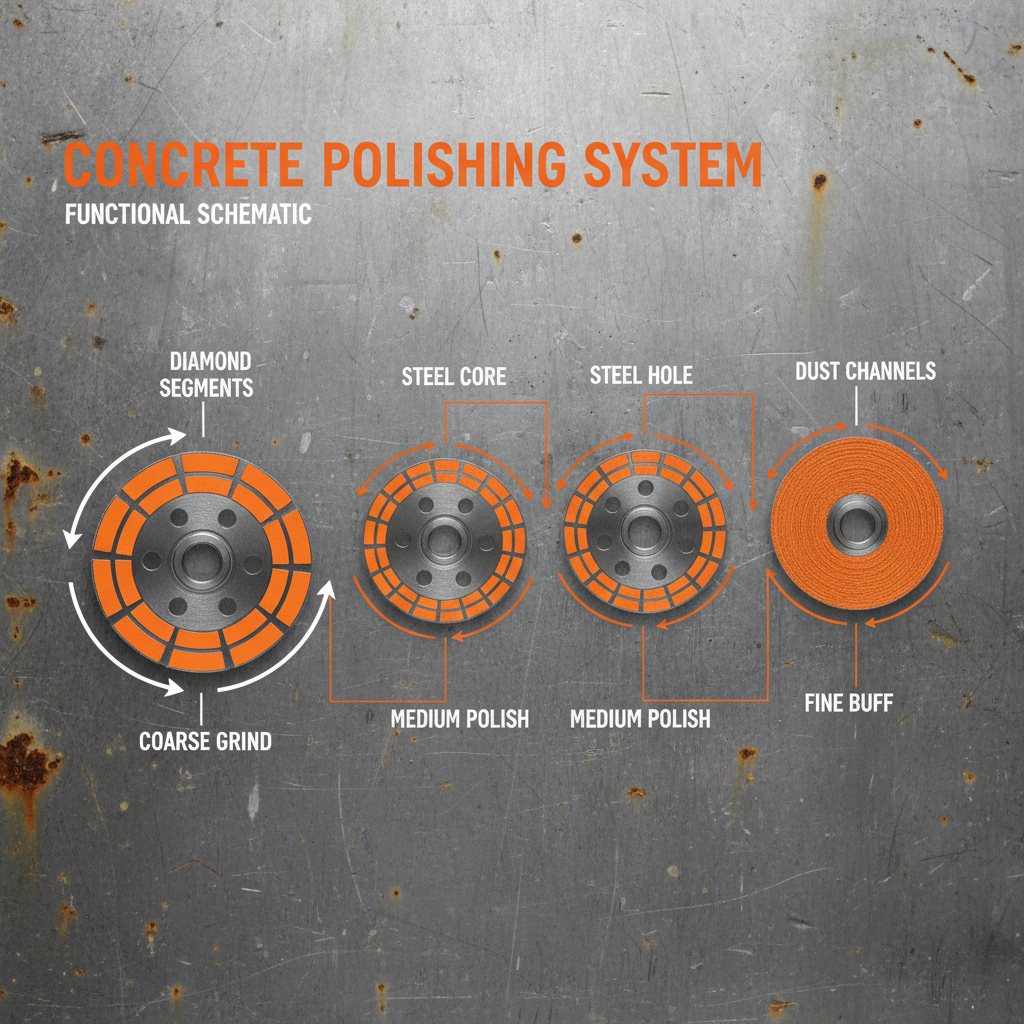
Professionals know that premium diamond cup grinding wheels include features like laser-welded segments for strength, optimized segment spacing for dust removal, and balanced steel cores for vibration-free performance. On the other hand, budget wheels may cut corners with lower diamond concentration or inconsistent bonding—resulting in slower grinding and premature failure.
Products such as the 4 inch diamond grinding wheel strike a balance between maneuverability and industrial strength, making them a popular option for daily site work. Whether grinding vertical joints or prepping slab edges, this size delivers solid value across a wide range of materials.
Ultimately, diamond cup wheel price should reflect the quality of materials, application specificity, and expected performance, not just the sticker value. For professionals, investing in the right tool translates to better results, safer work, and higher productivity.
Diamond Cup Wheels FAQs
How do I know if I’m applying the right pressure with diamond cup wheels?
Monitor the wheel’s speed and sound. If grinding feels smooth without chattering or smoking, your pressure is likely ideal. Excessive noise or heat may indicate too much pressure.
Can I use a concrete diamond cup wheel on granite?
It’s not recommended. Granite requires a harder bond than what a concrete diamond cup wheel provides. Use material-specific wheels to avoid rapid wear and inefficiency.
What’s the best application for a 4 inch diamond grinding wheel?
Ideal for detailed grinding in corners, edges, and tight spaces. It’s perfect for small-scale jobs, stairwells, and vertical surfaces where larger wheels can’t fit.
Are premium wheels worth the higher diamond cup wheel price?
Yes. Higher-quality wheels offer better performance, longer life, and faster grinding—saving time and money in the long run despite the initial cost.
Do diamond cup grinding wheels require any special machines?
They work with standard grinders and floor polishers, but it's crucial to match the RPM and flange size to the wheel’s specifications for safety and efficiency.
Related Products
Related Products





Address
No.30 Gaoying Road ,Chang'an District,Shijiazhuang,Hebei Province
Business Hours
Mon to Saturday : 8.00 am - 7.00 pm
Sunday & Holidays : Closed
.png )