
What Saw Is Best for Cutting Wood | Expert Guide & Comparison
What Saw Is Best for Cutting Wood: Choosing Your Perfect Tool
When you think about woodworking, the saw you pick can completely change your experience. It’s not just about making a cut—it’s about efficiency, safety, and sometimes even the quality of your final project. So, what saw is best for cutting wood? This question might sound basic, but the answer is rich with nuances. Choosing wisely impacts everything from global forestry management to DIY enthusiasts crafting in their garages.
Why Does It Matter Globally?
Woodworking and timber processing aren’t just local or hobbyist concerns—they’re a massive global industry. According to the Food and Agriculture Organization (FAO), the global wood products market is worth over $200 billion annually. That translates to a huge amount of wood being cut, shaped, and repurposed worldwide every day. Plus, in developing regions, cutting wood is often crucial for construction, heating, and shelter, especially after natural disasters or in remote rural areas.
Therefore, understanding what saw is best for cutting wood connects to optimizing productivity, reducing waste, and even minimizing hazards. It sounds a little abstract—but in practice, picking the right tool profoundly influences economies, environmental sustainability, and community resilience across the planet.
Defining the Best Saw for Cutting Wood
At its core, the question “what saw is best for cutting wood” boils down to identifying a tool that balances cutting efficiency, durability, ease of use, and safety. Are we talking about hand saws, power saws, or specialized blades like diamond-tipped ones? Each type serves different purposes:
- Hand Saws: Traditional tools, great for precise cuts or small projects.
- Circular Saws: Popular power saws prized for speed and versatility.
- Jigsaws and Reciprocating Saws: For intricate cuts or demolition work.
- Chainsaws: Heavy-duty cutting, especially in forestry or large timber processing.
The best saw depends on the application, type of wood, and cutting style. I suppose that’s why so many pros and hobbyists debate this topic endlessly!
Key Factors in Choosing the Right Saw
1. Durability & Blade Quality
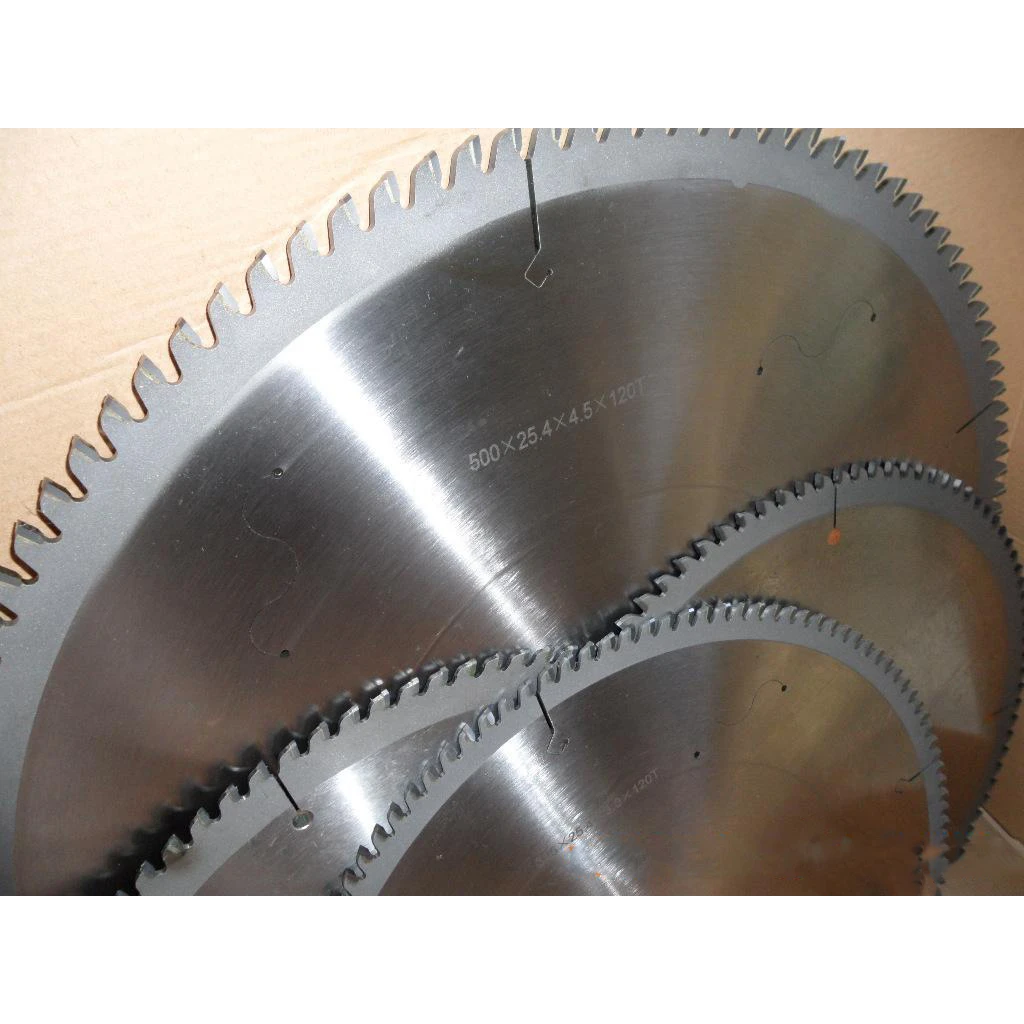
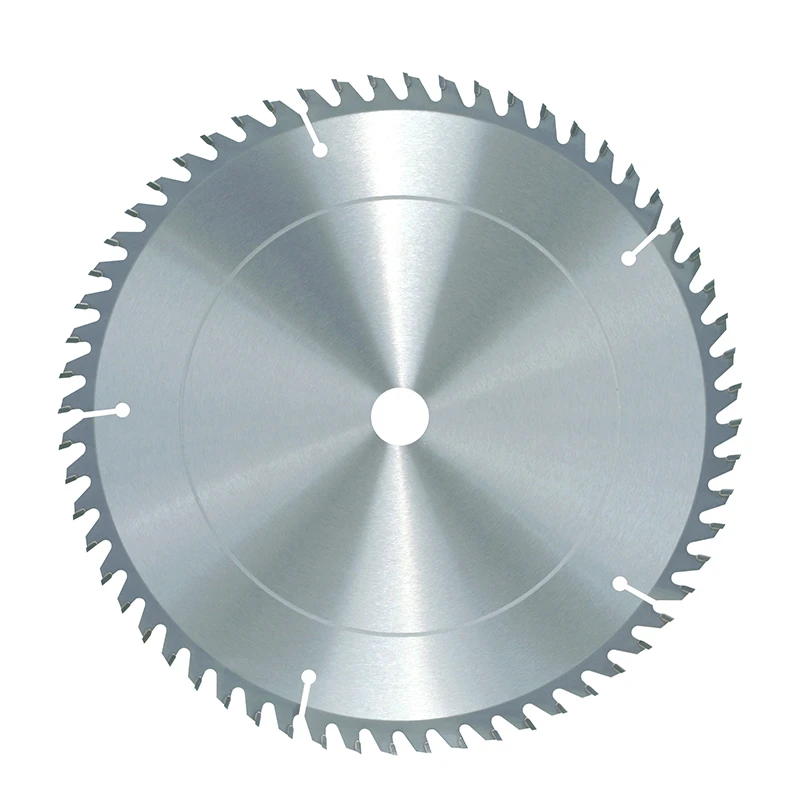
Wood is tough—sometimes harder than you’d expect—and a saw’s blade needs to hold up. Blades made with high-carbon steel or carbide tips last longer and cut cleaner. For example, diamond-tipped blades, usually used in specialized settings, give exceptional precision and longevity for certain dense woods.
2. Cutting Precision & Type of Cut
Do you want straight crosscuts or intricate curves? Jigsaws excel at the latter, while circular saws produce smooth straight cuts. The best saw for cutting wood depends on the shapes you need.
3. Power Source and Portability
Is mobility important? Cordless battery-powered saws offer freedom but sometimes at the cost of power. Corded models deliver more consistent torque but tie you down to a power source.
4. Safety Features
Modern saws often come with brake systems, guards, and ergonomic handles to reduce injuries. When cutting wood a lot, these features pay off big time.
5. Cost and Maintenance
A fancy industrial saw may be tempting, but you also have to think about upfront cost and upkeep. Sometimes simpler hand saws provide better value in specific contexts.
Quick Product Specs Comparison
| Saw Type | Power Source | Typical Blade Material | Best For |
|---|---|---|---|
| Hand Saw | Manual | High-Carbon Steel | Small projects, precision |
| Circular Saw | Electric (corded/battery) | Carbide-tipped | Quick straight cuts, general use |
| Jigsaw | Electric (corded/battery) | High-Speed Steel | Curves and intricate shapes |
| Chainsaw | Gas or electric | Hardened Steel Chain | Large timber, tree felling |
Global Applications & Use Cases
Wood cutting technologies shape countless industries around the world. In Scandinavian countries, for instance, sustainable forestry relies heavily on efficient chainsaws paired with automated kiln drying. In tropical regions like Southeast Asia, manual hand saws remain critical for small-scale furniture workshops.
Post-disaster zones often prioritize portable yet powerful tools — corded and battery-powered circular saws sometimes make relief camp setups faster and more efficient. Oddly enough, NGOs and relief agencies now frequently include saw selection in their logistics planning, underscoring how vital it is.
Even in urban carpentry shops in the U.S., the interplay of speed, precision, and safety dictates the choice of saws. You can almost see the saw’s role as a bridge — from raw timber and logs to finished furniture or construction materials.
Advantages and Long-Term Value of the Right Saw Choice
- Cost Efficiency: Investing in a saw that matches the task reduces blade replacement and operative fatigue.
- Sustainability: Cleaner cuts minimize waste, supporting environmentally friendly practices aligned with ISO 14001 standards.
- Safety: Safer tools reduce accident rates, a huge plus for workforce health and morale.
- Innovation & Reliability: Modern saws incorporate tech advancements—dust collection, vibration reduction—that frankly make all the difference.
From emotion to logic, there’s a sort of dignity to using the “right” tool. It’s the kind of professionalism that shows you care about your work and your environment.
Emerging Trends and Innovations
Looking ahead, battery tech improvements suggest cordless saws will soon match or exceed corded power, pushing further into remote construction areas without relying on generators. The rise of smart saws—equipped with sensors to optimize cuts and alert users to blade wear—is also on the horizon.
Green energy integration, lighter but stronger materials (think graphene coatings), and automation in timber processing lines may make the old debate about what saw is best for cutting wood more complex but also more exciting.
Common Challenges & Expert Solutions
Despite progress, challenges remain. For example, saw blade dullness still causes inefficiency and safety risks. Regular maintenance is key, but many users overlook this, leading to premature tool wear. Experts recommend using blade sharpness meters and adopting carbides with anti-corrosion coatings to extend lifespan.
Access to quality saws can be limited in developing regions, so NGOs often provide training and lower-cost maintenance kits to maximize tool longevity in the field.
FAQ: What Saw Is Best for Cutting Wood?
- Q: Which saw is best for cutting thick hardwood quickly?
A: Typically, a powerful chainsaw or a circular saw with a carbide-tipped blade works best because they retain sharpness and power through dense wood fibers. - Q: Can I use a jigsaw for outdoor wood projects?
A: Yes, but jigsaws excel at detailed, curved cuts. For rough, outdoor woodwork, circular saws or chainsaws are usually more efficient. - Q: How do I maintain my hand saw blade sharp for longer?
A: Regularly clean off pitch and resin, store in a dry place, and periodically file the teeth to maintain sharpness. - Q: Are cordless circular saws as powerful as corded ones?
A: Battery tech is improving; high-end cordless models approach corded power and offer greater portability—although corded saws still generally deliver longer or more consistent runtime.
Vendor Comparison: Popular Saws in the Market
| Brand/Model | Saw Type | Power Source | Key Feature | Price Range |
|---|---|---|---|---|
| Makita HS7611J | Circular Saw | Corded Electric | Precision bevel cuts | $100 - $130 |
| DeWalt DCS570B | Circular Saw | Cordless Battery | Brushless motor, lightweight | $180 - $230 |
| Stihl MS 170 | Chainsaw | Gas-powered | Durability & easy start | $200 - $240 |
| Bosch PST 800 PEL | Jigsaw | Corded Electric | Variable speed control | $80 - $110 |
In short, knowing what saw is best for cutting wood isn’t merely a material question—it’s a multidimensional choice influenced by your project needs, budget, safety, and even sustainability goals. Whether you’re a hobbyist, professional carpenter, or work in relief operations, the right saw transforms your work.
If you want to dive deeper or shop for quality blades and saws, check out our detailed guides and product recommendations at what saw is best for cutting wood.
Takeaway: A well-chosen saw not only cuts wood—it shapes the future of sustainable craftsmanship and responsible industry.
References
Related Products
Related Products






Address
No.30 Gaoying Road ,Chang'an District,Shijiazhuang,Hebei Province
Business Hours
Mon to Saturday : 8.00 am - 7.00 pm
Sunday & Holidays : Closed
.png )