What Type of Saw Blade to Cut Engineered Hardwood | Expert Guide & Specs
What Type of Saw Blade to Cut Engineered Hardwood: A Practical Guide
Engineered hardwood flooring has become exceptionally popular worldwide due to its durability, aesthetic appeal, and cost-effectiveness compared to solid hardwood. But here’s the catch—cutting engineered hardwood requires the right saw blade to preserve its integrity and finish. Choosing the appropriate type of saw blade to cut engineered hardwood is crucial not just for professionals but DIY enthusiasts looking for clean, precise cuts without damaging the material.
Introduction: The Global Context of Cutting Engineered Hardwood
With the flooring industry valued globally at over $30 billion and expected to grow steadily (source: Statista), engineered hardwood is a top choice in many countries. It offers a sustainable option by maximizing wood usage, which aligns with global environmental efforts under ISO 14001 guidelines. However, a significant challenge lies in cutting engineered hardwood without splintering or damaging the thin veneer layer atop the plywood core.
The question “what type of saw blade to cut engineered hardwood” therefore resonates globally, especially among flooring installers and manufacturers who must balance cost-efficiency with quality and sustainability.
Definition & Meaning
Simply put, the type of saw blade to cut engineered hardwood is a blade designed to handle the unique structure of engineered hardwood: a thin hardwood veneer glued onto a plywood or fiberboard core. Unlike traditional hardwood, its layered composition demands blades with fine teeth, specific kerf widths, and materials that minimize heat and tear during cutting.
This choice has real-world impact—it supports precision in construction, helps reduce material waste, and preserves aesthetic value, linking craftsmanship to efficient manufacturing and humanitarian goals like affordable housing.
Key Factors When Choosing a Saw Blade for Engineered Hardwood
1. Tooth Count and Type
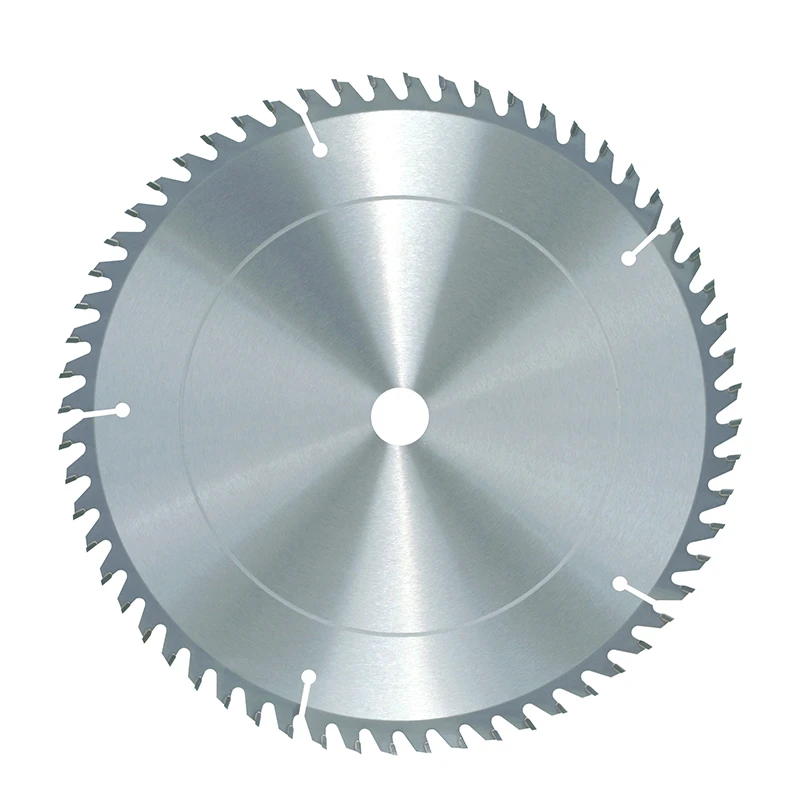
Blades with 60–80 teeth are often recommended for engineered hardwood to produce smoother cuts. Triple-chip grind (TCG) teeth help prevent chipping on the veneer surface.
2. Blade Material
Carbide-tipped blades offer longer life and cleaner cuts compared to steel or diamond-tipped blades for this application.
3. Kerf Width
Narrow kerf blades reduce material waste and require less power, beneficial for portable saws or handheld tools.
4. Blade Diameter and Compatibility
Common diameters range from 10 to 12 inches, but it depends on your saw. Ensure blade compatibility to maintain safety and cut quality.
5. Design Features to Minimize Tear-Out
Blades with anti-vibration features and specially designed gullets improve cut smoothness and reduce splintering.
Product Specification Table: Selected Saw Blades for Engineered Hardwood
| Model | Teeth Count | Blade Material | Kerf Width | Diameter | Price (USD) |
|---|---|---|---|---|---|
| Freud LU88R010 | 80 | Carbide-tipped | 0.086 inch | 10 inch | $48 |
| DeWalt DWA3107 | 60 | Carbide-tipped | 0.104 inch | 10 inch | $35 |
| Makita A-93681 | 80 | Carbide-tipped | 0.063 inch | 12 inch | $55 |
Mini takeaway: The best saw blade for engineered hardwood balances tooth count, material, and kerf width to reduce damage and increase cutting precision.
Vendor Comparison Table
| Brand | Price Range | Warranty | Special Features | Availability |
|---|---|---|---|---|
| Freud | $$$ | 1 year limited | Anti-vibration, TCG teeth | Widely available |
| DeWalt | $$ | 90 days | Anti-kickback design | Available online / retail |
| Makita | $$$ | 1 year limited | Laser cut expansion slots | Specialized dealers |
Global Applications & Use Cases
In European and North American markets, engineered hardwood is a staple for modern flooring, often requiring precision cutting at construction sites and workshops. Asian countries with booming urban construction sectors also rely heavily on efficient cutting tools. For example, flooring companies in Japan emphasize fine finishes, benefiting from blades optimized to reduce veneer chipping.
Post-disaster rebuilding efforts often involve quick installation of resilient flooring; the right saw blade is crucial for speed and accuracy. Oddly enough, even small-scale artisans crafting custom furniture from engineered hardwood have become niche beneficiaries.
Advantages & Long-Term Value
- Cost efficiency: Proper blades reduce waste from poor cuts.
- Durability: Carbide tips last longer under repeated cuts.
- Sustainability: Cleaner cuts mean retaining more usable material, reducing environmental impact.
- Safety: Specialized blades reduce kickback and splintering risks.
On an emotional level, clean and efficient cutting reassures installers and customers alike, instilling confidence and dignity in craftsmanship.
Future Trends & Innovations
Looking ahead, laser-cut and diamond-coated blades are gaining traction, promising even smoother finishes at higher durability. Smart saws paired with AI recommendations could soon suggest the best blade based on wood species and thickness. Sustainability continues to push manufacturers toward eco-friendly blade materials and manufacturing processes.
Challenges & Solutions
Common challenges include blade overheating, veneering damage, and compatibility issues with power tools. Experts recommend using blades with heat-resistant coatings and anti-vibration slots. Adjusting saw speed and feed rate are effective practical fixes. Sometimes, investing a bit more upfront on the right blade pays off by reducing re-work.
FAQ: Frequently Asked Questions About What Type of Saw Blade to Cut Engineered Hardwood
- What blade tooth count works best for engineered hardwood?
- Generally, blades with 60 to 80 teeth provide the smoothest cuts on engineered hardwood, minimizing splintering of the delicate veneer layer.
- Can I use a standard hardwood blade for engineered flooring?
- Standard hardwood blades tend to have fewer teeth and may cause chipping or tear-out on engineered hardwood. It's better to use blades specifically designed or recommended for engineered materials.
- How to avoid burning the wood when cutting engineered hardwood?
- Use carbide-tipped blades, keep your blade sharp, and maintain a steady feed rate. Slower cuts and proper saw speed help minimize heat buildup.
- Are diamond blades suitable for cutting engineered hardwood?
- While diamond blades excel with concrete or tile, they are generally not ideal for engineered hardwood due to the risk of dulling the veneer layer and producing rough cuts.
- Where can I buy reliable blades for this purpose?
- Major tool retailers, online stores, and manufacturer websites like our recommended blade specialists stock suitable blades with detailed specs.
Conclusion & Call to Action
Understanding what type of saw blade to cut engineered hardwood makes all the difference in achieving professional-grade results. It saves time, money, and material—qualities that matter in both global industry and local craftsmanship. For those ready to upgrade their cutting tools or just want to learn more, visit https://www.mydiamondblade.com for expert advice and top-quality blades designed specifically for engineered hardwood.
Choosing the right blade feels like a small decision, but it’s key to turning engineered hardwood projects from frustrating to flawless.
Mini takeaway: Investing in the right saw blade tailored for engineered hardwood isn’t just smart — it’s essential for quality, efficiency, and sustainability.
References
Related Products
Related Products





Address
No.30 Gaoying Road ,Chang'an District,Shijiazhuang,Hebei Province
Business Hours
Mon to Saturday : 8.00 am - 7.00 pm
Sunday & Holidays : Closed
.png )