The electroplated diamond cutting disc represents a significant advancement in materials science and industrial tooling, offering a versatile and efficient solution for a wide array of cutting, grinding, and drilling applications. Its ability to deliver precision and durability at a relatively low cost has made it indispensable across various sectors, from construction and manufacturing to healthcare and scientific research. Understanding the nuances of electroplated diamond cutting disc technology is crucial for optimizing performance and ensuring safe operation, contributing to enhanced productivity and reduced waste.
Globally, the demand for high-performance cutting tools is continuously increasing, driven by factors such as rapid urbanization, infrastructure development, and the growth of the manufacturing sector. The electroplated diamond cutting disc addresses this demand by providing a cost-effective alternative to traditional cutting methods, particularly in situations requiring precision, speed, and longevity. According to industry reports, the global diamond tools market is projected to reach substantial growth in the coming years, with electroplated diamond cutting discs representing a significant segment of this market.
The core challenge this technology addresses lies in achieving efficient and precise material removal without causing excessive damage or creating hazardous byproducts. Traditional cutting methods can be slow, wasteful, and often require significant post-processing. Electroplated diamond cutting discs offer a solution by combining the hardness of diamond with the versatility of electroplating, enabling customized cutting solutions for diverse materials and applications.
Definition and Core Principles of electroplated diamond cutting disc
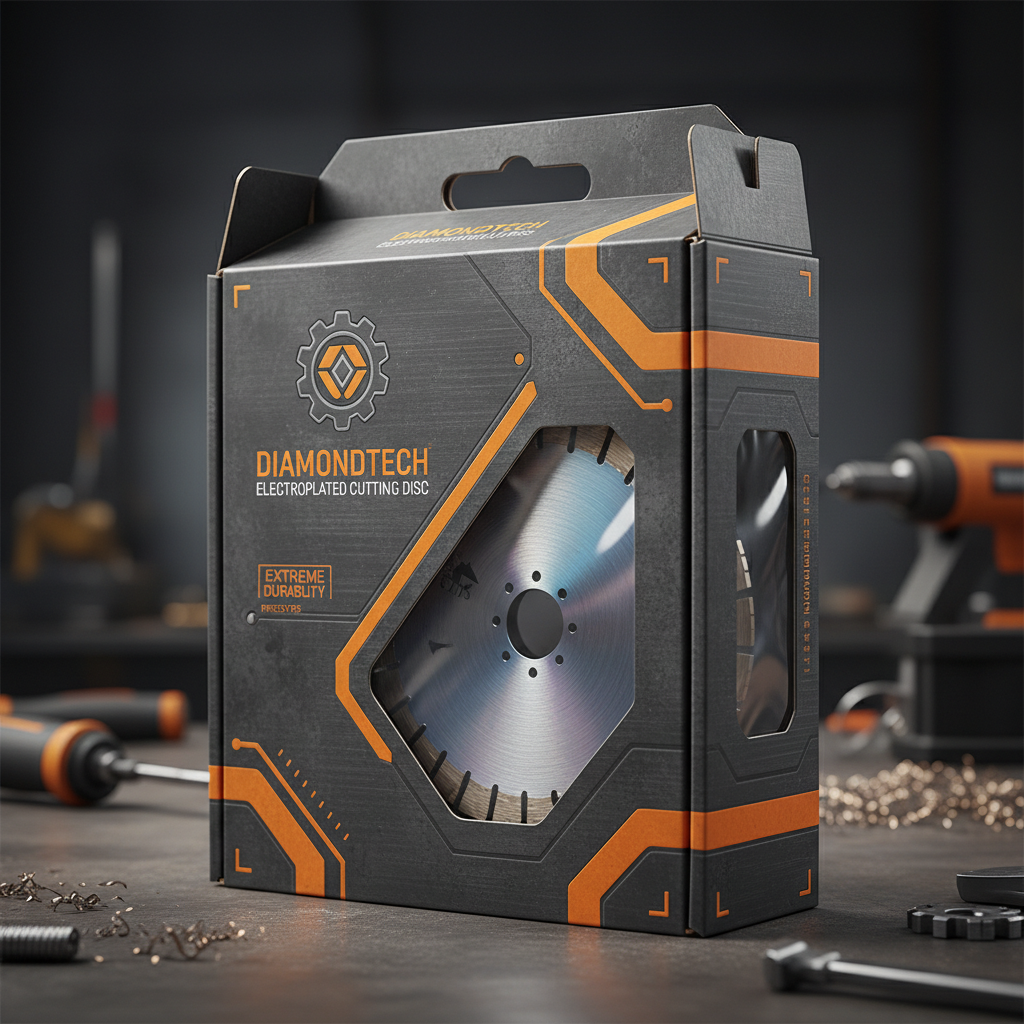
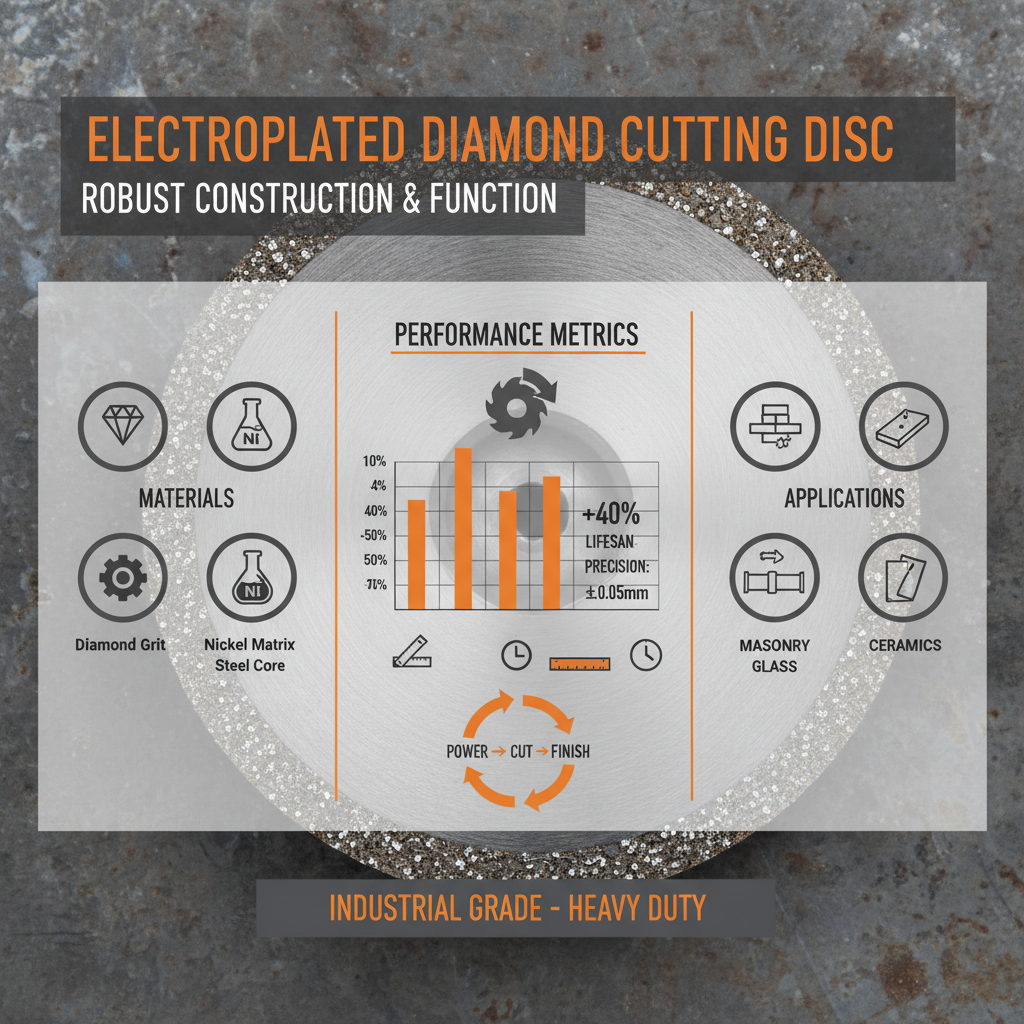
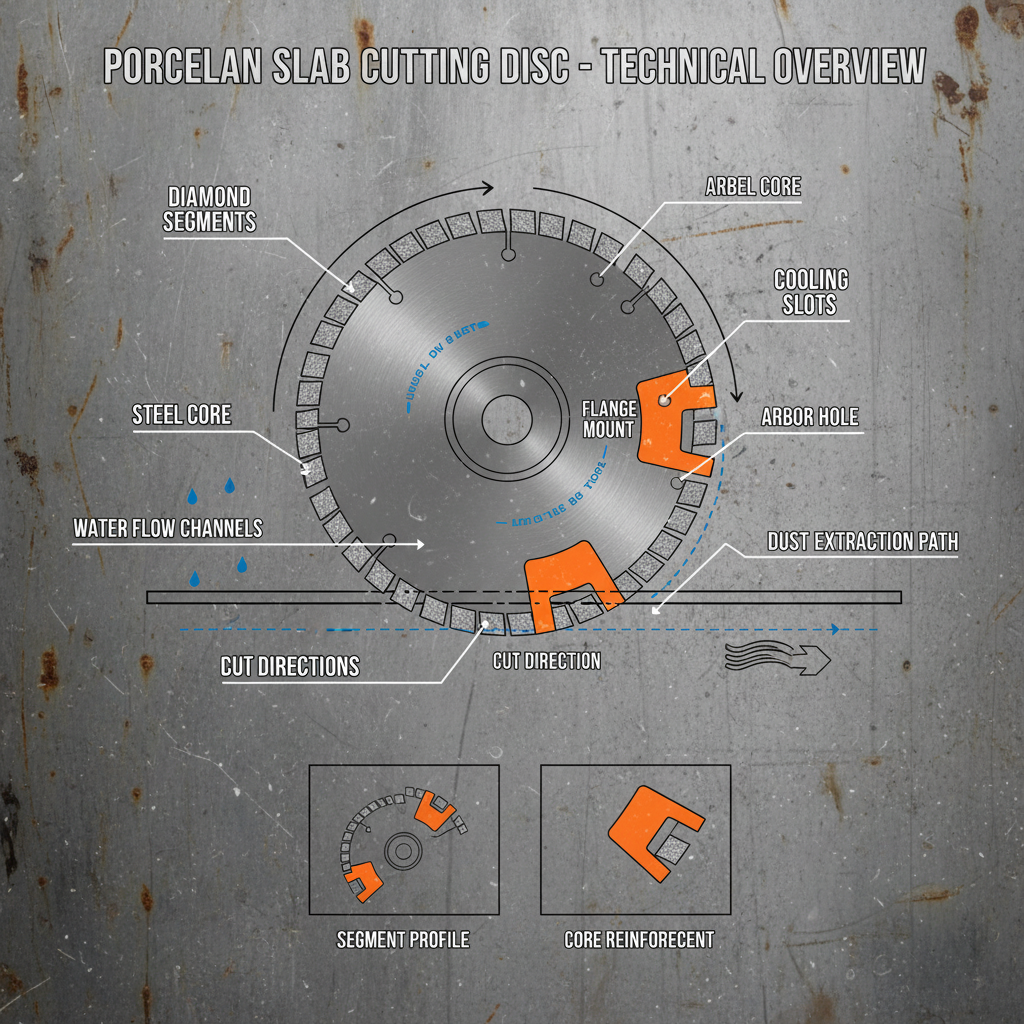
An electroplated diamond cutting disc is a specialized cutting tool where industrial diamonds are bonded to a metallic substrate, typically a steel core, through an electroplating process. This process involves depositing a layer of nickel or another conductive metal onto the core, followed by the electrolytic deposition of diamond particles onto the metallic layer. The result is a cutting disc with a sharp, durable, and versatile cutting edge.
This technology bridges the gap between the exceptional hardness and cutting ability of diamonds and the practicality of mass production. It’s distinct from sintered diamond tools where diamonds are bonded using metal powders and high pressure. Electroplating allows for the creation of thinner, more flexible discs, ideal for intricate cuts and applications where minimal material removal is desired. Its connection to modern industry is essential, impacting sectors reliant on precise material processing.
Global Relevance and Industry Applications
The electroplated diamond cutting disc holds significant global relevance due to its widespread applicability across numerous industries. From the construction sector, where it’s used for cutting concrete, asphalt, and tile, to the aerospace industry, where it's crucial for machining composite materials, the demand for this technology is consistently high. The United Nations Industrial Development Organization (UNIDO) highlights the importance of efficient cutting tools in fostering sustainable industrial development, and the electroplated diamond cutting disc plays a vital role in this context.
Specifically, the growth of infrastructure projects in emerging economies, like those in Southeast Asia and Africa, are driving the demand for electroplated diamond cutting discs. In regions where access to advanced machining tools is limited, the relatively low cost and ease of use of these discs make them particularly valuable. The World Bank also emphasizes the crucial role of improved infrastructure in reducing poverty and promoting economic growth, further underscoring the importance of tools like the electroplated diamond cutting disc.
Furthermore, the increasing focus on precision manufacturing in developed nations, coupled with the need for efficient and environmentally friendly cutting solutions, continues to fuel the demand for electroplated diamond cutting discs. These discs minimize material waste and energy consumption compared to traditional abrasive cutting methods, aligning with global sustainability initiatives.
Manufacturing Process and Material Composition
The manufacturing of an electroplated diamond cutting disc begins with preparing a metallic core, typically made of spring steel, to provide the necessary strength and flexibility. This core is meticulously cleaned and roughened to ensure optimal adhesion of the electroplated layers. The core is then submerged in an electrolytic bath containing nickel and diamond particles. A direct current is applied, causing the nickel ions to deposit onto the core, simultaneously embedding the diamond particles within the nickel matrix.
The diamond particles themselves vary in size, shape, and quality, influencing the disc’s cutting performance and lifespan. Higher-quality, more consistently sized diamonds result in a more uniform and durable cutting edge. The electroplating process is carefully controlled to ensure a consistent diamond distribution and a secure bond between the diamond particles and the nickel matrix. This process determines the concentration of diamond grit which is directly linked to the overall efficiency and intended use of the electroplated diamond cutting disc.
Beyond nickel and diamonds, other materials like copper or cobalt may be added to the electroplating bath to enhance the disc’s properties, such as corrosion resistance or cutting speed. Post-plating processes include finishing operations to remove any imperfections and ensure a smooth, consistent cutting surface. Rigorous quality control measures are implemented throughout the manufacturing process to guarantee that the final product meets stringent industry standards.
Key Performance Indicators of electroplated diamond cutting disc
Evaluating the performance of an electroplated diamond cutting disc requires analyzing several key indicators. One of the most crucial is cutting speed, which dictates the efficiency of material removal. Another significant factor is the disc’s lifespan, measured by the amount of material it can cut before significant wear occurs. The quality of the cut, assessed by its smoothness and precision, is also paramount.
Furthermore, the heat generation during cutting is a critical consideration, as excessive heat can damage both the disc and the material being cut. The ability to maintain dimensional accuracy and minimize chipping or cracking is also vital, especially in applications requiring tight tolerances.
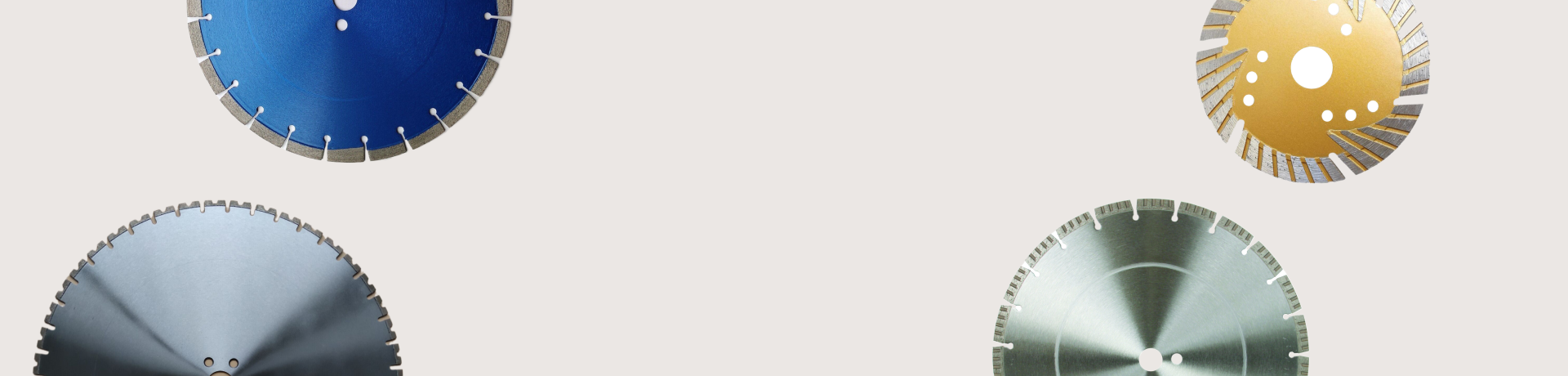
Comparative Performance of electroplated diamond cutting disc Types
Real-World Applications Across Diverse Industries
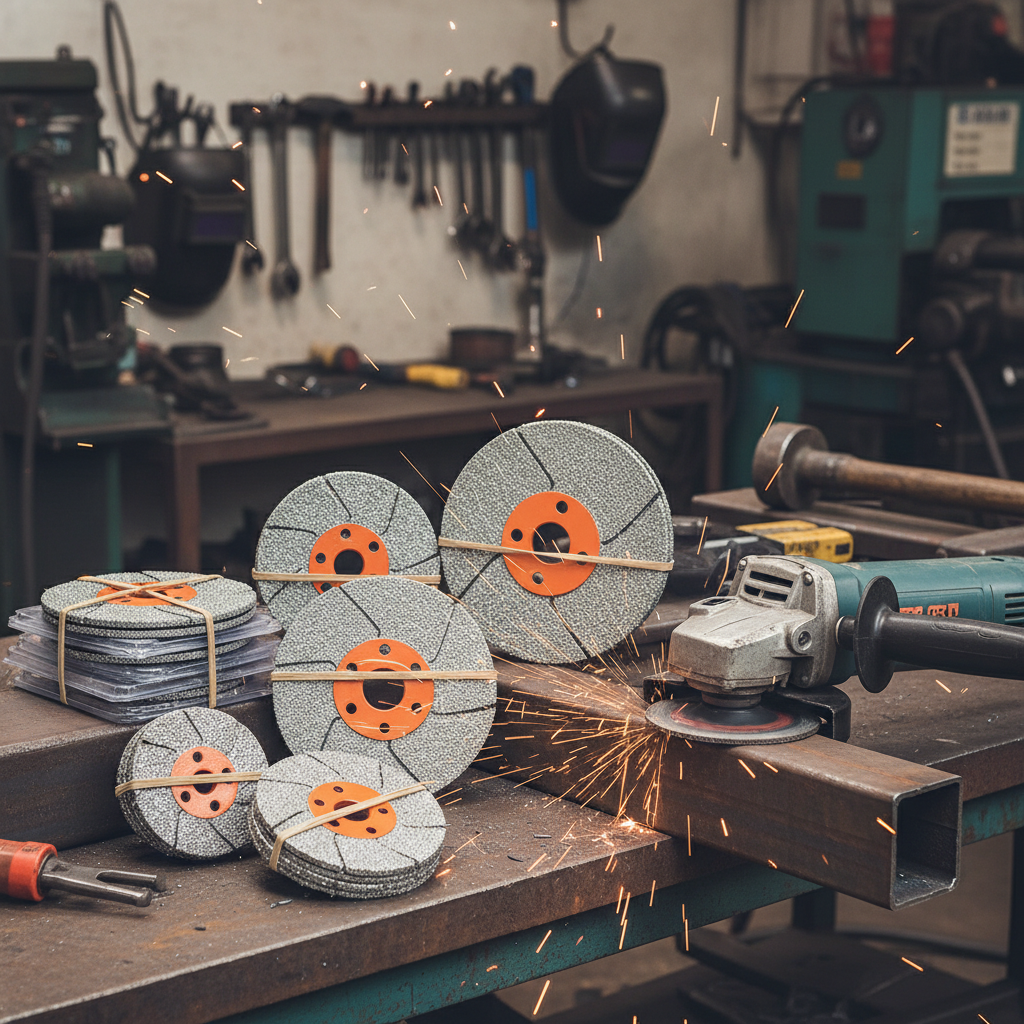
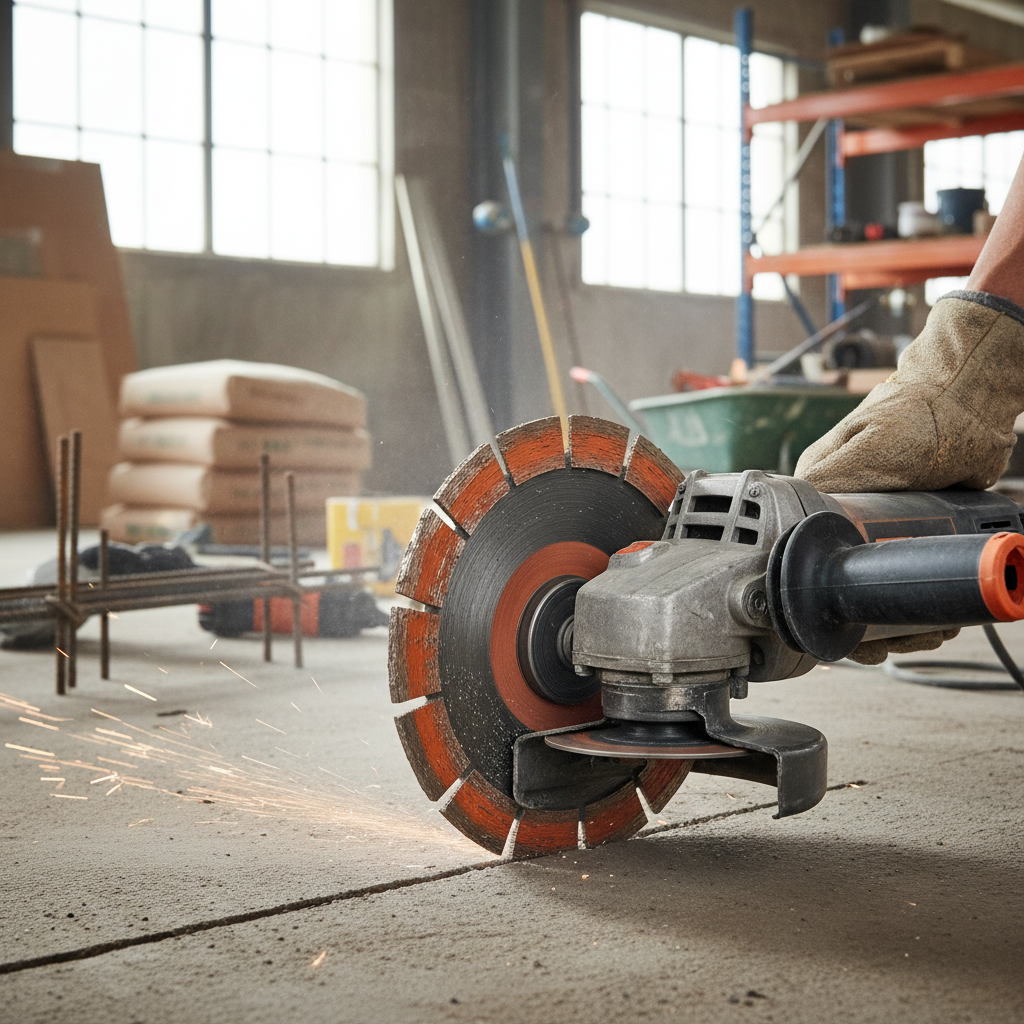
The versatility of the electroplated diamond cutting disc is evidenced by its widespread adoption across a multitude of industries. In construction, they're indispensable for cutting concrete floors, walls, and pipes, enabling efficient renovations and infrastructure projects. Similarly, in the tile and stone industry, these discs provide clean, precise cuts for countertops, flooring, and decorative elements.
Beyond these common applications, electroplated diamond cutting discs find use in specialized fields such as glass cutting, where precision and minimal chipping are paramount, and in the medical industry, for cutting bone and other hard tissues during surgical procedures. In remote industrial zones, where access to more sophisticated tools is limited, they offer a reliable and cost-effective solution for a variety of cutting tasks.
Advantages and Long-Term Value Proposition
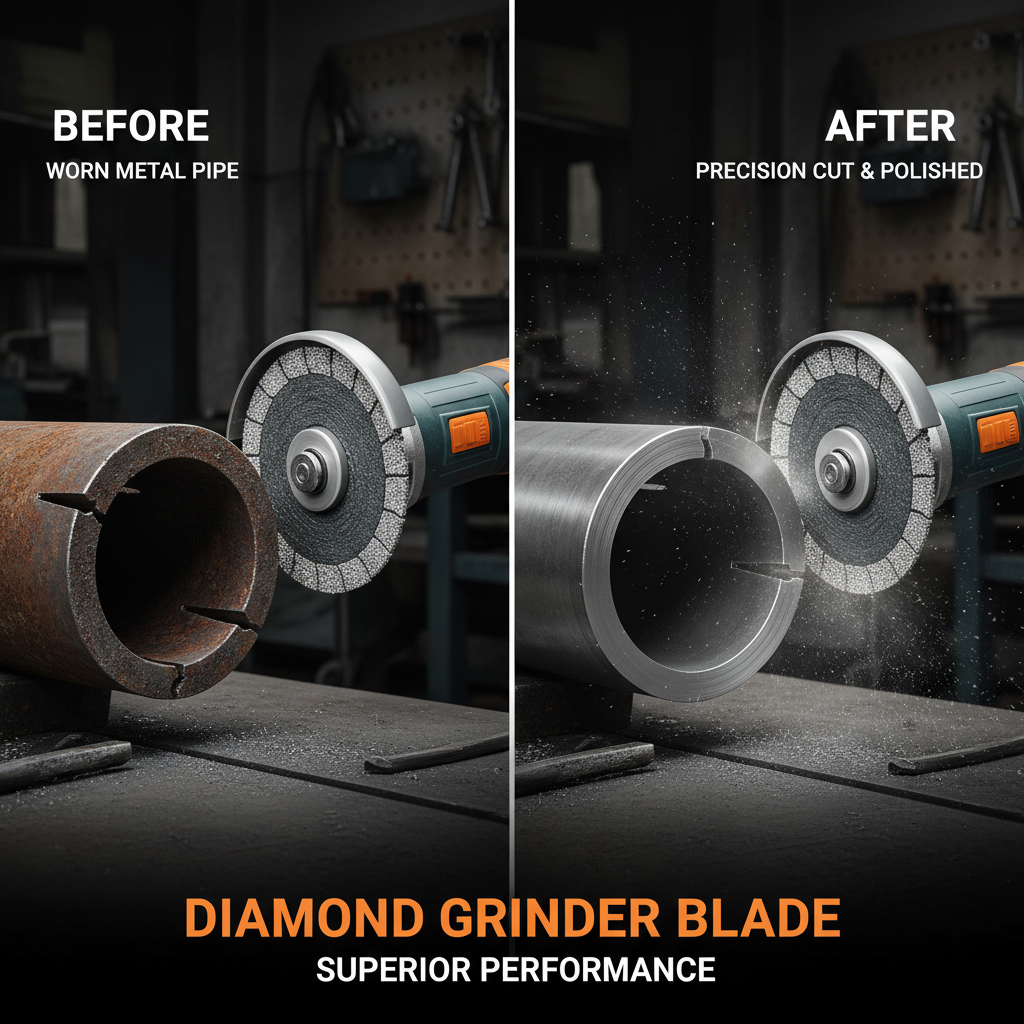
The advantages of utilizing electroplated diamond cutting discs are numerous. First and foremost is their exceptional cutting performance, providing faster, cleaner, and more precise cuts compared to traditional abrasive wheels. The relatively low cost of these discs makes them an attractive option for both large-scale industrial operations and individual DIY projects. The improved safety profile, resulting from reduced kickback and dust generation, is another significant benefit.
The long-term value extends beyond immediate cost savings. Reduced material waste, increased productivity, and enhanced worker safety all contribute to a more sustainable and efficient operation. The durability of the diamond grit ensures a longer lifespan, reducing the frequency of disc replacements and minimizing downtime. This reliability builds trust and fosters innovation within various sectors.
Future Trends and Innovations in electroplated diamond cutting disc Technology
The future of electroplated diamond cutting disc technology is poised for significant advancements. Research is ongoing to develop new electroplating techniques that improve diamond retention and bonding, resulting in even longer-lasting and more efficient discs. The integration of nanotechnology to enhance diamond grit distribution and surface morphology is also a promising avenue of exploration.
Furthermore, the development of eco-friendly electroplating solutions that minimize the use of hazardous chemicals is gaining traction, driven by growing environmental concerns. Automation and digital control systems are being implemented to optimize the electroplating process and ensure consistent quality. The integration with smart sensors and data analytics will enable predictive maintenance and real-time performance monitoring of the cutting discs.
The push for more sustainable practices also leads to an increased focus on recycling spent diamond cutting discs, recovering valuable diamond grit, and reducing waste. This closed-loop approach aligns with the principles of a circular economy and minimizes the environmental impact of the technology.
Challenges and Solutions in Electroplated Diamond Cutting Disc Applications
Despite the many advantages, electroplated diamond cutting discs face challenges such as premature wear, particularly when cutting abrasive materials, and potential for diamond pull-out under high stress. Maintaining consistent cutting performance across varying material hardnesses and compositions also presents a hurdle. Improper usage, like applying excessive pressure or using the wrong disc for the material, can significantly reduce lifespan and performance.
Summary of Challenges and Solutions for Electroplated Diamond Cutting Disc
| Challenge |
Impact on Performance |
Potential Solution |
Implementation Cost (1-10) |
| Premature Wear |
Reduced Cutting Life, Increased Costs |
Optimized Diamond Grit Size & Concentration |
5 |
| Diamond Pull-Out |
Decreased Cutting Efficiency, Surface Damage |
Enhanced Nickel Matrix Bonding |
7 |
| Material Specificity |
Suboptimal Cutting Performance on Certain Materials |
Development of Specialized Disc Formulations |
6 |
| Heat Generation |
Disc Degradation, Material Warping |
Improved Heat Dissipation Designs |
4 |
| Operator Error |
Reduced Lifespan, Safety Hazards |
Comprehensive Training & Safety Protocols |
2 |
| Cost of High-Quality Discs |
Initial Investment Can Be Significant |
Focus on Long-Term Value and ROI |
3 |
FAQS
Electroplated diamond cutting discs are highly versatile and can effectively cut a wide range of materials, including concrete, asphalt, tile, brick, stone, glass, and some metals. The specific type of diamond grit and bond used in the disc will determine its suitability for particular materials. For example, softer grits are better for softer materials like tile, while harder grits are required for cutting concrete and stone. Choosing the right disc for the material is crucial for optimal performance and longevity.
To maximize the lifespan of your electroplated diamond cutting disc, avoid applying excessive pressure during cutting, as this can cause premature wear and diamond pull-out. Always use the correct disc for the material being cut and ensure proper cooling, either with water or air, to prevent overheating. Regularly inspect the disc for damage and replace it when the diamond grit becomes significantly worn or the bond is compromised. Proper storage is also important – keep the disc dry and protected from impacts.
Electroplated diamond cutting discs are generally safe when used correctly, but it’s essential to take appropriate safety precautions. Always wear safety glasses, gloves, and a dust mask to protect against flying debris and dust. Ensure the workpiece is securely clamped and that the cutting area is well-ventilated. Follow the manufacturer’s instructions for the correct speed and application. Never remove safety guards from the cutting equipment and be aware of potential kickback.
Electroplated diamond cutting discs bond diamonds to a metal core through electroplating, creating a thinner, more flexible disc suitable for precise cuts. Sintered discs, on the other hand, bond diamonds using metal powders and high pressure, resulting in a thicker, more robust disc ideal for heavy-duty cutting. Electroplated discs are generally less expensive and produce less heat, while sintered discs offer greater durability and can handle more abrasive materials.
Diamond grit size is a crucial factor in selecting the right disc. Coarser grits (lower numbers) are ideal for aggressive cutting of softer materials, providing faster material removal. Finer grits (higher numbers) are better for smoother, more precise cuts on harder materials like glass or porcelain. Refer to the manufacturer’s recommendations for specific materials, and consider the desired finish and cutting speed. Generally, softer materials require coarser grits, and harder materials necessitate finer grits.
Unlike traditional abrasive wheels, electroplated diamond cutting discs typically cannot be resharpened effectively. The diamond grit is bonded to the metal core through electroplating, and attempting to resharpen the disc can damage the bond and reduce its performance. Instead, it is more cost-effective and safer to replace the disc once the diamond grit is significantly worn. Newer technologies are being explored, but currently, replacement is the standard practice.
Conclusion
In conclusion, the electroplated diamond cutting disc represents a pivotal advancement in cutting technology, offering a compelling combination of precision, durability, cost-effectiveness, and versatility. Its broad applicability across diverse industries, coupled with ongoing innovations in materials and manufacturing processes, ensures its continued relevance in a rapidly evolving technological landscape. Understanding the principles of operation, key performance indicators, and proper usage is crucial for maximizing its benefits and ensuring safe and efficient operation.
Looking ahead, the future of electroplated diamond cutting disc technology lies in sustainable practices, automation, and the integration of smart technologies. Continuous research and development efforts focused on enhancing diamond bonding, reducing environmental impact, and optimizing cutting performance will further solidify its position as a cornerstone of modern industrial tooling. For high-quality, reliable electroplated diamond cutting discs, visit our website today: www.mydiamondblade.com








.png )