The realm of construction and material science is constantly evolving, and within it, the grinder cement blade stands as a pivotal tool. These blades, essential for refining cement and preparing surfaces, are crucial across a vast spectrum of industries, from large-scale infrastructure projects to intricate finishing work. Understanding the nuances of grinder cement blade technology, its applications, and future trends is vital for professionals and anyone involved in construction, renovation, or material processing. This knowledge leads to safer, more efficient, and cost-effective project outcomes.
The global demand for cement and concrete continues to surge, driven by urbanization, population growth, and infrastructural development, particularly in emerging economies. Consequently, the need for high-quality grinder cement blades to facilitate this growth is paramount. Challenges exist in optimizing blade performance, extending lifespan, and reducing environmental impact, but innovative solutions are continually being developed to address these concerns.
Choosing the right grinder cement blade isn’t merely about picking a product; it’s about selecting a component that directly impacts project timelines, material waste, and ultimately, the overall quality of the finished product. By exploring the key characteristics, applications, and future trends surrounding grinder cement blade technology, we aim to empower informed decision-making for a more sustainable and efficient construction landscape.
The Core Functionality of Grinder Cement Blades
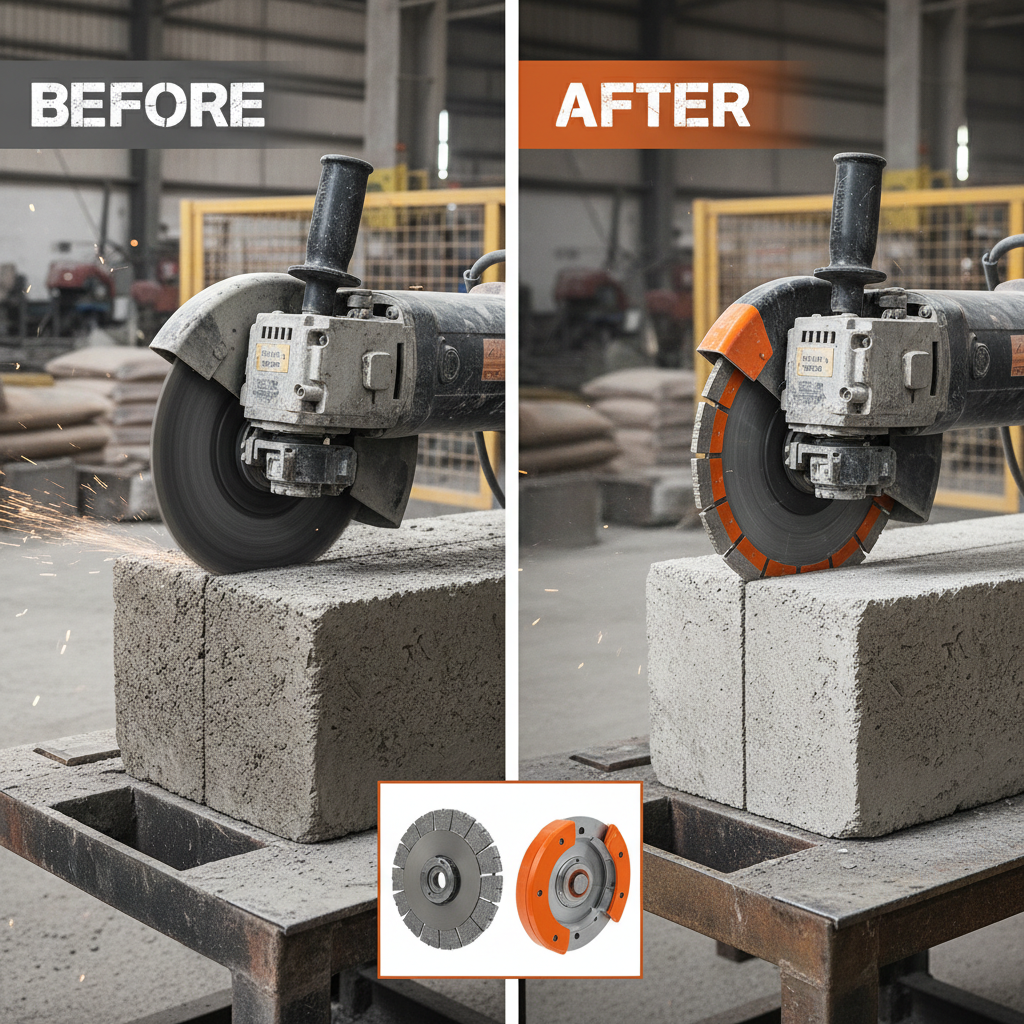
At its core, a grinder cement blade is designed to efficiently and precisely remove material from concrete, cement, and related surfaces. This functionality is vital for a wide range of applications, including surface preparation for coatings, leveling uneven concrete, and creating decorative finishes. The effectiveness of a blade hinges on its material composition, the cutting segment design, and the overall quality of manufacturing.
The performance of a grinder cement blade isn’t solely about brute force; it’s about controlled material removal. Blades are engineered to balance aggressive cutting action with a smooth finish, minimizing damage to the surrounding surface. Different blade types cater to specific applications, from heavy-duty grinding to fine polishing, making the selection process crucial for achieving optimal results. A high-quality grinder cement blade is the key to any concrete project.
The Global Impact and Market Dynamics of Grinder Cement Blades
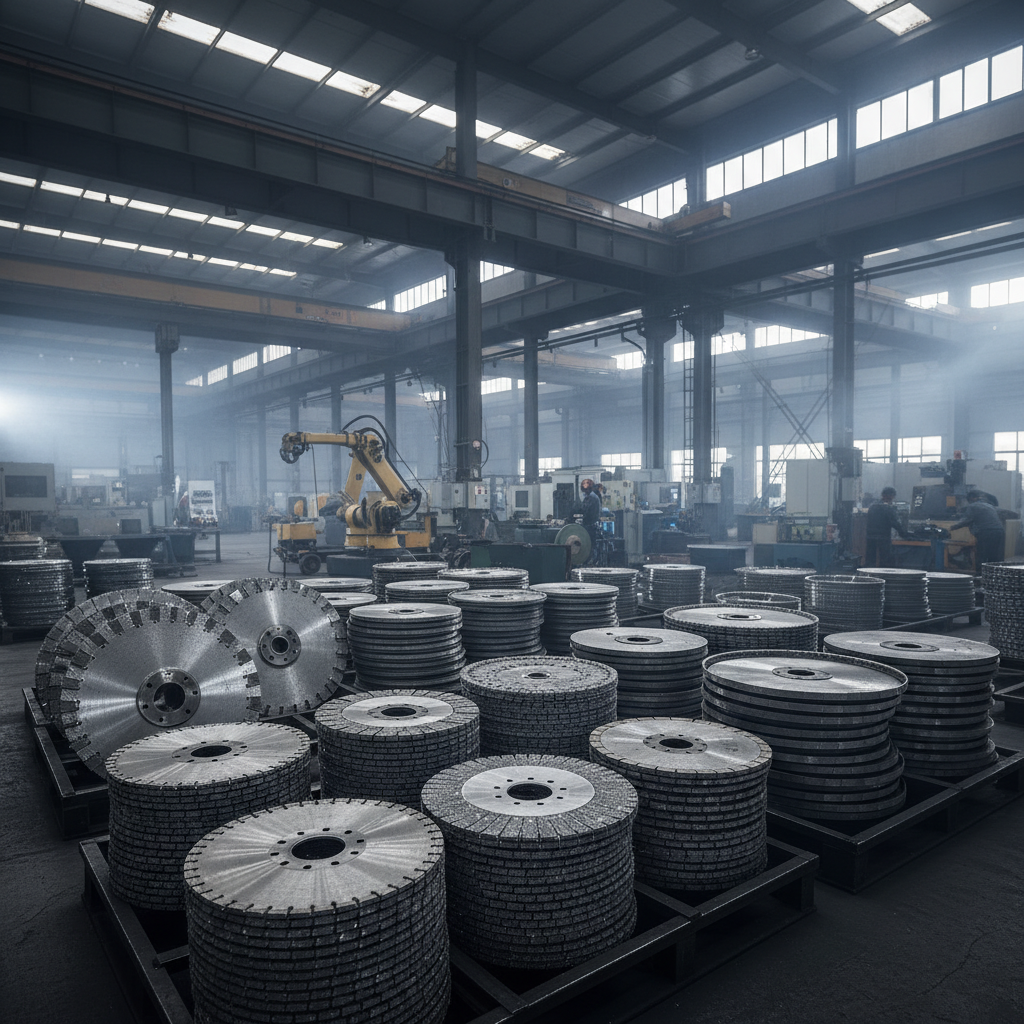
The global construction industry is a multi-trillion-dollar market, and the demand for cement and concrete remains consistently high. This directly impacts the grinder cement blade market, which is experiencing steady growth. According to a report by Grand View Research, the global diamond tools market (which includes grinder cement blades) was valued at USD 7.78 billion in 2022 and is expected to expand at a compound annual growth rate (CAGR) of 5.8% from 2023 to 2030.
This growth is largely driven by infrastructure development in emerging economies, particularly in Asia-Pacific, where urbanization and industrialization are rapidly increasing. The need for efficient and reliable tools like grinder cement blades is paramount to meet these demands. However, environmental regulations and sustainability concerns are also shaping the market, driving demand for blades with longer lifespans and reduced dust emissions.
Supply chain disruptions, fluctuating raw material costs (particularly diamond powder and metal alloys), and the emergence of new competitors are key factors influencing market dynamics. Manufacturers are focusing on innovation, offering specialized blades for niche applications, and implementing sustainable production practices to maintain a competitive edge. The evolution of a grinder cement blade is ever-changing.
Defining a Grinder Cement Blade: Key Characteristics and Composition
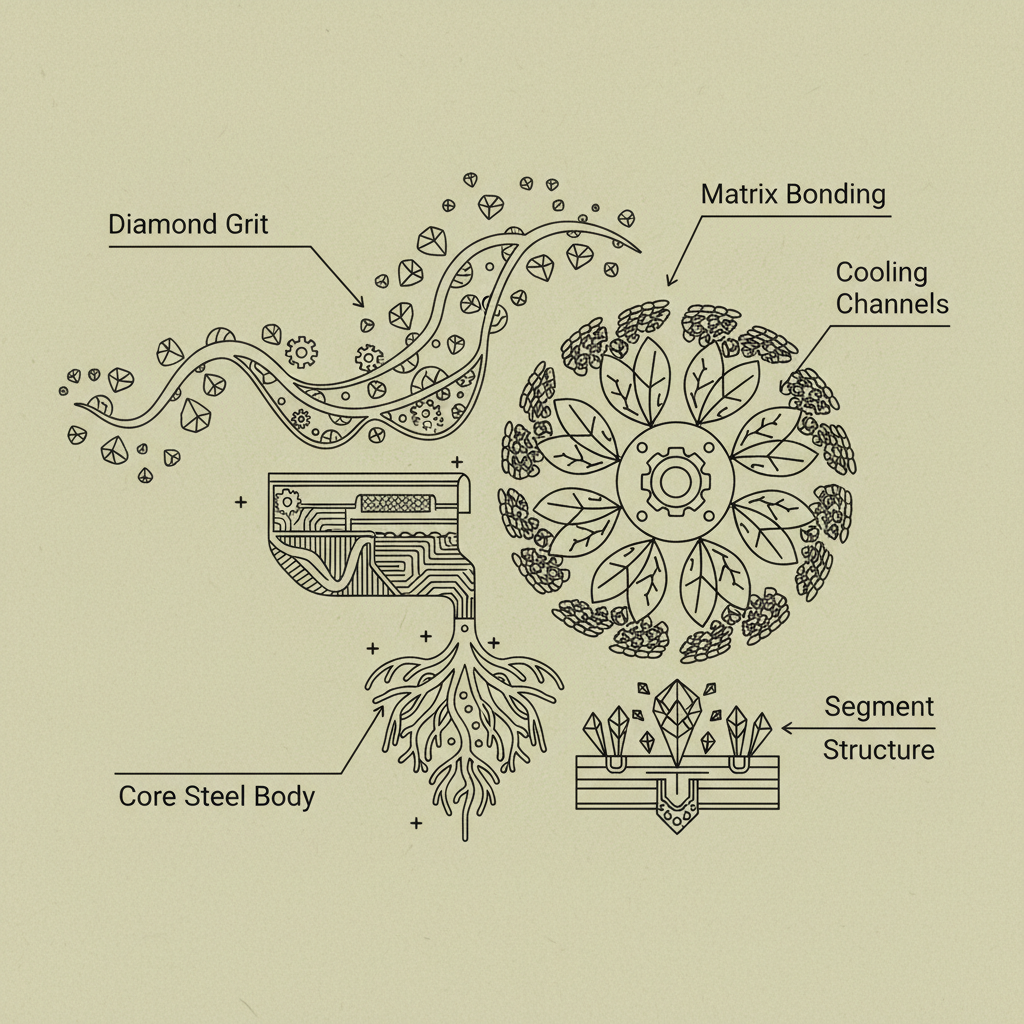
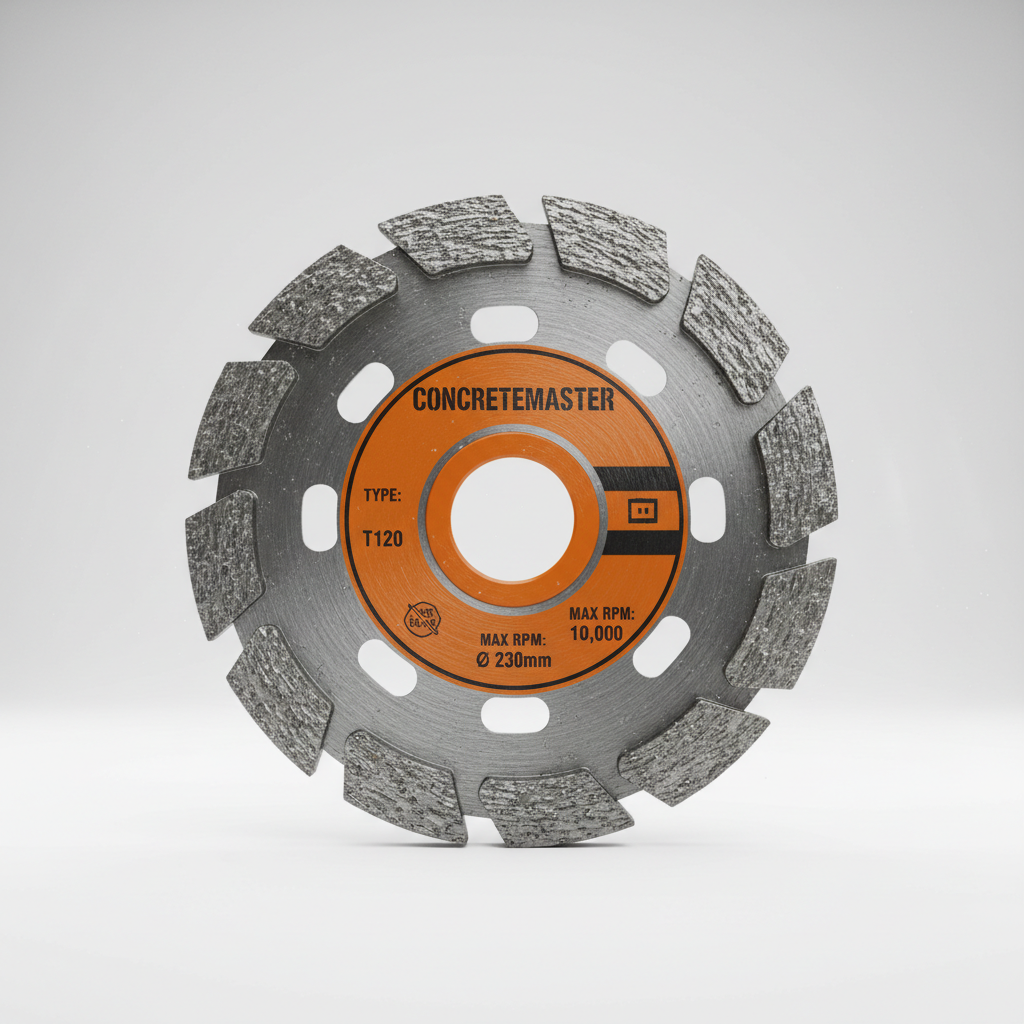
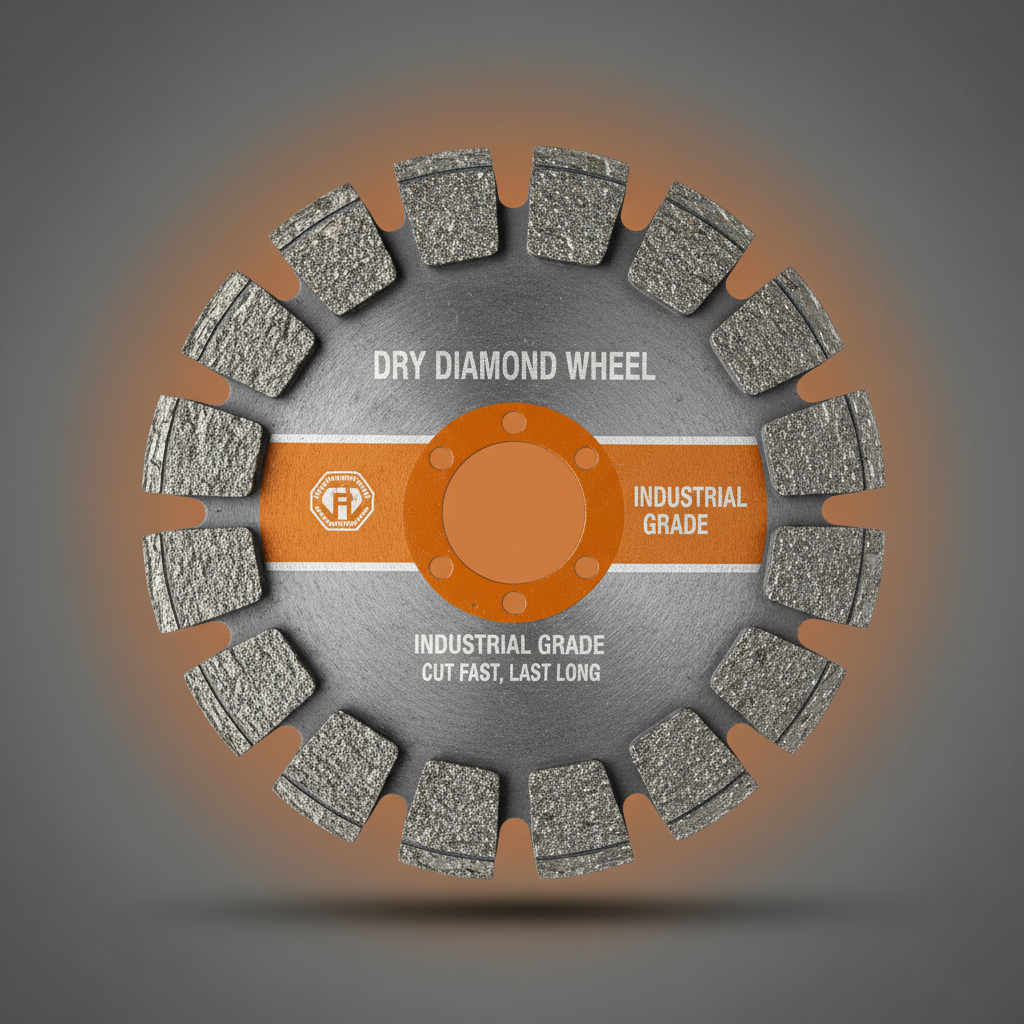
A grinder cement blade is fundamentally a circular cutting tool designed to abrade and remove concrete, cement, and similar materials. It consists of a steel core, often with a central arbor for attachment to a grinder, and cutting segments bonded to the core. The cutting segments are the critical component, typically composed of diamond abrasives bonded with a metal alloy matrix.
The composition of the metal alloy matrix varies depending on the intended application. Softer bonds are used for aggressive cutting of softer materials, while harder bonds are preferred for cutting harder materials and achieving a smoother finish. The quality and size of the diamond abrasives also play a significant role in determining blade performance and lifespan. It’s important to select the right blade based on the material being ground and the desired outcome.
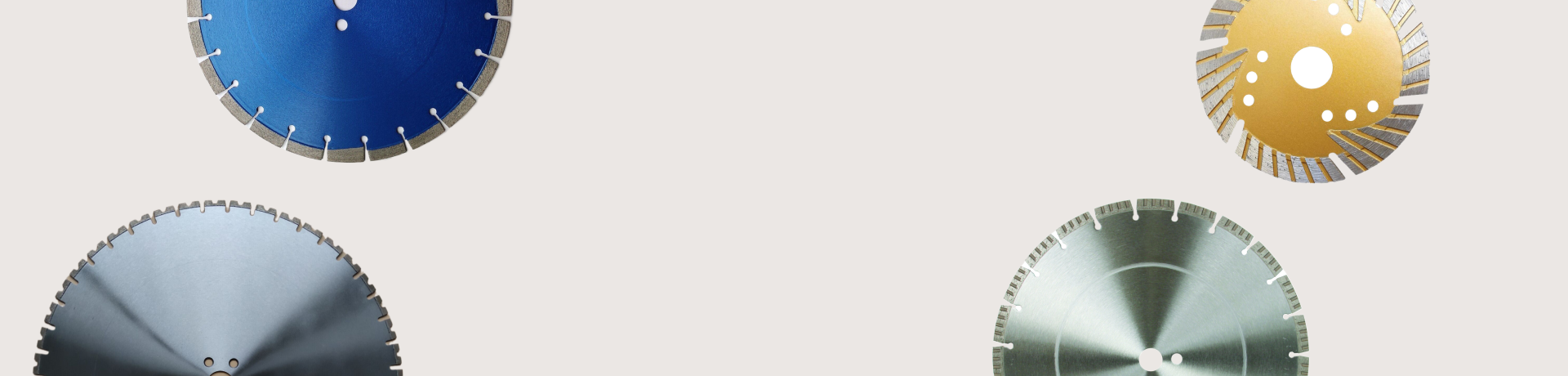
Different blade types cater to specific tasks, including dry grinding, wet grinding, turbo blades (for aggressive material removal), cup wheels (for surface preparation), and continuous rim blades (for smooth finishing). Understanding these variations is crucial for optimizing performance and achieving desired results. Selecting a dependable grinder cement blade ensures project success.
Essential Factors Influencing Grinder Cement Blade Performance
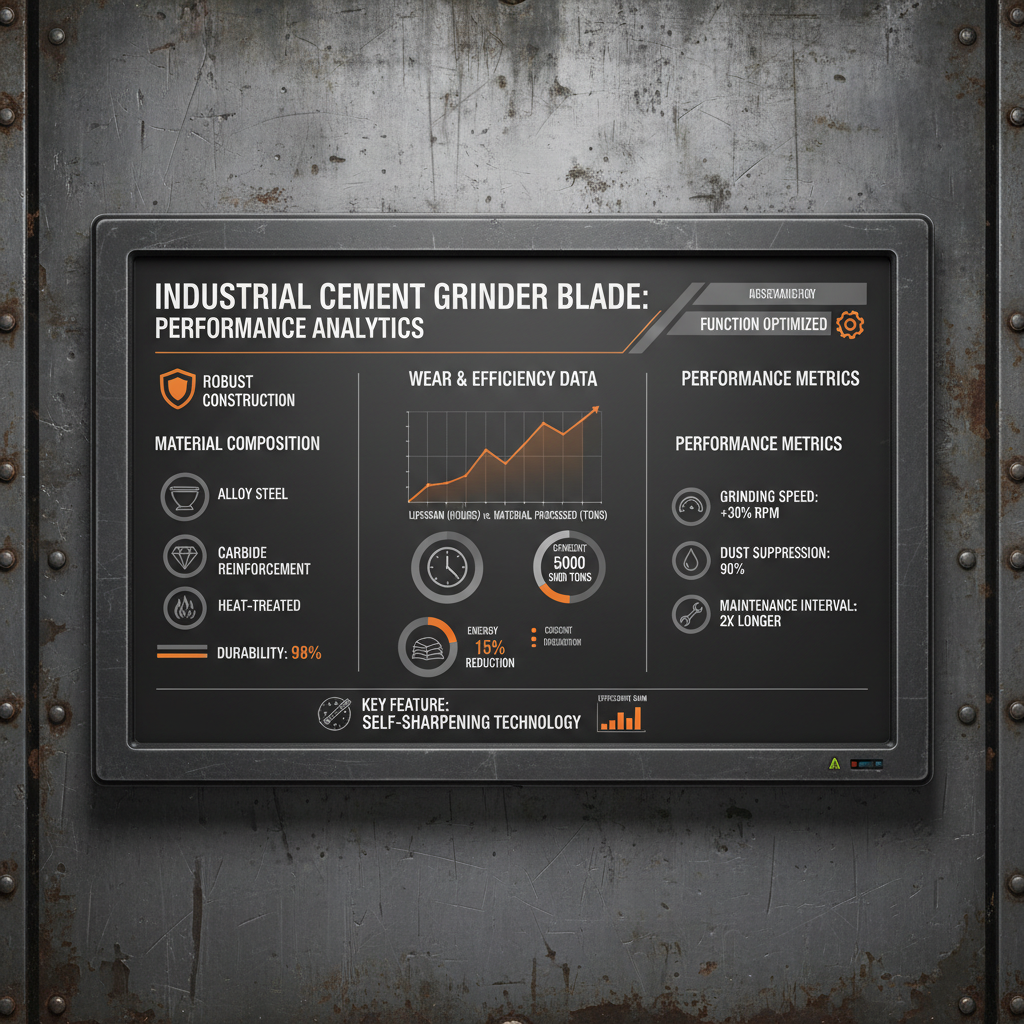
Several key factors dictate the performance and longevity of a grinder cement blade. Durability, linked to the quality of diamond abrasives and the bonding matrix, is paramount. A blade able to withstand significant abrasion and impact without losing cutting efficiency represents a solid investment. Scalability, or the ability to adapt to varying project demands, is another important consideration; different blades are suited to different materials and cutting depths.
Grinder Cement Blade Performance Metrics
Real-World Applications of Grinder Cement Blades Across Industries
Grinder cement blades find application across a remarkably diverse range of industries. In construction, they are essential for preparing concrete surfaces for flooring, coatings, and repairs. The blades are used for removing old tiles, leveling uneven floors, and creating decorative concrete finishes. In the renovation sector, they are indispensable for remodeling kitchens, bathrooms, and other spaces that involve concrete or cement surfaces.
Beyond construction, grinder cement blades are vital in industrial maintenance. They’re used for removing rust, scale, and coatings from metal surfaces, preparing surfaces for welding, and maintaining factory floors. In the stone and masonry industry, these blades are employed for cutting and shaping granite, marble, and other natural stones. The demand for a good grinder cement blade is widespread.
Even in specialized applications like airport runway maintenance and bridge repair, grinder cement blades play a crucial role in ensuring safety and structural integrity. In post-disaster relief operations, they are used for clearing debris and preparing foundations for temporary shelters and infrastructure. The versatility of the grinder cement blade makes it an invaluable tool across numerous sectors.
Advantages and Long-Term Value of Quality Grinder Cement Blades
Investing in high-quality grinder cement blades delivers substantial long-term benefits. Reduced downtime is a primary advantage; blades with superior cutting performance and durability minimize the need for frequent replacements, allowing projects to progress more efficiently. This translates directly into cost savings, as labor and material expenses are reduced. Improved safety is another critical benefit. Reliable blades are less prone to chipping or breaking, minimizing the risk of accidents and injuries.
Furthermore, quality blades produce a cleaner cut, reducing dust and debris, and creating a more professional finish. This is particularly important in applications where aesthetics are a priority. Choosing a reputable brand and selecting the right blade for the specific application can significantly enhance project outcomes. A durable grinder cement blade protects workers and minimizes waste.
Future Trends and Innovations in Grinder Cement Blade Technology
The future of grinder cement blade technology is focused on sustainability, efficiency, and enhanced performance. One key trend is the development of blades with improved dust control systems, such as integrated dust shrouds and vacuum ports, to reduce worker exposure to harmful silica dust. Another area of innovation is the use of advanced bonding materials that extend blade lifespan and improve cutting efficiency.
The incorporation of sensors and data analytics is also emerging, allowing users to monitor blade wear and performance in real-time, optimizing cutting parameters and preventing premature failure. There's a growing emphasis on environmentally friendly manufacturing processes and the use of recycled materials in blade production.
The development of diamond coatings and surface treatments is also gaining traction, enhancing blade durability and reducing the need for frequent sharpening. Ultimately, these advancements are aimed at creating more sustainable, safer, and more cost-effective grinding solutions for the construction and industrial sectors. The modern grinder cement blade will be a smart tool.
Summary of Key Future Trends in Grinder Cement Blade Technology
| Trend Category |
Innovation Focus |
Impact on Performance |
Projected Adoption Rate (1-10) |
| Dust Mitigation |
Integrated Dust Shrouds & Vacuum Ports |
Improved Worker Safety & Air Quality |
8 |
| Bonding Materials |
Advanced Polymer Matrices |
Increased Blade Lifespan & Cutting Efficiency |
7 |
| Sensor Integration |
Real-Time Wear Monitoring & Data Analytics |
Optimized Cutting & Reduced Downtime |
6 |
| Sustainable Materials |
Recycled Metals & Eco-Friendly Bonding Agents |
Reduced Environmental Impact |
5 |
| Diamond Coatings |
Enhanced Diamond Retention & Durability |
Longer Blade Life & Consistent Performance |
7 |
| Smart Blade Technology |
Connectivity & Automated Performance Adjustments |
Maximized Efficiency & Reduced Waste |
4 |
FAQS
Turbo blades feature segmented slots designed for aggressive material removal, making them ideal for rough grinding and fast cutting. They excel at quickly tackling large areas but may leave a coarser finish. Continuous rim blades, on the other hand, have a solid, uninterrupted cutting edge. They are engineered for creating smooth, chip-free finishes and are preferred for polishing or preparing surfaces for coatings. Choosing the correct type of blade depends on your specific project needs – speed and removal rate versus smoothness and precision.
Several techniques can maximize your blade’s lifespan. Avoid excessive pressure during grinding, as this can accelerate wear. Use the appropriate blade for the material you’re cutting – forcing a blade to work on an unsuitable surface will quickly dull it. Regularly inspect the blade for damage and replace it when necessary. Wet grinding, where applicable, helps cool the blade and reduces dust, prolonging its usefulness. Store blades properly in a dry environment to prevent corrosion.
Absolutely. While diamond blades typically have a higher upfront cost, they offer significantly better performance and longevity. Cheaper blades often use lower-quality abrasives and bonding materials, resulting in faster wear and reduced cutting efficiency. A diamond blade can cut through concrete and cement much more quickly and efficiently, saving you time and labor costs in the long run. Their durability also means fewer replacements, further reducing overall expenses.
Safety is paramount. Always wear appropriate personal protective equipment (PPE), including safety glasses, a dust mask or respirator, gloves, and hearing protection. Ensure the workpiece is securely supported and that the grinder is properly grounded. Never operate a grinder with a damaged power cord or blade. Be aware of your surroundings and keep bystanders at a safe distance. Always follow the manufacturer's instructions for safe operation.
While many grinder cement blades can handle a range of materials, it’s crucial to check the blade’s specifications. Some blades are specifically designed for concrete and cement, while others are more versatile. Cutting materials outside the blade’s intended range can lead to reduced performance, premature wear, or even blade failure. Always consult the manufacturer's guidelines for compatibility.
Wet grinding involves using water to cool the blade and suppress dust during operation. This is particularly important when cutting hard materials like granite or tile, as it reduces heat buildup and prolongs blade life. Wet grinding also significantly minimizes the amount of airborne dust, improving air quality and worker safety. Many grinder cement blades are specifically designed for wet grinding and require a water supply to function effectively.
Conclusion
In conclusion, the grinder cement blade is far more than just a cutting tool; it's a critical component in a vast array of industries, driving efficiency, safety, and quality in construction, renovation, and industrial maintenance. Understanding its core functionality, the factors influencing its performance, and the emerging trends shaping its future is essential for professionals and anyone involved in these sectors. Choosing the right blade, employing proper safety practices, and embracing innovative technologies are key to maximizing its benefits.
Looking ahead, the grinder cement blade will continue to evolve, incorporating advancements in materials science, sensor technology, and sustainable manufacturing processes. By staying informed about these developments and adopting best practices, we can unlock even greater potential for efficient, safe, and environmentally responsible grinding operations. To discover the perfect grinder cement blade for your needs, visit our website today at www.mydiamondblade.com.








.png )