
Look, I've spent the last fifteen years on job sites, getting dust in my teeth and concrete on my boots. I’ve seen cutting tools fail at the worst possible moments, costing time, money, and sometimes even safety. That’s why understanding the nuances of a good dry diamond wheel isn’t just about specs on a page – it’s about keeping a project moving and guys safe. We're talking about efficiency, durability, and getting the job done right the first time. Forget the fancy marketing; it comes down to real-world performance.
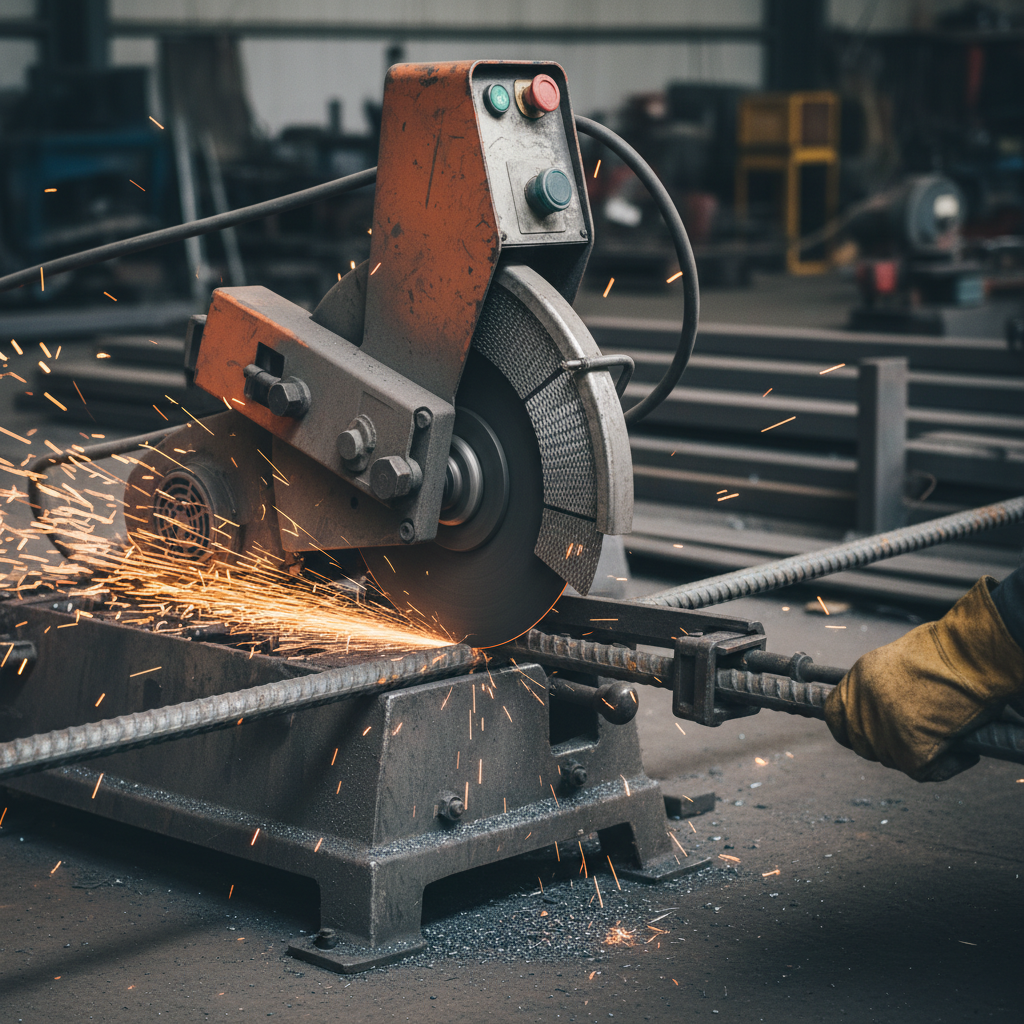
For years, the industry standard was wet cutting – messy, requiring water management, and slowing everything down. But dry diamond wheel technology has changed the game. It allows for cleaner, faster cuts, especially in situations where water isn’t readily available or its use is restricted. From concrete and asphalt to tile and stone, the versatility is a huge plus. This isn’t some new gimmick; it’s a practical solution to long-standing problems.
And it's not just about convenience. The initial cost of a quality dry diamond wheel might be higher, but when you factor in reduced downtime, less mess, and longer wheel life, the long-term savings are significant. I've seen crews switch over and immediately notice a bump in productivity. That translates to getting projects completed on time and under budget – something everyone in this business appreciates.
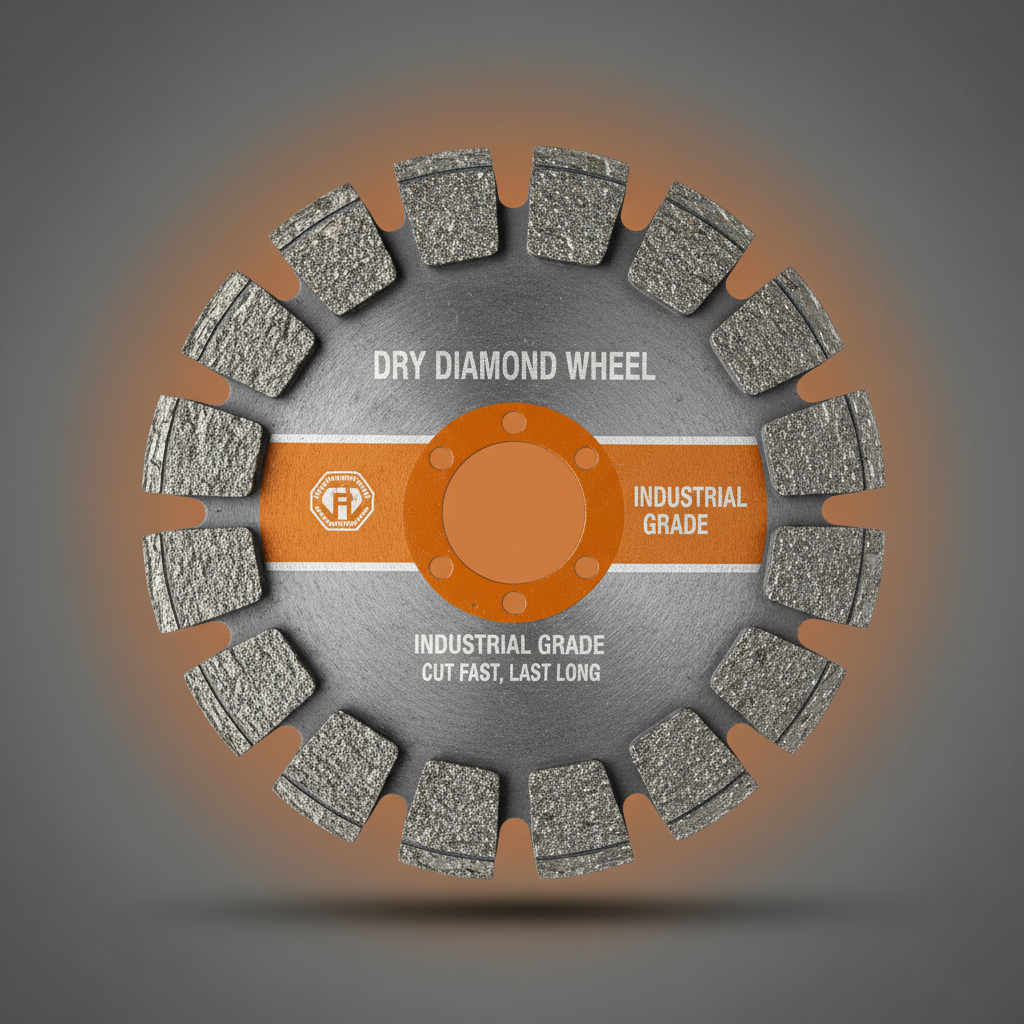
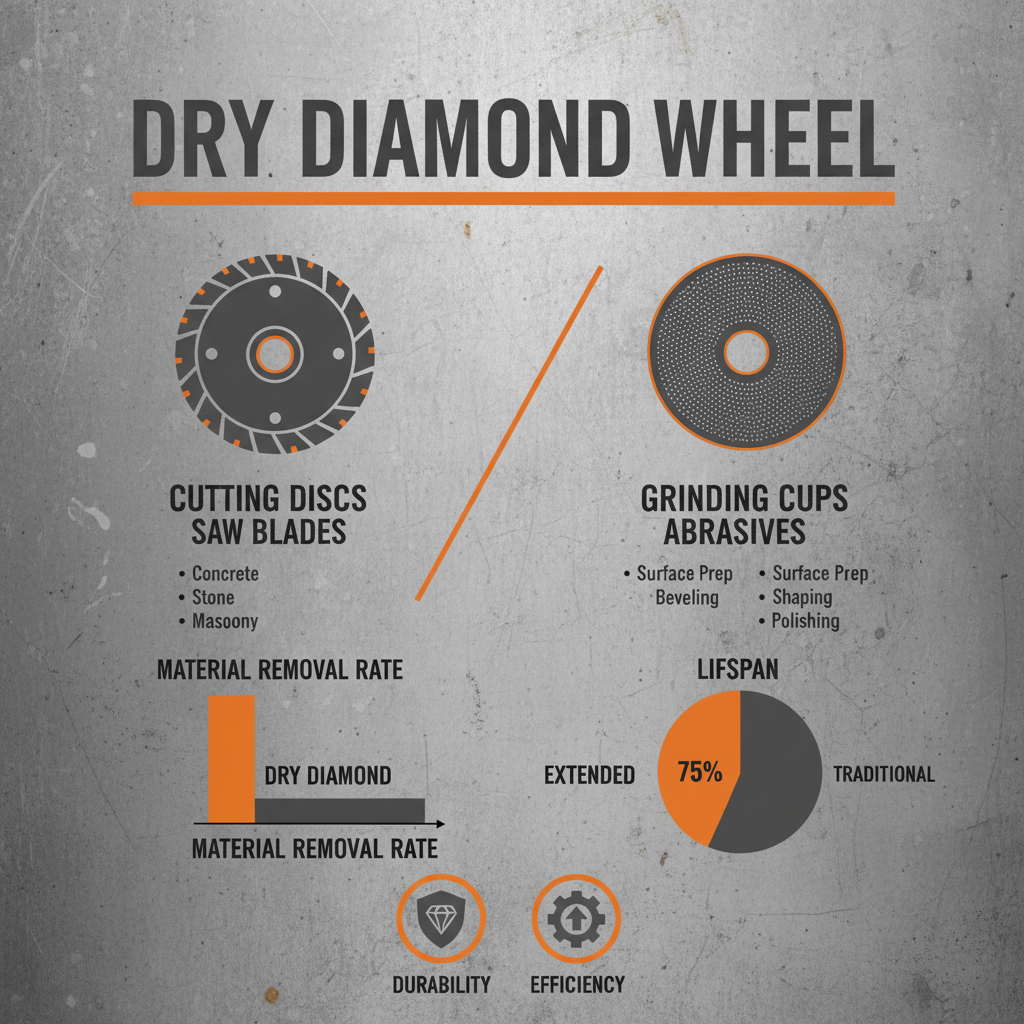
Honestly, the biggest benefit I see on site is speed. No more waiting for water trucks or dealing with the cleanup. A dry diamond wheel lets crews cut and move faster. This is critical, especially on tight schedules or in confined spaces. We aren’t just talking about shaving off minutes; we’re talking about potentially adding hours of productive work time each day.
Another huge plus is the reduction in dust. While you still need proper dust control measures, dry cutting inherently generates less slurry, making cleanup easier and improving air quality. That's a win for worker health and site safety, which are always top priorities.
Safety is paramount. Always wear appropriate personal protective equipment, including safety glasses, a dust mask or respirator, and hearing protection. Ensure the workpiece is securely clamped, and avoid applying excessive pressure to the wheel. Regularly inspect the wheel for cracks or damage before use. Dust extraction is crucial for both your health and a cleaner worksite.
The lifespan of a dry diamond wheel depends on the material you’re cutting and how aggressively you use it. Look for signs of wear, like reduced cutting speed or chipped segments. As a general rule, replace the wheel when it becomes noticeably less efficient or if you suspect structural damage. A dull wheel isn’t just ineffective; it's also potentially dangerous.
Not necessarily. Ensure your angle grinder is compatible with the wheel’s arbor size and has the appropriate safety guard. Always check the grinder’s maximum RPM rating and ensure it doesn't exceed the wheel’s maximum operating speed. Using an incompatible wheel can lead to serious injury.
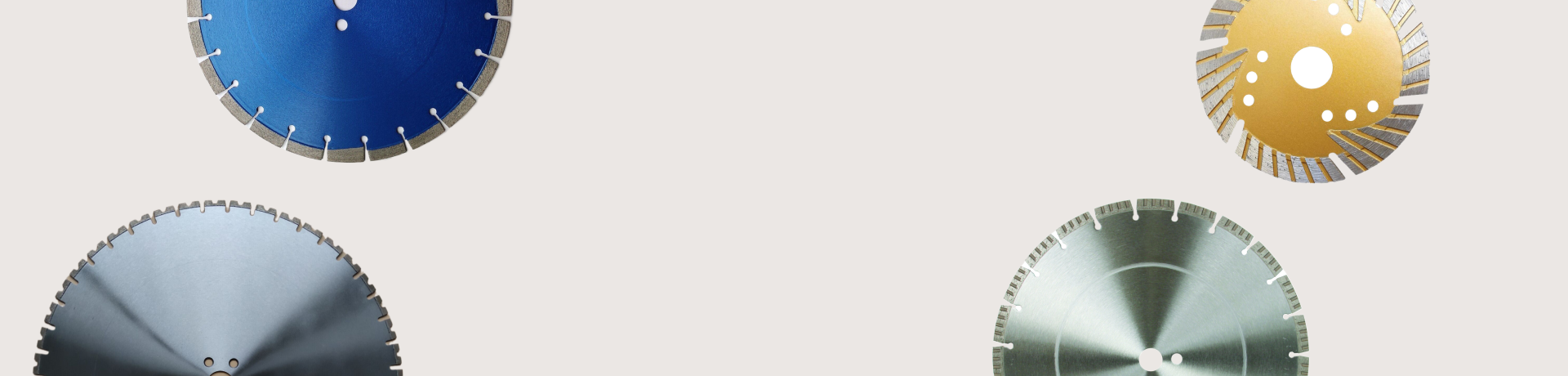
Segmented rims are generally faster cutting and provide better cooling, making them suitable for general-purpose applications. Continuous rims offer cleaner, more precise cuts, ideal for materials like tile or stone where chip-free edges are essential. Choosing the right rim depends on the material you’re cutting and the desired finish.
While dry cutting eliminates the time spent managing water, it’s not always inherently faster. The cutting speed depends on the wheel quality, material type, and operator technique. In some cases, wet cutting can actually be faster, especially with very dense materials. However, the convenience and reduced cleanup of dry cutting often make it a more efficient overall process.
Store your dry diamond wheel in a dry, protected environment. Avoid dropping or impacting the wheel, as this can damage the diamond segments. Protect it from moisture and extreme temperatures. Proper storage will help prolong the wheel’s lifespan and maintain its cutting performance.
Ultimately, a quality dry diamond wheel is more than just a cutting tool; it's an investment in efficiency, safety, and long-term cost savings. Understanding the nuances of wheel construction, material compatibility, and proper usage can significantly impact project outcomes. It's about working smarter, not harder.
Don't just grab the cheapest wheel you can find. Take the time to assess your needs, choose a wheel that’s appropriate for the job, and prioritize safety. Properly maintained, a good dry diamond wheel will consistently deliver reliable performance and help you get the job done right. For a wide selection of high-quality diamond blades and expert advice, visit our website: www.mydiamondblade.com.



Address
No.30 Gaoying Road ,Chang'an District,Shijiazhuang,Hebei Province
Business Hours
Mon to Saturday : 8.00 am - 7.00 pm
Sunday & Holidays : Closed



.png )