Precision and Shine in Every Drop: Discover the Power of Wet Polishing Pads
For craftsmen, contractors, and surface finishers alike, achieving a flawless polish on stone and concrete surfaces is a non-negotiable standard. That’s where wet polishing pads truly shine—offering brilliant luster, minimal dust, and enhanced polishing control. Whether you're working on granite countertops, concrete floors, or engineered stone, wet concrete polishing pads like the 4 in JHX wet diamond polishing pads for granite concrete deliver the reliability and performance needed for both commercial and artistic applications. From professional workshops to industrial projects, demand for high-performance wet polishing pads continues to rise—and for good reason.
Abrasive Composition of Wet Polishing Pads Determines the Final Finish
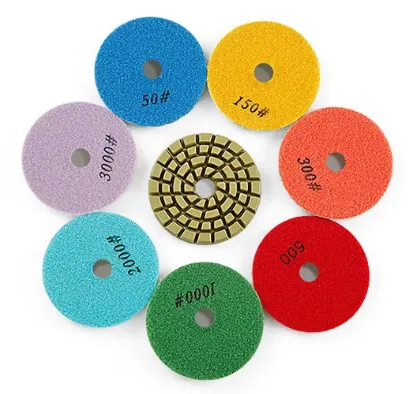
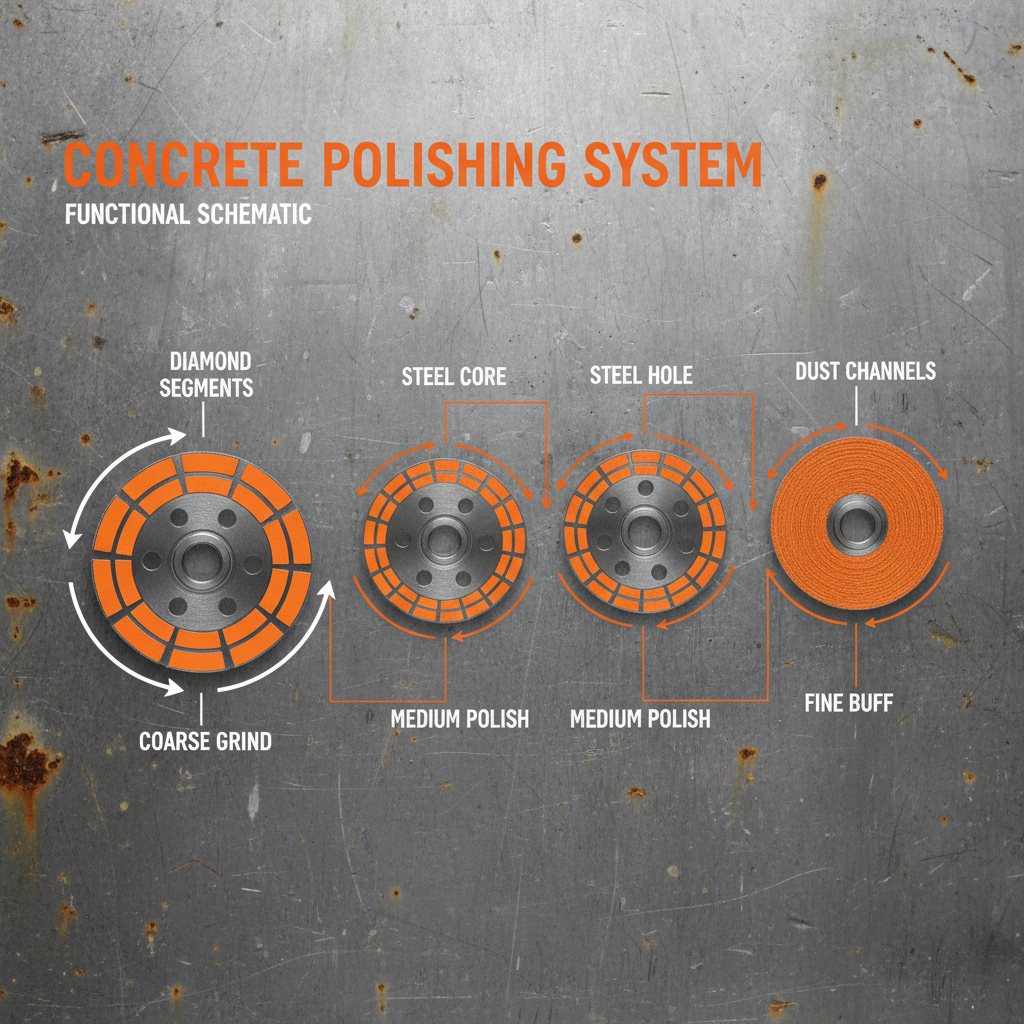
The choice of abrasive material in wet polishing pads significantly influences the polishing efficiency and the finish clarity. Premium wet polishing pads are typically embedded with synthetic diamond particles, which are uniformly distributed throughout a flexible resin matrix. The size, sharpness, and density of these diamond particles dictate how aggressively the pad cuts into the surface and how fine the finish will be.
For example, 4 in JHX wet diamond polishing pads for granite concrete utilize high-grade diamonds that cut quickly without damaging delicate veining or causing over-polishing. This ensures that surfaces such as marble, granite, and terrazzo maintain their natural beauty while achieving an even, scratch-free shine. Meanwhile, budget-grade pads may lose sharpness quickly or leave swirl marks due to uneven wear.
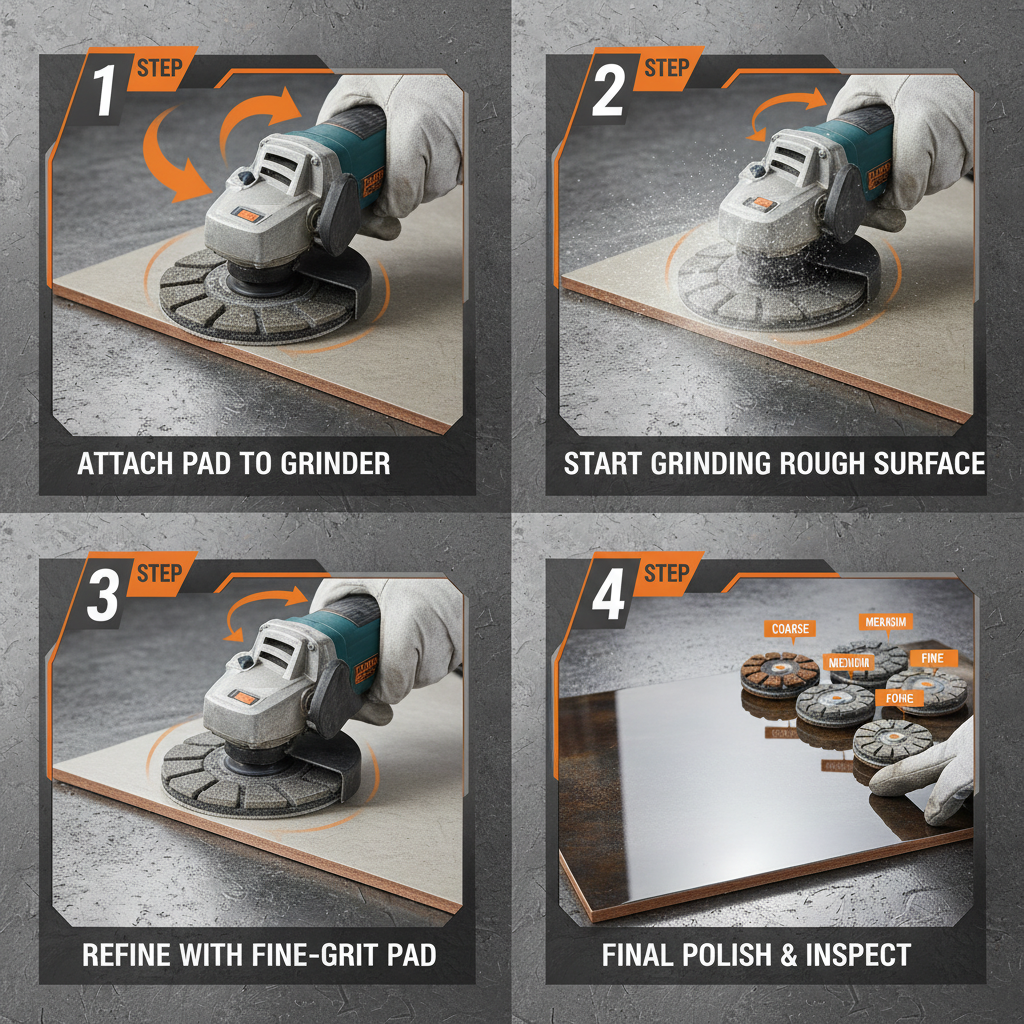
Choosing the right grit sequence—from coarse to ultra-fine—based on the stone or concrete type ensures optimal results and maximum pad longevity. When sourced from a reputable wet polishing pads factory, users can rely on consistent quality and durable construction that withstands the rigors of repeated use.
The Role of Friction Coefficient in Polishing Stability
The friction coefficient of wet polishing pads plays a crucial role in stability and control during polishing. Pads with an optimized coefficient ensure that while sufficient traction is maintained for effective polishing, the operator doesn't experience excessive resistance or vibration that could compromise the finish.
Higher friction levels in poorly designed pads can cause uneven polishing, tool instability, and even surface scorching, especially when used with high-speed rotary tools. Quality wet concrete polishing pads are engineered to balance traction with glide—allowing for smooth transitions across complex surface contours.
The combination of water as a lubricant and diamond abrasives with a controlled coefficient of friction makes wet polishing pads ideal for large-format polishing jobs where stability and comfort are key to maintaining operator efficiency over long periods.
Safety Considerations When Using Wet Polishing Pads
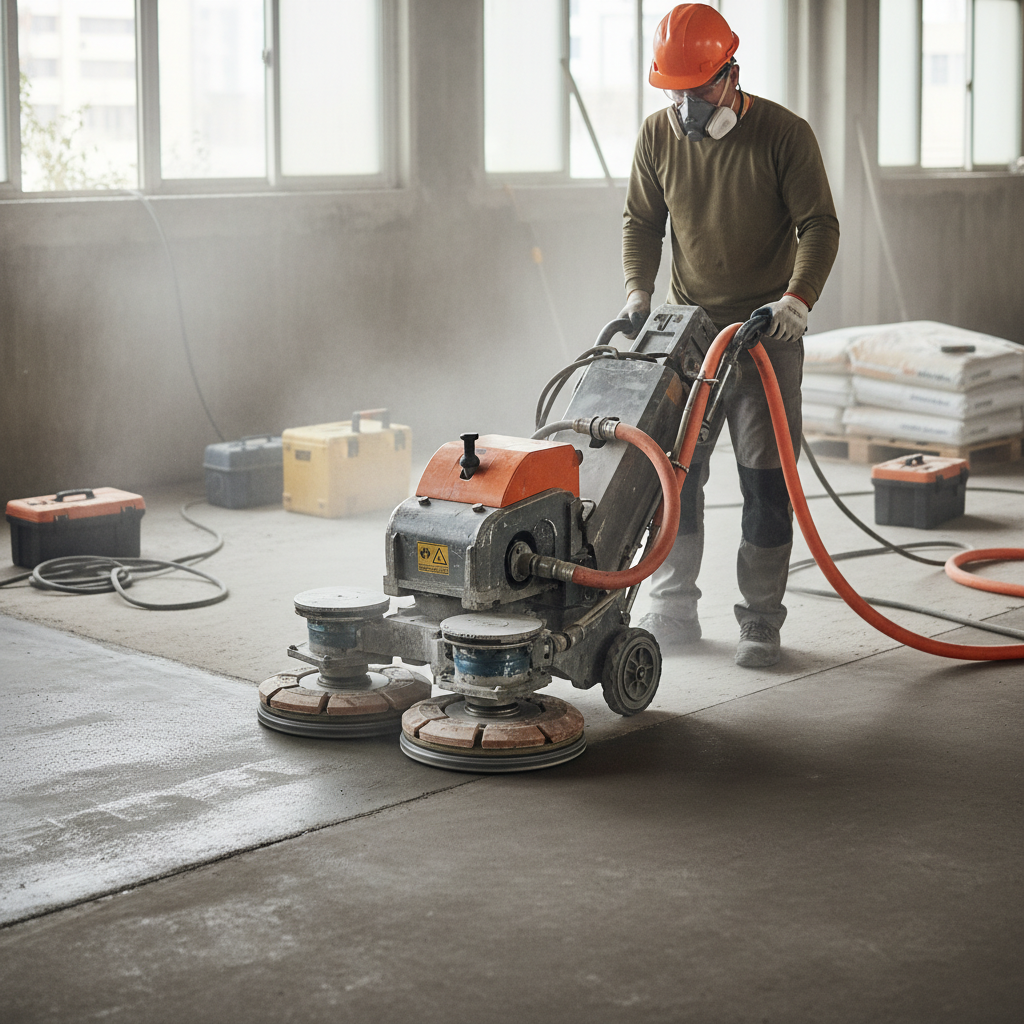
Using wet polishing pads provides a cleaner and more controlled experience than dry polishing, but safety remains paramount. Since water is involved, electrical tools must be rated for wet conditions and equipped with proper ground fault protection. Operators should wear insulated gloves and non-slip footwear to reduce the risk of electrical shock.
When using tools with wet concrete polishing pads, protective eyewear is essential to guard against high-speed water and slurry spray. Ear protection may also be necessary when working with high-RPM grinders. Pads like the 4 in JHX wet diamond polishing pads for granite concrete often operate at elevated speeds, and any debris caught between the pad and surface can become a safety hazard if not properly flushed away with water.
Proper pad attachment is also critical. Loose or improperly secured wet polishing pads can lead to accidents or surface damage. Always ensure the backing pad is clean, the hook-and-loop system is intact, and the tool’s RPM rating is within the pad’s specifications.
Wet Polishing Pads and Their Versatility Across Industries
With their superior finish quality and user-friendly operation, wet polishing pads have found widespread use beyond just stone polishing. In construction, they are favored for concrete floor refinishing, edge profiling, and restoration work. In high-end interior design, wet concrete polishing pads deliver mirror-like surfaces on kitchen counters, stair treads, and wall cladding.
The popularity of the 4 in JHX wet diamond polishing pads for granite concrete stems from their exceptional flexibility, making them suitable for both flat and curved surfaces. Their smaller diameter allows users to reach tight corners and detailed contours, making them indispensable for customized architectural work.
Moreover, industrial demand for consistent, reproducible finishes has driven manufacturers to innovate and improve product durability. Today’s wet polishing pads factory operations produce a variety of pad types, diameters, and grit levels tailored to both machine type and material hardness—ensuring end-users can match the exact pad to their job.
Wet Polishing Pads FAQs
How do wet polishing pads differ from dry pads in performance?
Wet polishing pads use water to cool the surface, reduce dust, and enhance polishing clarity. They’re better for prolonged work on heat-sensitive materials like granite and marble, whereas dry pads are more suitable for quick or indoor polishing where water use is limited.
Can wet concrete polishing pads be used on epoxy or resin floors?
Yes, many high-quality wet concrete polishing pads can be used on epoxy and resin coatings, especially when surface preparation or gloss enhancement is needed. Always test on a small area to ensure compatibility.
What’s special about 4 in JHX wet diamond polishing pads for granite concrete?
These pads combine high-grade diamond abrasives with durable backing for superior flexibility and cutting power. They’re especially effective for detailed polishing on granite, concrete, and stone without causing swirl marks or overheating.
How do I store wet polishing pads to maximize their life?
After each use, rinse thoroughly with clean water and allow to air dry. Store in a cool, dry location away from direct sunlight to prevent resin degradation and maintain flexibility.
Are products from a wet polishing pads factory better than retail brands?
Yes, factory-direct wet polishing pads often offer better quality control, customized grit selections, and superior bonding techniques. Buying directly from a trusted factory ensures consistency and competitive pricing.
Related Products
Related Products





Address
No.30 Gaoying Road ,Chang'an District,Shijiazhuang,Hebei Province
Business Hours
Mon to Saturday : 8.00 am - 7.00 pm
Sunday & Holidays : Closed
.png )