
Precision Redefined: Choose the Right TCT Wood Cutting Blade for Superior Results
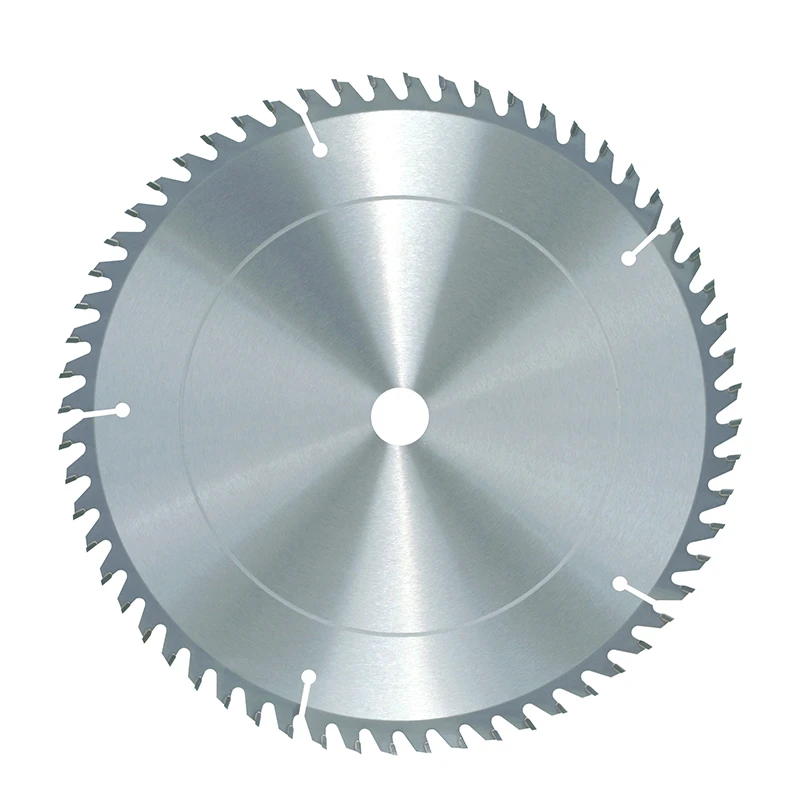
When it comes to achieving clean, smooth, and precise cuts in wood processing, the choice of saw blade is critical. The tct wood cutting blade stands as a leading solution for carpenters, manufacturers, and DIY enthusiasts who demand performance, durability, and versatility. Engineered with tungsten carbide tips and advanced structural designs, the tct wood cutting saw blade adapts effortlessly to a wide range of materials including solid wood, particleboard, plywood, and laminate. This article explores the most important considerations in selecting and applying a tct wood cutting blade, and why it’s regarded as the answer to the question: what saw is best for cutting wood.
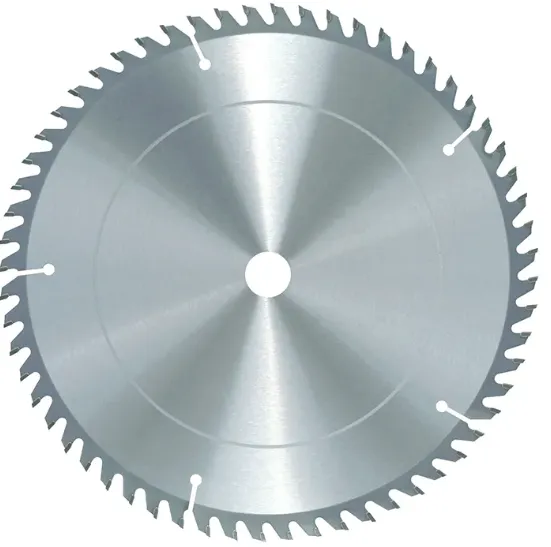
How to Select the Right Base Material for TCT Wood Cutting Blade
The core of every tct wood cutting blade is its base material—commonly referred to as the plate. The plate ensures the structural integrity of the blade during high-speed rotation. High-quality tct wood cutting saw blade plates are typically made from alloy tool steel, offering the perfect combination of tensile strength and resistance to warping or deformation under heat.
Distinguishing between premium and inferior base materials is essential. A good tct wood cutting blade base will have a uniform grain, be free of inclusions or cracks, and undergo a flattening process to ensure even rotation. Inferior plates often cause wobbling, uneven cuts, and excessive wear on the saw’s motor. Look for markings or documentation indicating laser balancing and heat treatment—hallmarks of a professionally crafted tct wood cutting saw blade.
TCT Wood Cutting Blade:High-Toothed vs. Low-Toothed TCT Blades
To optimize your cutting results, understanding the tooth count of a tct wood cutting blade is key. High-toothed blades (e.g., 60–100 teeth) deliver ultra-fine cuts, making them ideal for laminate boards, MDF, and veneered plywood where surface chipping must be avoided. These blades offer slow feed rates but unmatched smoothness.
In contrast, low-toothed tct wood cutting saw blades (e.g., 24–40 teeth) are perfect for ripping through solid wood and construction-grade particleboard. They excel in faster cuts and aggressive feed rates, although they may leave a rougher edge, especially on delicate surfaces.
For carpenters working with multiple materials, using both types ensures flexibility. Ask any expert what saw is best for cutting wood, and they’ll likely recommend matching your tct wood cutting blade’s tooth geometry to the task: ATB (Alternate Top Bevel) for fine crosscuts and FTG (Flat Top Grind) for ripping.
TCT Wood Cutting Blade:Silencing Grooves
One of the most critical innovations in tct wood cutting blades is the addition of silencing grooves—laser-cut expansion slots that effectively minimize noise and vibration during operation. When a blade spins at high RPM, vibration can cause both sound pollution and blade instability, which affects cut accuracy and safety.
These grooves—often filled with resin or left open in high-performance models—absorb oscillations and help maintain a stable cutting path. For users working in residential areas, workshops, or commercial spaces where sound control matters, the reduced decibel output of a silenced tct wood cutting saw blade is a significant advantage.
Moreover, reduced vibration means less fatigue for the operator and a longer lifespan for the saw machine itself. Whether used in table saws, circular saws, or miter saws, these advanced features place the tct wood cutting blade far ahead of conventional steel blades.
TCT Wood Cutting Blades in Advanced Applications
Beyond furniture making and carpentry, the tct wood cutting blade is now widely used in modular housing, interior design, flooring installation, and prefab component production. This is due to its exceptional durability when cutting abrasive materials like engineered wood and coated panels.
Professionals seeking ultra-high performance turn to fine-grade tct wood cutting saw blades for laser-guided panel saws and CNC-controlled woodworking centers. The high hardness of the tungsten carbide teeth ensures extended cutting life with fewer blade changes, which translates into reduced downtime and labor cost.
Also gaining popularity are multi-purpose tct wood cutting blades that feature variable pitch and tooth angles—designed to cut through wood embedded with screws, nails, or hardware without chipping the carbide tips. This innovation further expands the utility of these blades in construction and demolition environments.
TCT Wood Cutting Blade FAQs
What factors determine the quality of a tct wood cutting blade?
The key factors include the type of tungsten carbide used, the blade’s base material, tooth count, tooth geometry, and additional features like silencing grooves or non-stick coatings. High-quality blades offer cleaner cuts, longer life, and reduced noise.
Can a tct wood cutting saw blade be sharpened?
Yes. A tct wood cutting saw blade can be resharpened multiple times by professionals using diamond grinding equipment. Regular sharpening extends the blade's lifespan and maintains cutting accuracy.
What tooth configuration is best for solid wood?
For ripping solid wood, a tct wood cutting blade with fewer teeth and a Flat Top Grind (FTG) is ideal. For cross-cutting or finer work, a higher tooth count with an Alternate Top Bevel (ATB) is more appropriate.
Does the size of the saw matter when choosing what saw is best for cutting wood?
Yes. Saw size and RPM must match the blade’s specifications. For example, using a high-tooth tct wood cutting blade on a low-powered saw can result in burning or poor performance. Always match blade diameter and arbor size correctly.
Are tct wood cutting saw blades safe for cutting laminate flooring?
Absolutely. In fact, they are preferred due to their ability to deliver chip-free cuts. Just ensure you're using a fine-toothed blade designed specifically for laminate and that the silencing features are present to reduce kickback and noise.
Related Products
Related Products






Address
No.30 Gaoying Road ,Chang'an District,Shijiazhuang,Hebei Province
Business Hours
Mon to Saturday : 8.00 am - 7.00 pm
Sunday & Holidays : Closed
.png )