Shine Without Water: The Ultimate Advantages of Dry Polishing Pads
In modern construction, surface finishing is as crucial as structural integrity. When it comes to polishing hard materials with speed and precision—without the need for water—dry polishing pads emerge as a revolutionary solution. Designed for flexibility, portability, and unmatched performance, dry concrete polishing pads and diamond dry polishing pads offer an efficient answer for professionals seeking clean, fast, and flawless polishing on site.
Dry Polishing Pads vs. Wet Pads: Key Application Differences
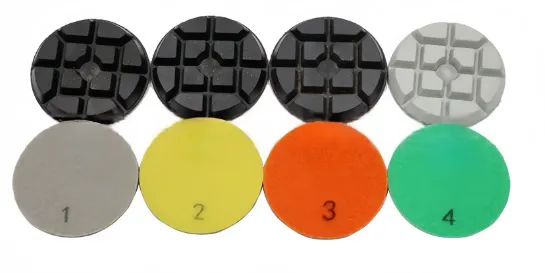
The most common question professionals ask is: how do dry polishing pads compare with wet pads? The answer lies in their application flexibility and performance conditions. While wet pads rely on water as a coolant and dust suppressor, dry polishing pads are engineered with heat-resistant resins and high-grade diamond particles to withstand high friction without cracking or melting.
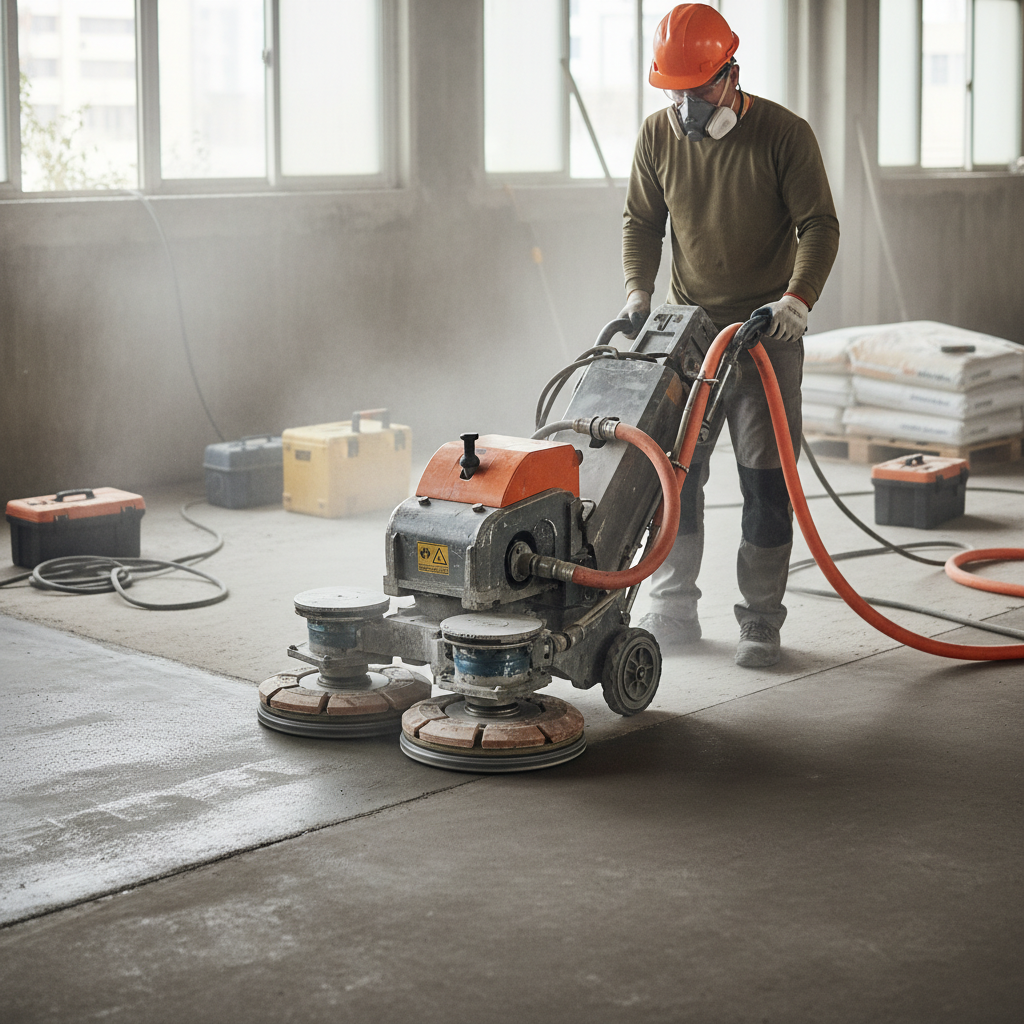
This makes dry concrete polishing pads ideal for environments where water usage is restricted or inconvenient—such as indoor renovations, retail spaces, or restoration work. Moreover, dry polishing pads eliminate the cleanup time associated with wet slurry, offering significant time savings.
In contrast, wet pads are better suited for softer stones or when working continuously on a large area with minimal dust control. But for on-the-go polishing and in delicate environments where precision matters, diamond dry polishing pads are the clear winner.
Can Dry Polishing Pads Be Used on Ceramic and Tile Surfaces?
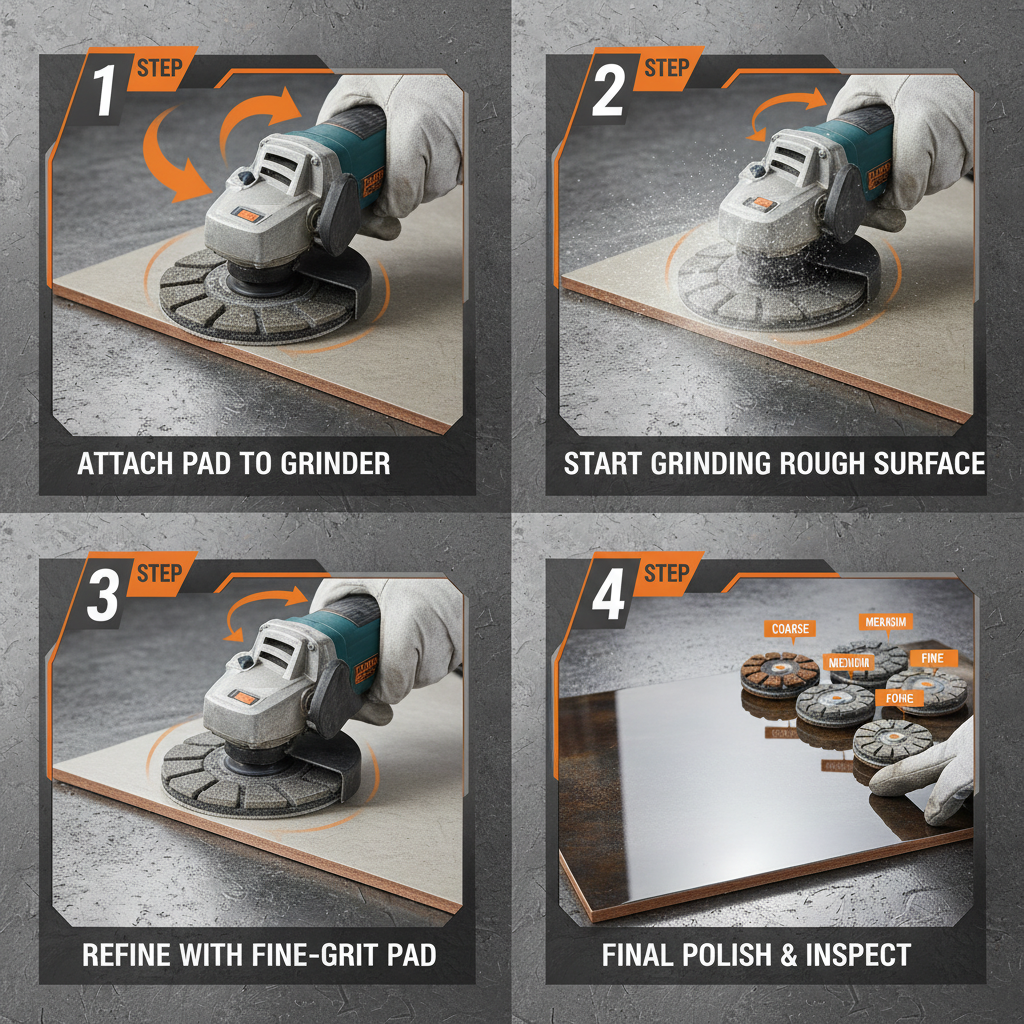
Absolutely. The advanced bond technology and fine grit structure of dry polishing pads make them perfect for ceramic tiles, porcelain, and vitrified surfaces. Whether you're refining the edge of a countertop or restoring the surface of a decorative tile, dry polishing pads deliver uniform luster without cracking the surface.
Ceramics are prone to chipping under excessive pressure or poor heat management. That’s where diamond dry polishing pads excel. Their superior heat dissipation and consistent diamond distribution allow professionals to achieve glossy finishes without the need for water or coolants.
With modern construction trends increasingly embracing materials like terrazzo, engineered stone, and tile mosaics, dry concrete polishing pads have expanded far beyond concrete, becoming a trusted choice in artistic, architectural, and custom interior applications.
Explosive Growth: The Market Demand for Dry Polishing Pads
The rise in dust-free, water-free, and environmentally conscious job sites has fueled an unprecedented demand for dry polishing pads. Builders, fabricators, and remodelers alike are shifting to diamond dry polishing pads not only for their performance but also for the cost savings in labor and cleanup.
Small-scale contractors especially favor dry concrete polishing pads because they allow for quick job turnaround without complex water containment systems. This is particularly valuable in urban high-rise projects, hotels, hospitals, and commercial interiors where water spillage must be minimized.
The global trend toward DIY home improvement and portable tool systems has also given dry polishing pads a major push in retail hardware markets. As handheld polishers and multi-speed grinders become more affordable and accessible, so too has the demand surged for compatible, professional-grade dry polishing pads.
Why Diamond Quality Matters in Dry Polishing Pads
Unlike traditional abrasives, diamond dry polishing pads rely on micron-sized diamond particles to deliver a refined finish with minimal passes. The quality and consistency of these diamond particles directly influence pad longevity, polishing speed, and the clarity of the final shine.
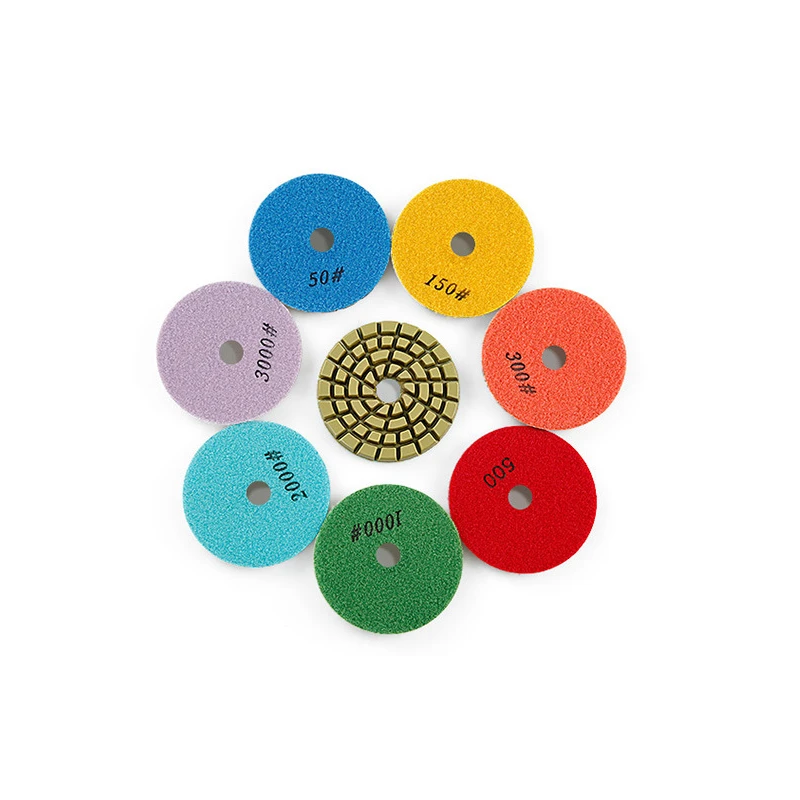
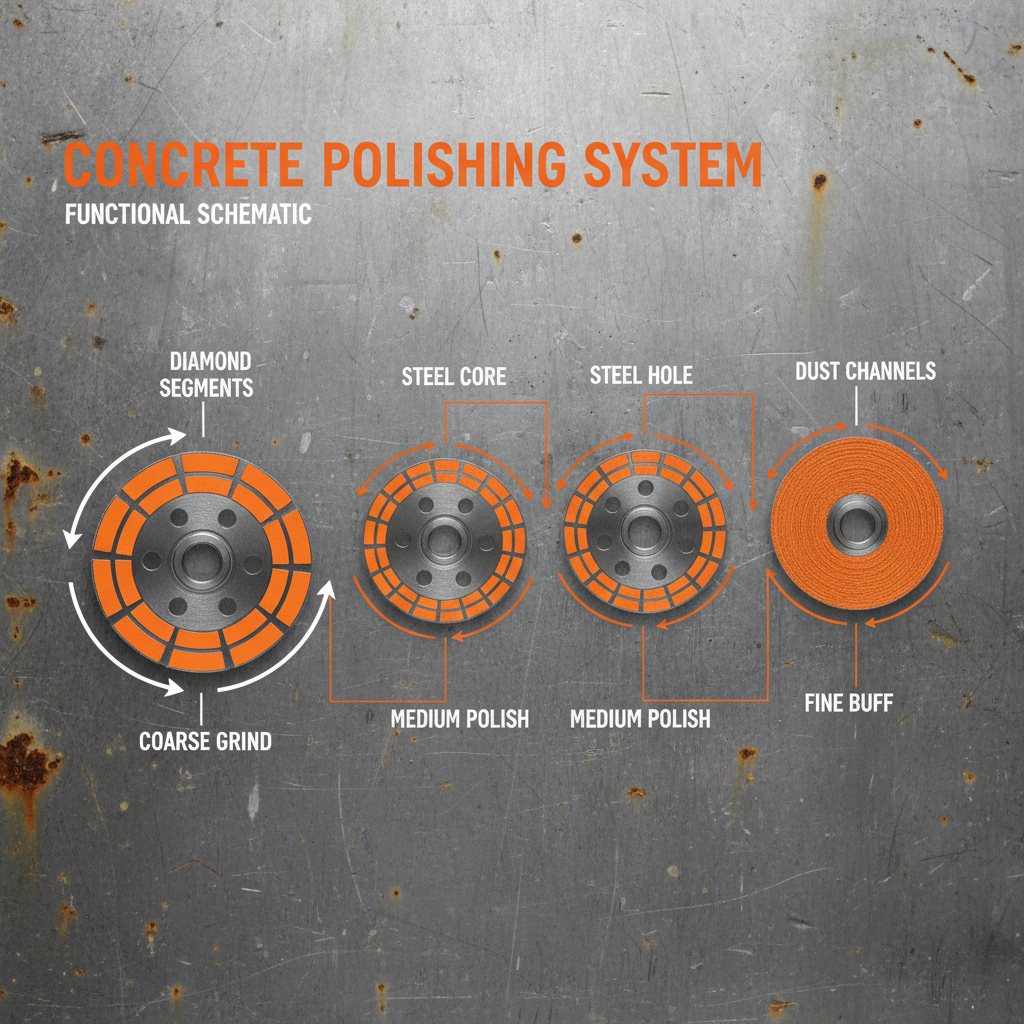
High-end dry polishing pads often feature layered construction, where each grit level is backed by flexible resin to adjust to surface variations while avoiding swirl marks. For concrete polishing, dry concrete polishing pads with aggressive lower grits (such as 50 or 100) initiate grinding, while higher grits (up to 3000) bring out the mirror finish. The result? Seamless surfaces, reduced labor, and fewer pad replacements.
Professionals looking for durability, precision, and shine consistently choose diamond dry polishing pads for materials like granite, marble, quartz, terrazzo, and epoxy overlays—surfaces where shine and scratch-free finishes are not negotiable.
Dry Polishing Pads FAQs
Can dry polishing pads replace wet polishing pads completely?
In many scenarios, yes. Dry polishing pads are ideal where water is restricted or cleanup time is limited. However, wet pads may still be preferred for softer stones or continuous large-area polishing.
Are dry concrete polishing pads suitable for outdoor concrete floors?
Yes. They perform well on cured concrete patios, driveways, and steps, especially in jobs that require quick results without water or slurry disposal.
Can diamond dry polishing pads be used with any grinder or polisher?
Most diamond dry polishing pads are compatible with standard variable-speed angle grinders or orbital polishers. Always match the backing system (e.g., hook-and-loop) and RPM rating to the tool.
What grit sequence should be used with dry polishing pads?
Start with coarser grits (50–100) for shaping or leveling, then progress through 200, 400, 800, and up to 3000 for a high-gloss finish. Skipping grits may reduce surface clarity.
Are dry polishing pads safe for indoor use?
Yes, but always use a dust extraction system or wear respiratory protection. Unlike wet polishing, dry polishing pads produce airborne dust that needs to be controlled for safety.
Related Products
Related Products





Address
No.30 Gaoying Road ,Chang'an District,Shijiazhuang,Hebei Province
Business Hours
Mon to Saturday : 8.00 am - 7.00 pm
Sunday & Holidays : Closed
.png )