
Precision at the Edge: Why the Porcelain Diamond Blade Is the Ultimate Tile-Cutting Tool
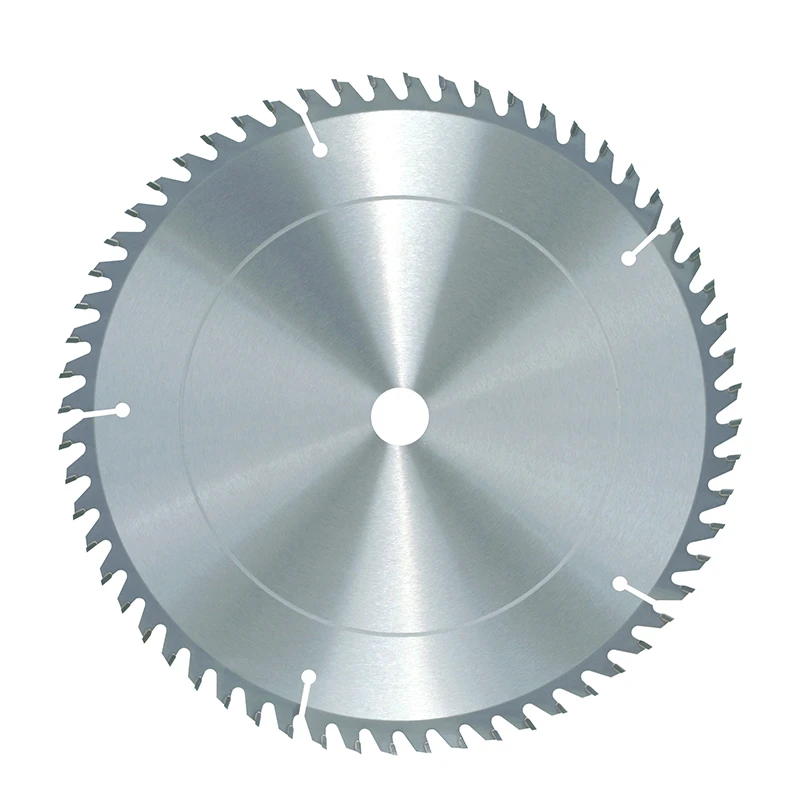
In the world of tile and stone cutting, speed and precision are everything. That's why professionals turn to the porcelain diamond blade when working with ultra-hard surfaces like porcelain tiles, vitrified ceramics, and polished marble. Designed to deliver razor-sharp cuts without chipping or cracking, the diamond blade for porcelain tile has become a standard in both residential renovation and high-end commercial installations. With models such as the 300mm porcelain blade and the trusted marble cutting blade, tile installers can achieve clean, crisp results even under demanding conditions.
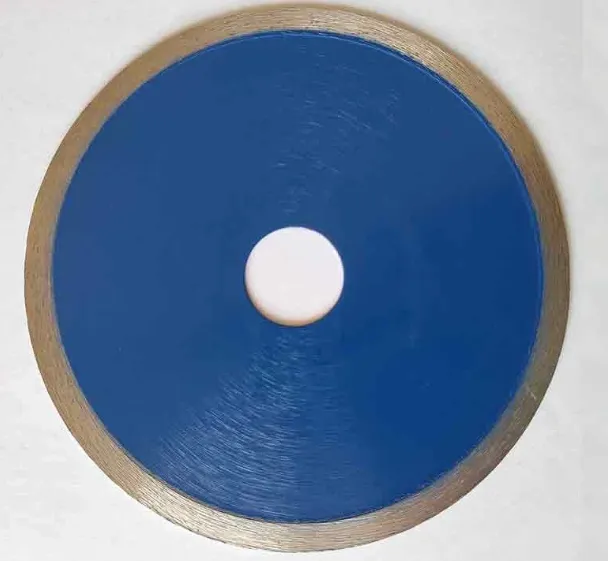
Why the Porcelain Diamond Blade Cuts Through Hard Tiles with Ease
Porcelain is notoriously difficult to cut due to its dense structure and high silica content. Ordinary blades tend to overheat, dull quickly, or cause microfractures that ruin the aesthetic of a tile. The porcelain diamond blade, however, is designed to meet this challenge head-on. Its rim is embedded with fine industrial diamonds, which are bonded with a high-strength metal alloy. This unique composition ensures that the blade maintains sharpness over long cutting sessions and doesn't struggle to penetrate tough materials.
Unlike segmented or turbo blades used in concrete applications, the diamond blade for porcelain tile typically features a continuous rim design. This allows for smoother and more controlled cutting, especially at the edges, which are most prone to chipping. Whether you’re cutting porcelain for bathroom walls, kitchen backsplashes, or high-end flooring, this blade minimizes material waste while maximizing finish quality.
Porcelain vs. Concrete Diamond Blades: What’s the Difference?
Many users wonder why they can't simply use a concrete blade for tile work. The difference lies in material density and cut requirements. A porcelain diamond blade is engineered for precision, while concrete blades are built for aggression.
Concrete is softer and more abrasive than porcelain, requiring wider gullets and deeper segments to expel debris quickly. A concrete blade used on porcelain can easily crack the tile or leave ragged edges. On the flip side, a diamond blade for porcelain tile has a softer bonding matrix that exposes fresh diamonds faster, keeping the blade sharp and the cut clean.
So if your project involves tile, always go with a specialized blade like the 300mm porcelain blade, which combines diameter with precision-rim technology for both wet and dry cutting. Using the wrong blade not only affects the finish but also risks damaging expensive materials.
Avoiding Cracks While Cutting Porcelain Tiles with Diamond Blades
Even with the best porcelain diamond blade, improper technique can result in unsightly cracks. The key is to use steady speed, moderate pressure, and sufficient cooling. For wet saws, maintain a constant water flow to keep the blade and tile cool. This prevents thermal shock, which can cause tiles to crack during cutting.
Scoring the tile before full penetration is another pro technique. By first making a shallow pass, you create a guide path for the blade to follow. This reduces lateral stress and keeps the cut line true. For very thin or delicate tiles, using a diamond blade for porcelain tile with a reinforced core can prevent vibration, one of the main causes of edge chipping.
Furthermore, never force the tile into the blade. Allow the porcelain diamond blade to do the work. Letting the diamonds gradually grind through the material not only ensures a smoother finish but also extends the blade's lifespan.
Marble Cutting Blades: Premium Results for Natural Stone
Marble, while softer than porcelain, presents its own set of challenges due to veining and brittleness. A specialized marble cutting blade is necessary to protect against cracking and surface damage. These blades often feature a hybrid design: a slightly softer bond than porcelain blades but with high diamond concentration for controlled cutting.
The marble cutting blade price reflects its premium construction and performance benefits. With reduced chipping and higher surface polish retention, these blades are ideal for high-visibility applications like countertops, hotel lobbies, and art installations. For users balancing performance with cost, investing in a blade with optimal segment design and cooling slots will always justify the marble cutting blade price in the long run.
Blades such as the 300mm porcelain blade are also suitable for cutting marble when high RPMs and continuous water flow are maintained, especially during intricate or curved cuts.
Porcelain Diamond Blade FAQs
Why is a porcelain diamond blade better than a general-purpose blade for tiles?
Because porcelain is extremely hard and brittle, general-purpose blades can cause chips or cracks. A porcelain diamond blade offers a finer rim and sharper diamond edge for clean, precise cuts.
Can I use a diamond blade for porcelain tile to cut marble?
Yes, but for best results, choose a dedicated marble cutting blade which has a softer bond to reduce stress on marble’s delicate veining.
What size is best for tile projects—a 115mm or 300mm porcelain blade?
Smaller blades are ideal for detail work and handheld saws, while a 300mm porcelain blade is best for large format tiles and extended cuts on wet saws.
Why does the marble cutting blade price vary so much?
It depends on blade diameter, diamond grit quality, and bond strength. Higher prices often reflect longer lifespan, faster cuts, and cleaner finishes.
How can I prevent tiles from cracking during cutting?
Use steady pressure, proper cooling (especially with wet saws), and make a shallow scoring cut first. Always let the porcelain diamond blade do the work without forcing it.
Related Products
Related Products






Address
No.30 Gaoying Road ,Chang'an District,Shijiazhuang,Hebei Province
Business Hours
Mon to Saturday : 8.00 am - 7.00 pm
Sunday & Holidays : Closed
.png )